



Peel-and-stick vs self-adhesive foils for storage?
Peel-and-stick vs self-adhesive foils for storage? The practical difference is the adhesive: peel-and-stick products have a backing liner over adhesive intended for easier removal, while many self-adhesive films expose adhesive designed to bond firmly. For children’s rooms, choose a removable option if you may change the look or want to protect furniture finishes. For long-term shelf lining, a firmly bonding film may suit a stable, compatible surface.
Key Takeaways
- The main difference between the two options lies in how the adhesive is designed, with peel-and-stick products using a backing liner that makes removal simpler.
- Self-adhesive films tend to bond more firmly because their adhesive is exposed, which suits jobs like shelf lining where you want the covering to stay put.
- If you are decorating a child's room and suspect their tastes might change next month, a removable option is the safer choice for your walls and furniture finishes.
- Sticking with a firmly bonding film makes sense when you have a stable, compatible surface and a look you plan to keep for years.
- Thinking about how often you like to refresh a space is the easiest way to decide which type of covering is right for your storage.
The names can be confusing, so compare the backing, adhesive instructions and removal guidance on the specific product rather than relying on its label alone. Surface type and conditions also matter. Here’s how to choose with fewer surprises.
Peel-and-Stick vs Self-Adhesive Foils for Storage: The Short Answer
What's the actual difference between the two?
With a peel-and-stick product, a protective liner covers the adhesive until you are ready to apply it. Remove the liner, position the material and press it onto the surface. Products described as self-adhesive also have adhesive backing, but the term does not guarantee that the film will come away cleanly later. Some are made for a firm, lasting bond, so check whether the maker specifically describes the adhesive as removable.
The liner keeps adhesive clean before application; it does not determine how easily a product can be removed. Adhesion depends on the product formulation, surface and conditions. Heat, humidity, dust and repeated handling can all affect performance. If you are lining a box or drawer you may want to change, test a small offcut first and follow the product’s surface and removal instructions.
Quick verdict for storage boxes, shelves and drawers
For a child’s storage box, a frequently rearranged playroom or furniture you want to keep in good condition, favour a product specifically labelled removable. For a shelf or drawer liner expected to stay in place, self-adhesive film can be practical if its instructions match the material and finish. Cardboard, painted wood, plastic and laminate behave differently, so a result on one surface does not promise the same result on another.
How We Evaluated: Our Testing Criteria for Storage Foils

Our comparison centres on four practical questions: where the storage sits, what it is made from, how long the covering needs to stay on, and whether it is suitable for a child’s space. A cool, dry cupboard differs from a sunny playroom or a kitchen shelf exposed to warmth and moisture. Check the product label for recommended surfaces, application conditions and removal instructions before buying.
We have not treated every film as interchangeable or claimed that all products were tested on every surface. Our recommendations distinguish removable decorative coverings from adhesive utility liners and flag where product-specific guidance is essential. That matters if you are covering a handed-down chest, rental furniture or a box that may be handled often.
Durability in real storage conditions: heat, humidity and handling
Consider temperature changes, damp air, sunlight and how often the item is opened or moved. Industry guidance cited in the research says peel-and-seal adhesives can last several years in cool, dry storage, while exposed-adhesive products are best used within 6 to 12 months. Heat or humidity can reduce the shelf life of exposed adhesive. Those timelines describe adhesive storage, not a guarantee of how long an applied film will last on furniture.
Removability and residue on wood, plastic and laminate
Wood may have paint, varnish or a delicate finish; plastic can vary in texture; laminate has its own surface coating. A strong bond may be difficult to remove from some finishes, and residue risk depends on both the adhesive and the surface. Prefer explicit removable-product guidance and test an inconspicuous patch before covering a large area.
Child safety and cleanability
For a nursery or playroom, check product instructions for age, placement and cleaning. Keep loose film and backing away from children, and do not assume a surface covering is suitable for food contact or for a child to handle or mouth. Smooth, accessible storage is generally easier to wipe than a textured or heavily handled surface.
Value for money in GBP
Compare the price in pounds with the amount of material, coverage, intended lifespan and likelihood of removal. A cheaper roll may be poor value if it is unsuitable for the surface or needs replacing sooner. Check the pack dimensions and calculate the area you need before purchasing.
- Match the adhesive to the planned length of use.
- Confirm the surface is listed as suitable.
- Factor in heat, humidity and regular handling.
- For children’s rooms, check safety and cleaning instructions.
Our Top Picks: The Best Foils for Every Storage Job
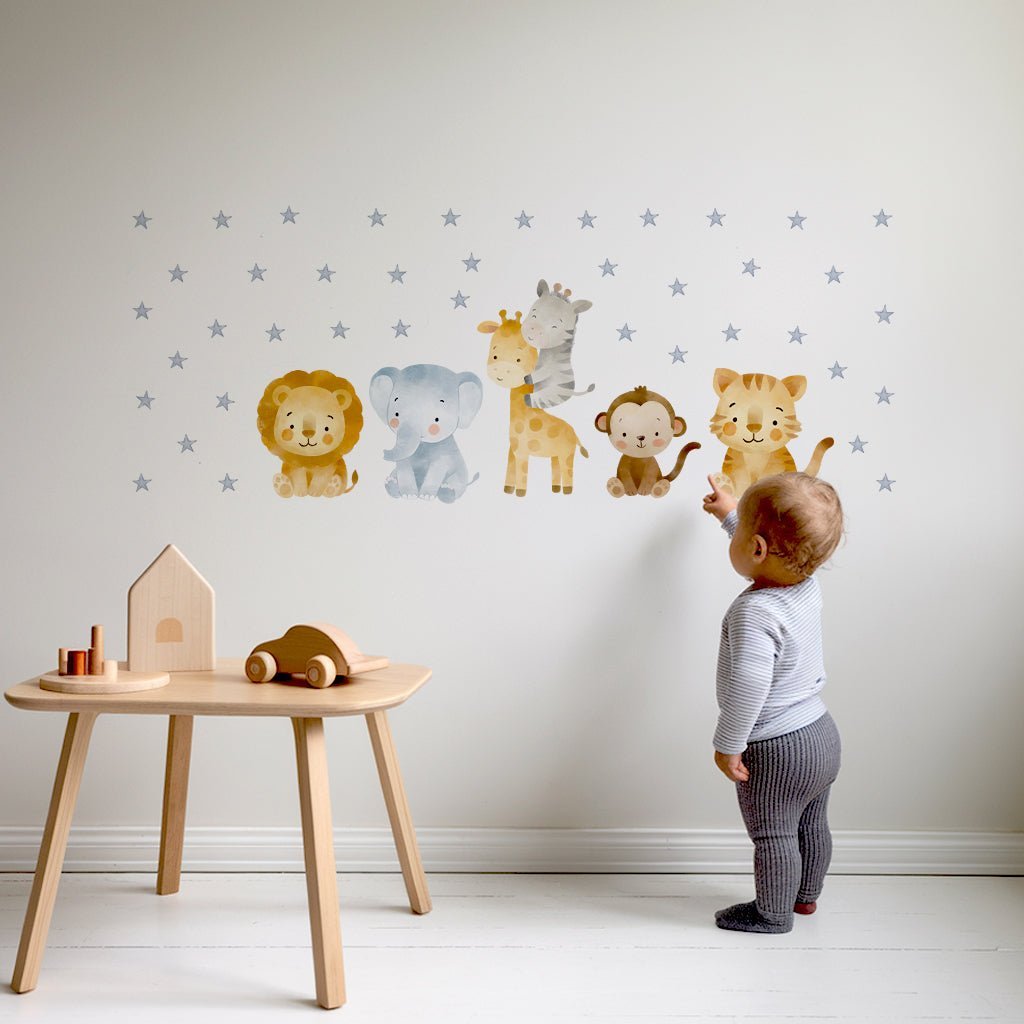
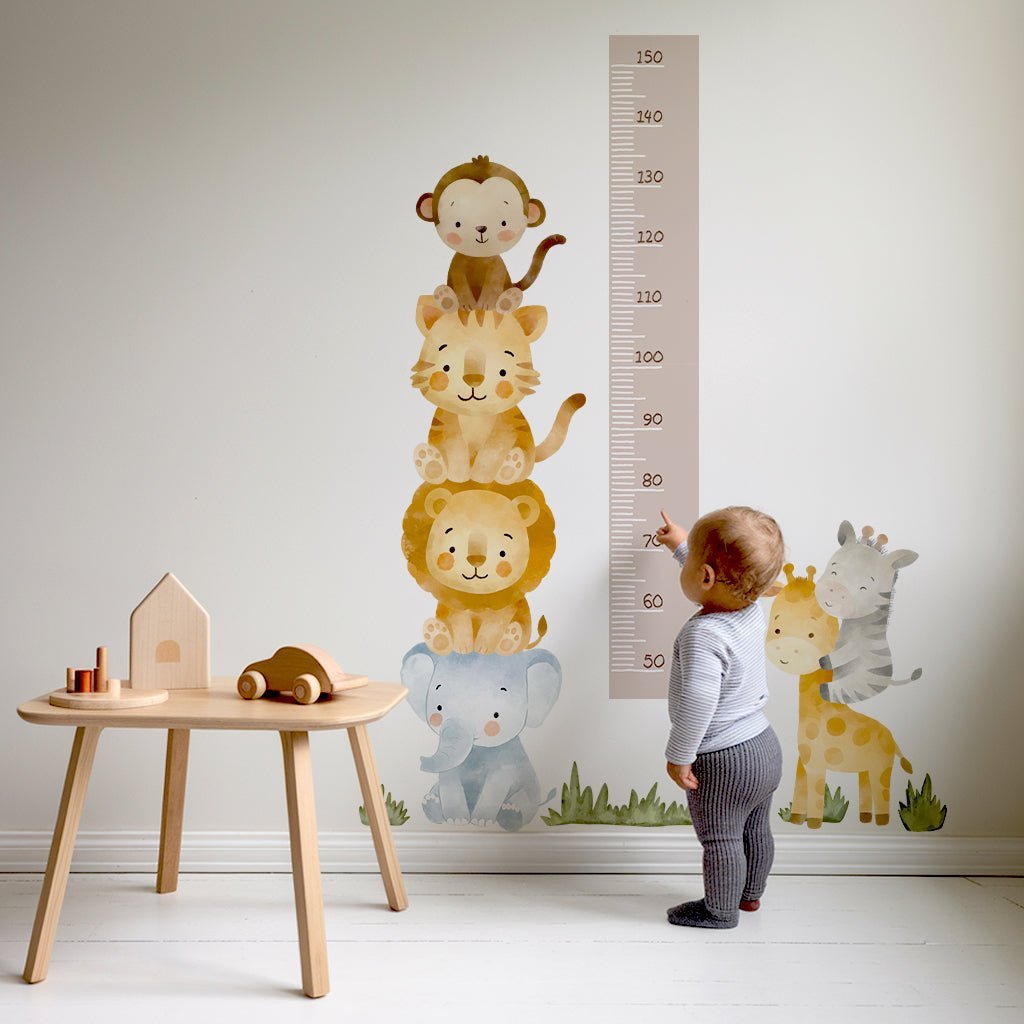
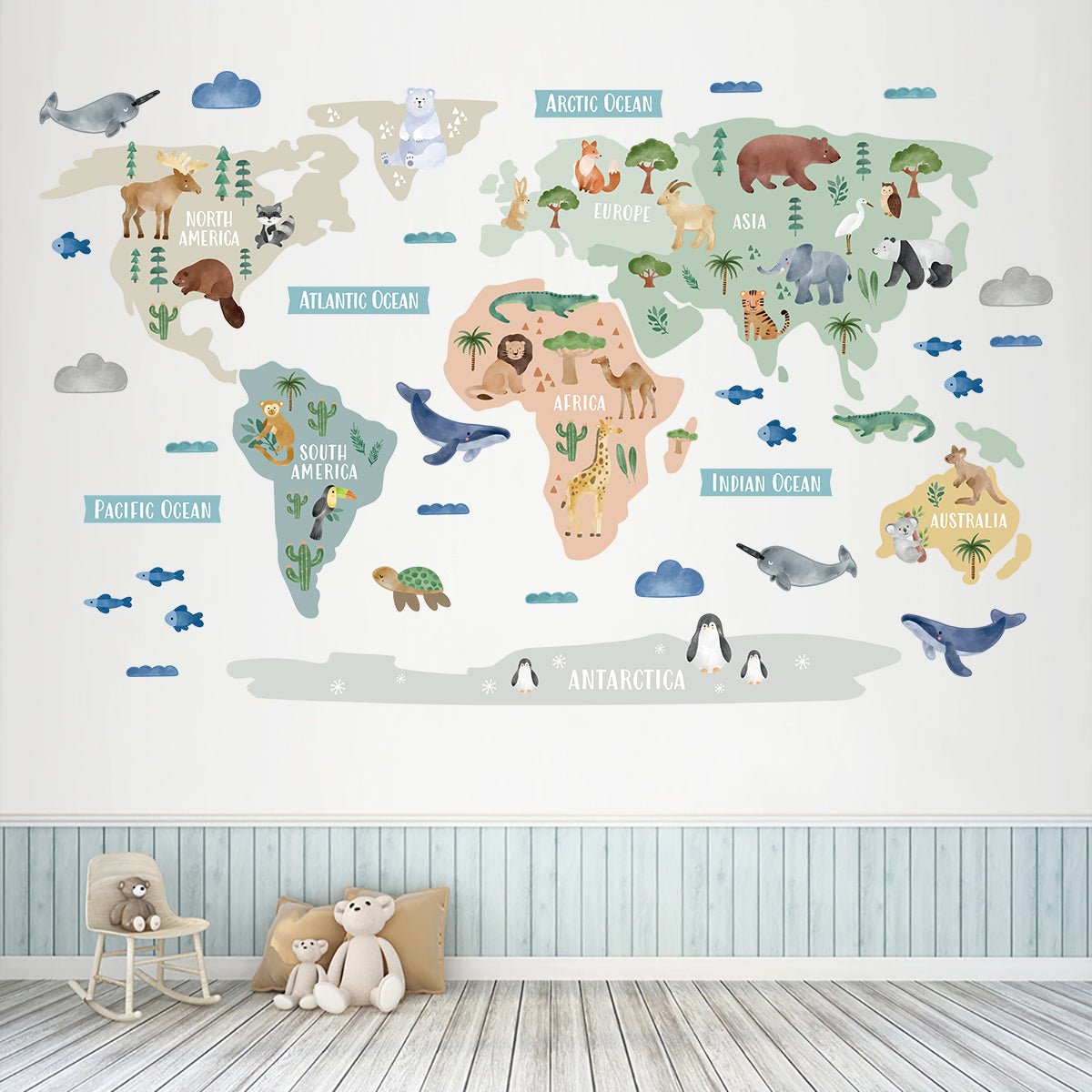
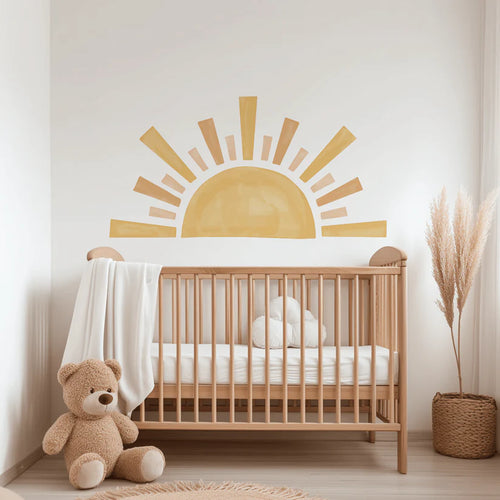
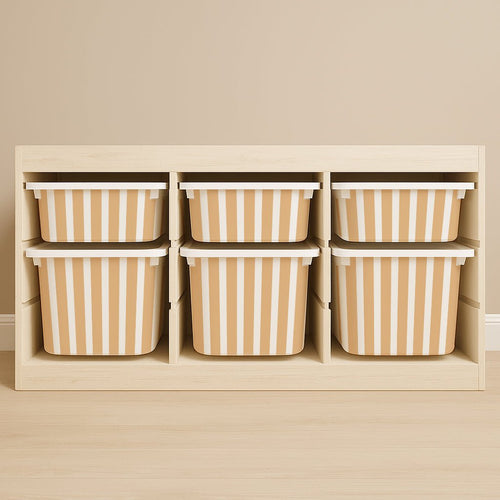
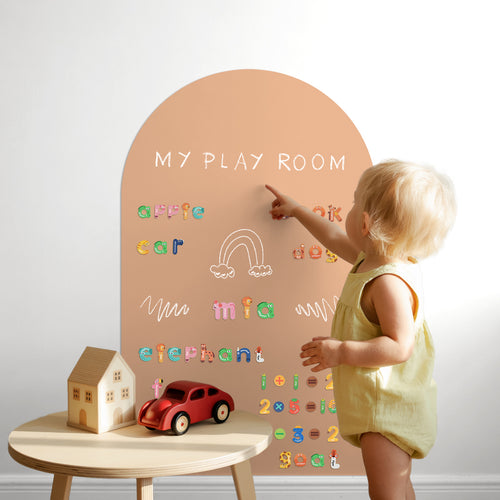
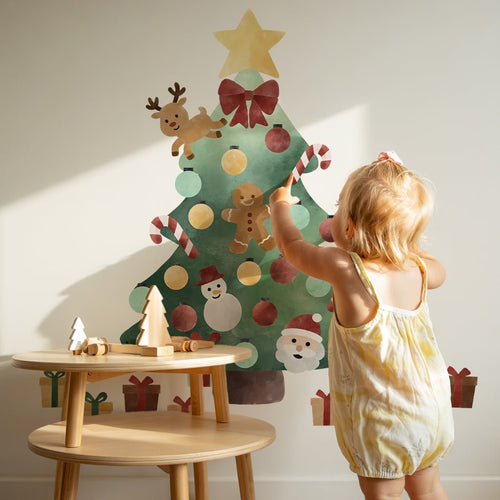
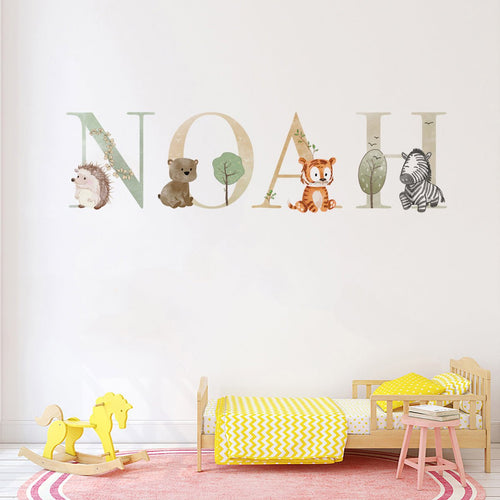
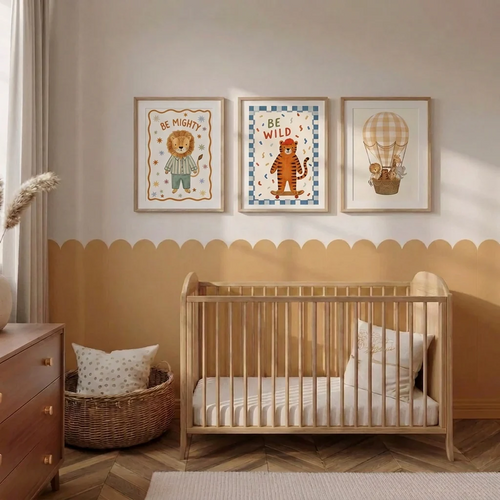
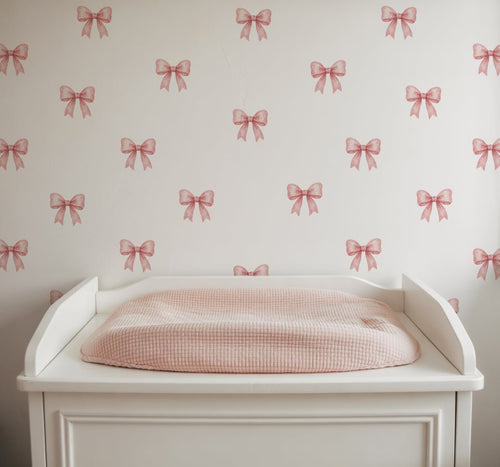
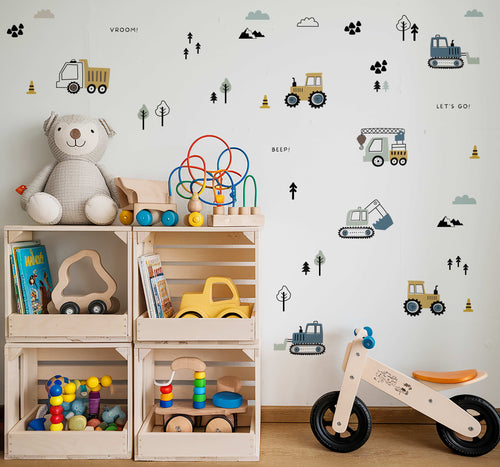
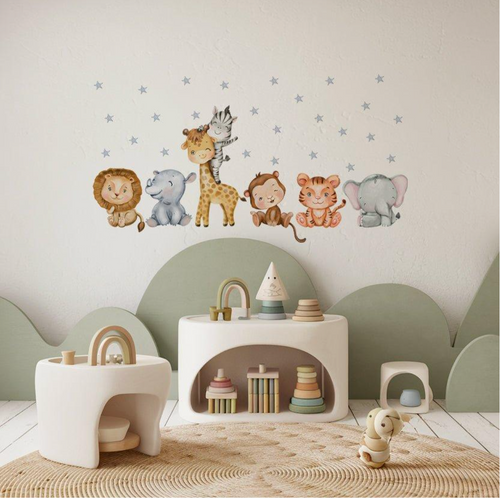
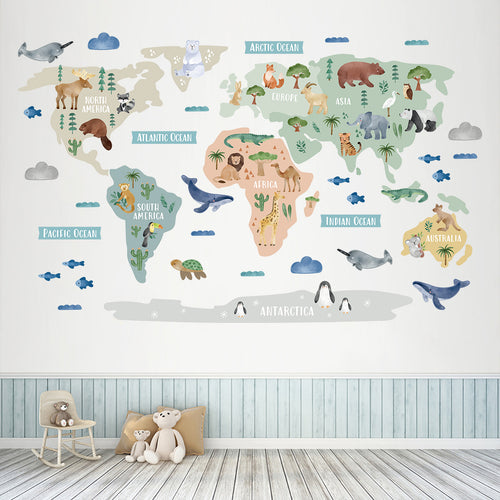
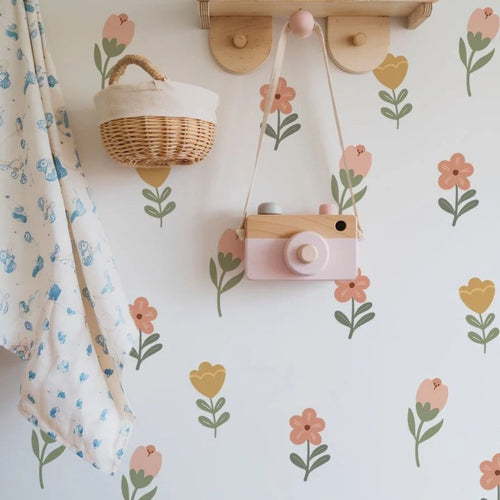
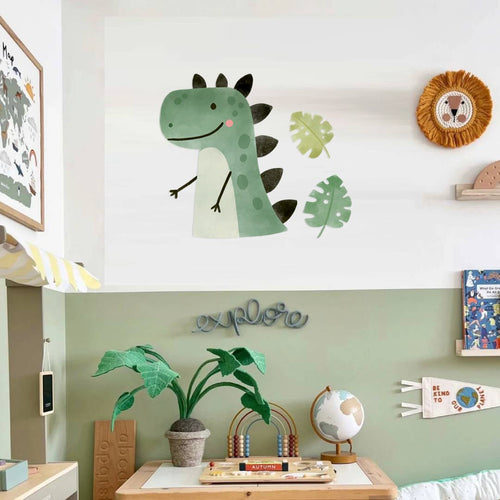
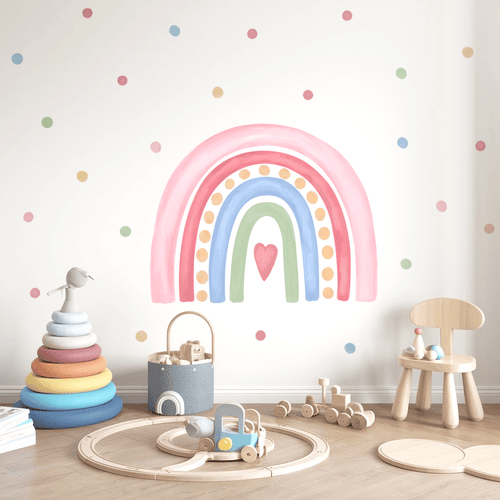
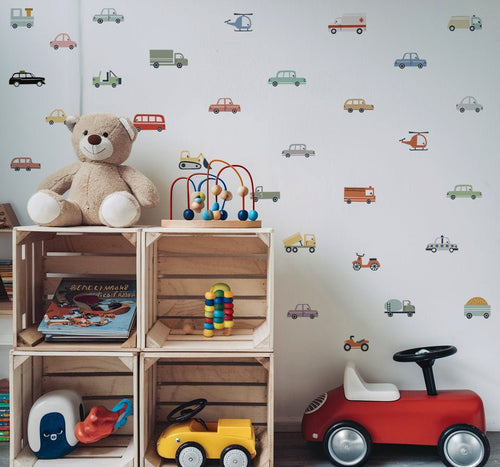
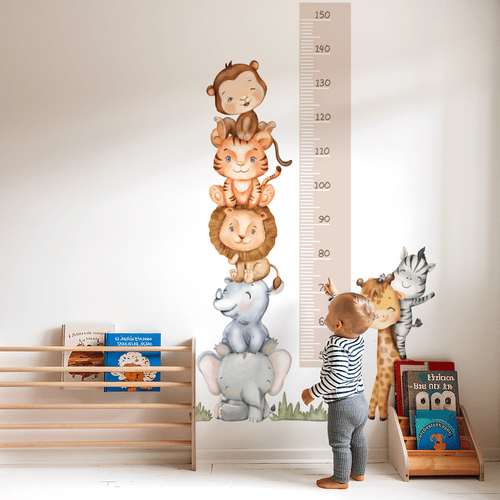
These options serve different purposes: the best fit depends on whether you are decorating children’s storage or lining a surface for utility. Nursery Stickers’ removable fabric-vinyl designs are wall stickers rather than shelf-liner foil; they suit decorative applications on appropriate smooth surfaces, not hard-wearing drawer liners. For any product, check its current instructions, pack size and price in GBP before ordering.
1. Nursery Stickers Premium Removable Fabric-Vinyl Foil: Best Overall for Nursery and Kids' Storage
Best for: Adding removable decoration to suitable, smooth storage surfaces in a nursery or playroom.
Our premium removable fabric-vinyl mix is made for easy application and clean removal, leaving zero residue when used as intended. Printed in the UK, the designs include playful themes that can help tie a storage corner into the rest of a child’s room. This decorative material is not a substitute for a protective shelf liner exposed to heavy wear, standing water or frequent scrubbing. Check the product guidance for your surface and compare pack coverage with your budget in £.
2. d-c-fix Self-Adhesive Film: Best for Permanent Shelf and Drawer Liners
Best for: A longer-term lining job on a compatible shelf or drawer surface.
This self-adhesive film suits storage tasks where a firm bond is more useful than easy repositioning. Suitability and expected wear depend on the exact product and surface, so check the maker’s instructions for application, cleaning and removal before buying. Treat it as a planned, longer-term covering rather than temporary nursery decoration. Compare roll width and length with the area to cover, then check the current price in £.
3. Fablon Self-Adhesive Vinyl: Best Budget Option for Playroom Boxes
Best for: Refreshing compatible storage boxes when a firmly attached finish is preferred.
Self-adhesive vinyl can give a plain box a new look, but the surface and finish influence the result. A smooth, clean box is a better starting point than a dusty or textured one; check the product’s guidance before application. If the box is cardboard or may be reused, a strong adhesive can make later removal less predictable. Compare coverage and current price in £ with the amount required, rather than choosing on roll price alone.
4. Con-Tact Self-Adhesive Liner: Best for Kitchen and Pantry Storage
Best for: Utility lining in a kitchen or pantry, where the product instructions allow the intended surface and use.
A self-adhesive liner may suit a shelf intended to remain covered, but kitchen conditions call for care. Check whether the specific product suits the shelf material and cleaning routine; do not assume it is food-safe or suitable for direct food contact. Heat and moisture may affect adhesive performance, so follow the manufacturer’s storage and application advice. Check the pack dimensions and price in £ against the shelf area before purchasing.
| Option | Adhesive approach | Best-fit storage use | Removal and buying check |
|---|---|---|---|
| Nursery Stickers removable fabric-vinyl | Removable decorative adhesive | Suitable smooth surfaces in a nursery or playroom | Made for clean removal when used as directed; confirm surface suitability and pack coverage |
| d-c-fix self-adhesive film | Self-adhesive film | Longer-term shelf or drawer lining | Check compatibility, removal guidance and roll dimensions |
| Fablon self-adhesive vinyl | Self-adhesive vinyl | Compatible playroom boxes | Cardboard removal may be unpredictable; compare coverage with price |
| Con-Tact self-adhesive liner | Self-adhesive liner | Kitchen or pantry shelves, where specified | Confirm cleaning and intended-use instructions before purchase |
How to Apply and Remove Foils on Storage Items Without Damage
Good results start with the storage item. Check the product instructions for suitable surfaces and application conditions, then try a small, hidden area if you are unsure how a finish will respond. This is especially helpful with painted wood, older furniture and items you hope to reuse. A clean, dry surface gives adhesive a better chance to bond evenly; dust, grease and moisture can interfere.
Step-by-step: lining shelves, drawers and boxes
Work on a stable surface and measure before cutting. Leave a little extra material to trim for a neat edge, while checking that the covering will not obstruct drawer runners or shelf fittings.
- Empty the shelf or drawer, then wipe the surface with a cleaner suitable for its material. Let it dry fully.
- Cut the film to size and align it before removing the backing. For a peel-and-stick product, expose only a small section of adhesive at first.
- Press the material down gradually, smoothing from the centre towards the edges as you go.
- Trim any excess carefully, keeping blades away from the storage surface and your fingers.
Apply at the temperature stated on the packaging. A cold room can make some materials less flexible, while warmth or humidity may affect adhesive behaviour. Do not apply over damp, dusty or freshly treated surfaces.
Getting bubble-free results on curved and textured surfaces
Flat shelves and drawer bases are easier to cover than rounded box corners or textured plastic. For a curve, work in small sections and smooth the material gently as you move around the shape. Avoid stretching it sharply, since tension can pull the edges back later. If the material resists the curve, check the maker’s guidance rather than forcing it.
Raised grain, fabric and deep texture can prevent even contact, leaving bubbles or lifted edges. A firm, smooth surface is usually a better choice. On cardboard boxes, test a discreet patch first: the outer layer may lift if a strong adhesive is later removed.
Clean removal: avoiding sticky residue and damaged finishes
Start at a corner and peel slowly, keeping the material close to the surface rather than pulling it sharply upwards. If it feels firmly attached, pause and consult the product instructions. A gentle, even pull is less likely to stress a delicate finish than a quick tug. Avoid scraping with metal tools or applying heat unless the manufacturer recommends it for that product and surface.
Adhesive and finishes vary, so no removal method guarantees a perfect result on every item. Test first on an inconspicuous spot, particularly on rental furniture, varnished wood or a handed-down piece. Follow the maker’s advice for any residue, and keep loose film and backing away from children.
Room-by-room recommendations: nursery, playroom, kitchen, hallway
In a nursery, favour a covering specifically described as removable, and place it where little hands cannot pick at loose edges. In a playroom, a smooth storage box is a practical surface for a decorative refresh, provided the product instructions allow it. For shelves holding toys, choose a finish that suits the expected handling and cleaning routine.
In kitchens, check the liner’s guidance for moisture, cleaning and shelf material; do not assume it is suitable for food contact. In a hallway, consider scuffs from shoes, bags and frequent use before covering a box or bench compartment. In every room, match the adhesive to the surface and how long you want the covering to stay in place.
Storage Foil FAQs: Durability, Safety and Lifespan Answered

Adhesive performance depends on the product, surface and storage conditions. For children’s furniture or a covering you may want to change, check for clear removal guidance before choosing.
How long do self-adhesive foils last in storage conditions?
There is no single lifespan for foil already applied to a shelf or box. Heat, humidity, sunlight, surface preparation and repeated handling can affect how well it stays attached. Follow the manufacturer’s guidance for the specific film and use. Research on adhesive products distinguishes the shelf life of unused adhesive from the lifespan of an applied covering: guidance cited by Business Envelopes says peel-and-seal adhesives can last several years in cool, dry storage, while exposed-adhesive products are best used within 6 to 12 months. Those figures are not a promise about foil on furniture.
Are self-adhesive foils removable without damaging surfaces?
Sometimes, but the label “self-adhesive” does not guarantee clean removal. A firmly bonding film may leave residue or affect paint, varnish or a delicate coating, especially after a long time in place. Check the maker’s removal instructions and test a small, hidden area first. If you need a temporary covering, choose a product explicitly described as removable.
Can I use peel-and-stick foils on cardboard storage boxes?
Yes, if the product instructions allow it and the box is clean, dry and smooth. Cardboard can tear or lose its outer layer during removal, so test a discreet patch before covering the whole box. For a box you plan to reuse or relabel, removable material is more flexible, though it cannot guarantee damage-free removal from every cardboard finish.
Which option is safest for children's rooms?
Choose by the product’s instructions, not by adhesive type alone. Check placement, cleaning and age guidance, and keep loose film and backing out of reach. Do not assume a covering is suitable for food contact or for children to mouth. A removable option can be practical for nursery storage that may need refreshing, provided it is applied as directed and its edges stay secure.
Peel-and-stick or self-adhesive: which should you choose?
For temporary decoration, children’s rooms or storage you may change, favour a product specifically labelled removable. For a permanent utility lining on a compatible shelf or drawer, self-adhesive film may be suitable when its instructions match the surface and conditions. The short answer to Peel-and-stick vs self-adhesive foils for storage? is to match the adhesive to how long the covering must stay in place, then check the surface guidance before buying.
Frequently Asked Questions
What is the difference between peel-and-stick and self-adhesive foils?
Peel-and-stick foils have a protective backing liner over adhesive designed for easier removal, while many self-adhesive films expose adhesive made to bond firmly. The names can be confusing, so always compare the backing, adhesive instructions and removal guidance on the specific product rather than trusting the label alone.
Which is better for storage: peel-and-stick or self-adhesive foil?
Choose a removable option for children's storage boxes or surfaces you may want to change, and a firmly bonding self-adhesive liner for long-term shelf lining on a compatible surface. Cardboard, painted wood, plastic and laminate all behave differently, so test a small offcut first before covering a large area.
How long do self-adhesive foils last in storage?
Industry guidance suggests peel-and-seal adhesives can last several years in cool, dry storage, while exposed-adhesive products are best used within 6 to 12 months. Heat and humidity can shorten the shelf life of exposed adhesive, so store spare rolls somewhere cool and dry.
Can I use peel-and-stick products on storage boxes and shelves?
Yes, peel-and-stick products can be used on storage boxes, shelves and drawers, provided the surface is suitable. Check the maker's recommended surfaces before applying, and test an inconspicuous patch first, as results on cardboard differ from painted wood, plastic or laminate.
Are self-adhesive foils removable without damaging surfaces?
Some are, but not all. The term self-adhesive does not guarantee clean removal, as many films are made for a firm, lasting bond. Look for products whose maker specifically describes the adhesive as removable, and always test an inconspicuous patch before covering a whole surface.
Are adhesive foils safe to use in a child's room or nursery?
Adhesive foils can suit children's spaces if you check the product instructions for age, placement and cleaning first. Keep loose film and backing liners away from little ones, and never assume a surface covering is suitable for food contact or for a child to handle or mouth.
Does the adhesive liner affect how easily a foil can be removed?
No, the liner only keeps the adhesive clean before application; it does not determine how easily the foil can be removed later. Removability depends on the adhesive formulation, the surface it is applied to and the conditions, such as heat, humidity and repeated handling.