


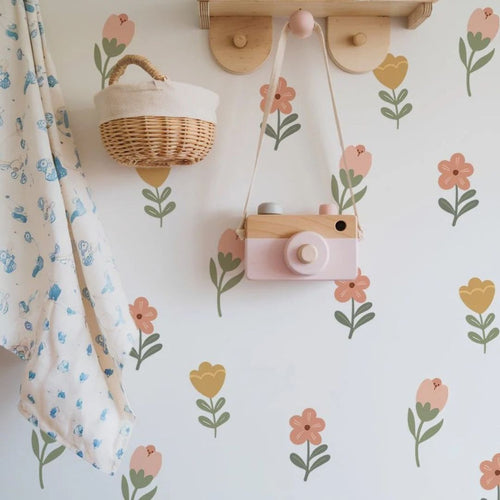
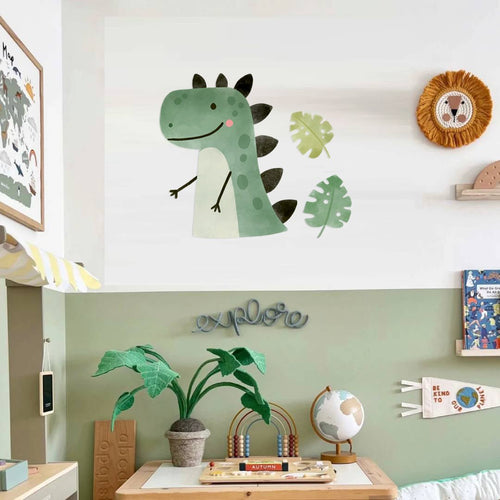
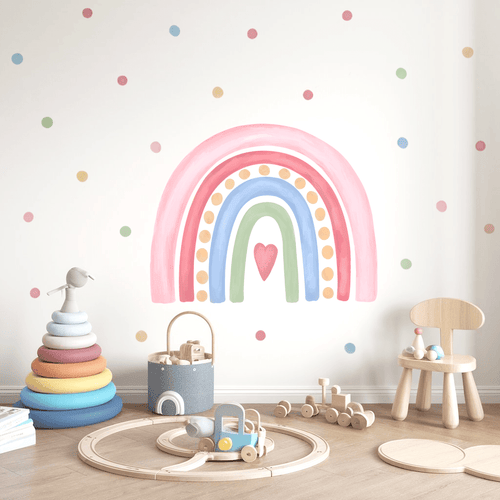
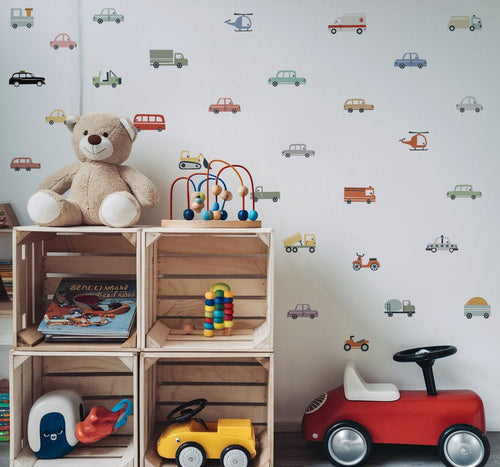

Affordable alternatives to vinyl wall art.
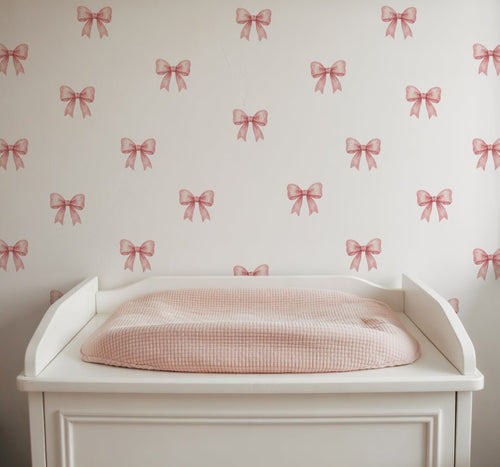
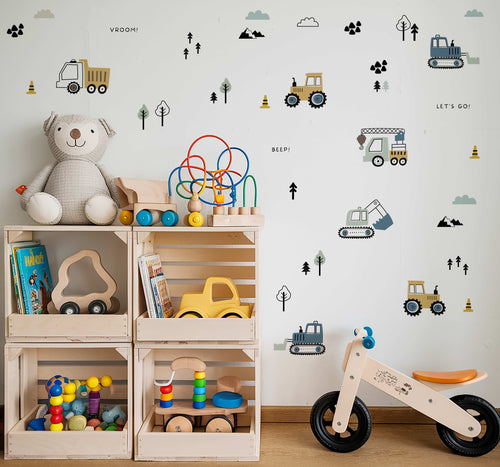
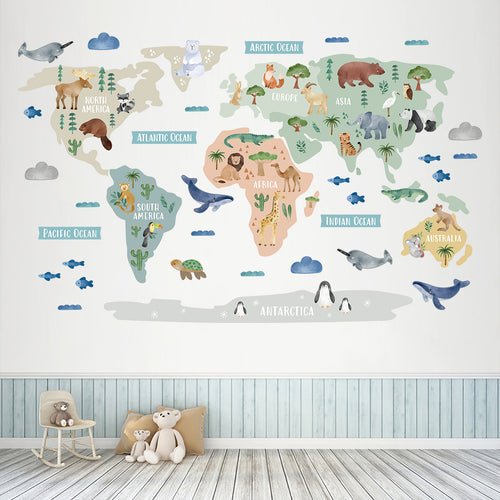
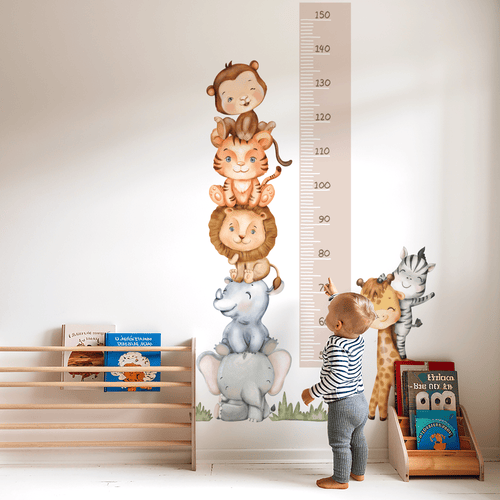
Affordable alternatives to vinyl wall art can make a nursery feel personal without committing to a costly feature wall. Fabric wall stickers are our first choice for a soft, designed finish; free museum prints in second-hand frames suit the smallest budgets, while wallpaper panels cover more wall with less arranging.
Key Takeaways
- Fabric wall stickers offer a soft, designed finish and can be swapped out in minutes as your child's tastes change.
- Free museum prints displayed in second-hand frames create a stylish gallery wall for almost no cost.
- Wallpaper panels are a smart choice when you want to cover a large area without arranging individual pieces.
- You can achieve a personal, polished look in a nursery or playroom without committing to an expensive feature wall.
As a mum and founder of Nursery Stickers, I know how quickly a child’s favourite theme can change. Here’s how to choose a wall refresh that feels right for your room, your budget and the next chapter.
The Quick Answer: What to Use Instead of Vinyl Wall Art in a Nursery
Why we wrote this guide (and why vinyl has a problem)
Vinyl can add a motif, but it isn’t the only option, and thin, shiny finishes may not give a room the look you want. Interior designers quoted by The Guardian recommend fabric, woven or thicker non-woven materials for a more premium feel. That distinction matters in a child’s room, where you may be balancing a gentle finish, changing interests and rental rules.
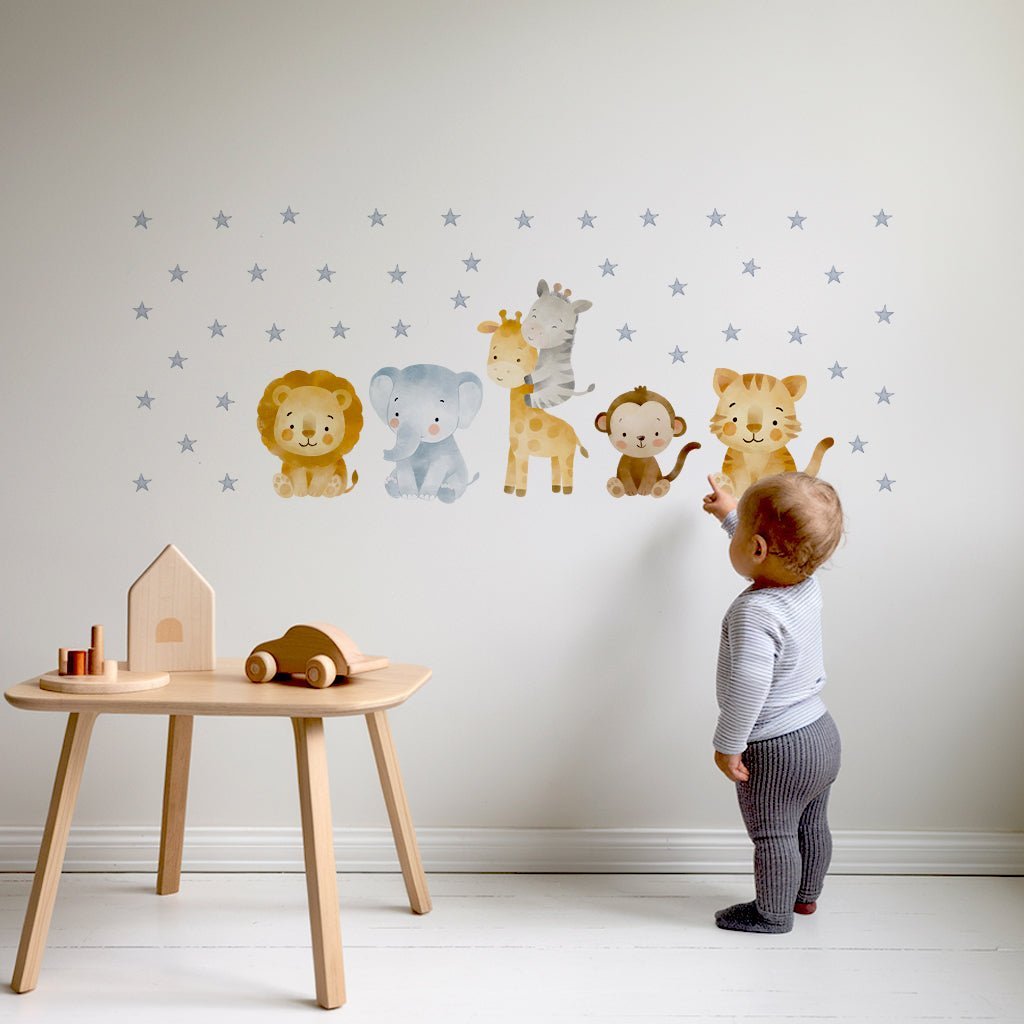
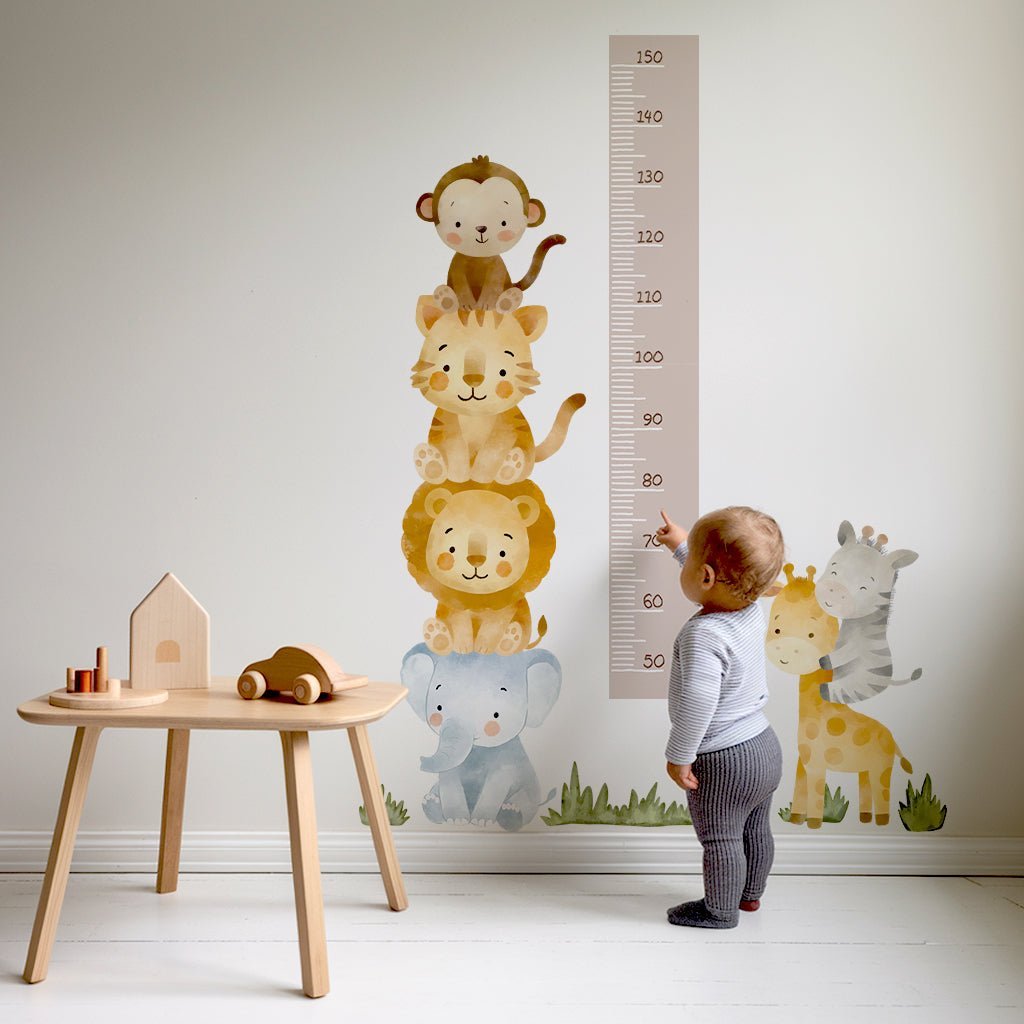
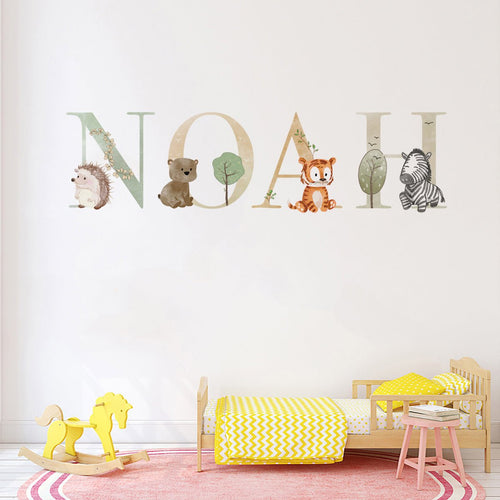
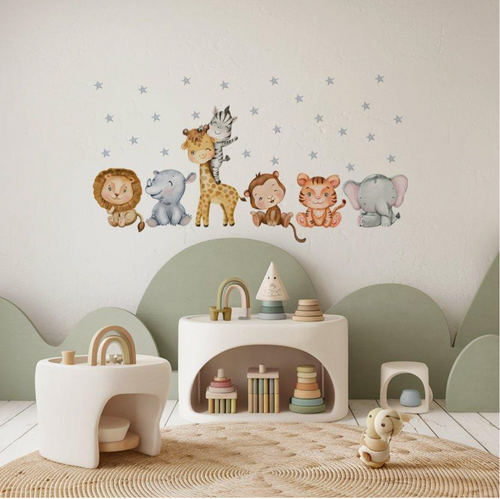
We’ve included handmade and lower-cost ideas alongside ready-to-apply choices, so you can compare more than appearance. Our ABC Animal Friends Alphabet Wall Stickers show how an alphabet animal theme can bring character to a baby’s nursery. They are regular vinyl, currently sold out, and are included as an example of nursery wall décor, not as a fabric alternative.
How we evaluated every alternative: safety, cost-per-wall, removability and human design
We considered likely wall coverage cost, how easily each option can be changed, whether it may suit a rented home, and how clearly you can identify the maker. A low price is only useful if the finish suits the room and the artwork feels considered. Check product instructions for your wall surface, allow paint to cure fully before applying anything, and keep frames, cords and hanging pieces securely out of a baby’s reach.
Top Picks: 9 Affordable Alternatives to Vinyl Wall Art, Ranked

These picks range from quick peel-and-stick updates to collected artwork with a story behind it. Costs vary with wall size, materials and what you already own, so we’ve used broad budget cues rather than pretending every room costs the same. For a child’s space, consider finish, fixing method and placement as well as the picture itself.
1. Fabric wall stickers, the sweet spot
Best for: A soft-looking feature wall you may want to change as your child grows. Fabric wall stickers bring a matte finish and designer-led illustrations without the expense or planning of a full mural. They are our top pick because they balance visual warmth, ease of application and a personal feel. Look for clear material details and removal instructions, and test a small area first, especially in a rental.
Budget: Mid-range. Design provenance: Choose a named studio or artist and look for a portfolio. ABC Animal Friends Alphabet Wall Stickers are a regular-vinyl alphabet design, not a fabric option, and are currently unavailable.
2. Peel-and-stick wallpaper panels for a full feature wall
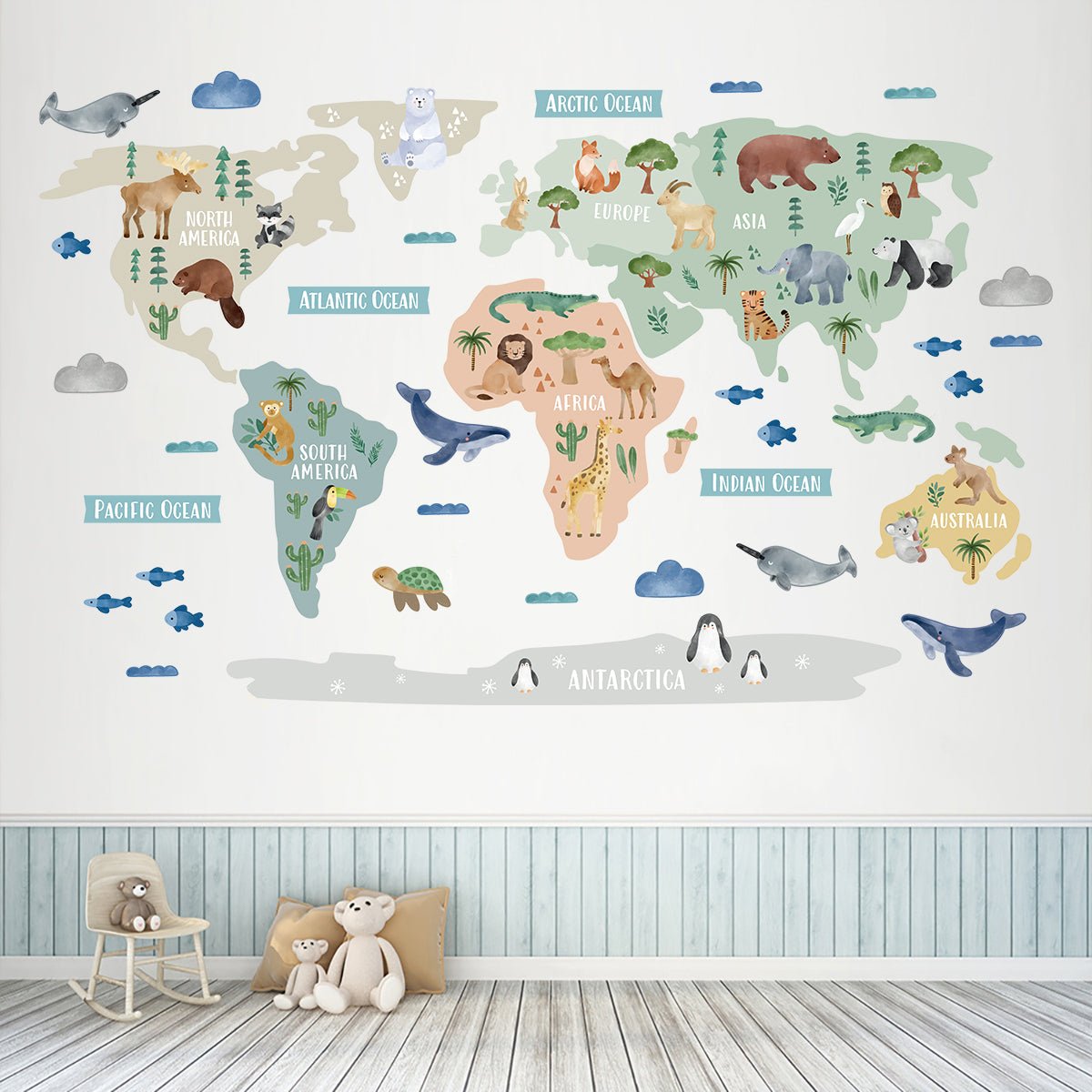
Best for: Making a large wall feel finished with one coordinated pattern. Panels can create a broad sweep of colour or a woodland, starry or botanical backdrop. They may cost more than a small sticker set, and patterned repeats take careful measuring. Check the manufacturer’s wall and removal guidance before ordering; removable claims can depend on the surface and paint condition. A named designer or brand gives you a clearer trail to the artwork’s origin.
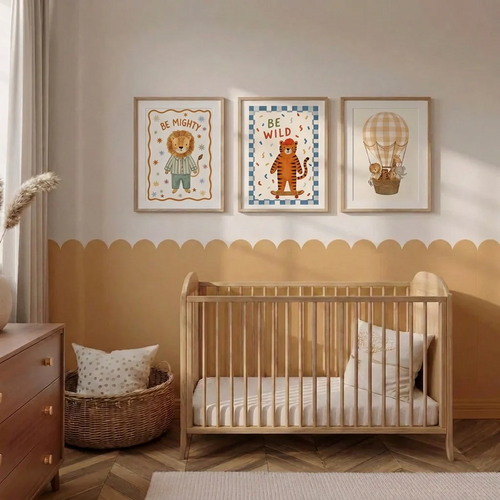
3. Free museum gallery prints in thrifted frames
Best for: Building a little gallery on a shoestring. Smithsonian open-access downloads offer a starting point for printable artwork, while second-hand frames give each image a collected look. Research found that thrifted frames paired with free museum downloads can bring framed art to under £10 per piece. Check image-use terms, frame condition and glass security; keep frames well out of reach of cots and play areas. The artwork’s institutional source is easy to identify.
4. Hand-painted shapes and murals you can do in a weekend
Best for: A one-off design matched to an awkward wall or favourite colour. Simple arches, hills and clouds need only a sketch, masking tape and suitable paint; a local artist can take on a more detailed mural. Painting is not renter-friendly and takes preparation, ventilation and drying time. Ask about paint suitability for the room, and make sure the design is genuinely created by the person doing the work.
5. Washi tape patterns and paper garlands
Best for: A temporary burst of colour above a desk or reading corner. Washi tape can form simple frames, stripes or mountain outlines, while paper garlands add a handmade touch. It’s a low-cost approach, but tape may not suit every paint finish, so test a hidden patch. Keep garlands and loose paper well away from a cot or a child who might pull them down. These are easy projects to design yourself, rather than anonymous marketplace art.
6. Removable photo ledges and postcard walls
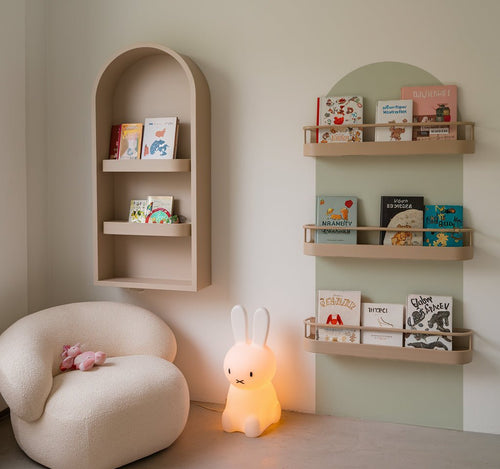
Best for: Rotating family photos, postcards and small prints without building a permanent gallery. A removable ledge can make swaps simple, while lightweight postcards can be arranged in a relaxed cluster with suitable wall-safe fixings. Check the weight limit and fixing instructions, then keep ledges above children’s reach. This can suit renters when the fixings work with your wall, though no adhesive is guaranteed to leave every surface untouched.
7. Prints from independent illustrators on small marketplaces
Best for: Finding a particular animal, colour palette or storybook feel. Independent illustrators often sell prints in several sizes, making it easier to choose a piece for a small frame rather than buying a full set. Marketplace listings vary, so check for the artist’s name, a consistent portfolio and details about printing and paper. Use a frame with secure fittings, and remember that a print itself won’t protect a wall from scuffs.
8. Original art from local art fairs and degree shows
Best for: Owning a one-off piece without gallery prices. Local art fairs and degree shows let you speak directly with the maker and ask how the work was made. Research found that hand-painted originals from local artists and fairs commonly sell for under £100. Prices vary by size and medium, so ask about framing and display before buying. This option is not removable wall décor, but the artwork’s human provenance is clear.
9. Wooden and felt wall hangings
Best for: Adding texture to a reading nook or a wall that feels flat. Felt shapes and small wooden decorations can bring a tactile, crafted look, with materials and makers often named in the listing. They need secure fixing and are not ideal within a child’s reach, particularly above a cot or bed. Check the maker’s care and hanging guidance, and consider whether drilling is allowed in your home. These pieces are less suited to frequent layout changes than stickers or prints.
Budget-Tier Comparison: Decorating a Nursery Wall for Under £50, £100 or £1,000
The best budget depends on how much wall you want to cover, whether you already own frames or materials, and how often you expect to change the room. The figures below are broad planning cues, not fixed quotes: size, finish and fixing method can shift the cost. For renters, check product instructions and tenancy rules before choosing an adhesive or making holes.
Cost-per-wall at a glance
Use this table to compare likely finish and practical trade-offs. “Low”, “medium” and “higher” describe relative spend, rather than a set price. Museum downloads paired with thrifted frames can bring framed art to under £10 per piece, according to the research for this guide. Other costs depend on coverage and materials.
| Option | Relative cost | Changing it later | Finish and provenance | Renter considerations |
|---|---|---|---|---|
| Fabric wall stickers | Medium | Designed for a simpler refresh; check removal guidance | Soft, matte look; seek a named designer | Check wall compatibility first |
| Peel-and-stick wallpaper panels | Medium to higher | Can be changed; removal depends on the wall | Coordinated, broad pattern; brand or designer may be named | Confirm surface and removal instructions |
| Museum prints in thrifted frames | Low | Swap prints or rearrange frames | Framed gallery look; source can be verified | Needs secure hanging or safe placement |
| Hand-painted shapes or mural | Low to higher | Not quick to change | Made for your room; painter can be identified | Usually not suitable for rentals |
| Washi tape and paper garlands | Low | Easy to rearrange; test tape first | Handmade, casual finish; self-designed | Test a hidden patch; secure garlands safely |
| Photo ledges and postcard walls | Low to medium | Simple to rotate images | Personal display; depends on chosen prints | Fixings may leave holes or marks |
| Independent illustrator prints | Low to medium | Change prints within existing frames | Artist-led; check portfolio and listing details | Frames need secure placement |
| Local art fair originals | Medium to higher | Move the artwork, rather than alter it | One-off work; speak directly with the maker | Hanging method matters |
| Wooden or felt hangings | Medium | Can be moved, with care | Tactile finish; maker and materials may be listed | Needs secure fixing, away from a cot |
Which tier suits which parent
Under £50: Start with free museum downloads and second-hand frames, or make a small arrangement with tape and paper. This suits a first nursery refresh, especially if you already have basic craft supplies. A few carefully chosen pieces can feel more personal than filling every inch with matching posters.
Under £100: You have more room to combine approaches, such as a print gallery with one focal piece, or a modest set of stickers. This tier suits parents who want a finished look while keeping flexibility for changing tastes. Research found that local artists’ hand-painted originals commonly sell for under £100, though size and medium affect the price.
Choose this tier if a bespoke finish matters more than quick changes. For a broad wall on a smaller budget, repeat a simple arrangement of prints or choose one strong focal area instead of buying art for the entire surface.
How to Spot AI-Generated 'Slop' Art and Find Clearly Human-Designed Pieces
Scrolling through nursery prints can feel like a treasure hunt, until similar-looking listings make it hard to tell who created the artwork. Some shoppers have voiced frustration about AI-generated listings on Etsy, with one Reddit user saying, “i just can't get down with all the ai junk that is on etsy right now”. It’s reasonable to want to know whose work you’re bringing into your child’s room. A named maker and traceable portfolio can offer more reassurance than a polished product image alone.
Red flags on marketplace listings: hands, textures, muddled details
Zoom in and look for details that seem inconsistent: a hand with an unusual number of fingers, patterns that change without reason, or animal features that blur together. These clues are not proof that an image was generated by AI, so use them as prompts to check further. Look for more examples of the same artist’s work, clear information about the print process and a description of what you’ll receive, including paper, size and whether a frame is included.
Where to verify provenance: designer names, small UK studios, art fairs
Search for the illustrator’s name beyond the listing: a studio website, portfolio or social page showing work in progress can help confirm who made the design. At an art fair or degree show, you can speak with the maker and ask about materials and process. Nursery Stickers’ ABC Animal Friends Alphabet Wall Stickers are a named alphabet-animal design for a baby’s nursery, made in regular vinyl and currently sold out. They show how to choose an identified design rather than an anonymous image; check availability before planning around a particular piece.
Planning Your Wall: A Renter-Friendly Layout Mini-Guide

Planning helps you avoid buying too many prints or finding that your layout feels cramped once it’s on the wall. Measure the space and note nearby furniture, sockets and the cot. In a rental, check your tenancy agreement and each item’s fixing instructions. No adhesive can promise a damage-free result on every paint finish, so test discreetly and follow the maker’s guidance before decorating a larger area.
Painter's tape mock-up before you commit
Use low-tack painter’s tape to mark the outer edges of your planned display, then step back and view it from the doorway and your child’s usual play area. Tape can also help test spacing between frames or map out lightweight prints. It is a planning aid, not a guarantee that your wall will be untouched: check the tape packaging and test a small, hidden patch first.
- Measure the wall and sketch a simple arrangement.
- Mark the display boundary and the centre point with painter’s tape.
- Stand back, adjust the spacing, then check that frames and fixings are safely out of reach.
- Before applying stickers or other wall coverings, read the surface and removal instructions.
Symmetry, clusters and filling a large blank wall
For a calm feel, place matching frames in a neat row or balanced pair. For a collected look, group different sizes around one central picture, keeping the gaps similar. A large blank wall does not need a large collection: repeat a simple shape, choose a focal area, or let one larger piece anchor a smaller cluster. This keeps costs manageable while avoiding a row of identical posters. Keep heavy frames, ledges and hanging decorations well away from the cot and secure them using suitable fixings.
Quick answers: To decorate a large wall on a small budget, begin with a focused cluster and add pieces over time. Vinyl wall decals can damage paint when removed, depending on the paint, wall condition and product, so check the maker’s instructions and test a discreet area first. For a rental, choose a layout you can adjust and don’t assume any adhesive will suit every surface.
Frequently Asked Questions
What is the best budget-friendly wall covering for a nursery?
Fabric wall stickers are the best budget-friendly wall covering for a nursery because they offer a soft, matte, designer-led finish without the cost of a mural. For the smallest budgets, free museum downloads paired with thrifted frames can bring framed art in at under £10 per piece.
What is the cheapest option to cover a wall?
Free museum prints in second-hand frames are the cheapest option to cover a wall, costing under £10 per framed piece. Washi tape patterns and paper garlands are another very low-cost way to add colour to a corner without committing to paint or wallpaper.
What are some alternatives to peel and stick wallpaper?
Alternatives to peel and stick wallpaper include fabric wall stickers, free museum gallery prints in thrifted frames, hand-painted shapes or murals, washi tape designs, and removable photo ledges. Wallpaper panels work well for large walls, but these options offer more flexibility if your child's tastes change.
What can I put on walls instead of wallpaper in a child's room?
Instead of wallpaper, you can use fabric wall stickers for a soft feature wall, printable museum artwork in second-hand frames for a gallery wall, or simple hand-painted arches and clouds. Removable photo ledges are also a good choice for rotating prints and postcards as your child grows.
Why choose fabric wall stickers over vinyl wall art?
Fabric wall stickers offer a matte finish and considered illustrations, where thin, shiny vinyl can look less premium. Interior designers often recommend fabric or thicker non-woven materials for a warmer feel, which matters in a child's room where you may also want something easier to change.
Are peel and stick wallpaper panels suitable for rented homes?
Peel and stick wallpaper panels can suit rented homes, but removable claims often depend on your wall surface and paint condition. As a mum running Nursery Stickers, I always suggest checking the manufacturer's removal guidance and testing a small area before committing to a full feature wall.
How do I choose an affordable wall refresh for a changing nursery?
Choose an affordable wall refresh by weighing cost per wall, how easily it can be changed, and whether it suits your wall surface and rental rules. Fabric wall stickers suit changing interests, wallpaper panels cover broad areas, and thrifted framed prints suit the tightest budgets.