



Affordable wipeable surfaces for children's furniture?
Affordable wipeable surfaces for children's furniture? Start by matching the finish to the mess: a smooth, sealed surface is easier to wipe than unfinished wood or absorbent fabric. The best choice depends on the furniture, how often it gets used and whether you can alter it.
Key Takeaways
- A smooth, sealed finish wipes clean far more easily than bare wood or fabric, so choose your surface based on the type of mess it will face.
- Daily-use pieces like highchairs and changing tables benefit most from durable, wipe-clean coatings.
- Budget-friendly options exist for every situation, whether you own the furniture or need a no-damage solution for rented items.
- Think about how your child's needs will change over time, and pick a finish that can be refreshed rather than replaced.
As Olivia Martyn, founder of The Nursery Sticker Company, I know children’s spaces need to work for real-life play as well as look lovely. Here’s how to tell what “wipeable” means, compare common materials and make a budget-conscious choice.
What 'Wipeable' Actually Means for Children's Furniture (And Why It Matters)
A wipeable surface has a smooth finish that lets you lift everyday spills and marks with a damp cloth, without liquid quickly soaking in. Look for a sealed, even finish suited to the way your child uses the item, then check its care instructions before buying. “Wipeable” does not automatically mean waterproof, stain-proof or suitable for every cleaning product.
Wipeable vs washable vs waterproof: the simple difference
Wipeable means you can clean the surface with a cloth. Washable usually describes fabric that can be laundered, such as a removable cover. Waterproof means water should not pass through the material, though seams, joins or damage may still let moisture in. Real leather and some faux leather can be wiped with a damp cloth; canvas covers are often machine washable, subject to their care label. These terms describe different cleaning needs, so check the product details rather than relying on a label alone.
Why messy mealtimes and sticky fingers make wipeability worth it
High-chair trays, craft tables and desk tops can collect yoghurt, felt-tip marks, paint and sticky fingerprints in a single afternoon. A smooth, sealed surface gives you a practical way to clear everyday mess before it dries or transfers to clothing. It does not remove the need to follow the maker’s cleaning guidance, and some stains may need extra care. For a busy family, a finish suited to regular, gentle cleaning can make routine tidying less of a chore.
Child-safe finishes: what to look for on labels (low-VOC, water-based, food-safe)
For painted furniture, read the label and product instructions. Low-VOC and water-based finishes are commonly recommended for children’s furniture; they generally dry faster and have less odour than solvent-based alternatives. “Food-safe” should be stated clearly by the maker if you need that quality, especially for a surface used for food preparation. Do not assume that “non-toxic” means a finish is suitable for every use. Follow drying and curing directions, ventilate the room and keep children away until the product is ready for use.
- Check the intended use and cleaning instructions.
- Look for clear finish details, including water-based or low-VOC wording where relevant.
- Let coatings dry and cure as directed before a child uses the furniture.
Affordable Wipeable Materials Compared: Costs, Durability and Best Uses

Compare the purchase price with likely upkeep, the item’s expected use and whether a damaged finish can be repaired. Prices vary by size, construction and supplier, so the table uses relative cost bands rather than suggesting fixed prices. Laminate and melamine are common smooth, easy-clean choices; painted MDF, flexible covers and clear coatings suit different jobs and have different limits.
Melamine, laminate, painted MDF, oilcloth, vinyl and polyurethane at a glance
| Material | Relative cost | Wipe-clean qualities | A useful fit |
|---|---|---|---|
| Melamine | Lower | Smooth and easy to wipe when intact | Everyday desks and storage units |
| Laminate | Lower to mid-range | Sealed surface; edges and joins need care | Tabletops and work surfaces |
| Painted MDF | Lower to mid-range | Depends on paint and sealing; chips may expose the board | Furniture where a refreshed colour is wanted |
| Oilcloth or vinyl cover | Lower | Flexible and quick to wipe; fit and seams matter | Temporary protection for a table |
| Polyurethane coating | Mid-range | Can seal a surface; performance depends on the product and application | Protecting suitable existing furniture |
Cost per year of use: why cheap isn't always cheerful
A low purchase price may not be the best value if the finish quickly peels, chips or needs replacing. Think about how often the furniture will be used, how easily you can clean it and whether small areas can be repaired. A removable cover may be a sensible short-term choice for a table, while a smooth factory finish can suit a desk used every day. If you are comparing two options, weigh the initial cost against likely maintenance and replacement, without assuming any finish will resist every spill or scratch.
Where to save and where to spend on a budget
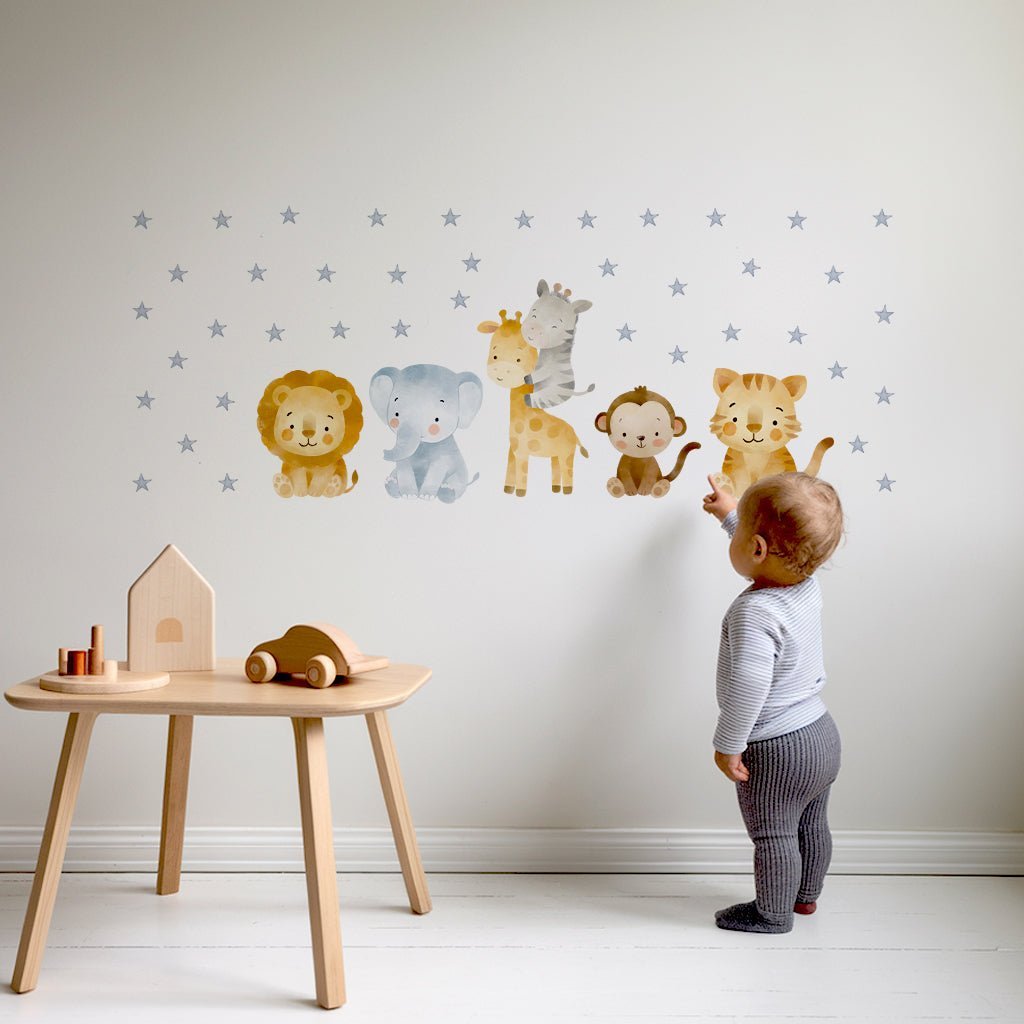
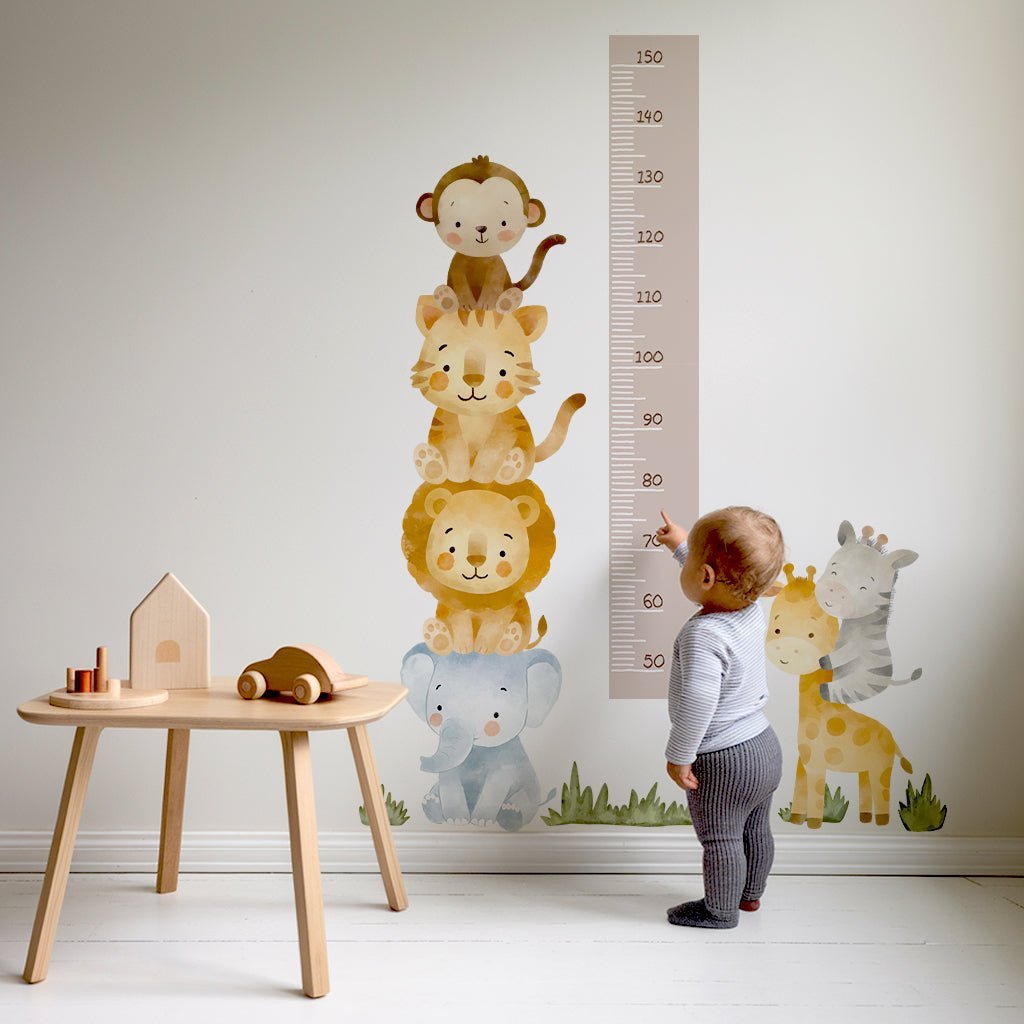
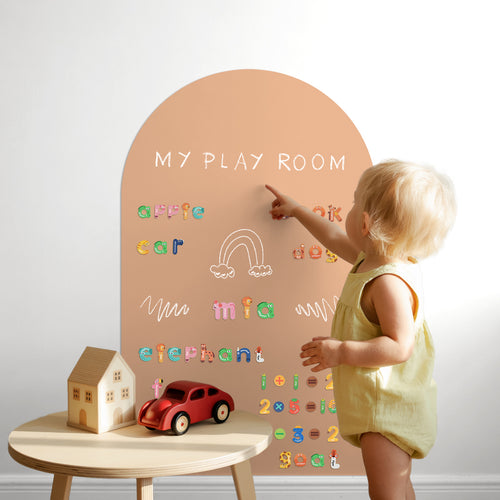
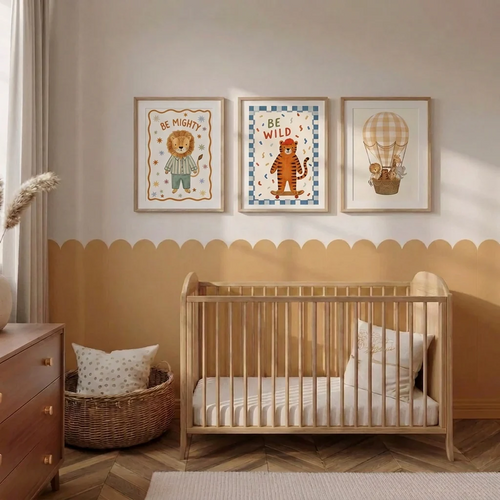
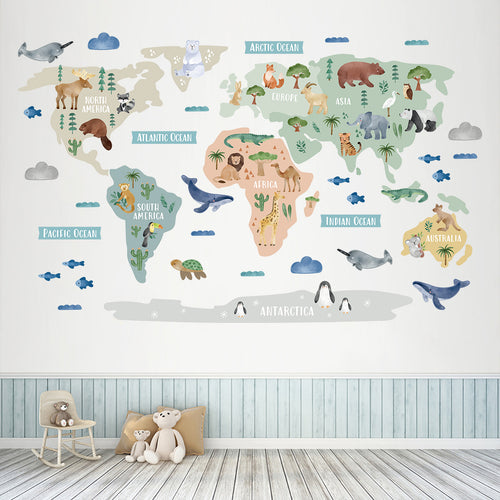
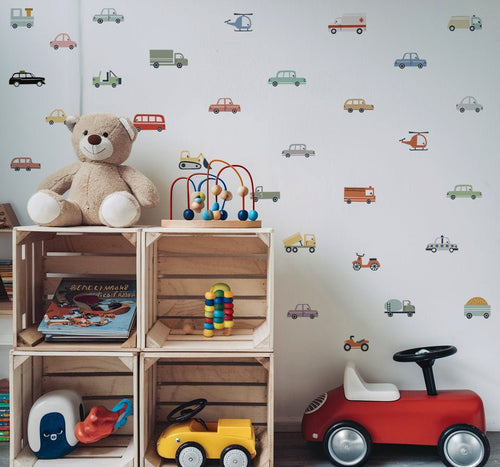
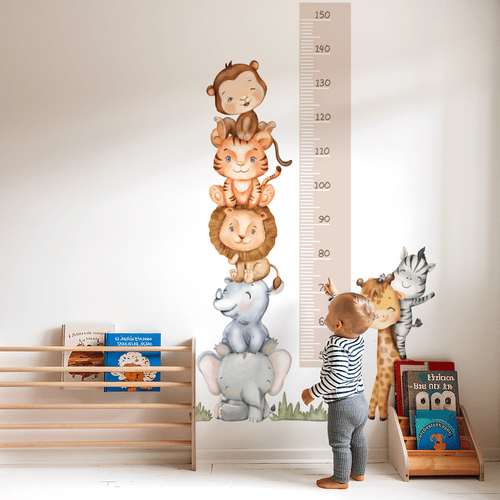
Save by choosing a practical surface for the messiest area rather than replacing every piece of furniture. A cover can protect a tabletop during meals or messy crafts; a second-hand item may also be worth considering if its surface is sound and easy to clean. Spend more attention on the finish and edges of furniture used daily, since worn or damaged areas can be harder to wipe. For a room refresh that leaves the furniture untouched, the Children's Wall Stickers Collection is designed for children’s nurseries and playrooms. The Children's Wall Stickers Collection includes removable, repositionable designs, so you can add colour without choosing a new furniture finish.
The 30-Second Wipe Test and How to Check Any Surface Before You Buy
A quick cloth test can help you judge a finish before you buy or bring a second-hand piece home. It is a practical check for everyday marks, not a guarantee against every stain or a substitute for the maker’s care instructions. Try it on an inconspicuous spot, especially if the surface is painted, coated or already showing wear.
How to run the wipe test on shop-bought or second-hand furniture
Take a clean, soft cloth and dampen it with water. Choose a small area on the underside or back of the furniture, then wipe gently for about 30 seconds. Check whether the cloth lifts dust or a light mark without leaving the surface tacky, cloudy or visibly changed. If the finish feels rough, looks cracked, or transfers colour onto the cloth, ask about its care instructions before buying. On second-hand furniture, inspect corners, edges and joints too, since wear in those places can expose absorbent material.
- Use water first, not a strong cleaner.
- Wipe gently, without scrubbing or soaking the surface.
- Let the test patch dry, then check it in good light.
- Stop if colour transfers or the finish lifts, softens or changes appearance.
Step-by-step DIY: making existing furniture wipeable for under £30
You may be able to refresh a sound tabletop instead of replacing it. A simple cover can protect a table during meals or craft time, while a suitable coating may be an option for furniture whose existing finish needs attention. Materials and prices vary, so check local costs before setting a £30 limit. For any paint or sealant, confirm that it suits the furniture material and intended use, then follow the label closely.
- Clean the surface and let it dry fully. Remove loose dirt, but do not sand a finish that may contain lead unless you have first checked suitable safety guidance.
- For a temporary option, measure the tabletop and choose a wipe-clean cover that fits without loose edges or folds.
- For a coating, prepare the surface as directed by the manufacturer. Apply the recommended product in thin, even coats.
- Allow the stated drying and curing time before putting the furniture back into use. Keep children away during application and while the finish cures.
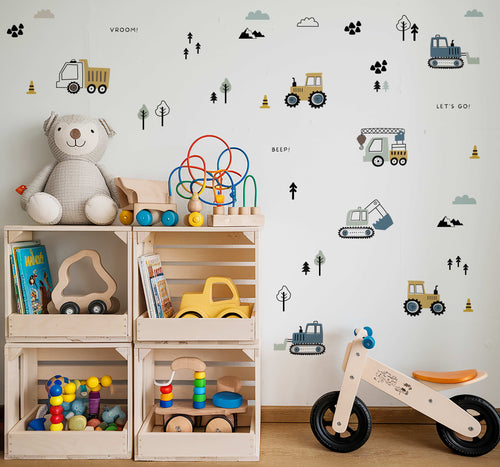
For a child’s room refresh that does not involve coating furniture, the Children's Wall Stickers Collection offers removable, repositionable designs made for nurseries and playrooms. The Children's Wall Stickers Collection can add a playful detail to the wall while you keep a table’s existing finish untouched.
Cleaning dos and don'ts so the finish lasts
For routine cleaning, use a soft cloth with a little water and dry the surface afterwards, particularly around edges and joins. Follow the furniture or finish maker’s instructions if they specify a different method. Avoid abrasive pads, scouring powders and harsh chemicals unless the manufacturer expressly approves them; these can mark or dull some coatings. Do not leave standing water on seams, chipped paint or exposed board. Clean food, drink and paint marks promptly, using gentle pressure rather than repeated hard scrubbing.
Rental-Friendly and Room-by-Room Wipeable Solutions
If you rent, focus on protection you can lift away rather than changes to the furniture or walls. A fitted table cover, washable chair pad or wipe-clean mat can help shield busy surfaces without paint, drilling or a new furniture purchase. Check that covers sit flat and do not slide, bunch up or leave loose corners for little hands to pull. Before using any removable covering, read its care and fitting instructions, and check with your landlord before making changes that could affect the property.
No paint, no drilling: covers, mats and removable options for renters
Removable protection is useful for rented homes because you can take it with you when you move. Choose a cover sized for the tabletop, with edges that stay in place during normal use. A washable fabric cover can be handy for craft time, while a wipe-clean mat is easier to clear after meals. Do not place a loose mat where it could slide under a high chair or create a trip hazard. For furniture coatings or adhesives, check the product instructions and test a hidden area before use.
- Measure the surface before buying a cover or mat.
- Check that it lies flat and can be cleaned as often as needed.
- Keep loose covers away from furniture used for climbing or standing.
- Choose reversible options that can move between rooms as needs change.
Nursery, playroom and desk zone: matching the surface to the space
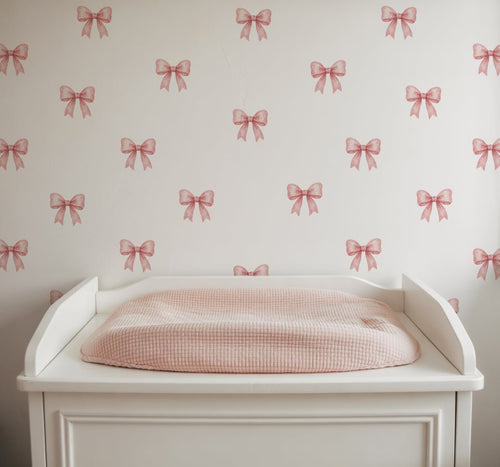
In a nursery, a changing-area surface needs prompt, gentle cleaning and should be used according to the furniture maker’s directions. In a playroom, protect the table where paint, glue and snacks are most likely to land; a removable cover can be easier to manage than treating every piece of furniture. For a desk, look for a smooth top that suits drawing and homework, with edges that remain intact after regular wiping. A single practical surface in the busiest spot often does more for daily tidying than replacing the whole room’s furniture.
Styling wipeable surfaces so the room still feels designed
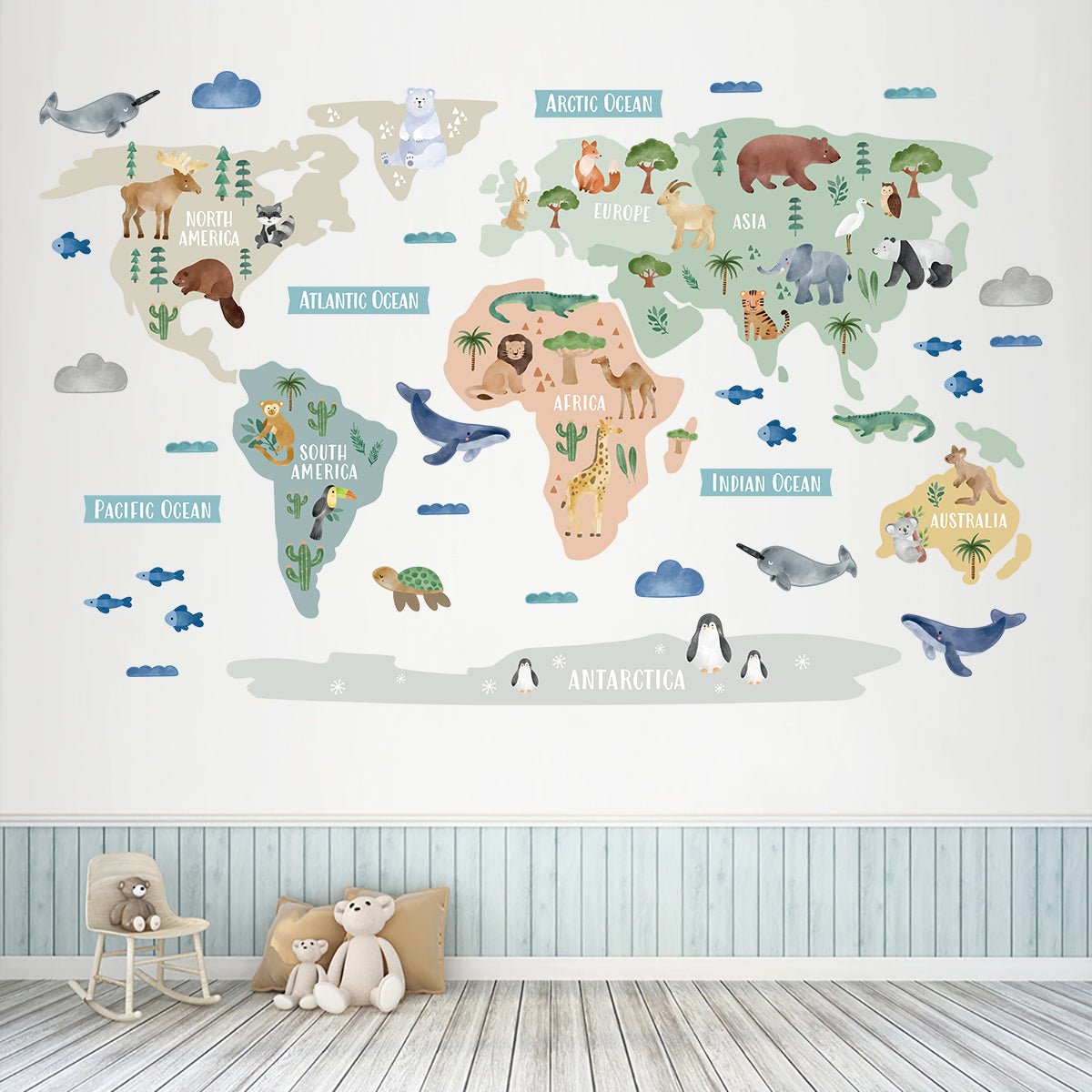
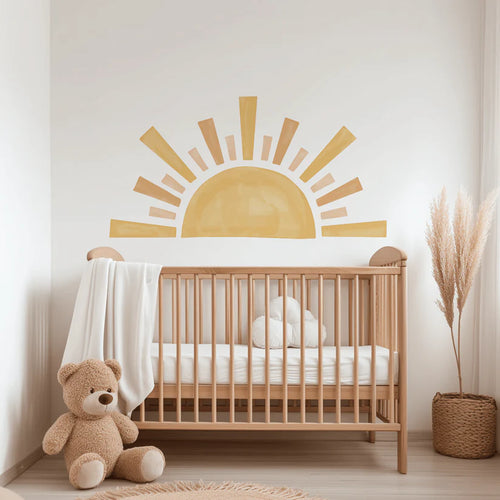
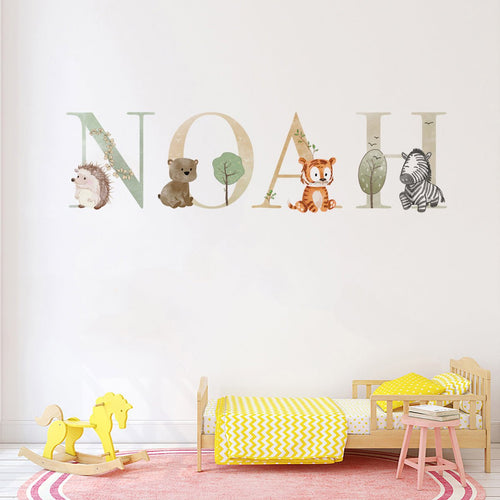
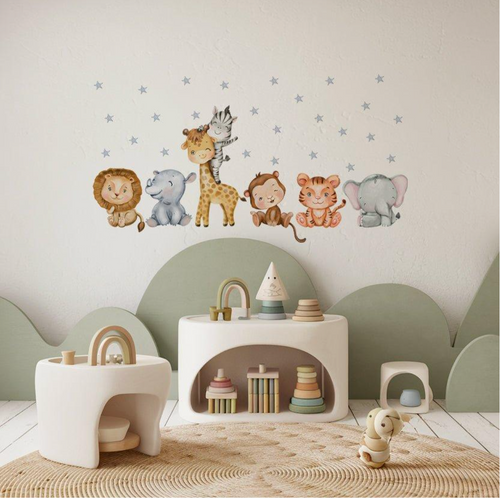
Practical furniture does not have to make a child’s room feel plain. The Children's Wall Stickers Collection is designed for nurseries and playrooms, with options such as forest animals, rainbows, vehicles and personalised names. The wall stickers are easy to remove and reposition, so you can refresh the look as interests shift without painting. The Children's Wall Stickers Collection offers a way to add a playful wall detail while keeping furniture choices focused on easy care.
Common Mistakes and Parent FAQs About Wipeable Furniture

A finish can be easy to clean at first and still fail if it is poorly applied, exposed to unsuitable cleaners or used before it has fully cured. Check seams, corners and edges during routine tidying, since damage often shows there first. If a coating starts lifting, stop scrubbing and follow the maker’s repair or care guidance rather than covering the problem with another layer.
Peeling, bubbling and cracking: how to avoid the three biggest failures
Peeling can follow poor surface preparation or an incompatible coating. Bubbling may appear if a surface is damp or a finish is applied too thickly. Cracking can develop when a coating does not suit the material or flex of the furniture. Follow the product instructions for preparation, application and curing, and avoid soaking joins. For a temporary solution, a well-fitted cover avoids applying a new coating.
What is the most affordable wipeable surface for children's furniture?
Melamine is often a lower-cost option for ready-made furniture, while a wipe-clean cover can be an economical way to protect an existing table. The best-value choice depends on the item’s condition, size and daily use.
Are wipeable surfaces safe for babies and toddlers?
Safety depends on the material, finish and intended use. Follow the maker’s instructions, allow coatings to cure fully, and keep children away during application. For food-contact areas, use only finishes clearly labelled for that purpose.
How do I clean a wipeable table without damaging the finish?
Use a soft, damp cloth and gentle pressure, then dry the surface. Follow the furniture care label and avoid abrasive pads or harsh cleaners unless the maker permits them.
Can I make existing furniture wipeable without buying new?
Often, yes. A removable table cover can protect sound furniture, while a suitable finish may work on a surface that can be prepared safely. Check compatibility and care instructions before starting.
Frequently Asked Questions
What is the most affordable wipeable surface for children's furniture?
Melamine is usually the most affordable wipeable surface, with oilcloth or vinyl covers close behind as low-cost, flexible options. Melamine offers a smooth, easy-to-wipe finish at a lower price band, while a wipeable cover is a budget-friendly way to protect a table during messy mealtimes.
Are wipeable surfaces safe for babies and toddlers?
Yes, wipeable surfaces can be safe for little ones when you choose finishes designed for children's furniture. Look for low-VOC, water-based coatings, follow the maker's drying and curing directions, ventilate the room and keep children away until the finish is fully ready for use.
How do I clean a wipeable table or chair without damaging the finish?
Use a clean, soft cloth dampened with water and follow the maker's care instructions before reaching for anything stronger. Gentle, regular wiping protects sealed finishes like melamine and laminate, and it helps to pay extra attention to edges and joins where wear tends to show first.
Can I make existing furniture wipeable without buying new?
Yes, you can add wipeability to existing furniture with a polyurethane coating or a removable oilcloth or vinyl cover. A coating suits suitable, well-made pieces and sits in a mid-range cost band, while a flexible cover is a quick, budget-friendly short-term option for table tops.
What's the difference between wipeable, washable and waterproof?
Wipeable means you can clean a surface with a damp cloth, washable usually describes fabric that can be laundered, and waterproof means water should not pass through the material. They describe different cleaning needs, so always check the product details rather than relying on a label alone.
How can I test whether a surface is truly wipeable before buying?
Run a simple 30-second wipe test: dampen a clean, soft cloth with water, then wipe a small, inconspicuous spot such as the underside or back of the piece. If everyday marks lift easily and the finish stays intact, it is a practical check, though the maker's care instructions still come first.
Is it cheaper to buy cheap children's furniture or spend a bit more?
A cheap purchase is not always the best value if the finish peels or chips quickly and needs replacing. Weigh the initial cost against likely maintenance and how often the furniture will be used, and spend your attention on the finish and edges of pieces handled every day.