









Key Takeaways
- Alphabet spelling UK helps improve clarity in communication using the phonetic alphabet.
- It supports learning British English spelling patterns aligned with the National Curriculum.
- The approach is useful for both everyday tasks like spelling postcodes and educational purposes.
- It aids children in understanding differences between UK and US English spellings.
Table of Contents
- Transform Learning with Alphabet Spelling UK Wall Stickers
- Core UK Spelling Rules Every Child Should Know
- The UK Phonetic Alphabet for Clear Communication
- British vs American Spelling: Teaching the Differences
- Best Resources and Apps for Alphabet Spelling UK Practice
- Common UK Spelling Pitfalls and Quick Fixes for Confident Kids
- Transform Your Space into a Spelling Playground with Nursery Stickers
- Making Alphabet Spelling UK Learning Stick in Your Home
- Choosing the Right Alphabet Spelling UK Approach for Your Family
- Future-Proofing Your Child's Spelling Skills
Transform Learning with Alphabet Spelling UK Wall Stickers
Picture this: you're on the phone spelling your postcode, carefully enunciating "C for Charlie, O for Oscar" – or helping your little one understand why we write "colour" not "color." Alphabet spelling UK combines these essential skills: mastering British English spelling patterns from the National Curriculum alongside the phonetic alphabet for crystal-clear communication.
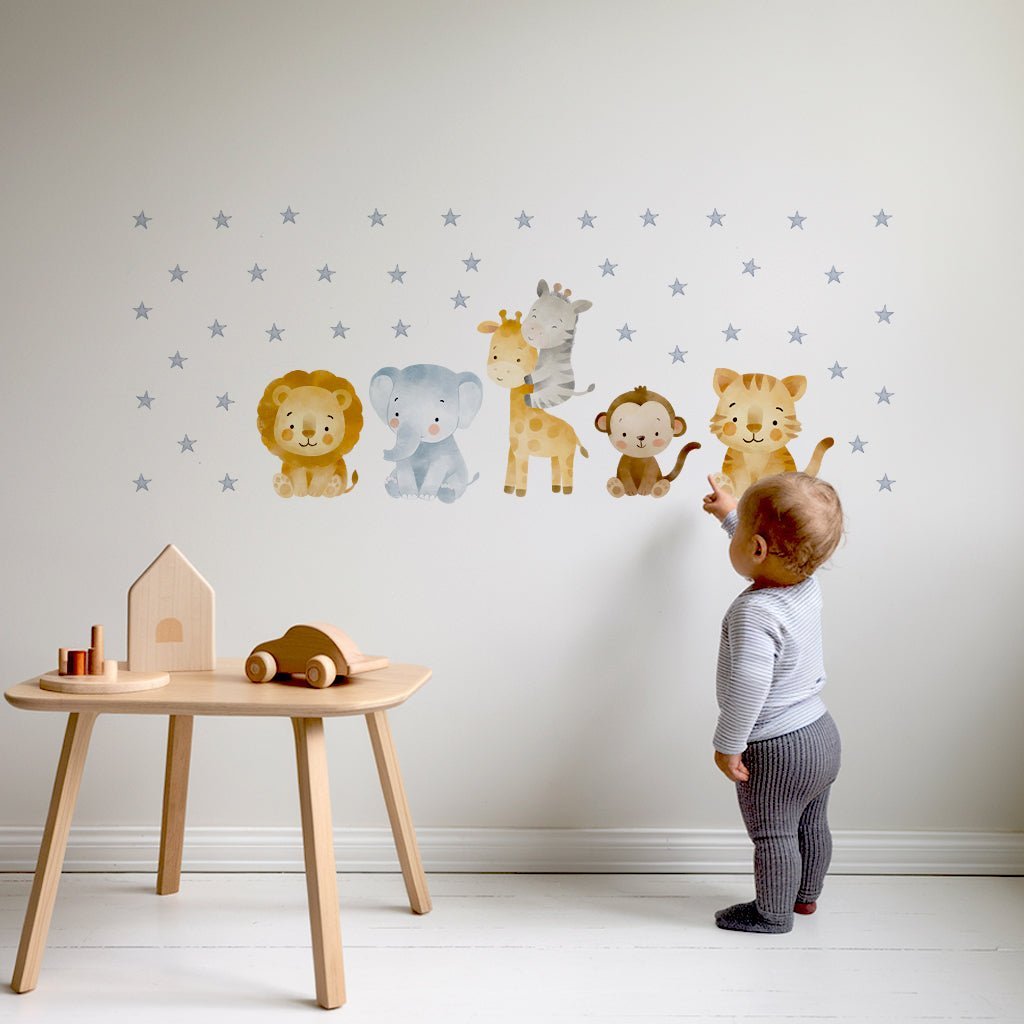
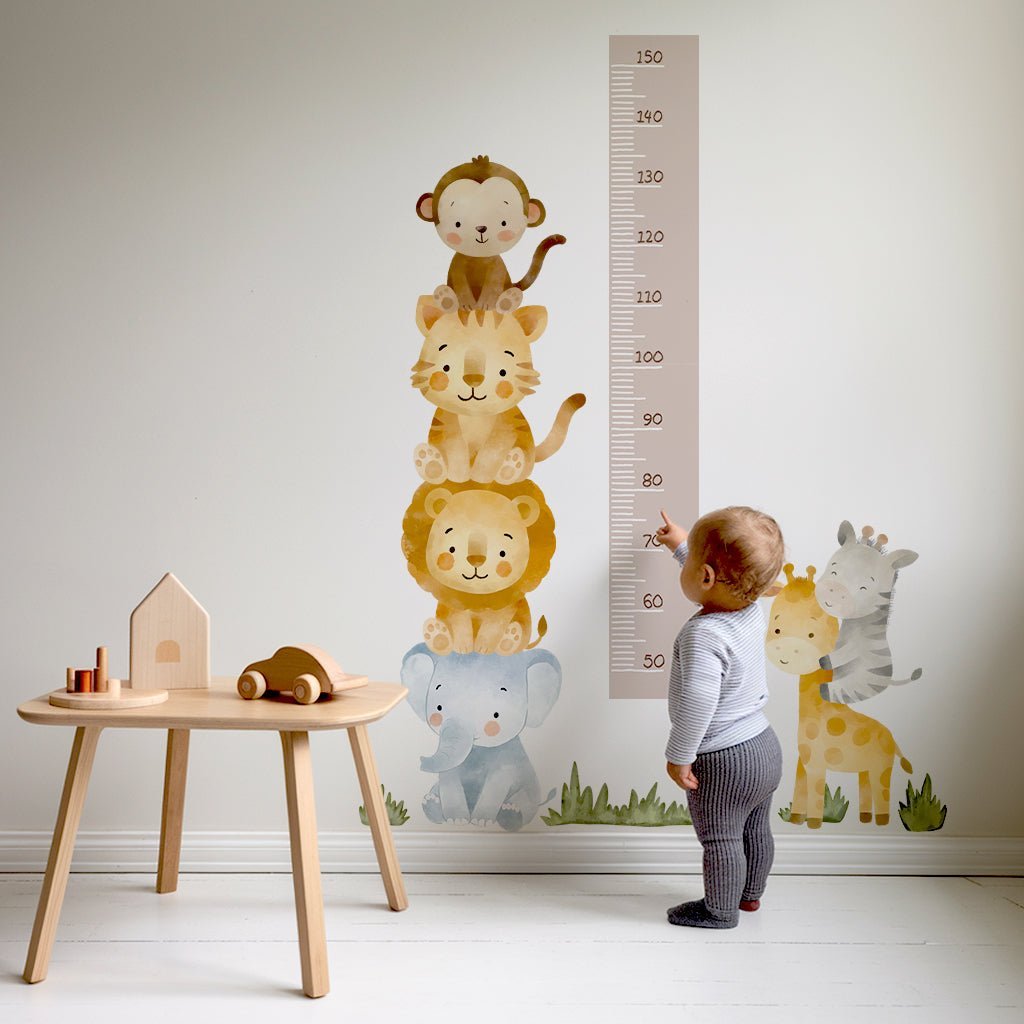
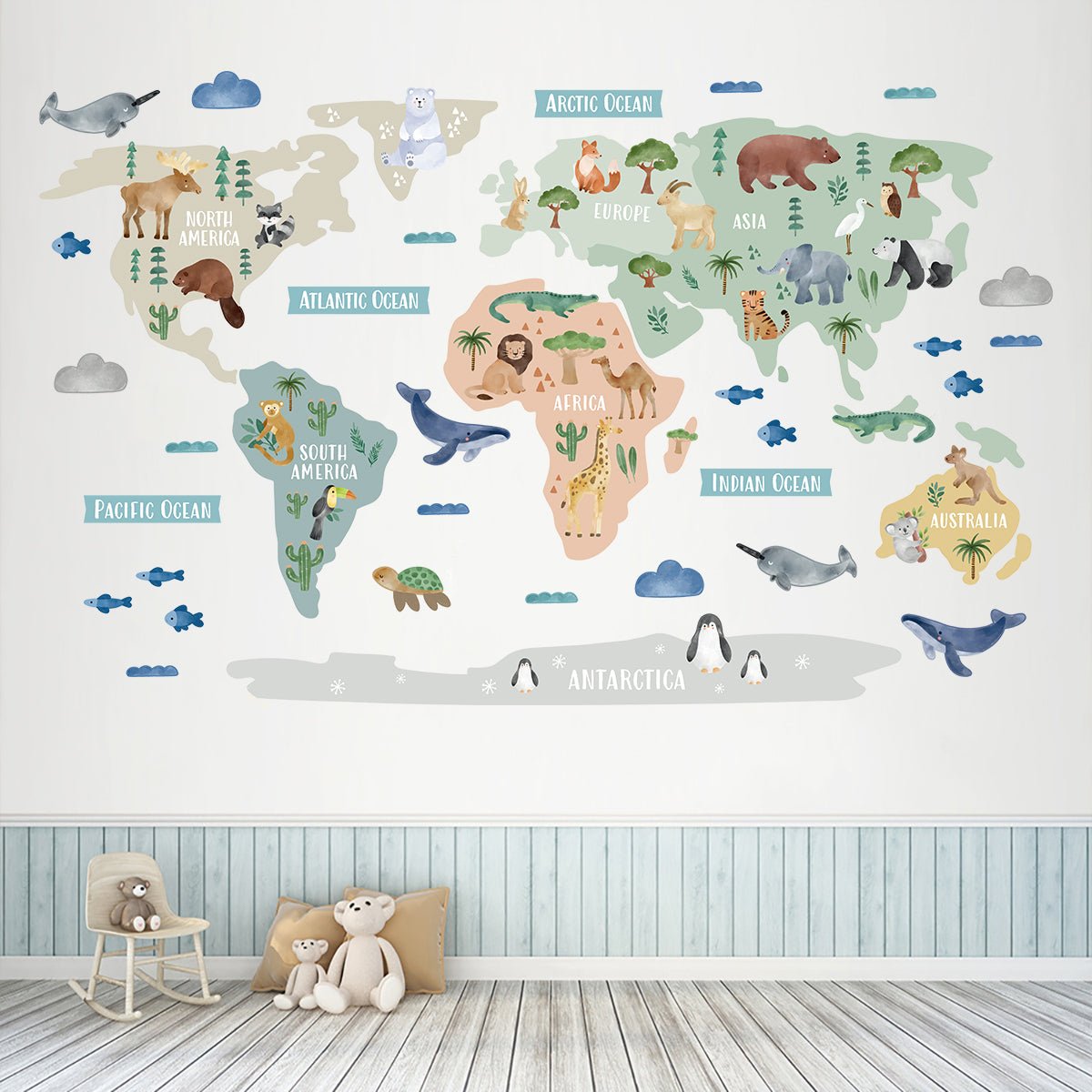
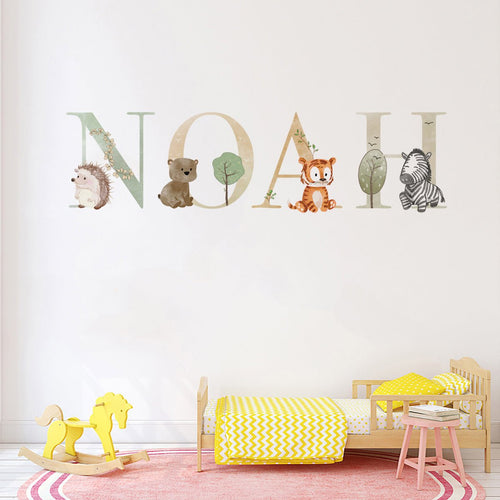
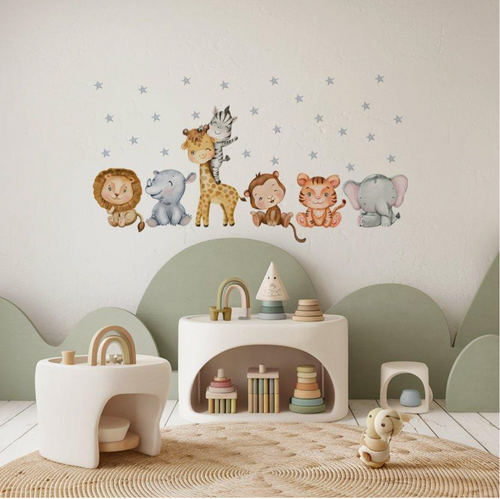
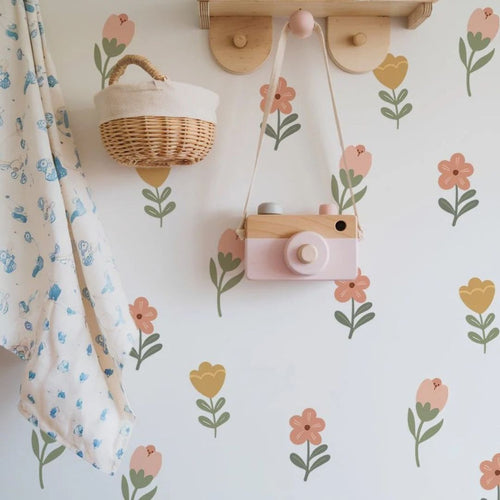
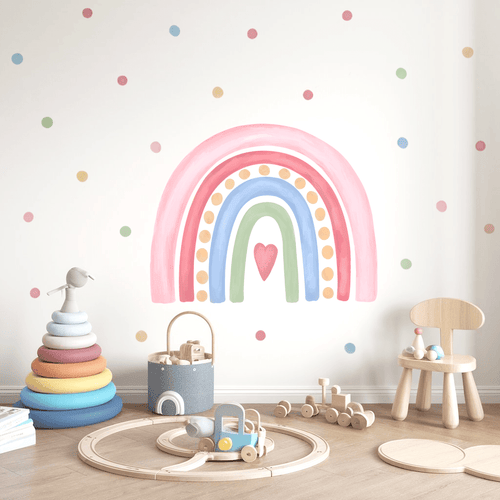
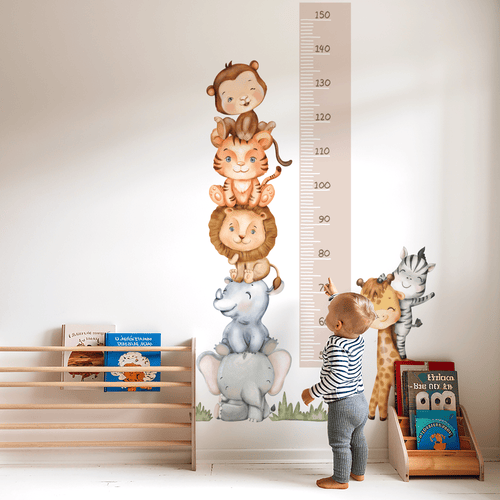
Our removable wall stickers make both systems visual and engaging, turning any nursery or playroom into a learning space that grows with your child. From animal-themed letter charts to phonetic alphabet murals, these premium vinyl and fabric designs apply in minutes and remove without residue – perfect for adapting as interests change from dinosaurs to rainbows to space adventures. For a delightful addition, explore our Animal & Stars Nursery Wall Stickers collection, which brings playful learning to life.
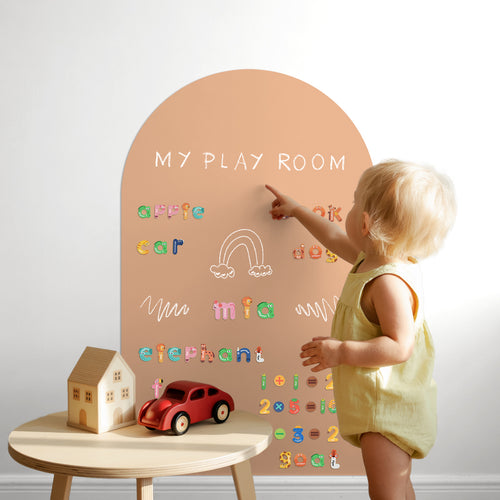
ABC fabric stickers turn any wall into an interactive phonics display that changes with your child's progress. Unlike rigid posters, you can rearrange letters to practice specific patterns – 'ch' digraphs one week, magic 'e' the next.
Alphabet spelling UK covers two key areas: British spelling rules (like doubling consonants in "travelling" and using "ck" after short vowels) plus the phonetic alphabet (Alpha, Bravo, Charlie) for clear verbal communication. Wall stickers make both systems memorable and fun for children aged 4-8.
Core UK Spelling Rules Every Child Should Know

The National Curriculum's Appendix 1 outlines specific patterns that form the foundation of confident spelling. Key rules include doubling consonants after short vowels (ff, ll, ss, zz) and using "ck" instead of "k" after single short vowels – think "duck," "back," and "neck."
These patterns prevent common mistakes like writing "buter" instead of "butter" or "bak" instead of "back." Visual reinforcement through wall displays helps children internalise these rules naturally, making spelling feel intuitive rather than overwhelming.
Essential UK Spelling Patterns
- ff/ll/ss/zz: puff, bell, kiss, buzz
- ck after short vowels: duck, sock, pick
- tch after short vowels: match, fetch, ditch
- dge after short vowels: badge, hedge, ridge
- Magic e: cap → cape, hop → hope
Our alphabet stickers featuring British animals make these patterns memorable – from "puffin" demonstrating the double-f rule to "wellies" showing double-l. Children can trace letters whilst reciting patterns, creating muscle memory alongside visual recognition.
The UK Phonetic Alphabet for Clear Communication
The phonetic alphabet eliminates confusion when spelling aloud, particularly crucial for names, postcodes, and important details. Standard NATO phonetics (Alpha, Bravo, Charlie) provide universal clarity, whilst modified UK versions (Apple, Butter, Charlie) offer simpler alternatives for younger children.
This system prevents common mix-ups like B/P, M/N, or F/S during phone calls or classroom activities. Teaching children both versions builds communication confidence from an early age, whether they're spelling their name to a teacher or helping with family admin.
| Letter | NATO Standard | UK Simplified | Child-Friendly |
|---|---|---|---|
| A | Alpha | Apple | Ant |
| B | Bravo | Butter | Bear |
| C | Charlie | Charlie | Cat |
| D | Delta | David | Dog |
| E | Echo | Edward | Elephant |
Wall-mounted phonetic charts serve dual purposes: teaching clear communication whilst adding educational décor. Our removable animal phonetic stickers let children point and practice daily, building familiarity with both formal and playful versions.
British vs American Spelling: Teaching the Differences
UK spelling maintains distinct patterns that reflect our linguistic heritage: "colour" not "color," "centre" not "center," and "travelling" with double-l. These differences matter for school success and cultural identity, particularly for families moving between countries or consuming American media.
Key distinctions include -our endings (colour, flavour, honour), -re endings (centre, theatre, metre), and consonant doubling in past tense (travelled, cancelled, modelled). Teaching these patterns early prevents confusion later in formal education.
Essential UK vs US Differences
-our vs -or: colour/color, favour/favor
-re vs -er: centre/center, theatre/theater
Double consonants: travelling/traveling, cancelled/canceling
-ise vs -ize: realise/realize, organise/organize
Our British spelling stickers reinforce correct patterns through visual association – rainbow "colour" wheels, "theatre" masks, and "centre" displays help children remember the UK versions in a fun, memorable way.
Best Resources and Apps for Alphabet Spelling UK Practice

Finding the right tools to support your child's alphabet spelling UK journey doesn't need to break the bank or overwhelm your phone storage. The most effective resources align with the UK National Curriculum whilst keeping little ones engaged through play-based learning.
Top digital picks: Letters and Sounds (government-backed phonics programme), Phonics Hero (£4.99/month, covers all UK spelling patterns), and the free Teach Your Monster to Read app. These apps specifically teach British spelling rules like 'ck' after short vowels and double consonants in words like 'hopping'.
Quick Win: Download the government's Appendix 1 spelling PDF, then create wall displays using our removable alphabet stickers. Pair 10 minutes of app time with tactile wall tracing – children retain 65% more when combining digital and physical learning.
Physical resources work brilliantly alongside apps. For more inspiration, check out these affordable nursery sticker ideas UK to create a playful and educational environment at home.
Common UK Spelling Pitfalls and Quick Fixes for Confident Kids
Every parent watching their child tackle British spelling recognises these stumbling blocks: 'wierd' instead of 'weird', 'prefered' rather than 'preferred', or confusion over when to use 'ck' versus 'k'. These aren't random mistakes – they follow predictable patterns you can address with targeted visual cues.
The doubling dilemma trips up most children. UK rules state: double the consonant when adding suffixes to short vowel words ending in a single consonant (hop → hopping, but hope → hoping). Create a simple wall reminder using our transport stickers – 'running bus' reinforces the double 'n' rule instantly.
Silent letters cause particular frustration. Words like 'light', 'knight', and 'enough' seem to follow no logic until children spot the patterns. The 'igh' combination always makes the long 'i' sound, whilst 'gh' at word endings often stays silent. Position our night sky stickers featuring 'light' and 'bright' where children see them daily.
| Common Mistake | UK Rule | Memory Trick | Sticker Solution |
|---|---|---|---|
| bak vs back | CK after short vowels | Quick duck says 'ck' | Duck pond scene |
| wierd vs weird | EI exceptions (seize, weird) | Weird aliens seize spaceships | Space adventure set |
| prefered vs preferred | Double R before -ed | Short vowel = double up | Action verb animals |
| enuf vs enough | GH silent at endings | Tough enough elephants | Safari animal collection |
Inclusive learning tip: British Sign Language fingerspelling supports visual learners beautifully. Our printable BSL alphabet charts (applied as removable stickers) help children who struggle with traditional phonics approaches. The two-handed fingerspelling system used in the UK differs from American one-handed signing – another reason to choose UK-specific resources. For a deeper dive into creative wall solutions, see our guide on wall art decals UK.
Transform Your Space into a Spelling Playground with Nursery Stickers
The most effective alphabet spelling UK learning happens when children encounter words naturally throughout their day. Rather than cramming during formal 'lesson time', create an environment where British spelling patterns surround them during play, bedtime stories, and daily routines.
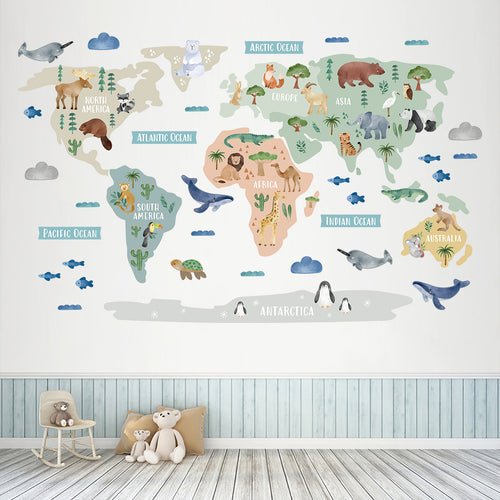
Our phonetic animal collection (£29.99, covers 2m²) turns any wall into an interactive spelling resource. Each animal represents both a letter and a key UK spelling pattern – 'Alligator' for the short 'a' sound, 'Elephant' for the 'e' phoneme, 'Iguana' demonstrating the short 'i'. Unlike static wall charts, these premium vinyl stickers peel off cleanly when your child masters each sound or develops new interests.
The beauty of removable wall stickers lies in their flexibility. When your four-year-old obsesses over dinosaurs, create prehistoric spelling scenes featuring 'Triceratops' for the 'tr' blend. Six months later, as their interests shift to space exploration, swap seamlessly to rocket ships and astronauts teaching the same phonetic principles. Each transformation takes under three minutes and leaves zero residue – perfect for rental properties or evolving tastes. You might also enjoy our article on alphabet letter stickers for more creative ideas.
Ready to make alphabet spelling UK stick? Browse our themed collections designed specifically for British learners. From woodland creatures teaching silent letters to rainbow patterns reinforcing colour/color distinctions, every design supports the UK National Curriculum whilst creating magical spaces your child will love exploring.
Making Alphabet Spelling UK Learning Stick in Your Home

Success with alphabet spelling UK comes down to consistency rather than intensity. The families who see the fastest progress create environments where British spelling patterns become part of daily life, not separate study sessions that feel like work.
The most effective approach combines structured phonics learning with environmental reinforcement. When children encounter the same spelling patterns on their bedroom walls, during app-based games, and in bedtime stories, neural pathways strengthen through repetition across different contexts. Our removable wall stickers excel here because they bridge the gap between formal learning and natural discovery.
Parent Success Formula: Start with 5 core UK spelling patterns (ck after short vowels, double ll/ff/ss, magic e, ch/tch distinction, and ar/or sounds). Master these through wall displays before introducing complex rules like silent letters or suffix patterns.
The beauty of focusing on UK-specific spelling lies in building confidence early. Children who master British patterns from the start avoid the confusion that comes from mixing American spellings encountered online or in imported books. When your six-year-old confidently writes 'colour' and 'favourite' whilst their peers struggle with inconsistent exposure, you've given them a lasting academic advantage.
Looking ahead, the UK curriculum increasingly emphasises morphology – understanding how word parts combine to create meaning. Wall displays that can evolve from basic phonics (cat, bat, hat) to morphological patterns (happy, unhappy, happiness) provide the perfect foundation for advanced literacy skills. This flexibility makes removable stickers a wise long-term investment rather than a temporary teaching aid. For further reading on how children learn the alphabet, see this overview of alphabet learning in children.
Choosing the Right Alphabet Spelling UK Approach for Your Family
Every child's spelling journey unfolds differently, but certain approaches consistently deliver stronger results for mastering British patterns. The most successful families combine visual, auditory, and tactile learning rather than relying on single methods.
For children aged 4-6, prioritise pattern recognition over memorisation. British spelling follows logical rules 85% of the time – teaching these patterns through engaging wall displays creates lasting understanding. Children who learn 'ck comes after short vowels' through interactive sticker games apply this rule automatically to new words, whilst those who memorise individual words struggle with unfamiliar spellings.
Older children (7+) benefit from understanding spelling history alongside patterns. Why do we write 'night' with a silent 'gh'? Because Middle English pronounced it differently. This context transforms frustrating exceptions into fascinating discoveries, especially when supported by themed wall displays that tell spelling stories visually.
The rental-friendly advantage of removable stickers cannot be overstated for modern families. Traditional wall charts or painted murals create permanent commitments that don't suit children's evolving interests or families' changing living situations. Premium removable materials offer the visual impact of custom decoration with the flexibility of temporary displays.
Consider your child's learning style when designing their spelling environment. Visual learners thrive with colour-coded pattern displays, whilst kinesthetic learners need touchable elements they can rearrange. Our fabric-textured stickers provide both visual appeal and tactile engagement, supporting multiple learning preferences simultaneously. For more on the science behind letter learning, read this research on building the foundations of literacy.
Future-Proofing Your Child's Spelling Skills
As digital communication evolves, strong foundation skills in alphabet spelling UK become more valuable, not less. Children who master British spelling patterns early adapt more easily to formal writing requirements throughout their education and professional lives.
The upcoming changes to UK assessment emphasise spelling accuracy within creative writing contexts rather than isolated tests. This shift rewards children who internalise patterns through environmental learning – exactly what well-designed wall displays achieve. When spelling becomes automatic through daily exposure, children focus their conscious attention on expressing ideas rather than remembering letter combinations.
Technology integration will continue expanding in education, but handwriting and spelling accuracy remain crucial skills. The most successful approach combines digital tools for engagement with physical displays for retention. Removable wall stickers bridge this perfectly – they provide the visual consistency children need whilst allowing updates that match technological advances in spelling education.
Investment in quality learning environments pays dividends beyond primary school. Children who grow up surrounded by correct British spelling patterns develop intuitive understanding that supports them through secondary education, university applications, and professional communication. The confidence that comes from spelling mastery influences overall academic performance and self-perception as learners.
Creating flexible, beautiful learning spaces with alphabet spelling UK focus transforms daily routines into educational opportunities. When children wake up surrounded by carefully chosen patterns, brush teeth beside phonetic displays, and fall asleep looking at spelling stories, learning becomes effortless and natural. This environmental approach, supported by premium removable wall stickers, offers the perfect foundation for lifelong literacy success.
Frequently Asked Questions
How does Alphabet Spelling UK help children learn British English spelling patterns?
Alphabet Spelling UK highlights key British English spelling patterns aligned with the National Curriculum, making it easier for children to recognise and practise rules like doubling consonants or using 'ck' after short vowels. This approach supports their understanding of correct spelling in everyday words, helping build confidence and accuracy.
What are some core UK spelling rules that children should know according to the National Curriculum?
Children should learn rules such as doubling consonants after short vowels (like 'ff' in 'cuff' or 'll' in 'bell') and using 'ck' instead of 'k' after single short vowels, as in 'duck' or 'neck'. These patterns help prevent common mistakes and form a solid foundation for spelling.
How can the UK phonetic alphabet improve clarity in verbal communication, especially for spelling postcodes and names?
The UK phonetic alphabet uses clear, standard words like 'Charlie' for C and 'Oscar' for O to avoid confusion when spelling out postcodes or names over the phone. This makes communication more precise and reduces misunderstandings, especially in noisy or busy situations.
What are the benefits of using Alphabet Spelling UK wall stickers in a child's learning environment?
Alphabet Spelling UK wall stickers turn spelling and phonics into a fun, interactive experience by making key rules and the phonetic alphabet visible and engaging. They’re removable and rearrangeable, so you can adapt the learning space as your child’s skills and interests grow, all without damaging walls or creating mess.
2026 Update: What to Recheck Before Acting on spelling alphabet uk
This refresh adds a current decision framework for readers comparing options around spelling alphabet uk. Recheck the offer, implementation requirements, pricing model, support expectations, and proof points before choosing a provider or product.
For the best result, compare practical fit instead of relying on feature lists alone: how quickly the solution can be implemented, what data or integrations it needs, where it creates measurable value, and whether it fits the workflow your team will actually use.