



Alternatives to painting Trofast drawers with patterns?
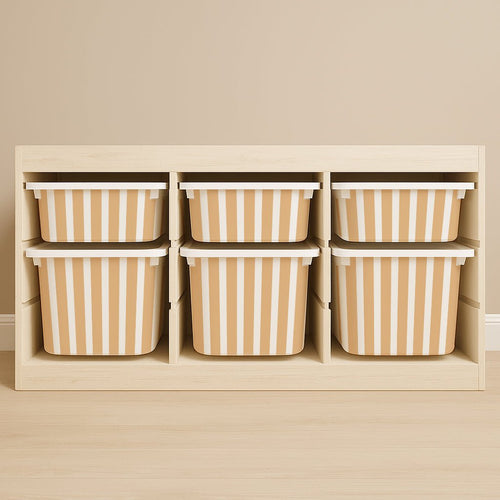
Alternatives to painting Trofast drawers with patterns include decals, furniture film and patterned tape. These surface-applied options avoid sanding, primer and drying time, and are easier to change than paint. The right choice depends on how much handling the bins get, how much effort you want to put in and whether you want a full pattern or a playful detail.
Key Takeaways
- Surface-applied options like decals and furniture film skip the sanding and drying time that painting demands, so you can refresh the drawers in an afternoon.
- Removable stickers are a lovely choice for Trofast bins because they peel away cleanly when your little one's tastes change from dinosaurs to rainbows.
- Think about how much handling the drawers get each day, as heavily used bins need options that can cope with sticky fingers and everyday wear.
- Patterned tape works well if you want a playful border or detail, while full-coverage film or a set of decals suits a bolder feature look.
- Whichever option you pick, you keep the flexibility to swap the pattern whenever you like, which paint simply can't offer.
As Nursery Stickers’ founder, I know children’s rooms need to keep up with changing interests. Here’s how to weigh seven no-paint approaches for Trofast drawers, with practical notes on application, cost and likely wear.
Why Parents Skip the Paintbrush: The Case for No-Paint Trofast Patterns
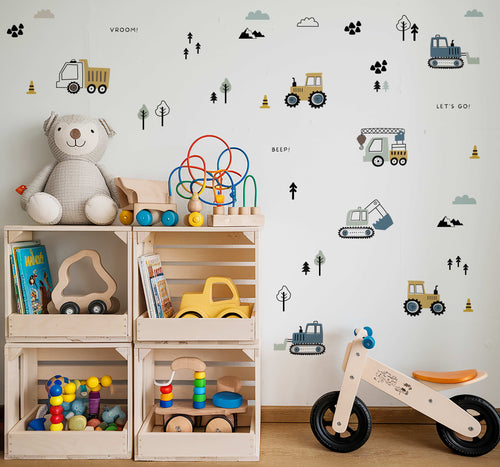
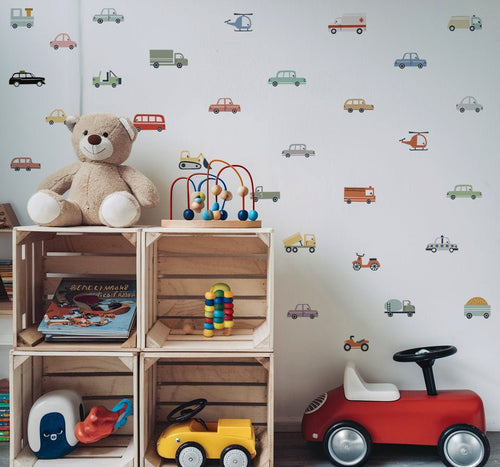
For a quick pattern on a bin front, use a decal made for decorating or labelling Trofast storage. Other options include furniture film, fabric, wallpaper offcuts and tape. These skip the paint-preparation routine, though grip and lifespan depend on the surface, placement and everyday use. If you want a vehicle theme, Car Stickers For Ikea Trofast Drawers are designed for the fronts of IKEA Trofast drawers or bins.
What the Trofast range is and why it's the UK's favourite toy storage
Trofast is a modular storage system: frames hold insertable plastic boxes or shelves, with designs including tall, low and room-divider styles. The system is made for accessible toy storage, so children can reach their playthings and help put them away. Bins come in several sizes and colours; the research source Handmakes Home reports four sizes and up to five colours. That variety makes it possible to organise blocks, toy cars or dressing-up bits separately, then add a pattern to the drawer fronts without redoing the whole room.
Why painting Trofast drawers is harder than it looks
Painting sounds simple until the prep begins. Plastic needs a suitable surface treatment for paint to adhere, while the pine frames arrive with a tinted clear acrylic lacquer that Handmakes Home says must be sanded before staining. Painted finishes may need two coats and a couple of days to cure, according to Elizabeth Joan Designs. That means sanding dust, masking, drying space and a longer wait before toys go back in. A colour choice that misses the mark can mean starting again.
What every pattern method needs to achieve
Judge each idea by five things: effort, upfront cost, resistance to scuffs, ease of removal and suitability for a child’s room. Think about placement, too: a front panel gets more fingers and knocks than a bin’s inner wall. No single finish suits every household, and a low-cost craft material may need more frequent repairs than a fitted covering. Aim for a cheerful pattern that stays put through ordinary use and can be changed without committing to a painted makeover.
7 No-Paint Ways to Add Patterns to Trofast Drawers (Compared)

These methods range from a small decorative detail to a covered drawer front. Costs depend on what you already own, the amount of material needed and the finish you choose. Before applying anything, check that it suits the bin surface and test a small, discreet area.
| Method | Effort | Cost guide | Wear and changing it | Best for |
|---|---|---|---|---|
| Wall stickers or decals | Low | Varies by set | Depends on surface and handling | A quick themed front |
| Furniture film or vinyl wrap | Medium | Varies by coverage | Can cover more area; edges may catch | A broader pattern |
| Fabric panels or decoupage | Medium to high | Low if using scraps | Finish depends on fixing method | Using leftover fabric |
| Wallpaper offcuts | Medium | Low if using offcuts | Loose edges may wear | Matching a room scheme |
| Washi or patterned tape | Low | Low to medium | May need replacing with use | Simple stripes or grids |
| Contact paper or drawer liner | Medium | Varies by roll | Coverage and grip vary | Repeating a pattern |
| Labels, tags and handle details | Low | Low to medium | Small details can be refreshed | Practical personalisation |
-
1. Patterned wall stickers and decals on drawer fronts
Plan the layout on the front, then apply the pieces according to their supplied guidance. This is a quick route to a clear motif without covering the whole bin. Car Stickers For Ikea Trofast Drawers provide a car-themed option designed for labelling or decorating these fronts. Adhesion over time depends on the bin’s surface and how often little hands touch it, so check the product guidance before use.
-
2. Furniture film and vinyl wraps
Measure the flat front, cut the film with a little allowance, then smooth it down gradually to limit trapped air. Film can create a more continuous finish than separate motifs, though careful trimming takes patience. Spend varies with the roll and area covered. Edges and corners are likely wear points, so this suits adults who want a larger patterned panel and are happy to take care with fitting.
-
3. Fabric panels and decoupage inserts
Cut fabric to the front-panel shape and attach it with a method suitable for the bin material. Decoupage can use paper or fabric scraps, but involves more steps and a finishing layer. Check that the materials are suitable for plastic before starting. This can be an inexpensive way to use leftovers; it is less convenient if you want to swap designs often.
-
4. Wallpaper offcuts as bin liners and front panels
Use a piece as a removable-looking insert inside a bin, or cut it to decorate the outer front. Measure before cutting and secure it with a fixing method suited to the surface. Offcuts keep material costs down and can echo a room’s existing print. A loose panel inside may shift as toys go in and out, so reserve it for lighter use or check it regularly.
-
5. Washi and patterned tape grids
Mark a simple layout, then apply strips as stripes, checks or borders. Tape is inexpensive if you need only a small amount and takes little time to place. Its edges may lift with frequent handling, so it works best as a decorative accent rather than a full-front covering on a heavily used bin. Test how it behaves on the plastic before making a complete grid.
-
6. Patterned contact paper and drawer liners
Cut a panel to size and smooth it onto the front, or use a liner inside the bin if the material is intended for that purpose. A roll can provide repeated motifs across several fronts, though the total spend depends on its size and pattern. Check the product’s surface guidance and allow time to align the print. Corners and edges may need attention as the bin is handled.
-
7. Labels, name tags and handle upgrades as a finishing touch
Add a name tag or patterned label beside the handle to give each drawer personality while keeping contents easy to find. This uses less material than covering a front, and labels can support tidy-up routines by marking blocks, cars or soft toys. Keep any added detail secure and appropriate for your child’s age; small parts should be kept out of reach when they pose a choking risk.
How to Apply Patterned Stickers to Trofast Plastic So They Actually Stick
Good preparation gives a sticker a fair chance of gripping the bin, but results depend on the plastic surface, the sticker and how often the drawer is handled. Start with a clean, fully dry front; avoid dust, grease and dampness. The Car Stickers For Ikea Trofast Drawers are designed to decorate or label IKEA TROFAST drawer and bin fronts. Follow the product guidance, and test a discreet spot if you are unsure how the surface will respond.
The two-minute prep: clean, degrease, dry
Wipe the area with a soft cloth and a mild cleaning solution, then remove any cleaner with a clean, slightly damp cloth. Dry the front thoroughly before application. Skip oily sprays, polish and abrasive pads: residue can interfere with contact, while rough scrubbing may mark the plastic. If the bin is new, a quick wipe still helps clear dust from storage or handling.
Step-by-step application on flat and curved bin fronts
Work at room temperature and place the bin on a stable surface. Before peeling anything, check the design’s position against the handle and any raised edges. Apply slowly, smoothing from the centre towards the sides with your fingertips or a soft cloth. On a curved front, work in small sections and follow the curve rather than stretching the sticker. Avoid tugging or repositioning repeatedly, which can affect how well it lies against the surface.
- Clean the front and let it dry completely.
- Arrange the design in place before removing its backing.
- Apply from the centre outwards, pressing gently as you go.
- Check the edges, then leave the bin undisturbed in line with the supplied guidance.
Troubleshooting peeling corners, bubbles and curved edges
If a corner lifts, pause and check for dust, moisture or a crease rather than pressing harder straight away. Smooth a small air bubble towards the nearest edge. If the front has a deep curve or moulded ridge, keep the design on the flatter area instead of forcing it around the shape. Do not use extra glue or heat unless the sticker maker specifically recommends it, as these could affect the finish or the bin.
What we learned after weeks of toddler use
We can’t claim a set lifespan for a sticker on every TROFAST bin: surface condition, placement and repeated contact all matter. During the first few weeks, check the edges during tidy-up and notice whether little hands tend to pick at a particular spot. If a design starts lifting, stop your child from pulling at it and follow the maker’s advice. Car Stickers For Ikea Trofast Drawers offer a playful way to mark toy storage, but always use and maintain them according to their supplied guidance.
Choosing Patterns That Suit Your Nursery (Without the Room Feeling Busy)
A good drawer pattern should feel connected to the room, not compete with every other detail. Start with one colour or motif already in the nursery, then decide whether the bins should echo it or add a small contrast. If your child’s tastes change, a smaller patterned area is easier to update than a whole set of matching fronts. For a vehicle theme, Car Stickers For Ikea Trofast Drawers are designed for decorating or labelling IKEA TROFAST drawer and bin fronts. Check the supplied product guidance before use.
Match the pattern to your theme: rainbow, safari, pastel or cottage
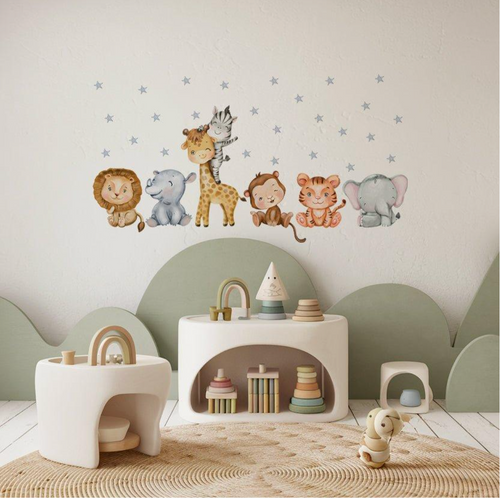
For a rainbow room, choose one or two colours from the wall art and repeat them on the drawer fronts. Safari décor can work with a single animal motif or a leafy print, while a pastel scheme often suits soft shapes and fine stripes. In a cottage-style nursery, small florals or checks can pick up a wallpaper detail without covering every bin. Keep the pattern’s scale in mind: a large print can look crowded on a small front, while tiny repeats may disappear across the room.
Mixing plain and patterned bins for a calmer look
Leave some fronts plain so the eye has somewhere to rest. One patterned row among plain bins can make a feature without turning the storage unit into the room’s busiest spot. You could also pattern the bins holding favourite toys and keep everyday basics in unmarked colours. This works well if the frame has several drawers: the pattern stays visible without covering every surface.
Coordinating drawer patterns with wall stickers and décor
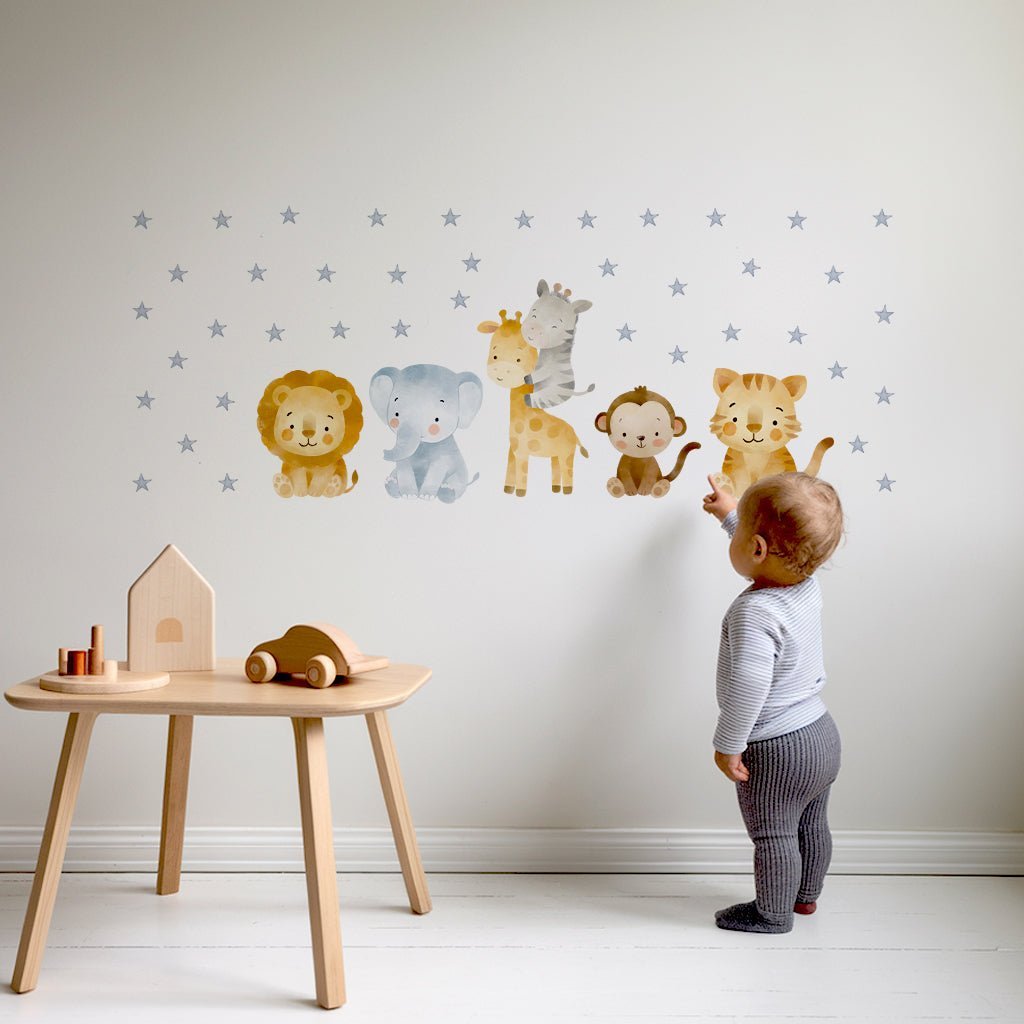
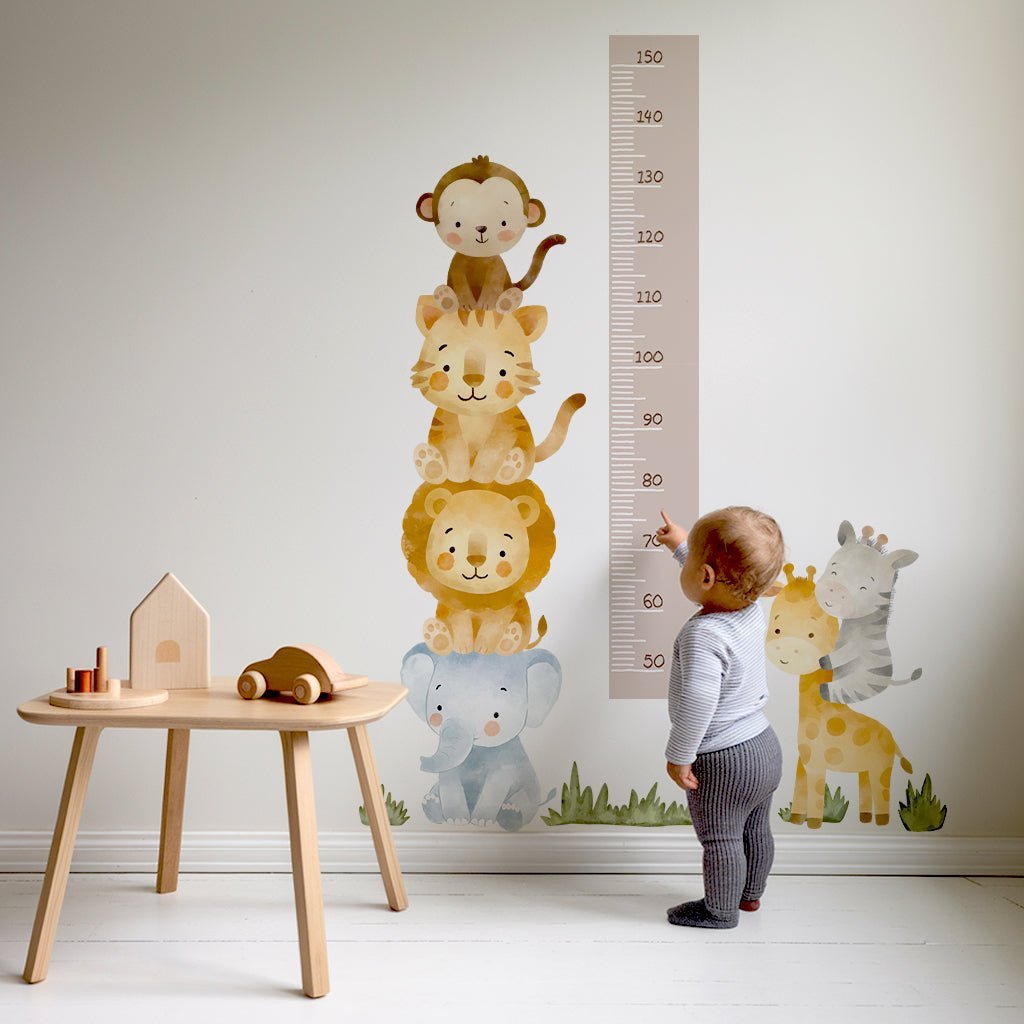
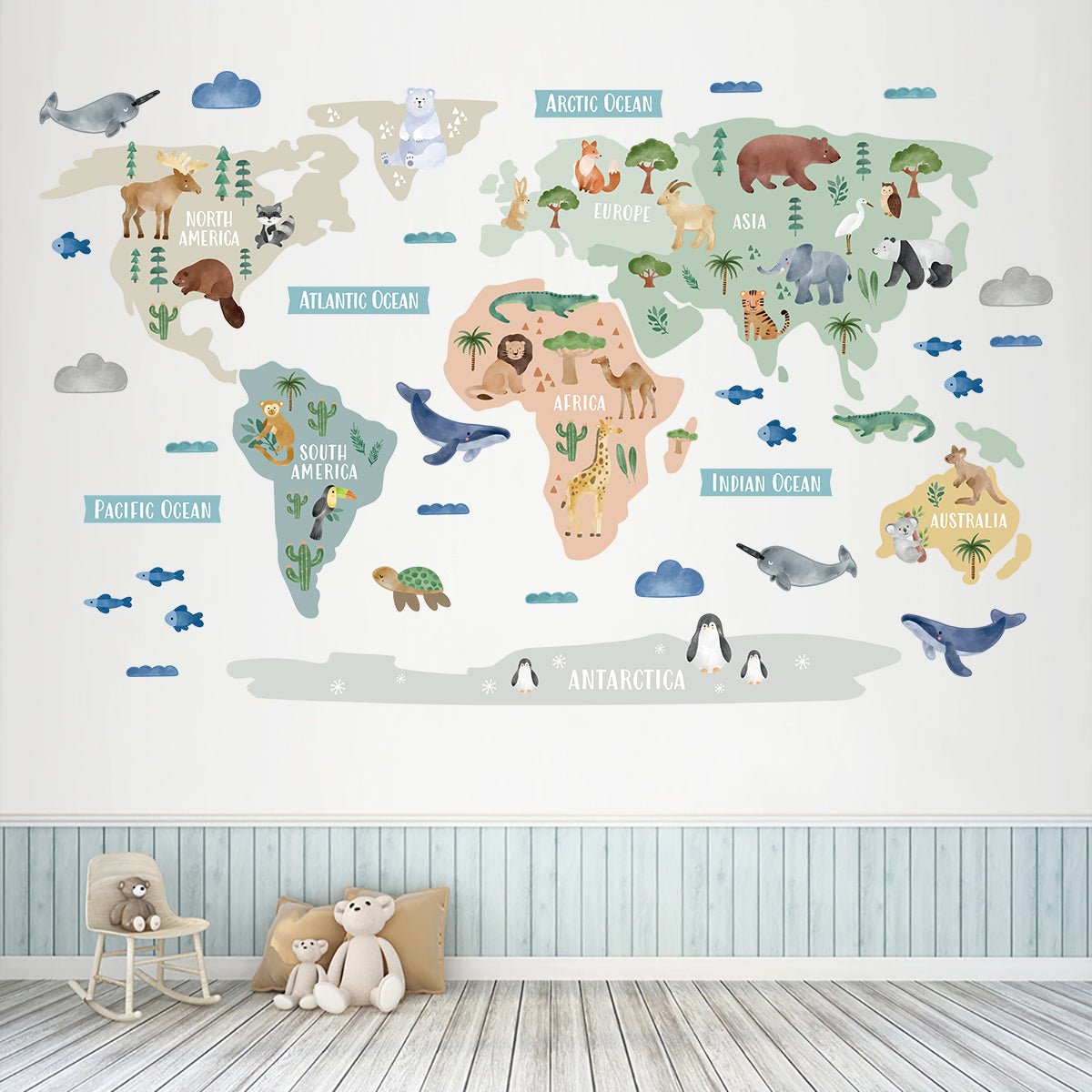
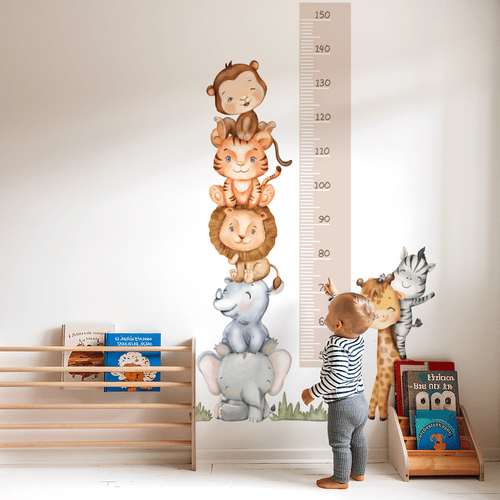
When the walls already have a bold feature, use a simpler drawer detail, such as a small motif, border or label. If the walls are mostly plain, a repeating drawer pattern can bring character lower down, at child height. Keep the number of prints limited and vary their scale: pair one larger wall motif with smaller drawer details, rather than using two competing large patterns. The exact-name Car Stickers For Ikea Trofast Drawers can be considered for a transport-themed scheme, while the rest of the room stays quieter.
Costs, Safety and Your No-Paint Questions Answered

The lowest-cost choice depends on what you already have at home and how much of each bin you want to cover. A small accent needs less material than a full-front finish. Use the table as a planning guide, not a quote, and check current prices before buying. Handmakes Home reports Trofast frames at around £45 for black or white and around £80 for pine, with one complete storage set-up costing just over £200. Those figures describe the storage, not the cost of a pattern treatment.
Cost breakdown: paint vs stickers vs film vs replacement bins
| Option | Cost planning | What to allow for |
|---|---|---|
| Paint | Variable | Paint, suitable preparation materials and time for coats to cure |
| Stickers or decals | Depends on the design and coverage | Check product price and guidance; avoid assuming one pack covers every bin |
| Furniture film | Depends on roll size and coverage | Allow for measuring, trimming and possible offcuts |
| Replacement bins | About £2-£5 each, as reported by Handmakes Home | Check the required size and colour before purchase |
Are patterned stickers safe for a nursery?
Suitability depends on the specific sticker, its instructions and your child’s age and behaviour. Use products as directed, keep loose or lifted pieces away from children who might put them in their mouths, and check the fronts regularly for wear. Do not apply a sticker where it could obstruct a handle or interfere with a bin sliding in its frame. If you have concerns about a material or your child’s sensitivities, ask the manufacturer for product information before use.
Will the pattern last? There is no single lifespan for stickers, film or tape on a handled plastic bin. Contact with fingers, toys and edges affects wear. Can a decal damage a bin or wall when removed? Do not assume it will come away cleanly: follow the product’s removal guidance and test discreetly where appropriate. Can I use these ideas in a rental? Choose a method that suits the surface and your tenancy, and check with your landlord if you are unsure. A small test can help you spot a problem before decorating several fronts.
Frequently Asked Questions
What can I use instead of paint to add patterns to Trofast drawers?
Alternatives to painting Trofast drawers include decals, furniture film, fabric panels, wallpaper offcuts, patterned tape, contact paper and labels. These surface-applied options skip the sanding, priming and drying time that painting demands, and they are much easier to swap when your child's tastes change.
Do stickers stick to Trofast plastic bins long-term?
Stickers can hold well on Trofast bins, but adhesion over time depends on the bin's surface and how often little hands touch the front. We always recommend checking the product guidance and testing a small, discreet area first, as drawer fronts get more fingers and knocks than inner walls.
Will decals damage Trofast bins or walls when removed?
Quality decals are designed to peel away without leaving a sticky mess, which is exactly why we favour them over paint. Because they are surface-applied rather than permanent, you can swap a car theme for rainbows in minutes without sanding, scrubbing or committing to a repaint.
How do I prepare Trofast plastic bins before applying decals?
Preparing Trofast bins is wonderfully simple: just make sure the surface is clean, dry and free from dust before you apply anything. Unlike paint, there is no sanding or priming needed. Wipe the drawer front down, let it dry fully, then plan your layout before peeling and sticking.
Are patterned wall stickers safe for a nursery?
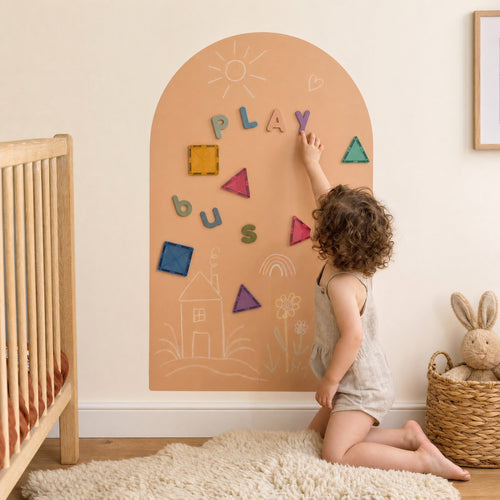
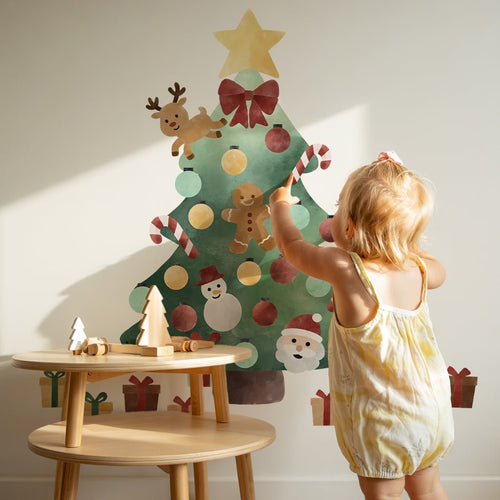
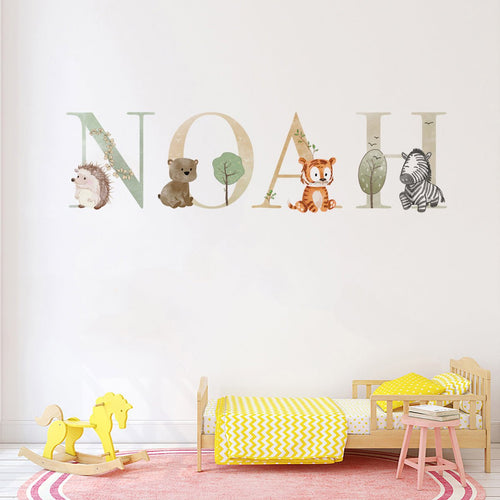
Patterned wall stickers are a popular choice for nurseries because they apply in minutes, avoid paint fumes and can be refreshed as your child grows. As with any nursery item, check the product details from the maker and follow the supplied application guidance to suit your space.
Is painting Trofast drawers as easy as it looks?
Painting Trofast drawers is harder than it looks because plastic needs surface treatment for paint to adhere, and the pine frames arrive with a lacquer that must be sanded first.
Which no-paint method is best for a big pattern on Trofast drawers?
Furniture film or vinyl wrap is the best choice for a broader patterned panel on Trofast drawers. Measure the flat front, cut the film with a little allowance and smooth it down gradually to limit trapped air. Edges and corners are the likely wear points, so patient fitting pays off.