



Alternatives to traditional nursery decor stickers
There are plenty of ways to give a child’s room personality without committing to permanent paint, wallpaper or a complicated mural. Removable fabric décor, framed prints, colour blocking, picture ledges and cosy textiles can all create a lovely focal point. Your choice will depend on your budget, rental rules, DIY confidence and how often you expect the room to change.
Key Takeaways
- Removable fabric decor and framed prints offer flexible ways to add character without the permanence of paint or wallpaper.
- Techniques like colour blocking and picture ledges allow you to create striking focal points while adapting to rental restrictions.
- Choosing the right decoration method requires balancing your budget and DIY skills with how often the room style might change.
As a mum, I think the nicest nursery is one that feels right today and stays flexible for tomorrow. A room can feel magical without becoming difficult to clean, costly to update or stressful to remove. Here are the practical options I’d consider before reaching for a paintbrush or a traditional decal.
Why consider alternatives to traditional nursery wall stickers?
Quick answer: removable fabric stickers, peel-and-stick wallpaper, painted shapes, framed artwork, picture ledges, furniture accents and textiles can all change the feel of a nursery. Removable options are usually the easiest choice for renters or families who expect their child’s interests to change.
Traditional decals can be useful, but some parents worry about adhesive residue, paint damage or taking them down later. Adhesive may leave a tacky patch, stain paint or lift a weak surface. Always test a small hidden area first, especially on freshly painted walls, textured plaster or wallpaper. If removal instructions recommend gentle heat, follow them carefully and keep the room well ventilated.
Material information deserves a look too. Leafscore’s research explains that PVC may account for 30 to 40 per cent of a vinyl decal’s weight, while phthalates can leach from flexible PVC. This does not mean every nursery decoration is unsafe, but it is a good reason to check the material, adhesive, ventilation guidance and removal instructions before buying. You can also look for PVC-free and phthalate-free statements, low-odour adhesives and recognised testing such as GREENGUARD Gold certification.
Whatever you choose, let newly decorated rooms air before your baby sleeps there. Keep loose decorations, cords and hanging items safely away from the cot.
Seven beautiful nursery decorating alternatives

1. Premium removable fabric wall stickers
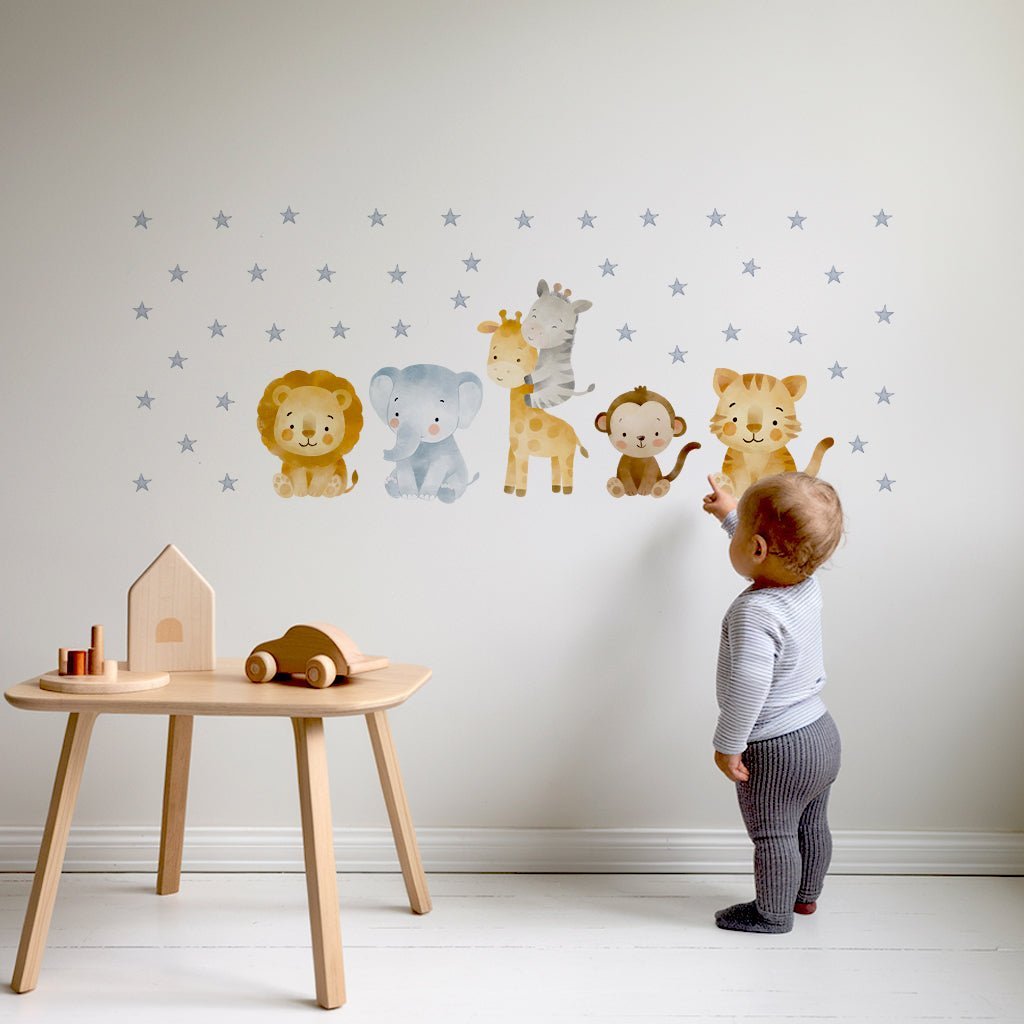
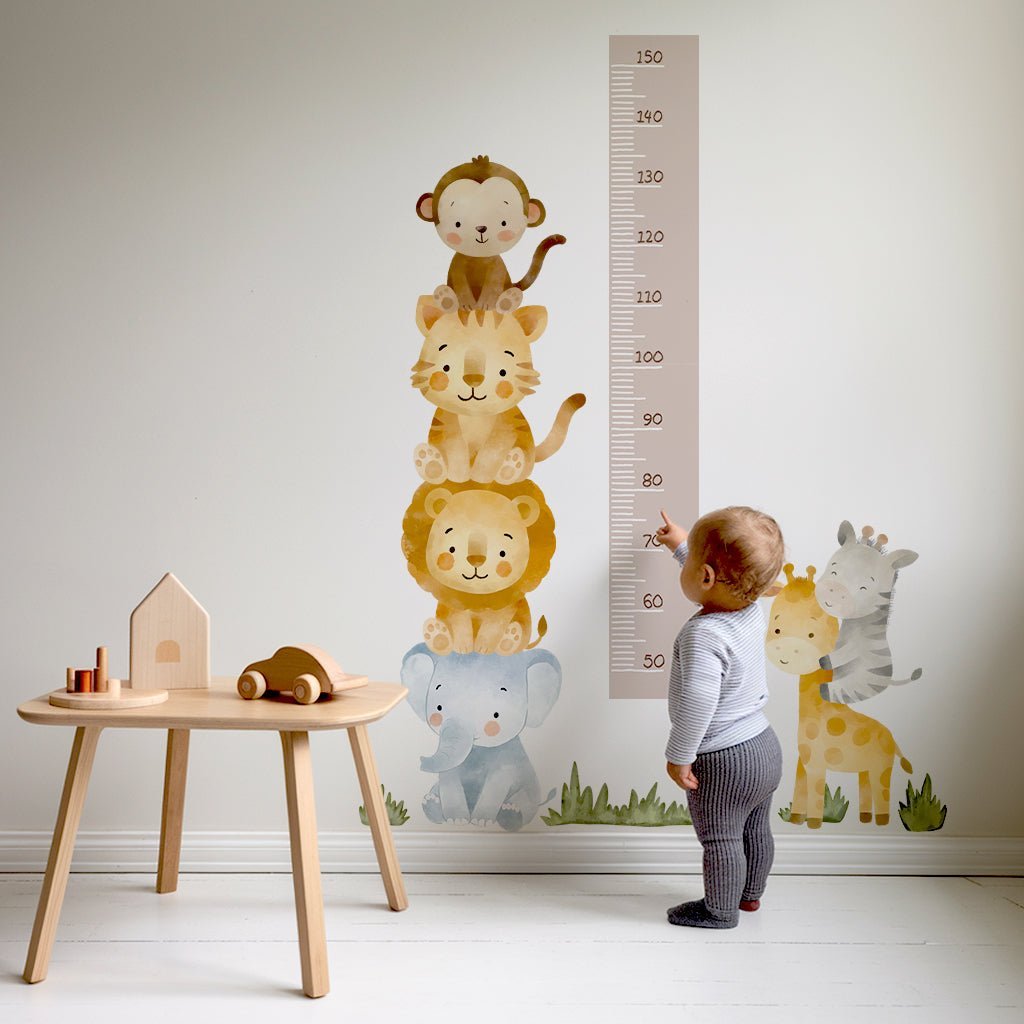
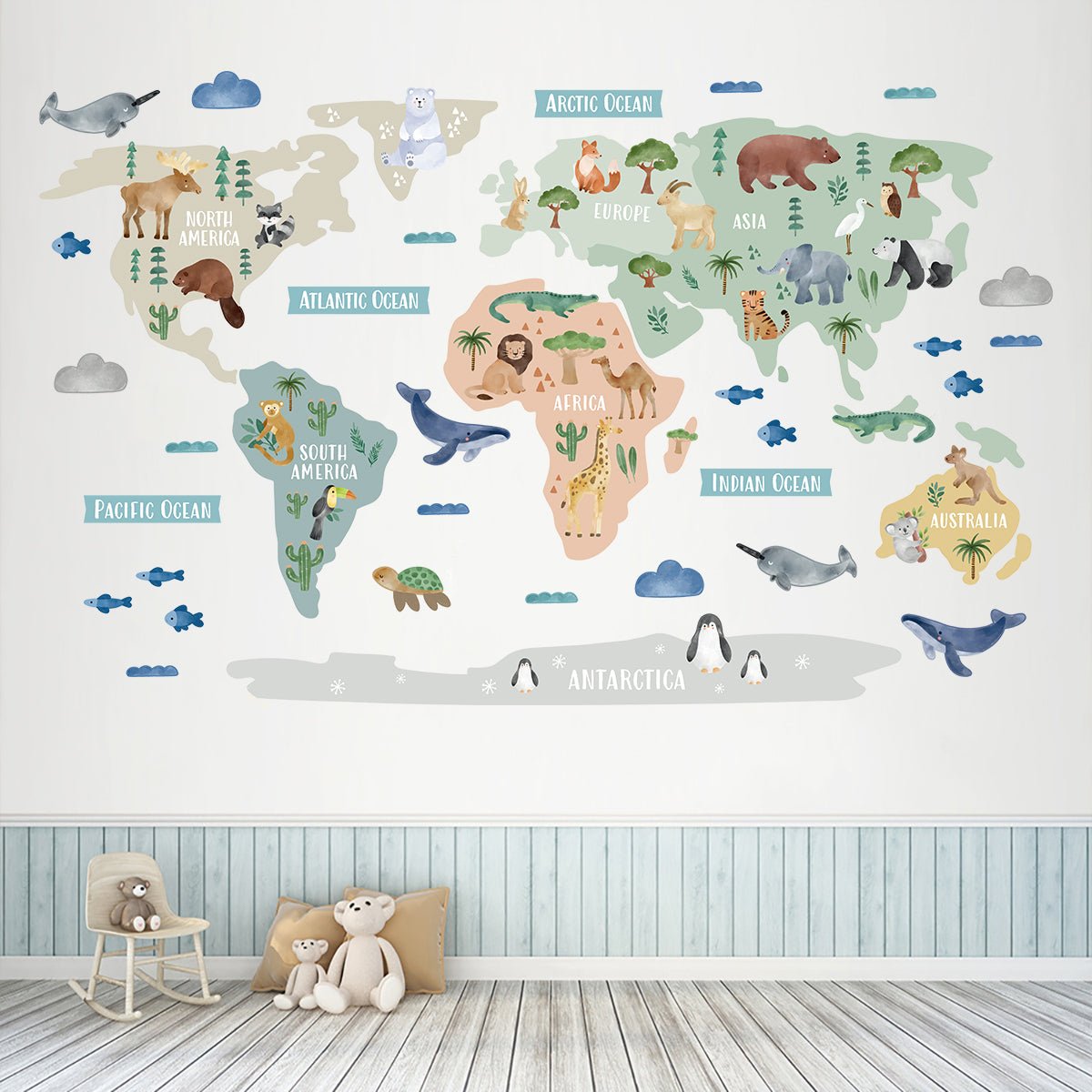
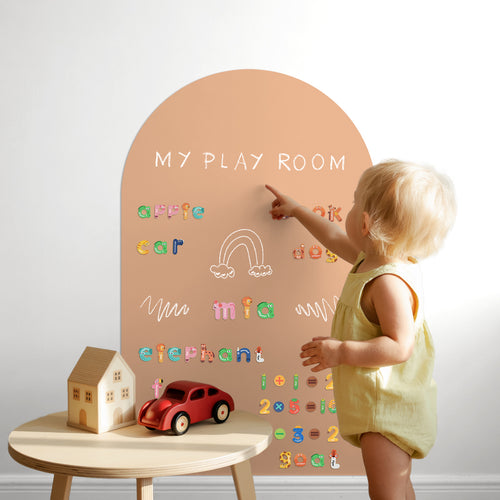
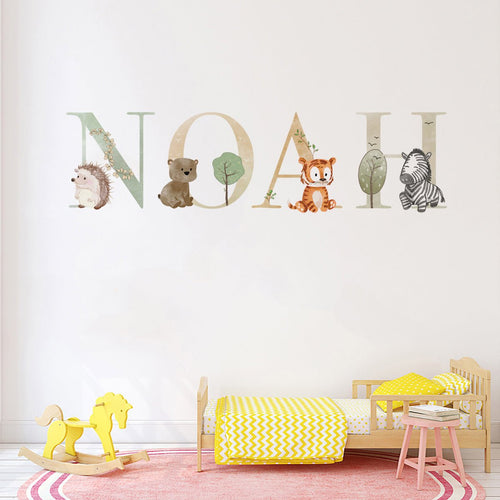
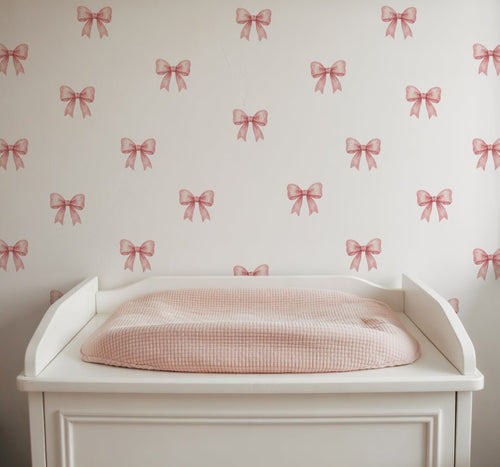
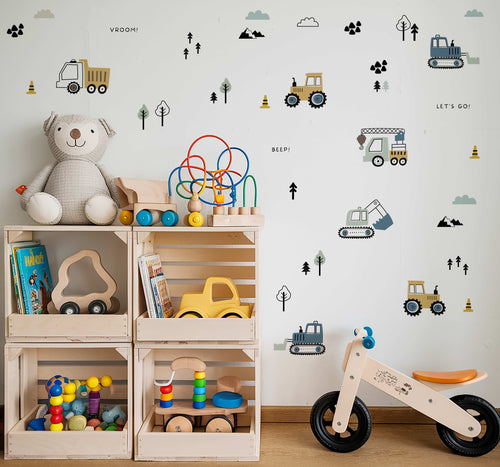
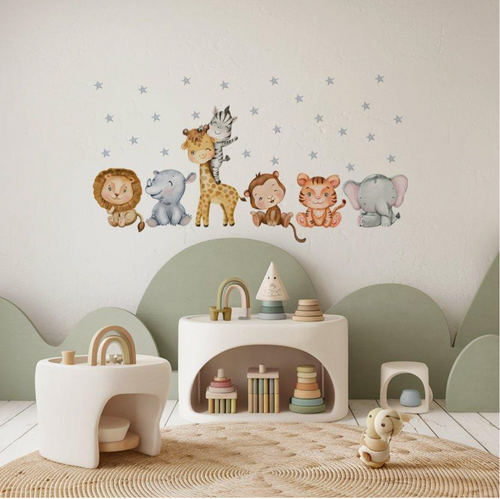
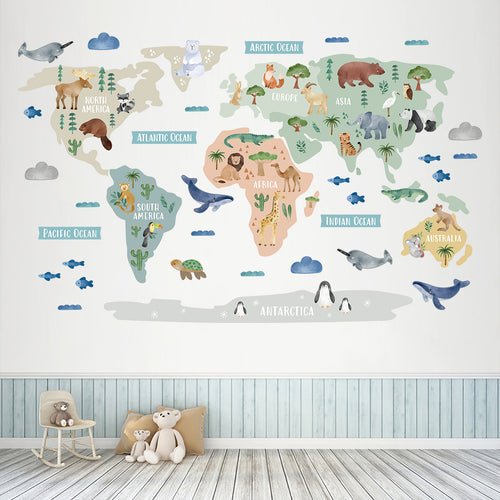
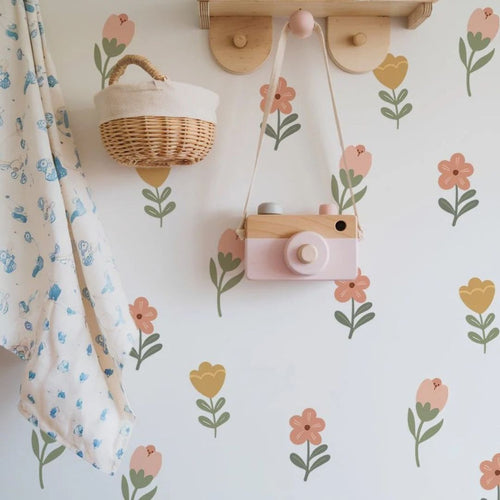
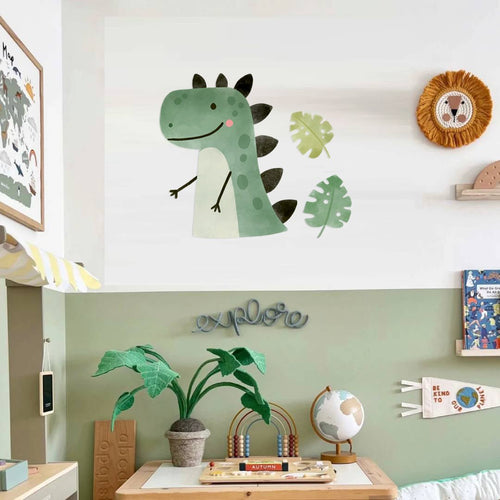
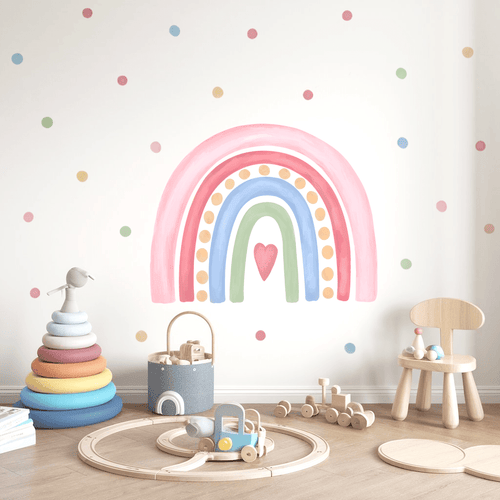
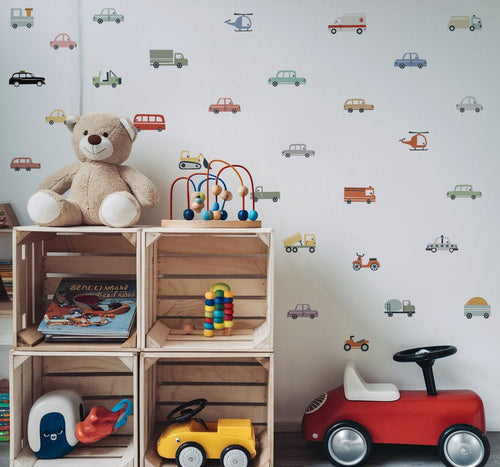
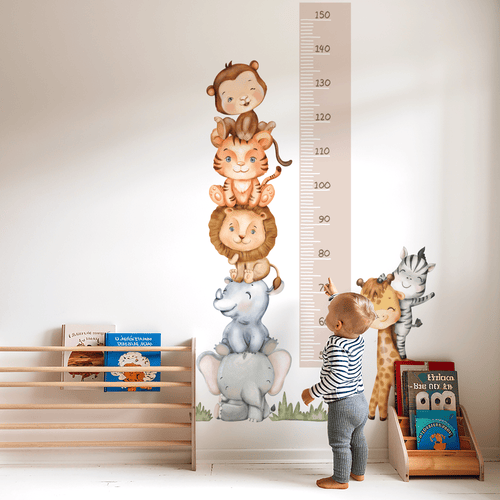
Fabric stickers sit between a bare wall and a permanent mural. Use them for a woodland corner, cloud scene, alphabet display or gentle border without paint tins, dust sheets or a whole weekend of decorating. Our premium removable vinyl and fabric mix is designed to apply in minutes, reposition during application and remove without residue. Smooth, clean, dry walls give the best result.
Budget: about £20 to £60. Best for: renters, busy parents and children whose favourite themes change regularly.
2. Peel-and-stick removable wallpaper
Removable wallpaper creates the biggest visual change across one wall. Stars, botanical shapes, animals and soft geometric prints can anchor a cot, changing area or reading nook. Measure carefully, smooth each panel with a soft squeegee and keep seams away from corners where possible.
Pros: dramatic coverage and a coordinated background. Cons: higher cost and more pressure to align panels neatly. Budget: roughly £50 to £180 for one feature wall.
3. Colour blocking and half-painted walls
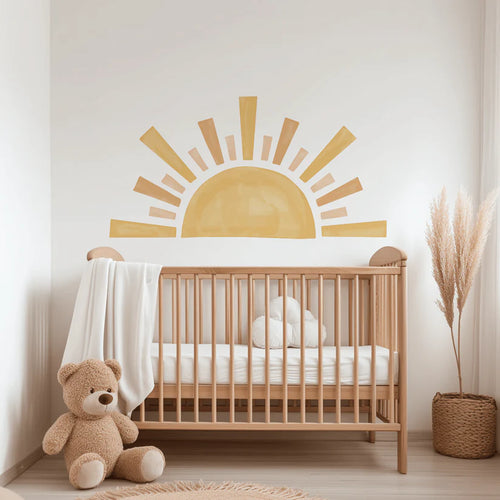
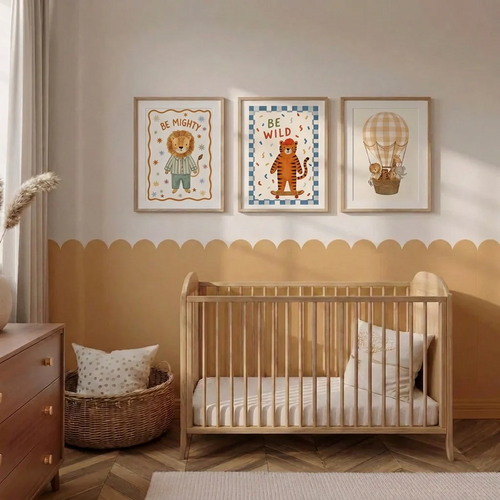
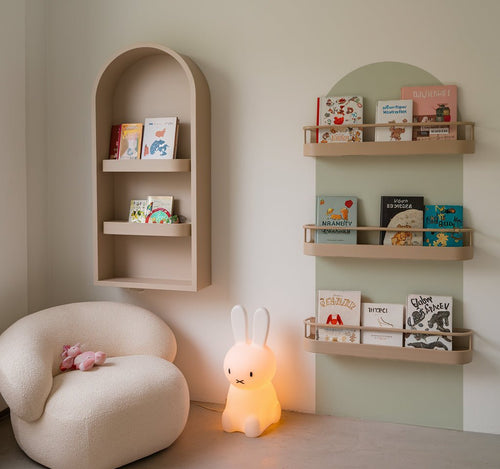
A half-painted wall, arch or broad colour block adds shape without covering every surface. Use painter’s tape, a good-quality brush and a small roller, then remove the tape while the final coat is slightly soft. Choose a shade that works with the cot, flooring and curtains rather than viewing a paint card on its own.
Budget: around £25 to £80 for paint and supplies. Best for: homeowners or renters with written permission who are happy to repaint later.
4. Stencils and hand-painted murals
Stencils give you more control than freehand painting, while a mural can turn one wall into a personal scene. Sketch the main shapes on paper first and keep the design spacious in a small room. Use child-appropriate paint, ventilate well and let the surface dry fully before returning the cot to its usual position.
Pros: unique and easy to match to a story or family theme. Cons: permanent, time-consuming and dependent on painting confidence. Budget: approximately £15 to £150.
5. Framed prints, canvases and fabric wall art
Framed illustrations, canvas art and fabric panels add colour without changing the whole wall. Try a small gallery above a low shelf or one large picture as a clear focal point. Use secure fixings, keep frames well away from the cot and avoid heavy pieces above a sleeping area.
Budget: from £15 for a single print to £120 or more for a grouped display. Best for: families who want portable decoration that can be swapped as their child grows.
6. Picture ledges and forward-facing book displays
A picture ledge gives favourite book covers and illustrations a place to shine. Rotate seasonal pictures, leave space for a small name print and fix the ledge securely into suitable wall support. Check its weight limit and position it where little hands cannot pull it down. In a compact nursery, a narrow ledge uses vertical space while keeping the floor free for play.
Budget: roughly £20 to £90, excluding books. Best for: book-loving families who want decoration with a practical purpose.
7. Upcycled furniture, textiles and cosy accents
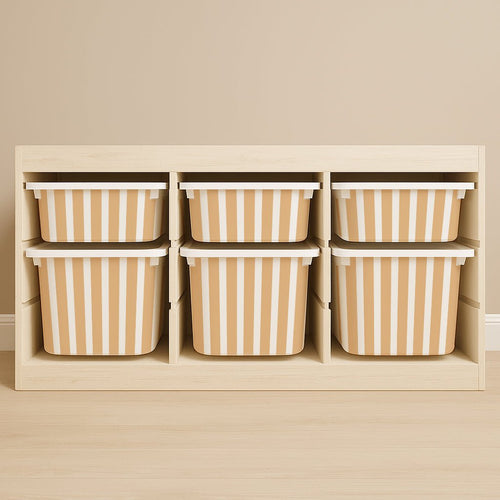
You can change the mood of a nursery without decorating the walls. Paint an old stool, add a washable cushion, choose a different lampshade or refresh a chest of drawers with decorative details. The Check Stickers For Ikea Trofast Drawers are made for the front-facing units of Ikea Trofast drawer storage, giving white drawer fronts a neat check pattern without altering the furniture. Apply them to clean, dry drawer fronts and smooth from the centre outwards.
Budget: about £10 to £100, depending on the item being refreshed. Best for: families looking for a lower-cost update, extra storage personality or a coordinated colour scheme.
Pros
- Lets you change the room as your child’s taste develops.
- Works well for rentals when wall alterations are restricted.
- Offers choices for small budgets, low mess and modest rooms.
Cons
- Painted options need more preparation and later repair.
- Display items require secure fixing and regular safety checks.
- Adhesive décor still needs a patch test on the intended surface.
How do nursery decorating options compare?
Removable décor usually takes the least time and leaves the most room for change. Paint offers affordable broad coverage, wallpaper creates a strong backdrop, and murals provide the most personal result. Your walls, available time and plans for the room matter as much as the look you want.
A small sticker set may take less than an hour to position. A feature wall can involve measuring, surface preparation and drying time. Paint usually costs less for broad coverage, but you’ll need brushes, rollers, masking tape and suitable ventilation. A mural may take several sessions, particularly around sockets, shelves or fitted furniture.
Surface condition should guide your choice. Smooth, clean walls suit many adhesive options, while textured plaster, dusty paint and freshly coated surfaces can make application or removal less predictable. Paint can cover small imperfections, while framed prints and picture ledges let you avoid problem areas altogether.
If you’re decorating during nap times, choose a method that can be completed in small stages. Renters may prefer portable artwork, textiles or removable accents. Families planning a long-term base may favour paint, while wallpaper or a mural suits a design you expect to enjoy for several years.
Choosing the right nursery décor approach
Start with three questions: how long should the design last, how much preparation can you manage and how soon might the room need to change? Removable accents work well in rented homes, shared bedrooms and rooms where a baby’s interests may soon take a new direction.
Paint makes a calm base colour that can last through several stages of childhood. Wallpaper suits a confident pattern, especially when the rest of the furnishings are simple. Artwork, storage details and smaller removable accents can then add personality without asking you to redecorate the whole room.
How can you create a focal point without wall decals?
Place the cot against a softly coloured section, arrange three framed prints above a low dresser or use a picture ledge for a little story display. A patterned lampshade, curtains or quilt can draw the eye while staying easy to replace. In a small nursery, choose one main feature and leave space around it.
Furniture can provide the visual anchor too. A tidy storage unit, comfortable armchair or low book display gives the eye somewhere to settle and supports everyday routines. Keep heavier pieces secure, avoid loose objects near the cot and check that hanging décor cannot be reached by curious hands.
How can you future-proof nursery décor?
Choose a neutral foundation, portable artwork and storage that can be reorganised. Leave some wall space for a later name print, school photograph or favourite illustration. A simple layout also makes cleaning easier and gives you more freedom to move furniture as routines change.
Check removal as carefully as application. Keep product instructions, test adhesive items on a hidden patch and record the original paint colour for future repairs. If you rent, check your tenancy agreement and ask your landlord about paint, fixings and removable coverings. Recently painted walls should cure according to the paint manufacturer’s guidance before anything adhesive is applied.
A simple nursery decorating checklist
- Measure the wall, furniture and available floor space before choosing a focal point.
- Decide whether the room must remain rental-friendly or can be repainted later.
- Check material information, adhesive guidance and any relevant safety testing.
- Choose one leading colour, then add two or three supporting shades through art, fabric and storage.
- Apply or hang decorations away from the cot, radiator and areas where children may pull them down.
- Plan how the design will work during the next stage, not only during the newborn months.
There is no single correct nursery style. You might choose framed illustrations and natural textiles, or combine colour blocks, book covers and cheerful storage. Start with the level of permanence that feels comfortable, then add personality in layers. That way, the room can grow happily alongside your little one.
Frequently Asked Questions
What are some alternatives to traditional nursery decor stickers?
The best alternatives include removable fabric wall stickers, peel-and-stick wallpaper, colour blocking, stencilled or hand-painted murals, framed prints, picture ledges, and upcycled furniture or textile updates. Each creates a different feel, from a small themed detail to a full feature wall. As a mum, I weigh budget, rental rules, and how often the room might change before choosing.
Are vinyl decals safe for a nursery?
Vinyl decals are not automatically unsafe, but Leafscore research suggests PVC can account for 30 to 40 per cent of a decal's weight, and phthalates can leach from flexible PVC. Check the material, adhesive, ventilation guidance, and removal instructions before buying, and look for PVC-free, phthalate-free statements plus recognised testing such as GREENGUARD Gold certification.
What is the best nursery wall decor for renters?
Removable materials are usually the least committing choice for renters, with quality peel-and-stick wallpaper often coming away in full strips without residue and premium fabric stickers giving a finished look in an afternoon. Fabric options typically cost £20 to £60, while wallpaper runs roughly £50 to £180 for one feature wall. If painting appeals, always get written permission from your landlord first.
How much do nursery decor alternatives cost?
Expect to pay around £20 to £60 for removable fabric wall stickers, £25 to £80 for paint and supplies if you try colour blocking, and roughly £50 to £180 for peel-and-stick wallpaper on a single feature wall. Stencils and hand-painted murals vary with size and complexity. The right spend depends on how permanent you want the look to be.
What are the latest trends in nursery wall decor?
Current nursery trends lean towards flexible, personal design: half-painted walls and arch shapes for calm colour blocking, botanical and celestial prints on removable wallpaper, and picture ledges that evolve with your child's books and treasures. Upcycled furniture adds colour and character without decorating every surface. Parents increasingly want rooms that feel lovely today and stay easy to update tomorrow.
How do I remove traditional wall stickers without damaging the paint?
Traditional wall stickers come off most safely when you test a small hidden area first, warm the decal gently with a hairdryer, and peel slowly from a corner, since adhesive can leave tacky patches, stain paint, or lift a weak surface. Take extra care on freshly painted walls, textured plaster, and wallpaper. This fuss is exactly why removable alternatives have become so popular.
What does non-toxic actually mean for nursery decorations?
Non-toxic is not a magic label, so look beyond the wording for clear material information, PVC-free and phthalate-free statements, low-odour adhesives, and recognised testing such as GREENGUARD Gold certification. Fabric-based decor is worth considering when the maker explains how it is printed, applied, and removed. Always air newly decorated rooms before your baby sleeps there, and keep loose decorations out of reach of the cot.