

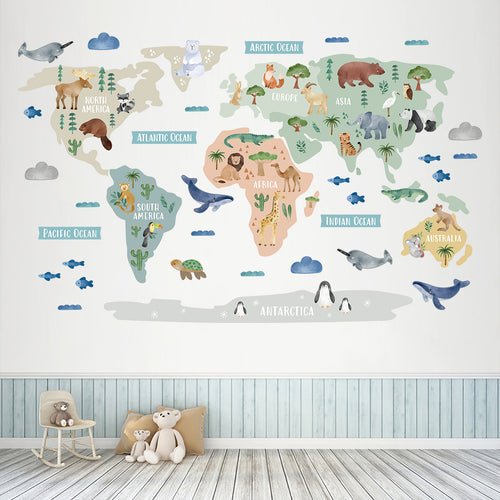


animal alphabet nursery wall sticker alternatives
What are animal alphabet nursery wall sticker alternatives?
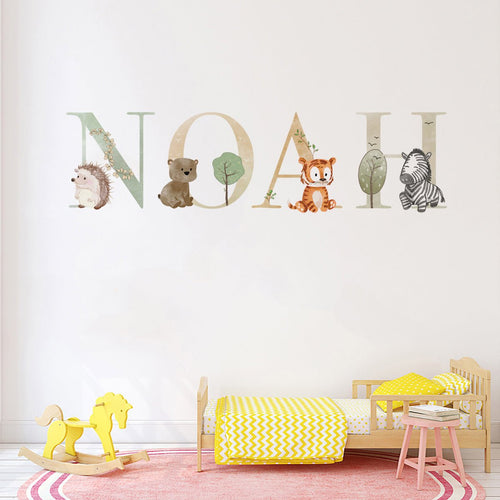
Animal alphabet nursery wall sticker alternatives are creative ways to introduce letters and animals to your little one's space without committing to a single design. Think individual letter decals paired with separate animal stickers, fabric wall hangings with alphabet themes, or mix-and-match sets that let you create your own layout. These give you flexibility to change the look as your child grows.
What makes alternatives so useful? You can personalise the room to match your child's current interests. They're obsessed with jungle animals this month and farm animals next month. You can swap out designs in minutes because removable stickers peel off cleanly, leaving no sticky residue or damage to your walls.
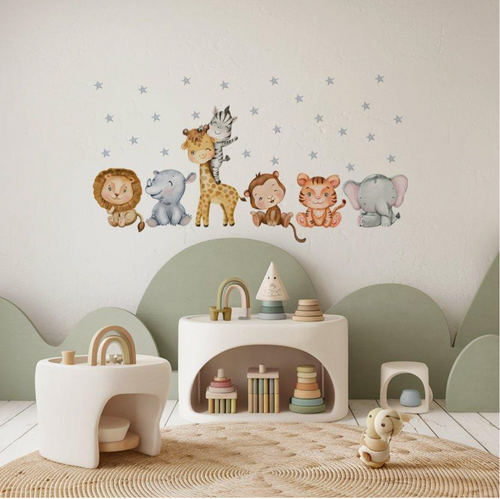
Popular options include individual letter and animal decals you arrange yourself, themed wall art sets, fabric wall hangings, and mix-and-match sticker collections. All offer the same learning benefits whilst giving you creative control over layout and style.
Benefits of animal alphabet nursery wall sticker alternatives

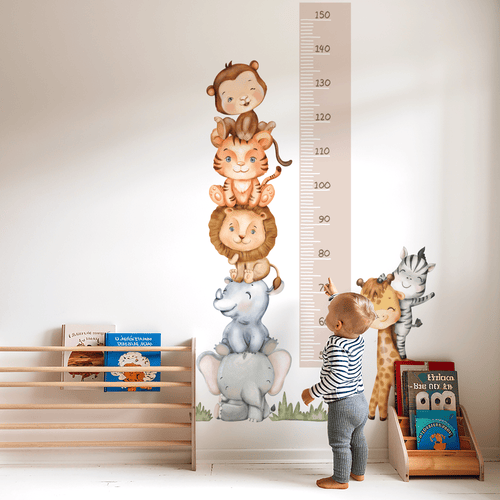
Alternatives give you freedom to design the room exactly as you want it. Space letters out along a wall, create a reading-corner feature, or scatter animals around the room at your child's eye level. The room can change with them. Rearrange pieces as their height and interests shift.
You can start small and add over time. Begin with just your child's initials and a few favourite animals, then expand the collection for birthdays or special occasions. This spreads the cost and keeps the room feeling fresh without a complete redesign.
Rental-friendly bonus: Many alternatives use removable material similar to standard wall stickers, which suits rental properties. You can create an educational feature wall without worrying about your deposit.
How to choose animal alphabet nursery wall sticker alternatives
Start by thinking about how much wall space you have and where your child spends most of their time. Small nursery? Individual letters and animals you can scatter across multiple walls often work better than one large set. Bigger rooms might suit a complete alphabet set arranged along one feature wall.
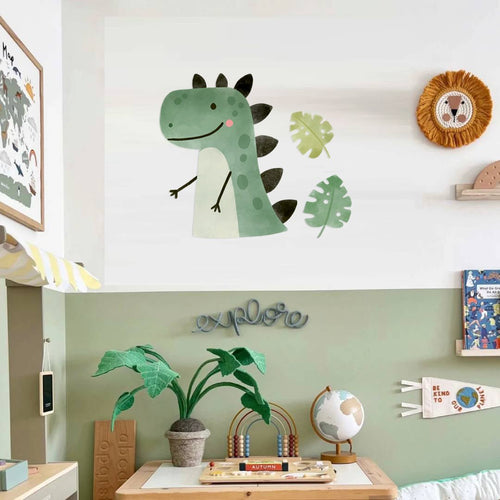
Check the material before you buy. Premium removable vinyl, or a fabric-vinyl mix, should peel off cleanly when you're ready for a change. This matters because toddlers' tastes shift quickly. You don't want to be scrubbing adhesive off walls when they decide they prefer dinosaurs to elephants. If you prefer detailed dinosaur designs, consider options like the Watercolour Dinosaur Nursery Wall Stickers.
Consider your child's age and how the design will grow with them. Simple, bold animal shapes work well for babies. Older toddlers might enjoy more detailed designs they can name and count. Look for sets that let you add or remove pieces easily, so the room adapts as they learn and develop new interests.
Frequently Asked Questions
Can I mix different animal alphabet sticker sets in one room?
Yes. Mixing sets gives you more creative control and lets you build a unique look. Keep the colour palette similar so the room feels cohesive. You might use bold letters from one collection and softer animal designs from another, arranging them to suit your wall space and your child's height. For example, pairing the ABC Animal Friends Alphabet Wall Stickers with other themed animal sets can create a playful yet educational environment.
Are individual letter stickers better than full alphabet sets?
It depends on your goals. Individual letters let you spell out your child's name or focus on letters they're learning, which feels more personal. Full sets work well if you want a complete educational wall and don't mind a busier look. Both options are usually removable, so you can switch approach later.
How do I stop my toddler peeling off the stickers?
Place them slightly higher than your child can reach, or involve them in choosing where each piece goes. When toddlers help with decorating, they're often more respectful of the finished design. If they do peel a sticker off, press it back on. Many good-quality removable vinyl stickers can be repositioned several times.
Will alphabet stickers work on textured walls?
Smooth or lightly textured walls work best. On heavily textured surfaces, stickers may not adhere fully at the edges. Test a small piece first. If it doesn't stick well, consider using fabric wall hangings instead, which drape over texture without needing a flat surface.
How long do removable alphabet stickers last?
With proper care, they can last for years. Avoid placing them in direct sunlight, which can fade colours over time, and don't scrub them when cleaning walls. Many parents find their stickers last well beyond the phase they were bought for, which suits anyone planning a refresh later on. For a fun educational twist, some parents introduce the animal alphabet to make learning engaging and memorable.
Making the most of your animal alphabet alternatives
Once you've chosen your alternatives, placement is everything. Position letters and animals at your child's eye level so they can interact with them during play. You might spell out simple words they're learning, or group animals by habitat to spark conversations about where different creatures live. Singing or humming the Alphabet song can further encourage letter recognition and enjoyment.
You don't need to use every piece at once. Store extras in a drawer and rotate them seasonally, or save them for when your child starts recognising new letters. This keeps the room interesting and gives you fresh decorating options without spending more money.
Learning tip: Point to the letters and animals during bedtime stories or getting-dressed routines. When learning happens naturally in their own space, children absorb information more easily. Using creative methods like an abecedarius can add a poetic touch to letter learning activities.
When to refresh your alphabet wall

Your child will tell you when it's time for a change—usually by losing interest or asking for something different. This might happen after a few months or a few years. With removable stickers, you're never locked in. Peel them down on a Saturday morning and you can have a new look by lunchtime.
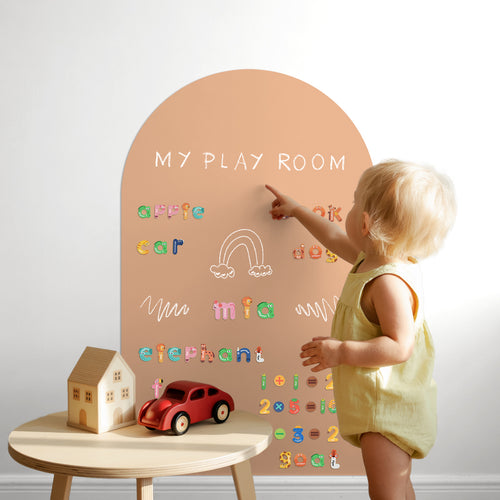
Many parents refresh the room when their child moves from cot to bed, starts school, or develops a new passion. These transitions are perfect moments to involve your little one in choosing what comes next. They might want to keep a few favourite animals and swap the rest for numbers, or move everything to make space for artwork they've created themselves. The Letter & Number Magnets are a great way to introduce numbers alongside alphabets when refreshing the wall.
If you're expecting another baby, you can reuse alphabet stickers in the new nursery or pass them to friends. Many removable vinyl products keep their tack through multiple applications when handled carefully.
Creating a space that grows
Animal alphabet alternatives give your child's room permission to evolve. You're not committing to one look for the next five years. You're creating a space that shifts with new interests, new skills, and growth spurts.
Start with what feels right today. Choose animals your child loves now, arrange letters in a way that makes you smile, and keep it simple. You can move pieces around tomorrow, add new ones next month, or start fresh next year.
That's what decorating should be—flexible, joyful, and stress-free. Exactly what families need.
Frequently Asked Questions
What exactly are animal alphabet nursery wall sticker alternatives?
Animal alphabet nursery wall sticker alternatives are clever ways to bring letters and animals into your little one's space without committing to a single design. You can choose individual letter decals, fabric wall hangings with alphabet themes, or mix-and-match sets. These options give you the freedom to change the room's look as your child grows, without needing to repaint or replace expensive wallpaper.
What are the main benefits of choosing these alternatives for a nursery?
The biggest benefit is the flexibility to design the room exactly as you want it, and to easily adapt it as your child's interests change. Many alternatives use removable material, which is perfect for rental properties as they peel off cleanly without damaging walls. It also allows you to spread the cost by adding pieces over time.
How do these alternatives help me personalise my child's room?
You have so much creative control with these alternatives! You can space letters out along a wall, spell out your child's name, or scatter animals around the room at their eye level. This means the room can truly reflect their current fascinations and learning stages, making it a unique and personal space.
Are animal alphabet alternatives a good choice for parents living in rental properties?
Yes, absolutely! Many of these alternatives use removable materials that are similar to standard wall stickers. This means you can create a lovely, educational feature wall without any worries about losing your deposit when it's time for a change.
What should I consider when choosing the best alternative for my child's room?
Start by thinking about the wall space you have and where your child spends most of their time. For smaller rooms, individual letters and animals you can scatter might work well. For larger spaces, a complete alphabet set could be arranged along a feature wall. Always make sure the material is easily removable for future changes.
Can I start with a few pieces and add more animal alphabet alternatives later?
Yes, that's one of the wonderful things about these options! Many parents love to start small, perhaps with just their child's initials and a few favourite animals. You can then expand your collection for birthdays or special occasions, which helps spread the cost and keeps the room feeling fresh.
How can I make sure the animal alphabet alternatives are engaging for my child?
Placement is key to making them engaging! Try to position letters and animals at your child's eye level so they can easily interact with them during play. You might group animals by habitat or spell out simple words to spark conversations and encourage letter recognition.