


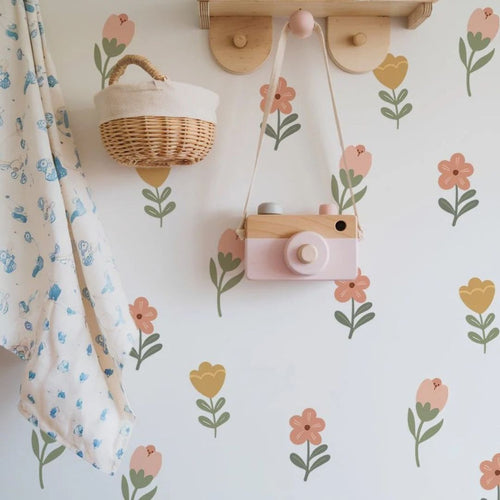
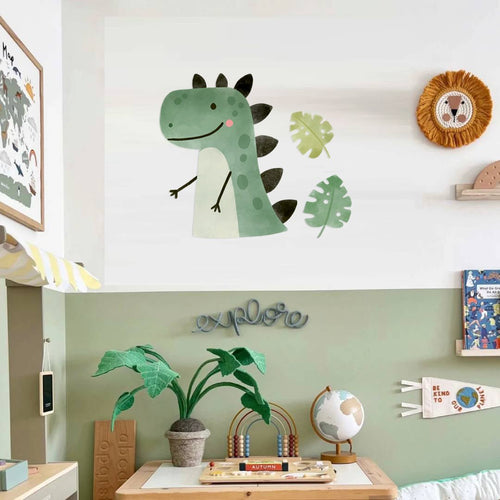
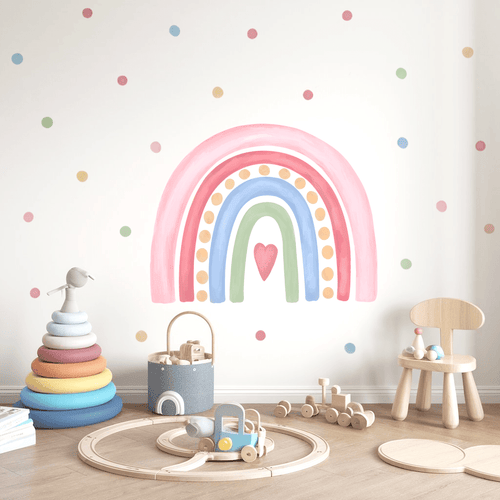
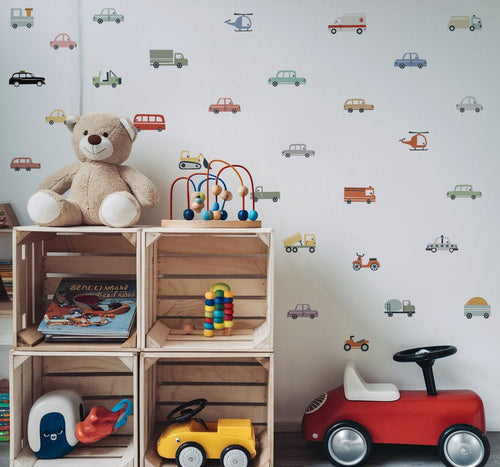

Best for soft pink pastel themes in kids bedrooms.
Best for soft pink pastel themes in kids bedrooms, a thoughtful palette can make the room feel cosy rather than sugary. You don’t need to repaint every wall: a few carefully chosen colours and removable details can bring the look together without making a passing favourite feel permanent.
Start with the existing wall colour, then build around one soft pink shade and a small supporting palette. This helps cushions, bedding and wall art feel connected rather than almost matching.
Hello, Dreamy Pink Bedrooms: Your Low-Commitment Styling Guide
Welcome to the Soft Pink Pastel Dream
A soft pink bedroom can feel gentle, playful and personal, whether you’re planning a nursery or refreshing a room for a growing child. Choose a pink that suits the light and the other colours in the space. Muted blush brings warmth, while a cooler pale rose feels airy. Repeat your chosen shade in a few places rather than adding pink everywhere.
To create a soft pink theme without repainting, keep the walls as they are and introduce pink through removable wall stickers, bedding and a couple of small accessories. Choose one main pink and no more than two supporting colours. This gives the room a clear thread while leaving space for favourite books, toys and everyday belongings.
Why This Guide is Different (No Paint, No Fuss!)
Choosing a specialist pink and repainting a full room can feel like a lot for a colour your child may outgrow. A non-permanent approach lets you try the look on existing walls first. Wall stickers add colour and character without repainting the whole room, so you can see how the scheme feels in morning light and at bedtime before making a bigger change.
Meet Nursery Stickers: Your Partner in Playful Decor
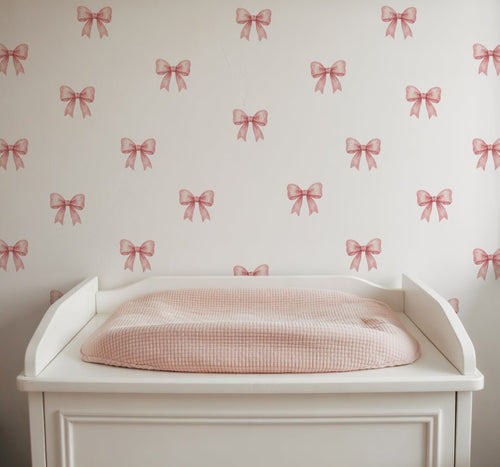
We’re parents too, so we know a child’s favourite can change quickly. Our aim is to make decorating joyful and manageable, with ideas you can adapt as their room and interests change. For a finishing detail, Pink Bow Wall Stickers are nursery wall stickers intended for children’s rooms or nurseries. They add a pretty pink accent to a pared-back scheme without requiring a new wall colour.
The Soft Pink Palette Recipe: Colour Pairings That Wow

Beyond Basic Pink: Finding Your Perfect Shade
Before choosing accessories, consider the room’s natural light and your pink’s undertone. Warm blush has a peachy or beige cast and pairs comfortably with creamy neutrals and honey-toned wood. Cool rose leans towards blue or lilac and can feel fresh beside pale grey or dusty blue. If you’re unsure, hold a pink fabric or paper sample against the wall at different times of day. Light can make the same shade look warmer in the afternoon and cooler on a cloudy morning.
The ‘Nursery Stickers’ Dream Team: Best Colour Combinations
Pick one pink as your anchor, then choose a supporting colour for larger items such as bedding or a rug. Add a third shade in smaller touches, perhaps a cushion, lampshade or picture frame. This keeps the palette connected without making every item match. The combinations below are starting points, not strict rules: use lighter colours across larger areas and save deeper accents for details.
| Palette pairing | The feel | Where to use it |
|---|---|---|
| Blush pink and sage green | Calm, garden-inspired | Green bedding or a small plant motif against blush details |
| Warm pink and ivory | Soft, light and cosy | Cream curtains, a pale rug or natural-coloured storage |
| Cool rose and dusty blue | Gentle, storybook-like | Blue cushions or artwork with pink accents |
| Muted pink and clay | Earthy and grounded | Terracotta accessories or warm-grey furnishings |
Sage Green: The Calming Companion
Sage gives pink a quiet, leafy counterpoint. Its grey undertone tends to sit more gently beside blush than a bright, yellow-based green. Try sage in one larger textile or a few small details, then repeat it once elsewhere. That echo helps the colours feel intentional without making the bedroom a strict two-colour theme.
Warm Ivory & Cream: Softness and Light
Ivory and cream are easy partners for warm pink, adding a light backdrop without the sharper contrast of brilliant white. They work well in bedding, curtains and lampshades, especially with pale timber or beige walls. Check undertones: creamy accessories can look yellow beside a very cool pink, so bring samples together before buying.
Dusty Blue & Muted Lilac: A Touch of Whimsy
For a cooler, playful palette, pair rose pink with dusty blue or greyed lilac. These shades add contrast while keeping the mood soft. Let pink lead and use blue or lilac in smaller touches, such as a cushion, storage basket or framed print.
Earthy Tones: Clay, Terracotta & Warm Grey
Clay and terracotta bring warmth and depth to pale pink, while warm grey can steady a sweeter scheme. Use these colours in easy-to-change details: a bedside basket, soft toy or picture frame. Natural wood makes a useful bridge between pink and clay.
How to Avoid the Sugary Overload: Balancing Your Pink
If pink decor feels cluttered or too sweet, several competing shades and patterns may be drawing attention. Choose a dominant pink and repeat it sparingly, with quieter neutrals providing breathing space. Try blush walls or accents with ivory bedding and sage details, or cool rose with dusty blue and warm white. Keep larger surfaces simple and reserve the strongest colour for a few focal points.
For a decorative pink detail without adding another paint colour, Pink Bow Wall Stickers can sit alongside a restrained palette. The design is a nursery wall sticker, so use it as one accent rather than a cue to make every soft furnishing pink.
Peel, Stick & Transform: Styling Your Soft Pink Haven with Decals
Why Wall Stickers are Your Secret Weapon (For Real!)
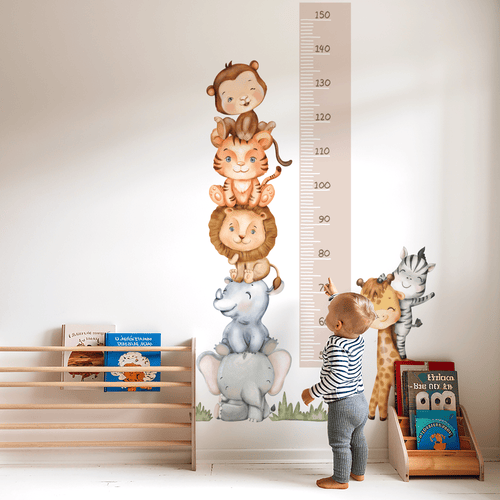
Wall stickers add a focal point without covering every wall in pink. They can make a plain section feel planned, frame a cot or bed, or bring storybook charm to a reading corner. This suits a themed room when you want to avoid paint, wallpaper or a weekend of decorating. Start with the wall you see first on entering, then decide whether it needs a small accent or a larger arrangement. Planning the placement looks more settled than adding decorations wherever space happens to be.
Choosing the Right Stickers for Your Pink Theme
Choose a design that relates to the existing palette, not just one that is pink. A bow motif, for example, can suit a gentle, playful look; Pink Bow Wall Stickers are nursery wall stickers intended for children’s rooms and nurseries. Consider the design’s colours against the wall, bedding and furniture. With patterned curtains or a busy duvet, a simple sticker arrangement can provide a calmer focal point. In a plainer room, decorative shapes can add interest without introducing another competing pattern.
The 'Wall Art Placement Formula': Where to Stick for Maximum Impact
Plan around one feature instead of treating the whole wall as a blank canvas. Use this sequence before peeling any backing:
- Choose a focal point: Pick a cot, bed, book nook or low chest of drawers.
- Check the wall: Make sure the surface is clean, dry and suitable for the sticker. Follow the product instructions, and avoid applying to freshly painted walls until the paint has fully cured.
- Arrange first: Lay out the pieces or use paper shapes to test the outline and spacing.
- Apply gradually: Work from the centre or main feature outwards, checking the arrangement as you go.
- Step back: View it from the doorway and from the child’s usual places in the room before making any final adjustments.
A quick mock-up helps prevent a cluster that sits too high, feels squeezed beside furniture or looks disconnected from the room.
Eye-Level Magic: Designing for Little Eyes
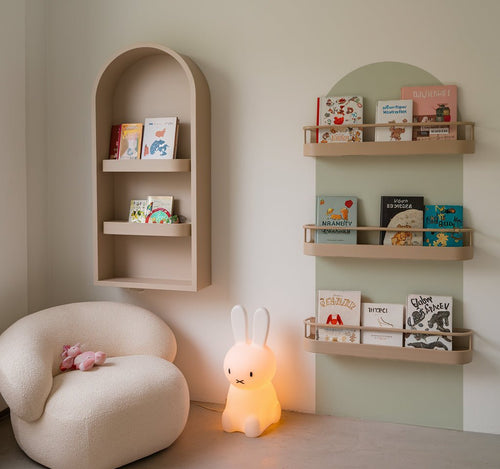
Think about what your child can see from the bed, cot or play mat, not only what looks balanced to an adult standing up. Place the main display where it can be enjoyed from those everyday spots, while keeping stickers clear of areas where small hands might pull at them. In a baby’s room, position the design where it is easy to see during calm moments together. For an older child, a lower display near a book corner can make the space feel made for them. Keep stickers away from switches, handles and anything that needs to remain easy to reach.
Furniture Anchors: Creating Visual Harmony
Use furniture as a visual anchor so stickers feel connected to the room rather than floating on the wall. A design above a bed can echo its width; a smaller cluster above a bookcase can define a reading area. Leave clear space around the furniture, and avoid spots hidden by a tall wardrobe or open door. Before placing Pink Bow Wall Stickers, consider how they relate to the bed, cot or storage nearby. A paper template makes it easier to judge the balance.
Spacing Secrets: Achieving a Balanced, Non-Cluttered Look
A room can feel mismatched if pink decorations gather in one area with no visual link elsewhere. Repeat a colour or shape in one or two details, such as a cushion and lampshade, rather than matching every accessory. Leave visible gaps between stickers so each piece can be appreciated. Arrange separate designs as one loose group with a clear centre instead of scattering them across the wall. Step back from the doorway; if the display feels busy, remove a piece or widen the spacing.
Beyond the Wall: Cohesive Touches with Bedding & Accessories
Finish the look with soft furnishings that pick up colours already in the room. Pink bedding can echo the wall detail, while cream curtains, a sage cushion or a natural-coloured basket can keep the scheme from feeling overly sweet. A matching set isn’t necessary; choose items that share an undertone or repeat an accent shade. Keep larger pieces simple and let a favourite soft toy, framed picture or patterned cushion add personality. The wall design will then feel part of the room rather than a separate purchase.
The Non-Permanent Playbook: Decor That Grows With Them
The ‘Pink Phase’ Dilemma: Satisfying Today, Preparing for Tomorrow
When your child asks for a pink room, you can say yes without feeling you’ve signed up to keep it that way for years. A removable accent honours their current favourite while keeping bigger decisions flexible. Best for soft pink pastel themes in kids bedrooms, a low-commitment approach suits children whose tastes are still forming: add character in changeable details and wait on costly, room-wide changes until you’re confident the look will last.
Rental-Friendly & Room-Move Ready: Zero Damage, Zero Stress
If you rent, move often or want to avoid repainting, wall stickers offer a lighter way to personalise a child’s space. Check the wall surface and follow the product’s application and removal guidance. Paint condition, preparation and how long a sticker remains in place can affect removal, so test a discreet area first if unsure. When it’s time to move rooms or change the decor, plan a fresh arrangement rather than building the scheme around a permanent feature.
Cost-Effective Colour: Beating the ‘Pink Tax’ on Paint
Specialist pink paint can cost more than a standard neutral, and a full repaint also requires enough paint for the room, wall preparation and time for the work. Stickers avoid repainting to add a pink accent, while existing bedding or a small accessory can finish the palette. Consider the whole project, including supplies and your time, before choosing.
What Changes, What Stays?
Pros
- Adds a themed detail without repainting the whole room.
- Gives you room to update the look as interests change.
Cons
- Results depend on the wall surface and application guidance.
- A sticker arrangement may need refreshing if furniture or room layouts change.
Easy Updates: Swapping Themes Without the Headache
Keep lasting pieces simple, such as the bed, storage and curtains, then let smaller decorative choices carry the current theme. If your child moves on from pink, change the wall display and a few accessories rather than replacing every item. The Pink Bow Wall Stickers are one option for a pink accent in a child’s bedroom or nursery. Treat them as a changeable detail, not a reason to buy an entirely matching set.
Longevity Tips: Adapting the Aesthetic Over 3-5 Years
Plan for change by keeping the room’s foundation calm and choosing decor that can move with the furniture. As a cot becomes a bed or a play corner becomes a homework nook, reconsider the display’s position before applying anything again. Save a note of the wall’s paint type and product care instructions, and check surfaces before each update. A useful long-term choice is a room that’s easy to make personal at each new stage, not a pink scheme that never changes.
Your Dream Pink Room Awaits: Q&A and Next Steps

Frequently Asked Questions About Soft Pink Pastel Decor
Can I mix different shades of pink?
Yes. Keep their undertones similar, such as warm blush with peachy pink, and use one shade more often so the room feels connected.
What if my child doesn’t like pink anymore?
That’s the benefit of changeable accents. Remove or replace the pink details and keep the furniture and neutral foundations they still enjoy.
How do I clean wall stickers?
Follow the care guidance supplied with the stickers. Avoid scrubbing or applying cleaning products unless the instructions say they’re suitable.
Are stickers safe for nurseries?
Choose stickers intended for children’s rooms or nurseries, follow the application guidance, and place them out of a baby’s reach. Best for soft pink pastel themes in kids bedrooms, a considered, changeable accent can make the space feel personal without committing to paint.
Ready to Create Magic? Shop Nursery Stickers!
For a finishing touch, explore Pink Bow Wall Stickers. Peel, stick & transform a little corner of your child’s room, then let their next favourite guide the next refresh. 💛
Frequently Asked Questions
What colour complements pastel pink best in a child’s bedroom?
Sage green is a lovely complement to pastel pink in a child’s bedroom. Its muted, greyish tone balances blush without making the palette feel too sweet. Try sage in bedding or a few smaller accents, with ivory or cream to keep the room feeling light.
What colour is best for a child’s bedroom?
The best colour for a child’s bedroom is one that suits the room’s light and feels comfortable to live with. Soft pink, muted green, pale blue and warm neutrals can all create a gentle scheme. Choose a main shade, then add a small supporting palette that can adapt as tastes change.
What colours go with pink in a bedroom?
Pink pairs well with sage green, ivory, dusty blue, muted lilac, clay and warm grey in a bedroom. Warm blush often sits comfortably with cream and natural wood, while cooler rose can work nicely with dusty blue or pale grey. Check colour samples together in different lighting before choosing accessories.
How can I decorate a child’s bedroom with pink without repainting?
You can create a soft pink bedroom theme without repainting by adding pink through bedding, cushions and small accessories. Keep the existing walls, choose one main pink and limit the supporting palette to a couple of colours. This makes the scheme easy to adjust as your child’s favourite colours change.
What are the 2026 bedroom trends for kids’ rooms?
A gentle, personal palette with adaptable details is a thoughtful direction for a child’s bedroom in 2026. Soft pink paired with calm shades such as sage, ivory or dusty blue can feel cosy without becoming overly sugary. Use textiles and small decorative touches to try a look before making lasting changes.
How do I stop a pink bedroom from looking too sugary?
A pink bedroom feels less sugary when one soft pink shade is balanced with quieter colours and simple larger surfaces. Pair blush with ivory and sage, or cool rose with dusty blue and warm white. Repeat pink in a few places rather than matching every item.