

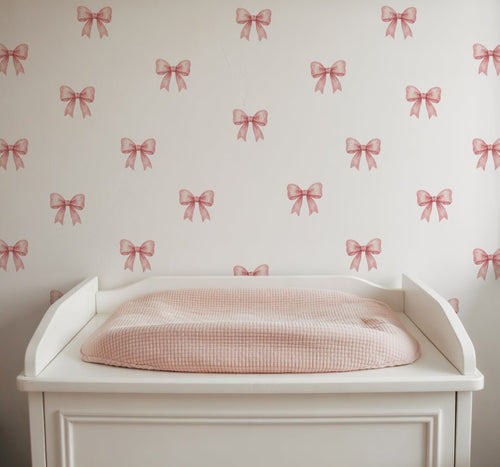
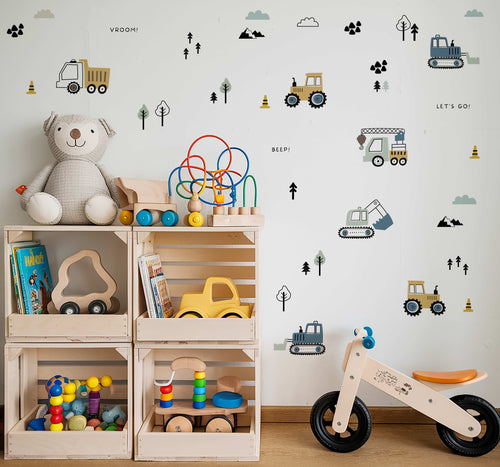
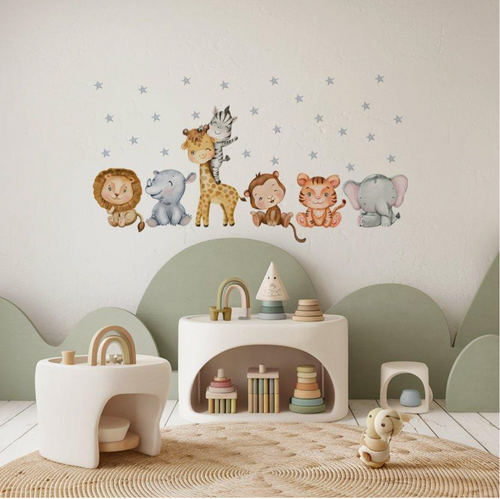
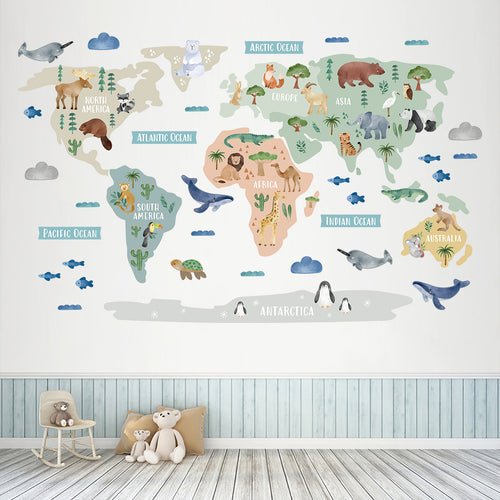


Budget options for safe children's wall stickers.
For safe children's wall stickers on a budget, check the material information, ink details and stated safety testing rather than assuming a low price means a compromise. A few well-chosen decals can bring colour and character to a nursery without a full room makeover.
Key Takeaways
- Always check the material and ink details before buying, because a low price does not tell you whether a sticker is safe for your child's room.
- Look for clear evidence of safety testing on the product page or packaging rather than relying on marketing claims alone.
- A small number of well-placed decals can add plenty of colour and personality without the cost of a full redecoration project.
- Removable wall stickers are an affordable way to refresh a nursery quickly when your child's tastes change.
- Keeping your total spend under £50 is realistic if you focus on quality basics instead of filling every wall.
Balancing a tight budget with peace of mind can be difficult, especially when decorating around a cot or curious toddler. Here’s what to check on the label, followed by a practical price guide for planning a room refresh under £50.
Are Budget Wall Stickers Safe? The Short Answer First
Yes, affordable wall stickers can be a sensible choice when the product information clearly identifies its materials, inks and relevant safety testing. Look for PVC-free materials, phthalate-free and BPA-free claims, low-VOC inks, and evidence of EN71-3 testing. These details help you assess the sticker, but no label replaces careful placement and regular checks for lifting edges.
Choose stickers with transparent safety information and apply them where a baby or toddler cannot reach and pull at them. If a seller does not state what the sticker is made from or provide testing details, ask before buying. Product descriptions are easier to assess when they answer these questions plainly.
What Makes a Wall Sticker Child-Safe?
Start with the printed design and backing material. A clear phthalate-free and BPA-free statement, PVC-free material details and low-VOC ink information are useful signs of a considered product. Check the finished sticker too: corners should sit flat, and a loose or damaged decal should be removed promptly, especially near a cot or play area where small hands can reach it.
How to Tell if a Sticker Is Non-Toxic (Jargon, Decoded)
“Non-toxic” is a broad label, so look for specific supporting details rather than relying on those words alone. PVC-free describes the material; phthalate-free and BPA-free refer to substances you may want to avoid; low-VOC describes inks with lower levels of volatile organic compounds. EN71-3 is a toy safety standard that assesses the migration of certain elements from materials. It is useful evidence, not a blanket guarantee that every aspect of a sticker is safe.
Your Pre-Purchase Safety Checklist (Materials, Certifications, Adhesive)
- Check for clear material information, including whether the sticker is PVC-free.
- Look for phthalate-free, BPA-free and low-VOC ink statements.
- Ask whether EN71-3 testing applies to the finished product, and request supporting details if unclear.
- Read the adhesive and removal instructions, particularly if you rent or have delicate paintwork.
- Plan placement away from a cot, sleeping space and areas where a child can pick at an edge.
The Children's Wall Stickers Collection is designed for children's nurseries and playrooms, with designs including forest animals, rainbows, vehicles, maps and personalised names. Check the information for your chosen design before purchase, and contact the seller if you need material or testing details.
Budget Options for Safe Children's Wall Stickers: Three Price Tiers Compared

Set your budget by the area you want to decorate, not just the number of stickers in a pack. A small group of decals can add a focal point beside a book nook, while a larger arrangement may suit a whole playroom wall. The figures below are planning tiers, not guaranteed prices for a particular design; always check the current product price, size and what the pack includes. Stickers can work for a small accent or a fuller room scheme, provided safety checks remain part of the plan.
Under £10: Small Accents for Cotsides and Cosy Corners
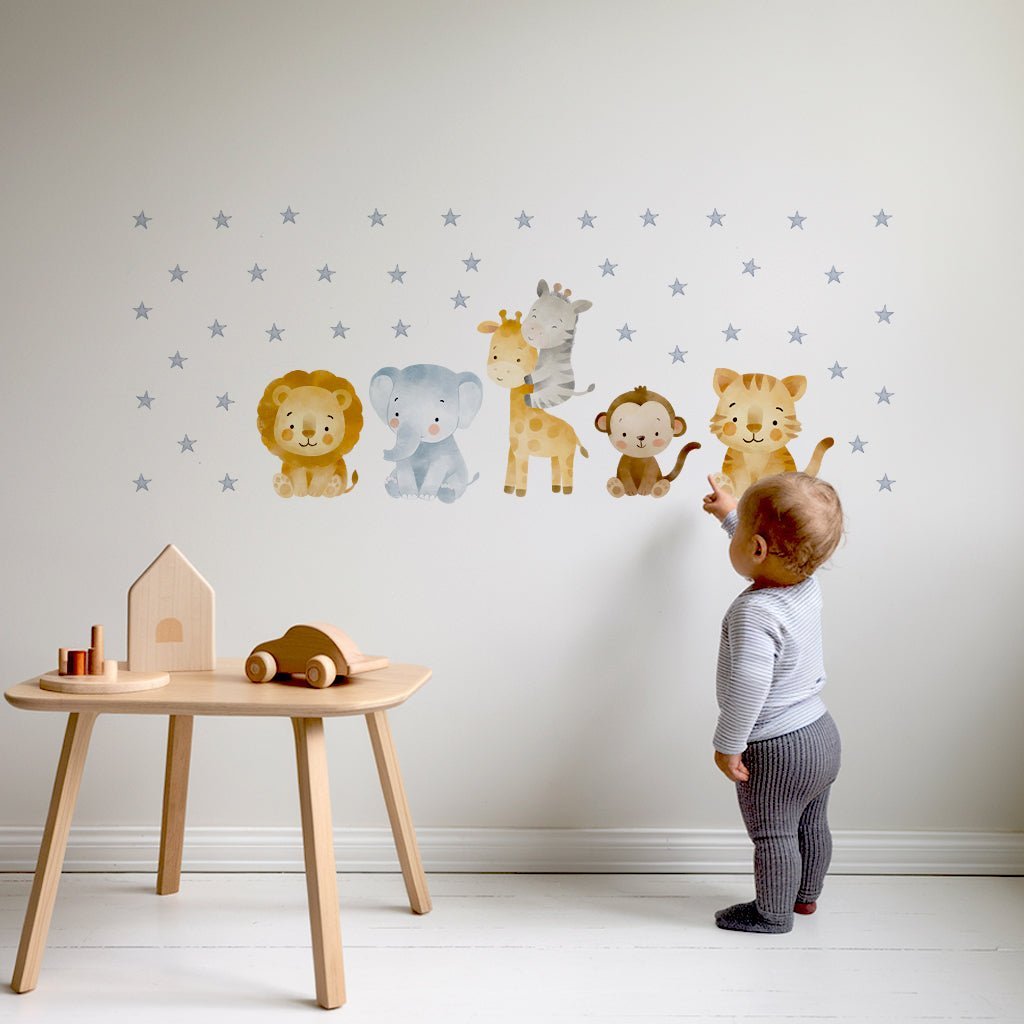
Use this tier for a modest detail, such as a few stars above a reading chair or a small motif near a changing area. Check the sticker dimensions before ordering: product photos can make a tiny set appear much larger. Keep any design out of a baby’s reach, and avoid placing decals where a child can tug at an edge.
£10-£25: Feature Walls for Nurseries and Toddler Rooms
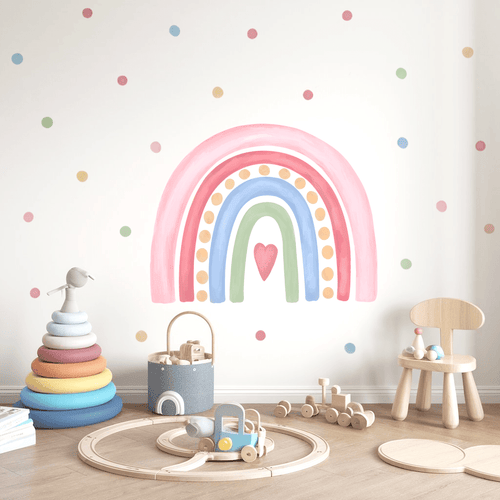
This range can suit a more noticeable grouping, such as animals around a book corner or a rainbow feature above a toy shelf. Plan the layout on paper first, allowing plenty of blank wall so the room still feels calm. The Children's Wall Stickers Collection includes nursery wall stickers and decals in a wide range of themes, so you can choose a personal design without decorating every wall.
£25-£50: Full Room Transformations That Still Rent-Safe
At the top of this guide’s budget, you can plan a coordinated look across a larger wall or combine several design elements in a playroom. Before buying, confirm the pack’s dimensions, quantity and removal guidance. In a rented home, read the care instructions and test a discreet area if the manufacturer recommends it. Choose a look that feels special now and can change as interests shift.
What Your Money Gets at Each Tier
Use this table as a planning aid, then compare the exact pack contents and safety information before checkout. A bigger price does not automatically mean better testing, so assess value alongside the details on materials, ink and adhesive.
| Budget | Room use | What to check |
|---|---|---|
| Under £10 | Small accent or cosy corner | Sticker dimensions, piece count and clear safety details |
| £10-£25 | Grouped decals or a modest feature wall | Coverage, layout options and adhesive guidance |
| £25-£50 | Larger wall arrangement or coordinated room theme | Total coverage, pack contents and removal instructions |
Spend first on the area that will make the room feel most like your child’s. A thoughtful cluster can bring a little magic without stretching the budget, and clear safety information helps you choose with confidence.
Vinyl or Fabric? Choosing the Right Material for Your Budget
Material and adhesive can affect the price and suitability of a wall sticker. Vinyl, fabric and paper each feel different to handle and may behave differently on painted walls. “Low-tack” means an adhesive is designed to hold the sticker in place while allowing easier removal than a stronger permanent adhesive. It does not guarantee that every wall finish will be left untouched. Check the maker’s instructions, consider your surface and test a small, discreet area before arranging a whole feature wall.
Removable Vinyl: The Budget-Friendly Workhorse
Removable vinyl is thin, smooth and easy to wipe gently, making it a practical choice for simple shapes and clear, colourful designs. Look for wording such as “removable” and read the instructions for your particular paint or wallpaper. Vinyl can be less forgiving on delicate, textured or newly painted surfaces, especially if the wall is dusty or the paint has not fully cured. If a corner begins to lift, take it down rather than letting a child pick at it.
Fabric Stickers: Softer Look, Easier Repeats
Fabric decals have a softer, less glossy finish and can be easier to reposition during layout. Wallhogs says quality fabric decals can be removed and reused up to 100 times; that figure is specific to its products, so check the reuse guidance for the sticker you choose. Repositionability helps when arranging stars or woodland animals, but still depends on the wall being clean, smooth and suitable. Keep the backing sheet if the instructions recommend storing decals between uses.
Which Material Suits Walls, Renters and Little Hands
Paper stickers are often less suited to repeated moves, as they can crease or tear during removal. For any material, the wall finish matters: clean, dry, smooth paint is generally easier to work with than flaking paint, rough plaster or wallpaper with a delicate surface. Renters should check tenancy rules and the sticker’s removal advice, then test an inconspicuous patch. No material can promise damage-free removal from every surface.
| Material | Feel and use | Before choosing |
|---|---|---|
| Removable vinyl | Smooth finish, suitable for simple shapes and designs | Check surface compatibility and removal directions |
| Fabric | Softer finish, useful when careful repositioning is helpful | Check whether the specific decal can be reused |
| Paper | Lightweight, better for a one-time arrangement | Consider the risk of creasing or tearing during removal |
Material trade-offs at a glance
Pros
- Removable materials allow you to refresh a room without committing to paint or wallpaper.
- Some fabric decals can be repositioned, which helps while planning a layout.
Cons
- Removal depends on wall condition, paint type and correct application.
- Material labels alone do not confirm safety or surface compatibility.
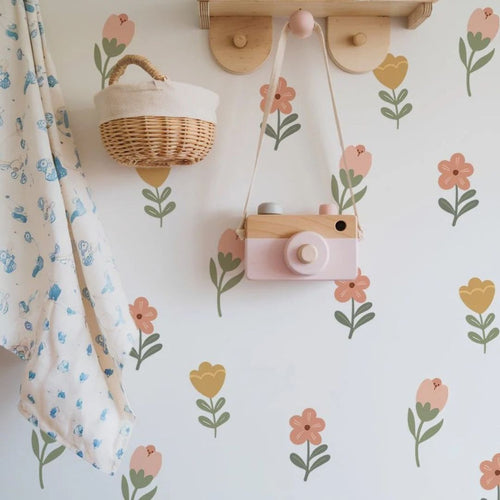
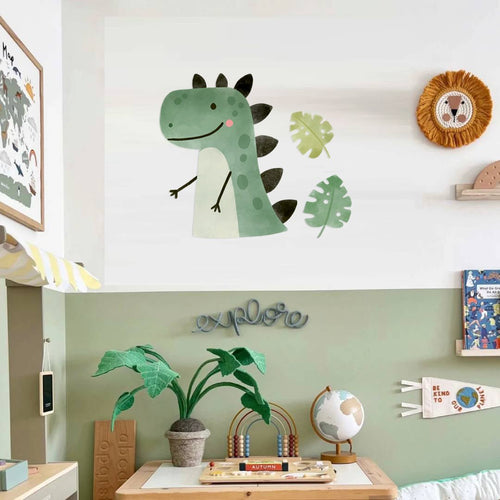
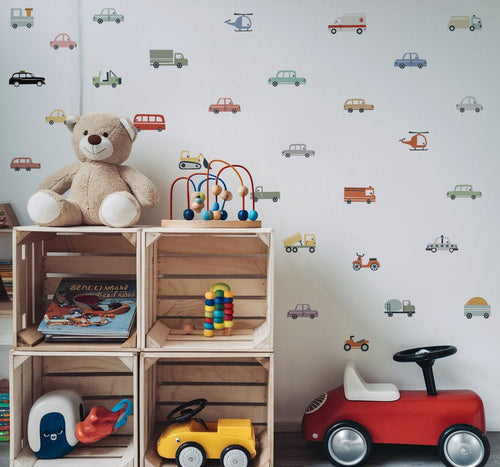
The Children's Wall Stickers Collection is made for children’s nurseries and playrooms, with designs such as rainbows, vehicles, flowers and dinosaurs. Check the details for your selected design and wall before you buy. The collection’s easy-to-remove and reposition feature can help you plan a layout, but follow the product directions for your surface.
Safe Application and Removal: A Step-by-Step Guide for Parents
Good placement and preparation make decorating calmer and safer for curious little hands. Before opening the sheet, check the wall condition, decide where the design will sit and keep the backing paper and small pieces away from children. The Children's Wall Stickers Collection includes nursery and playroom designs, so you can plan a feature around the furniture and the way your family uses the room.
Placement Safety: Cot Distance, Toddler Reach and Furniture Clearance
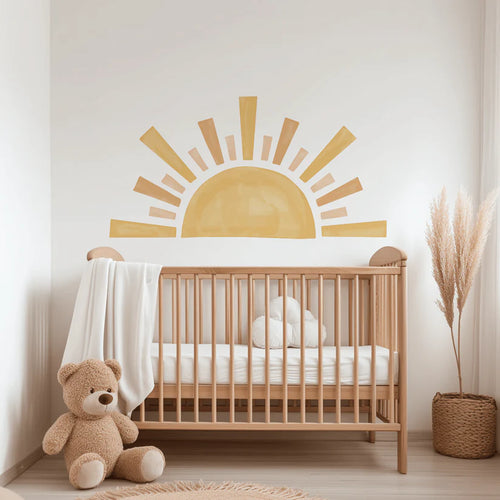
Keep decals well away from a cot, cot bed or any sleeping space, and avoid placing them where a baby could pull them down. For toddlers, think about climbing as well as standing reach: a chair, toy box or bed can bring a high sticker within reach. Place decals away from furniture edges where peeling fingers can catch a corner, and check the wall regularly for lifting or damaged pieces.
How to Apply (and Why You Should Wait 3 Weeks After Painting)
- Wait at least three weeks after painting before applying stickers, so the paint has time to cure and is less likely to lift.
- Make sure the wall is clean and fully dry. Avoid applying stickers over flaking paint, damp patches or loose wallpaper.
- Plan the arrangement with removable notes or a paper sketch before peeling the backing away.
- Apply gradually, smoothing from the centre towards the edges to reduce trapped air and help each piece sit flat.
Removing Stickers Without Damaging Paint or Your Deposit
Follow the maker’s removal directions and work slowly, lifting from a corner rather than tugging sharply. If the sticker resists, pause and use only a removal method recommended for that product and wall finish. Avoid scraping with a blade or applying heat unless the instructions specifically say it is suitable. Once the sticker is off, check for residue and clean only as directed for your paint. In a rented home, keeping the original instructions and testing first can help you avoid a surprise at check-out.
How Many Stickers Do You Need? Planning With a Measuring Tape
Measure the width and height of the wall area you want to decorate, then note nearby doors, windows, shelves and furniture. Compare those measurements with the sticker dimensions and pack contents, rather than judging coverage from a product photo. Sketch the arrangement on paper and leave space between motifs so the wall does not feel crowded. This helps you buy for the area you have, whether you are adding a small reading-corner detail or a larger playroom display.
Stickers vs Paint vs Wallpaper: The True Cost of a Room Refresh
A room refresh involves more than the checkout price. Think about how long you expect to keep the look, whether your child’s interests may change, and what you might spend to remove or replace it later. Decals can make a focused change without covering every wall, while paint and wallpaper create a broader, longer-term backdrop. Choose a design for the space you have and your child’s current stage, rather than buying more than the room needs.
Cost-Per-Year-of-Use: A Real Numbers Comparison
Those figures are in US dollars, and actual costs vary by room size, preparation and materials, so use them as a broad indication rather than a UK quote. Wallpaper costs also depend on coverage and fitting. Stickers let you change a selected area, while paint or wallpaper usually involves a larger surface and more preparation.
| Refresh choice | What the cost covers | How to think about use over time |
|---|---|---|
| Wall stickers | A selected wall area or decorative feature | Useful when you may want to change the theme without redoing the whole room |
| Paint | Paint and preparation for the chosen walls | A broad colour change can last, though a new favourite theme may prompt another repaint |
| Wallpaper | Paper, paste and fitting for the covered area | A strong room-wide look, with more work involved if you later replace it |
To compare cost per year for your own room, divide the total cost by the number of years you expect to keep the design. Add likely preparation or removal costs too. This calculation helps you weigh a small, changeable feature against a full-room finish without assuming that one choice suits every family.
Design Ideas That Grow With Your Child (Newborn to Big Kid)
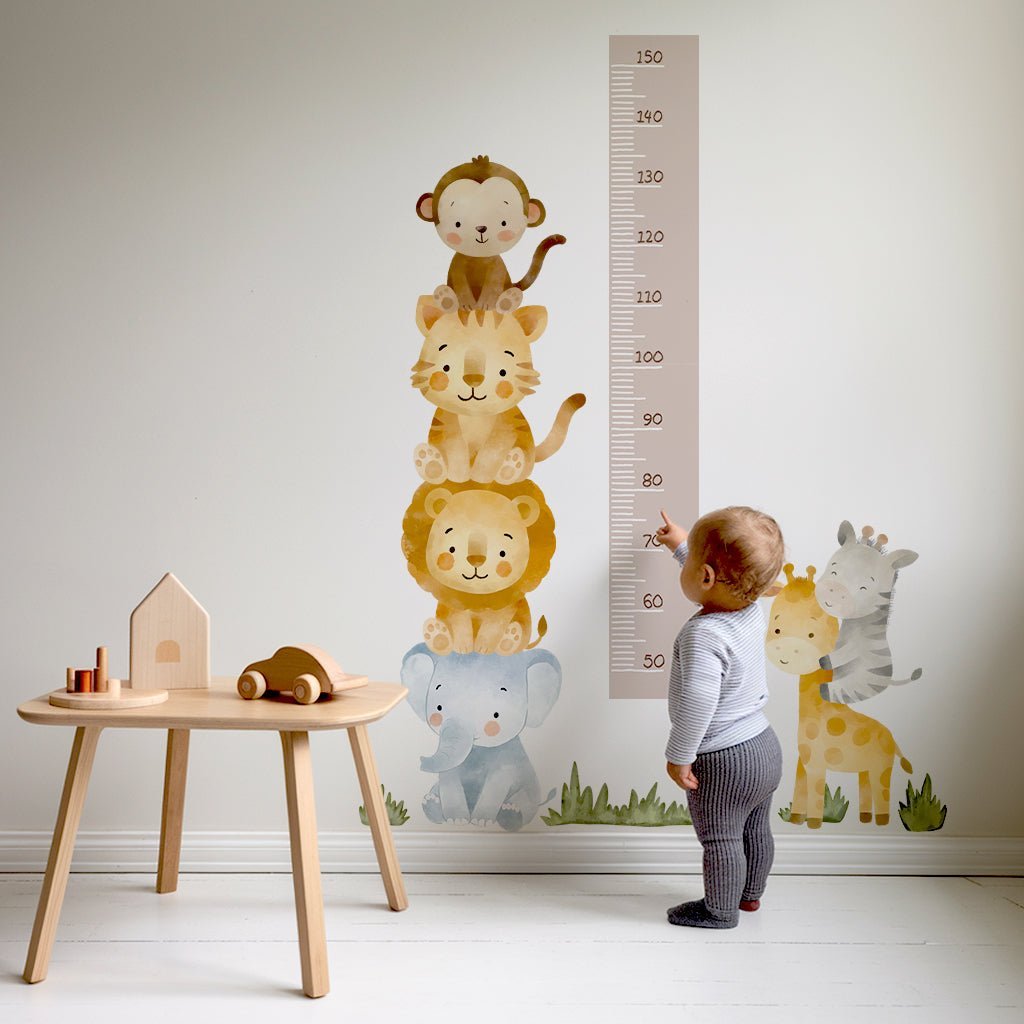
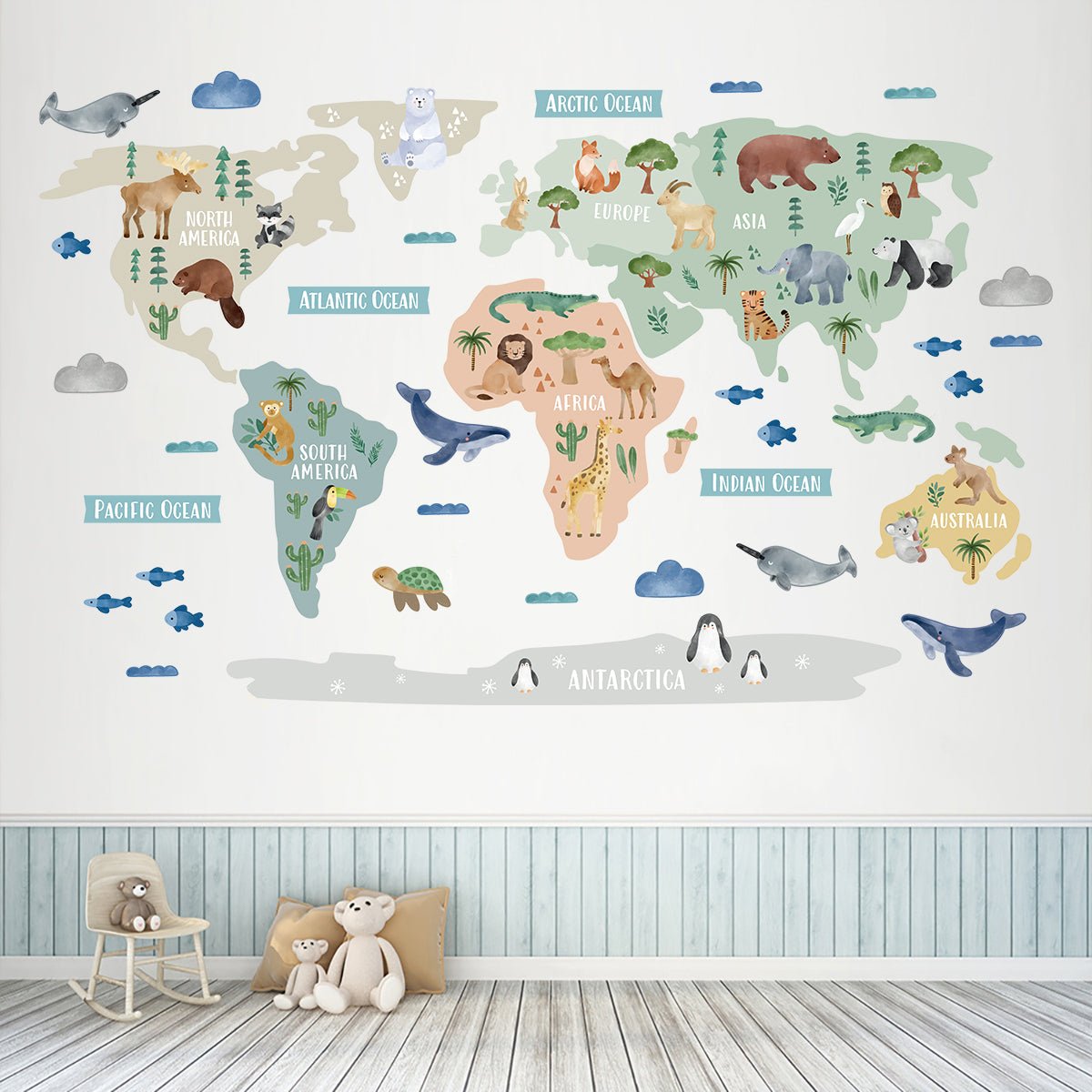
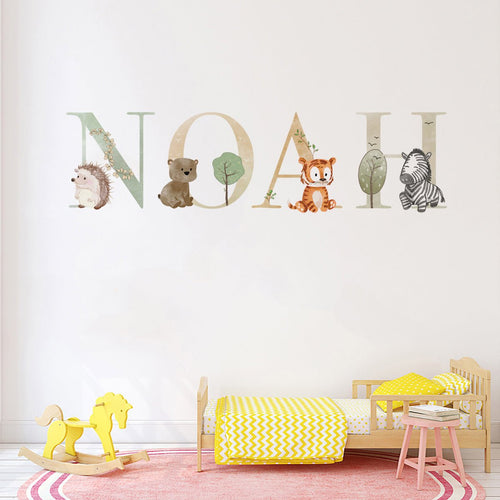
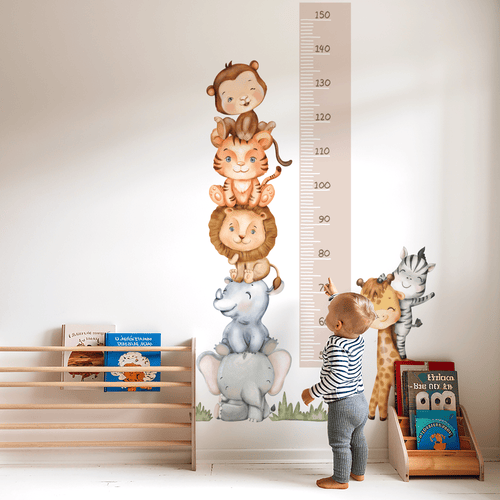
For a newborn, try a gentle cluster of forest animals or flowers in a quiet corner, keeping the sleeping area clear. As your child becomes a toddler, rainbows, friendly dinosaurs or vehicles can give a play space more personality. Older children may prefer maps, height charts or a personalised name that makes the room feel like theirs. Choose a motif that can move to another wall or sit alongside changing bedding and favourite toys. The Children's Wall Stickers Collection is designed for nurseries and playrooms, with options from animals and maps to vehicles and personalised names. Each sticker is made with love.
FAQs: Cheap Sticker Safety, Certifications and Wall Damage
Are low-cost wall stickers safe for babies and toddlers? They can be, provided you check the material, ink and safety information, then place them beyond a child’s reach. Remove any sticker that starts to lift or becomes damaged.
How can I check whether a sticker is non-toxic? Look for specific statements such as phthalate-free, BPA-free and low-VOC inks. Treat “non-toxic” on its own as incomplete information, and ask the seller for details if needed.
What certification should I look for? Ask whether EN71-3 testing applies to the finished sticker and request supporting information. This standard concerns the migration of certain elements; it is not a guarantee about every product feature.
Will a budget sticker damage paint or wallpaper? Removal depends on the surface, paint condition and product instructions. Test an inconspicuous spot first, and take extra care with delicate wallpaper or paint that is flaking.
How much should I budget for a nursery refresh? Set a limit based on the wall area and pack contents you need. A small feature may be enough to make the room feel personal, while a larger scheme calls for careful measuring before you buy. The Children's Wall Stickers Collection offers a flexible way to add a child’s favourite theme without committing to a full-room redesign.
Frequently Asked Questions
Are cheap children's wall stickers safe for a nursery?
Yes, affordable wall stickers can be a sensible choice when the product listing clearly states its materials, inks and safety testing. Look for PVC-free details, phthalate-free and BPA-free claims, low-VOC inks and EN71-3 evidence. If a seller does not state what the sticker is made from, ask before buying.
How can I tell if a wall sticker is non-toxic?
Look for specific supporting details rather than the words 'non-toxic' alone. PVC-free describes the material, phthalate-free and BPA-free refer to substances you may want to avoid, low-VOC describes inks with fewer volatile organic compounds, and EN71-3 is a toy safety standard assessing the migration of certain elements.
What are the best wall decals for kids on a tight budget?
A few well-chosen decals can add colour and character without a full room makeover. Set your budget by the area you want to decorate rather than the pack size: small accents under £10 suit cosy corners, £10 to £25 covers a modest feature wall, and £25 to £50 allows a coordinated room theme.
How do I decorate a nursery on a very low budget?
Wall stickers are one of the cheapest ways to refresh a nursery, with small accent packs starting under £10. Spend first on the area that will make the room feel most like your child's, such as a cluster of stars above a reading chair, and plan the layout on paper to keep the space feeling calm.
What should I check before buying budget wall stickers?
Check the material information, including whether the sticker is PVC-free, along with phthalate-free, BPA-free and low-VOC ink statements. Ask whether EN71-3 testing applies to the finished product, read the adhesive and removal instructions, and plan placement away from the cot or areas where small hands can pick at edges.
What are some wall stickers that don't damage walls?
Stickers with a low-tack adhesive are designed to hold the design in place while allowing removal without harming paintwork, which is especially helpful if you rent. Always read the removal instructions before buying, test a discreet area if the manufacturer recommends it, and avoid applying to textured or special effect paints without checking first.
Does a higher price mean better testing for children's wall stickers?
No, a bigger price does not automatically mean better testing, so assess value alongside the details on materials, ink and adhesive. Always compare the exact pack contents, dimensions and safety information at checkout, and remember that clear product information matters more than the tier a sticker sits in.