



childrens bed cushions
What Are Children's Bed Cushions and Why Do They Matter for Your Little One?
Children's bed cushions are specially designed pillows and soft supports sized, shaped, and filled to suit little bodies. Unlike standard adult pillows, the best children's bed cushions balance comfort with age-appropriate safety -- softer fills, breathable fabrics, and washable covers that can actually survive real family life.
Types of Children's Bed Cushions: From Sleep Support to Play Mats
Not all cushions do the same job. Sleep cushions offer gentle neck and head support for children aged two and above. Decorative cushions add personality to a made bed without being used overnight. Floor cushions and giant poufs double as seating during storytime or building blocks for the inevitable pillow fort. Knowing which type you need stops you buying the wrong thing twice.
| Type | Primary Use | Recommended Age | Key Feature |
|---|---|---|---|
| Sleep Pillow | Overnight head support | 2 years and above | Breathable, low-loft fill |
| Decorative Cushion | Styling and theming | All ages (supervised) | Fun shapes, printed covers |
| Floor Cushion | Play, reading, lounging | 12 months and above | Durable, wipe-clean fabric |
| Bolster Cushion | Side support in cot beds | Toddler stage | Firm, cylindrical shape |
Safety First: Features Every Parent Needs to Know
Always look for removable, zip-fastened covers that can be machine-washed at 60°C -- a must when nappy leaks and spilt juice are a daily reality. Avoid cushions with small decorative buttons or loose embellishments on anything used by children under three, and never place any pillow inside a cot with a baby under twelve months. Check each product listing carefully for any certifications the manufacturer provides, as these vary by brand.
Choosing the Best Materials for Children's Bed Cushions: Safe, Cosy, and Kind to Skin

Memory Foam, Organic Cotton, Latex, and Hollow Fibre: What's Inside Matters
The fill inside a children's bed cushion affects everything from how cool your child sleeps to how easy the whole thing is to wash. Here's how the main options stack up:
Memory foam moulds gently to a child's head, which sounds ideal -- but it can trap heat. If you go this route, look for ventilated or open-cell versions specifically. Hollow fibre is the most practical everyday choice: affordable, machine-washable in most cases, and widely available. Natural latex has excellent bounce-back support and resists dust mites naturally, though it comes at a higher price and isn't suitable for children with latex allergies. Organic cotton filling is soft, breathable, and free from synthetic processing -- a favourite for parents who want only natural materials against their little one's skin.
Hypoallergenic and Breathable Options to Help with Allergies
Pros of Hypoallergenic Fills
- Resistant to dust mites, mould, and pet dander
- Suitable for children with eczema or asthma
- Breathable weaves help regulate temperature overnight
- Many options carry certifications; check the individual product listing for details
Cons to Consider
- Natural latex is unsuitable for children with latex allergies
- Organic fills can cost significantly more than synthetic alternatives
- Some hypoallergenic covers require gentle wash cycles, adding care time
Bamboo-derived covers are worth seeking out for sensitive skin. Bamboo fabric is naturally temperature-regulating, moisture-wicking, and softer than standard cotton. Pair a bamboo cover with hollow-fibre or organic cotton fill and you've got a cushion that stays cool in summer and cosy in winter -- without any extra effort on your part.
Eco-Friendly Picks for Parents Who Care About the Planet
Eco-conscious parents may prefer cushions filled with recycled hollow fibre, which repurposes plastic bottles into soft, washable filling. Covers made from certified organic cotton confirm the fabric was grown and processed without harmful pesticides. Some smaller UK makers now use natural wool filling, which is biodegradable, naturally flame-resistant, and breathable year-round.
Quick tip: Choosing children's bed cushions with removable, zip-fastened covers in certified organic or recycled fabrics means you get both eco credentials and the practicality of a 40°C or 60°C machine wash. It's the simplest way to keep things clean without replacing the whole cushion.
Play vs Sleep: Picking the Perfect Cushions for Every Age and Activity
Firmness and Sizes for Toddlers, Little Ones, and Big Kids
Size and firmness matter more than most parents realise. A toddler pillow typically measures around 40 x 60 cm -- small enough to keep a little head properly supported without the neck strain caused by an oversized adult pillow. For children aged five and above, a standard junior pillow at 50 x 75 cm works well. Firmness should sit at medium: enough to hold its shape through the night, soft enough to feel genuinely cosy.
| Age Group | Recommended Size | Ideal Firmness | Best Cushion Type |
|---|---|---|---|
| 2 to 3 years | 40 x 60 cm | Soft to medium | Toddler sleep pillow |
| 3 to 5 years | 40 x 60 cm | Medium | Sleep pillow or floor cushion |
| 5 years and above | 50 x 75 cm | Medium to firm | Junior pillow or decorative cushion |
| Play (all ages) | 50 cm+ floor cushion | Firm | Floor cushion or giant pouf |
When Is It Safe to Introduce Cushions? Age-by-Age Guide
The NHS advises keeping all pillows and loose bedding out of a baby's sleep space until twelve months at the earliest, and most paediatric guidance recommends waiting until age two for regular sleep pillow use. Before that, floor cushions used during supervised daytime play are generally fine from around twelve months. Between ages two and three, introduce a low-loft toddler pillow with a breathable cover. From age five, children can use near-standard bedding with fewer restrictions.
Building Pillow Forts and Reading Nooks That Spark Imagination
Floor cushions are the secret ingredient of every great pillow fort. Stack two or three large ones as walls, drape a lightweight blanket across the top, and you've got an instant den that costs nothing beyond what you already own. Think of it like building with LEGO -- the same pieces can become a rocket ship today and a castle tomorrow.
For a reading nook, wedge a bolster cushion into a corner shelf alcove and layer two or three smaller cushions around it. Children with a dedicated cosy spot tend to read and play independently for longer. The key is choosing cushions with durable, wipe-clean covers so the fort can be built, demolished, and rebuilt again without the fabric giving up on you.
Transform Your Nursery: Pairing Bed Cushions with Wall Stickers for Dreamy Themes
Safari Animals, Rainbows, and Space: Themed Cushion and Sticker Combos
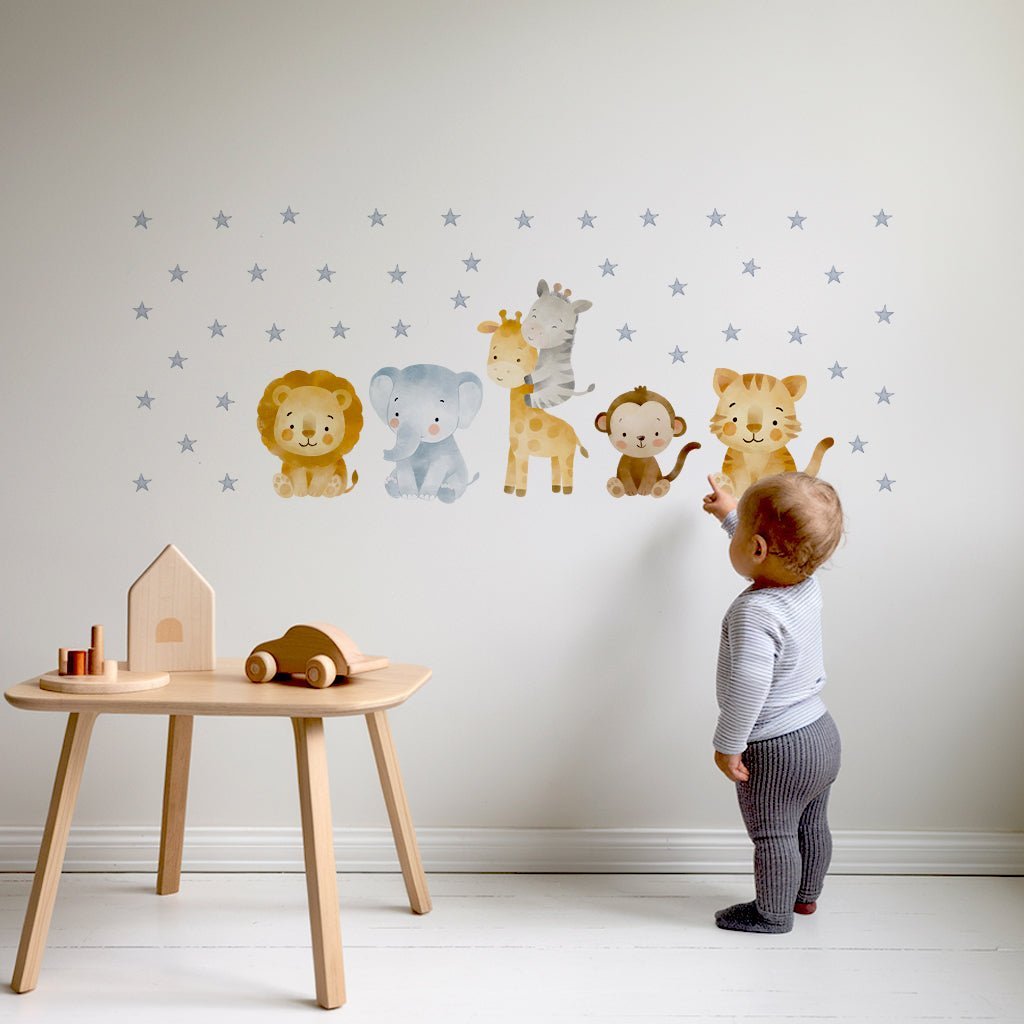
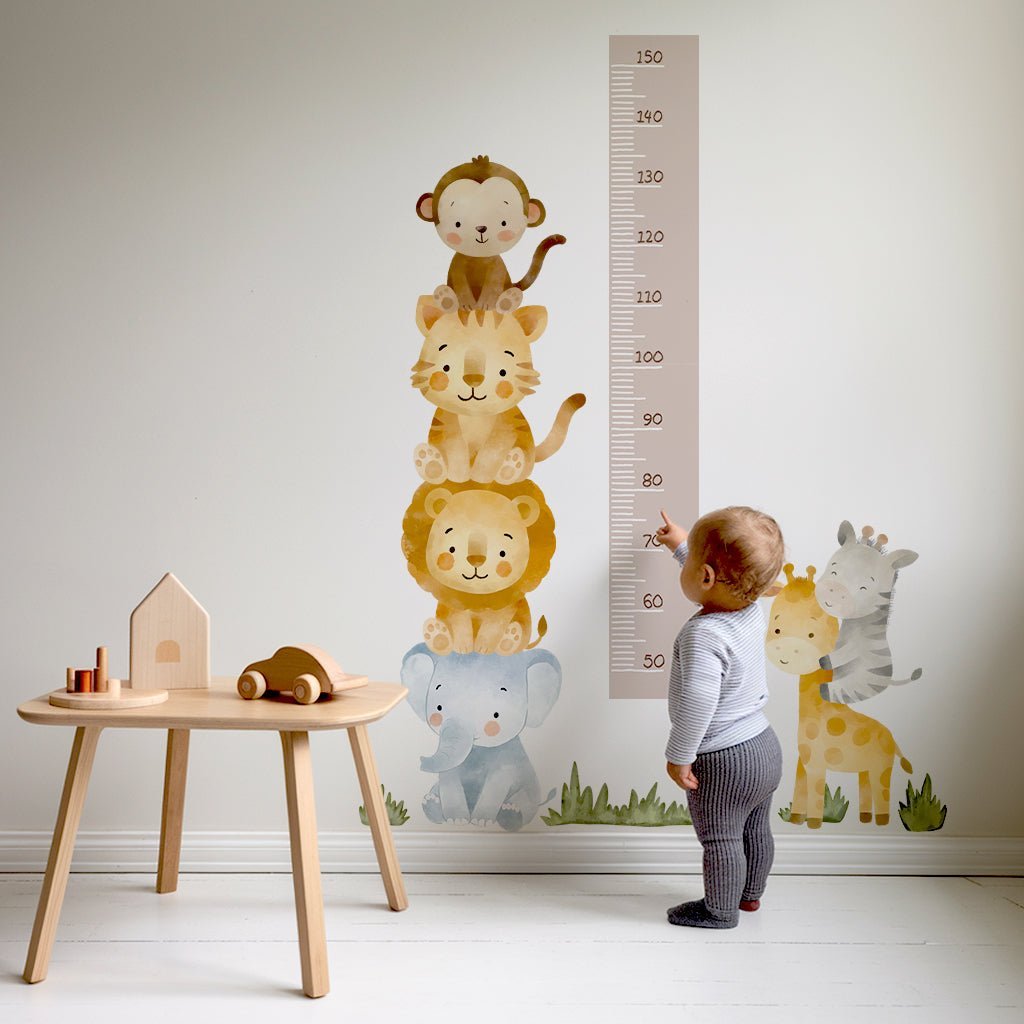
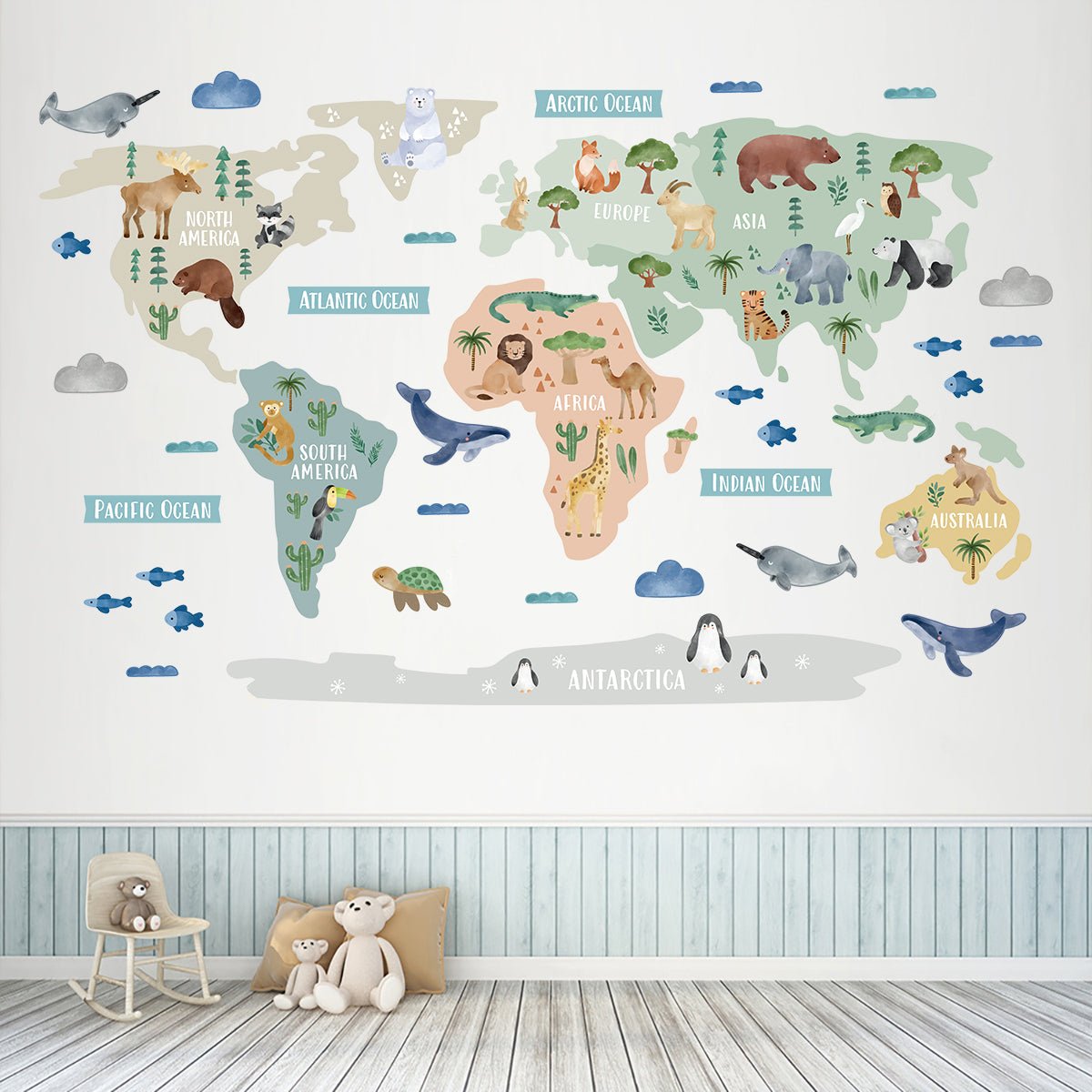
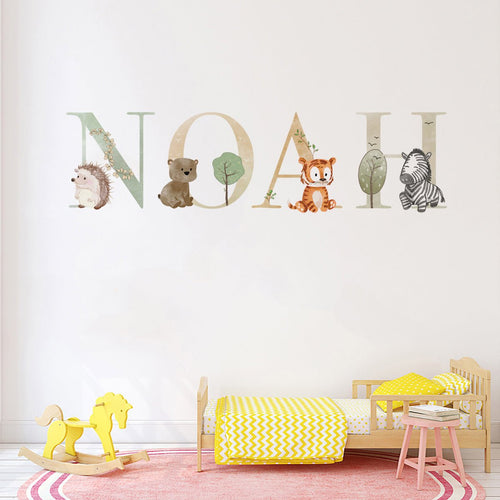
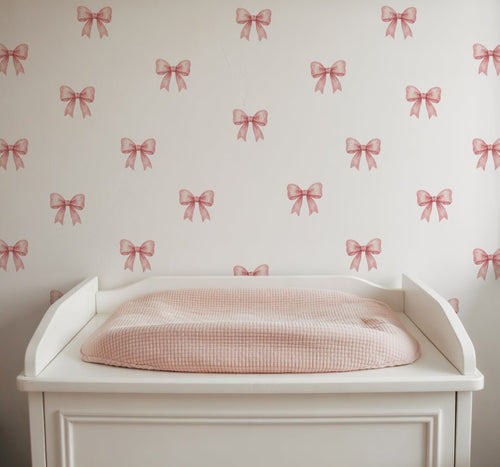
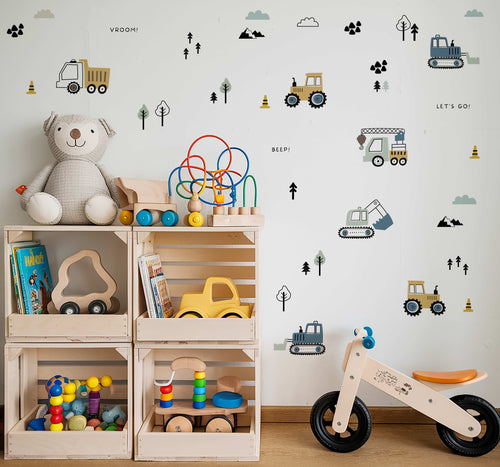
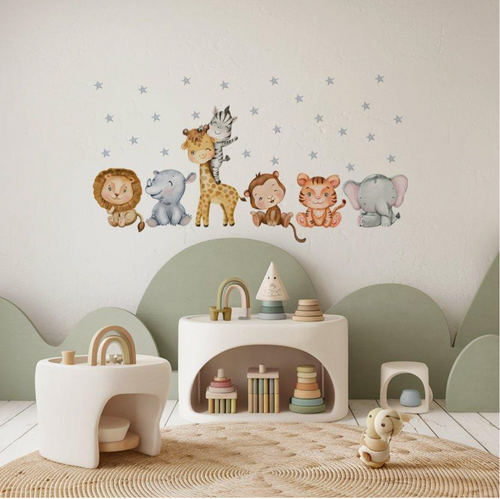
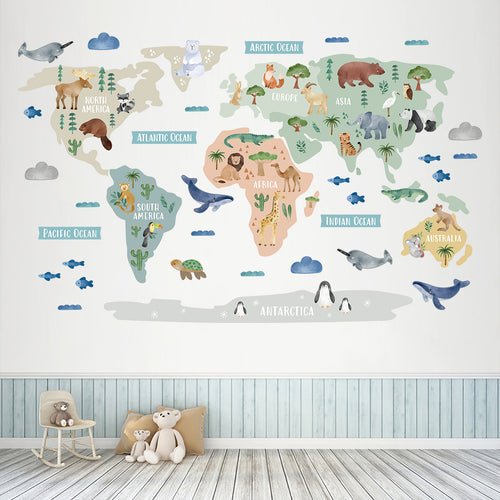
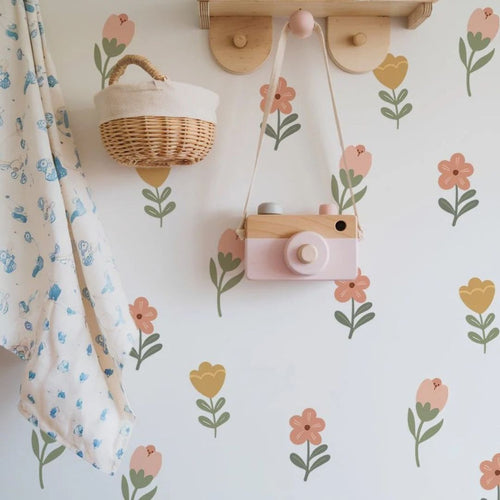
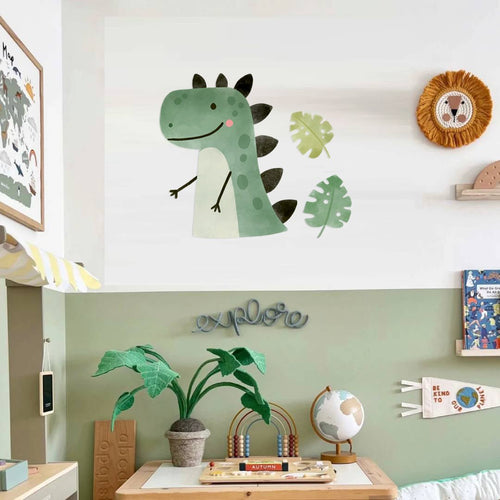
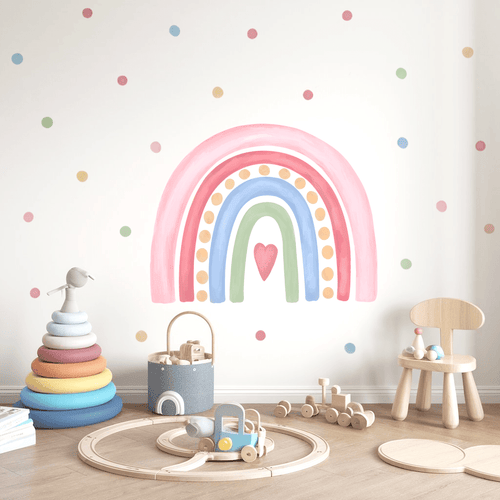
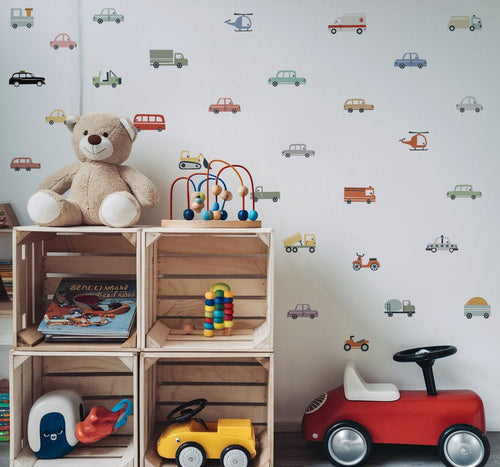
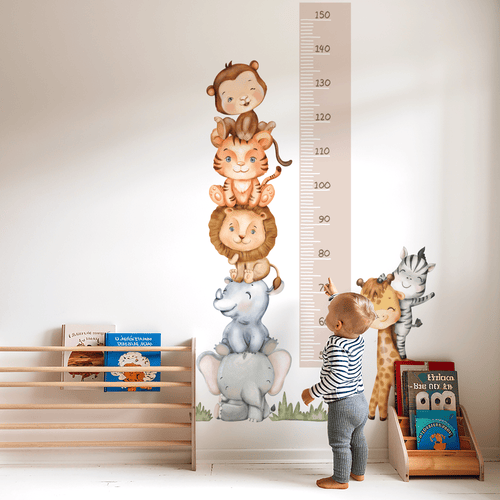
A themed room really sings when every element speaks the same visual language. Pair lion and giraffe-print cushion covers with our Safari wall sticker set and the whole room tells one cohesive story -- without a single tin of paint. Rainbow stripe cushions alongside our Rainbow Arch stickers create a cheerful, gender-neutral nursery in under an hour. For your little astronaut, planet-print floor cushions combined with our Solar System wall stickers turn a plain bedroom into a proper launchpad for bedtime adventures.
Rental-Friendly Ideas: No Paint, No Mess, All Magic
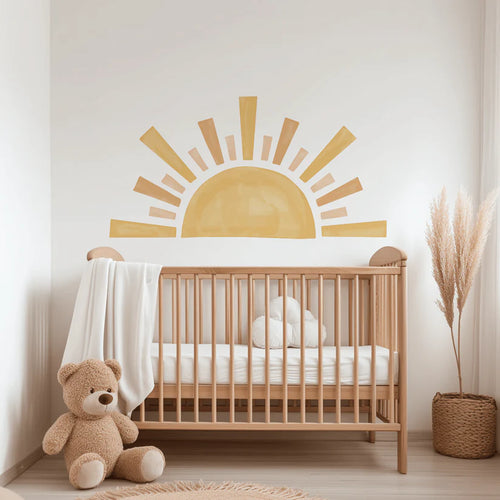
Living in a rented home doesn't mean settling for bare walls. Our removable wall stickers peel away cleanly -- zero residue, no landlord conversations required. Combine that with cushion covers you can swap seasonally and you've got a fully transformable nursery for a fraction of what redecorating would cost. When your little one moves on from unicorns to rockets, peel the stickers down and put up a new set. The cushion inserts stay; only the covers and stickers change.
Budget vs Premium: Bundle Deals Under £50 That Impress
Smart shopping tip: You don't need to spend a fortune to create a room your child will love. A set of two themed floor cushion covers (around £15 to £20) paired with a Nursery Stickers wall set (from £12.99) gives you a fully coordinated look for well under £50. Spend the rest of your budget on a quality washable cushion insert that'll last for years -- then simply swap the covers and stickers as tastes change.
Keeping Cushions Fresh: Cleaning Tips and Quick Nursery Refresh Hacks

Easy Care Routines for Busy Parents
Zip-off covers are your best friend. Wash them at 60°C weekly during illness season and at 40°C for routine freshening. Spot-clean cushion inserts with a damp cloth and mild detergent, then air them near an open window rather than tumble-drying at high heat -- that breaks down fills faster than you'd expect. Bamboo and organic cotton covers dry quickly too, which means less waiting around on laundry day.
Signs It's Time to Swap: When Tastes Change
Children's interests shift fast. When your child starts pulling the decorative cushions off the bed rather than arranging them proudly, that's usually the signal that the theme has run its course. On the practical side, replace sleep pillow inserts every one to two years, or sooner if the fill has gone flat and no longer springs back when you fold it in half.
Swapping children's bed cushion covers costs a fraction of replacing full sets. Pair a fresh cover with updated Nursery Stickers wall art and you've got one of the quickest, most affordable room refreshes going -- done and dusted before the afternoon nap is over.
Frequently Asked Questions
What makes children's bed cushions different from regular adult pillows?
Children's bed cushions are specially designed to fit little bodies, balancing comfort with age-appropriate safety. They often feature softer fills and washable covers, which are so practical for family life. Unlike adult pillows, they are sized to support a child's head and neck without being too bulky.
What are the main types of children's bed cushions available?
There are several types of children's bed cushions, each serving a different purpose. You'll find sleep pillows for gentle head support, decorative cushions for adding personality to a room, floor cushions for play and lounging, and bolster cushions for side support in cot beds. It's helpful to consider how your little one will use it.
When is it safe to introduce a sleep pillow for my child?
The NHS advises keeping all pillows and loose bedding out of a baby's sleep space until they are at least twelve months old. Most paediatric guidance suggests waiting until age two for regular sleep pillow use. Before that, floor cushions can be a lovely addition for supervised daytime play from around twelve months.
What safety features should I look for in children's bed cushions?
Always choose children's bed cushions with removable, zip-fastened covers that can be machine-washed at 60°C to handle everyday spills. For children under three, avoid cushions with small decorative buttons or loose embellishments. Remember, never place any pillow inside a cot with a baby under twelve months.
Which materials are best for children's bed cushions, especially for sensitive skin or allergies?
For sensitive skin or allergies, look for hypoallergenic fills like hollow fibre or natural latex, which resist dust mites. Organic cotton filling is a soft, breathable choice, free from synthetic processing. Bamboo-derived covers are also wonderful, as they are naturally temperature-regulating and moisture-wicking, keeping little ones cool and cosy.
How do I choose the right size and firmness for my child's sleep pillow?
Size and firmness are really important for children's bed cushions. For toddlers aged two to three, a low-loft pillow around 40 x 60 cm with soft to medium firmness is ideal. As they grow, children aged five and above can comfortably use a junior pillow at 50 x 75 cm, offering medium to firm support to keep their spine aligned.