



Key Takeaways
- The right children's bedroom light shade softens harsh ceiling bulbs into gentle, sleep-friendly glows.
- Using a light shade can make bedtime routines smoother and the room feel cozier.
- A well-chosen shade reduces eye strain and eliminates stark shadows caused by bare bulbs.
- Light shades add personality to a child's room and can adapt to their changing tastes.
- Installing a light shade requires no rewiring or redecorating, making it an easy upgrade.
Table of Contents
- What Is a Children's Bedroom Light Shade & Why It Matters
- Safety First: Choosing a Child-Friendly Bedroom Light Shade
- Types of Children's Bedroom Light Shades
- Materials, Colours & Brightness: How to Get the Mood Just Right
- Age-Appropriate Lighting: From Nursery to "Big Kid" Bedroom
- How to Choose the Right Size & Style of Children's Bedroom Light Shade
- Creating a Calming Bedtime Lighting Routine with Light Shades
Children's Bedroom Light Shade Ideas: Safe, Cosy & Magical Lighting for Your Child's Room
The right childrens bedroom light shade transforms harsh ceiling bulbs into gentle, sleep-friendly glows that make bedtime routines smoother and rooms feel instantly cosier. Unlike bare bulbs that can strain young eyes or create stark shadows, a well-chosen shade softens light, adds personality, and grows with your child's changing tastes, all without rewiring or redecorating.
From safety considerations for toddlers to task lighting for homework corners, choosing the perfect shade involves balancing brightness, materials, and style. Whether you're creating a calming nursery or updating a "big kid" bedroom, the right lighting sets the foundation for both restful sleep and creative play. For more inspiration on decorating, see childrens decor bedroom.
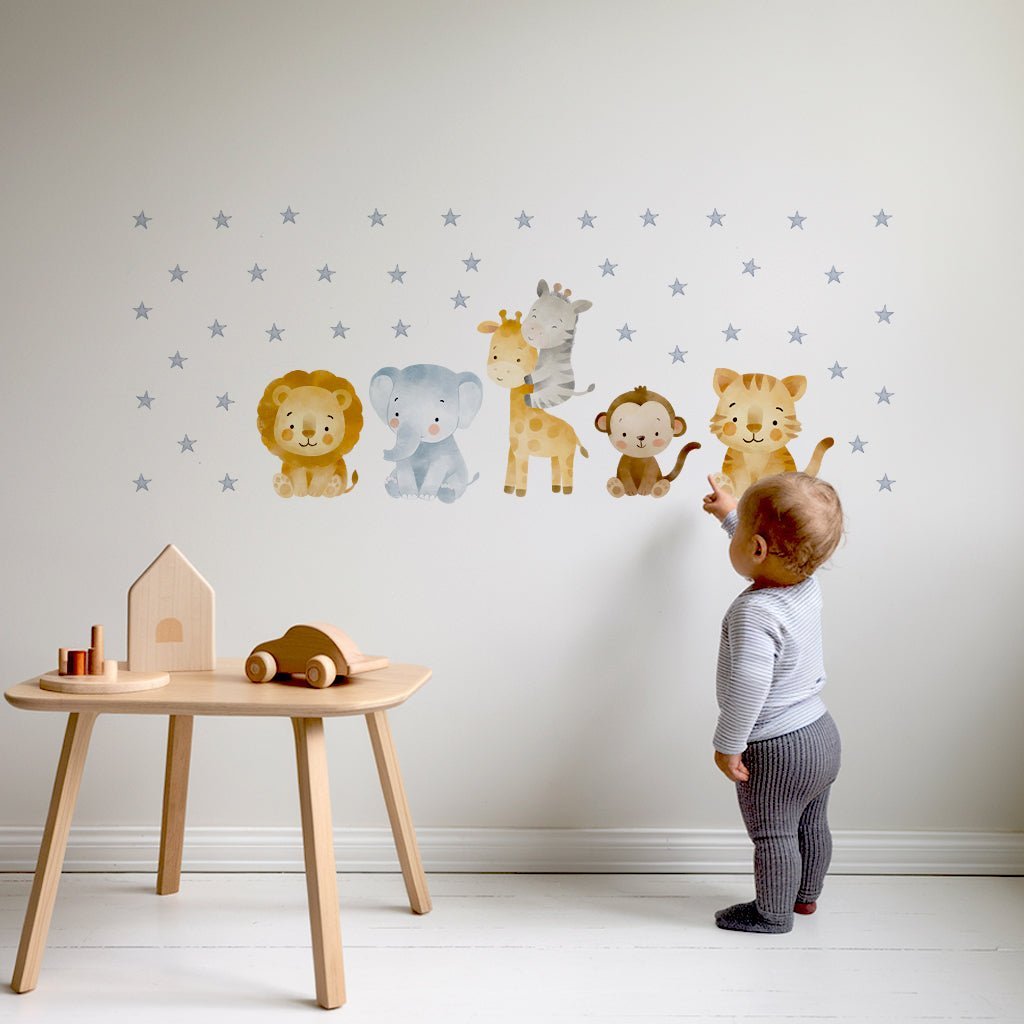
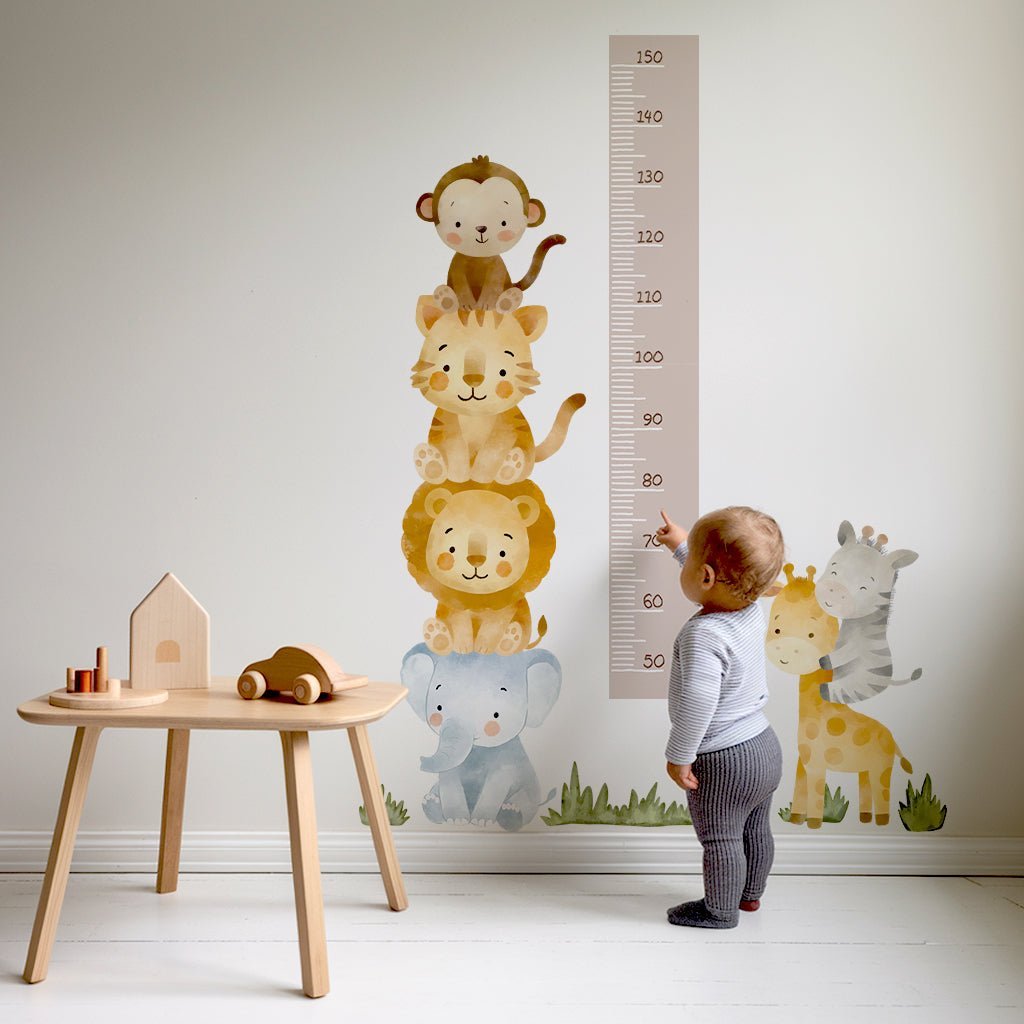
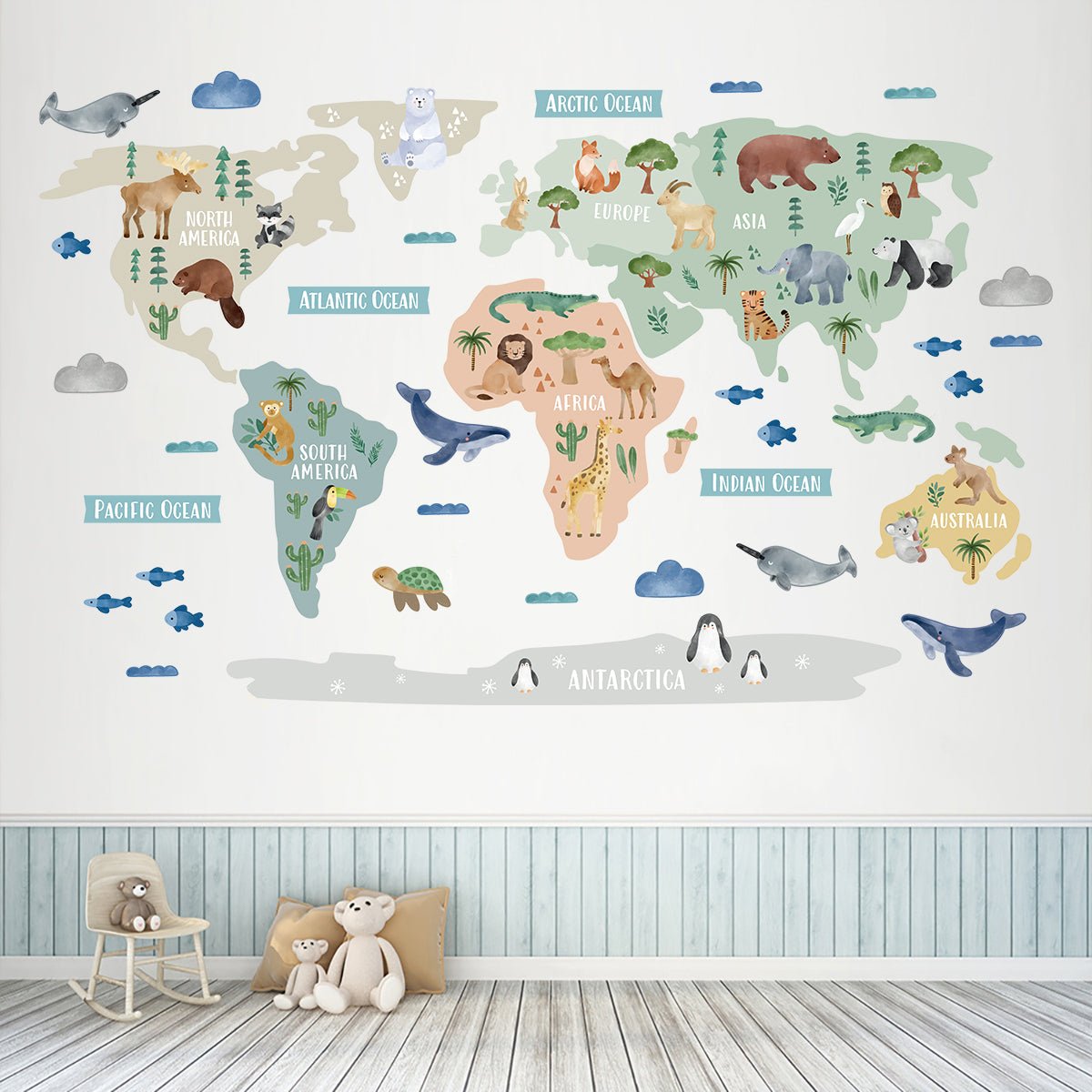
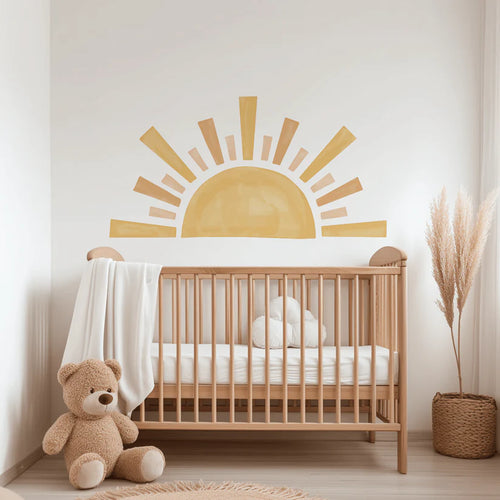
Many parents also love pairing their light shade choices with themed wall stickers or gentle night lights to create a cohesive, soothing space. If you're looking for more ways to transform your child's room, transform your bedroom with stylish wall stickers for additional ideas.
What Is a Children's Bedroom Light Shade & Why It Matters
Quick Answer: A children's bedroom light shade is the decorative cover around a bulb that softens glare, shapes mood, and adds personality to ceiling lights, pendants, or bedside lamps. It's essential for creating age-appropriate lighting that supports both play and sleep.
Simple Definition (In Parent-Friendly Terms)
A childrens bedroom light shade is simply the cover that sits around or over a light bulb, whether on your ceiling fixture, a pendant lamp, or bedside table light. It transforms a bright, potentially harsh bulb into softer, more comfortable illumination. Think of the difference between staring at a naked 60W bulb versus the same bulb nestled inside a gentle fabric drum shade, instantly more welcoming and easier on young eyes.
Why Light Shades Are Extra Important in Kids' Rooms
Children's eyes are more sensitive to bright, direct light than adults', making unshaded bulbs uncomfortable for play and disruptive to sleep routines. A properly chosen shade creates visual cues that signal different times of day, bright, cheerful light for morning play, softer tones for evening wind-down. This consistency helps establish healthy sleep patterns while protecting developing vision from glare.
Where Light Shades Go in a Child's Room
Most children's bedrooms benefit from at least two light sources: a main ceiling or pendant light for general illumination, and a softer bedside or wall-mounted lamp for reading and nighttime comfort. Each typically needs its own shade to control brightness and direction. A good rule is having one bright, shaded overhead light for daytime activities and one gentler, shaded accent light for bedtime routines.
Safety First: Choosing a Child-Friendly Bedroom Light Shade

Heat, Bulbs & Safe Distances
LED bulbs are the safest choice for children's rooms, running cool even after hours of use and lasting 15,000+ hours. Always maintain 5–7cm clearance between the bulb and shade for proper airflow, and never exceed the maximum wattage printed on your fitting, typically 10W LED for most children's shades. If a shade feels warm to touch after 10–15 minutes, or you notice discolouration or plastic odours, switch to a lower-wattage bulb immediately.
Safe Materials for Children's Bedrooms
Fabric and thick plastic shades stay coolest and are shatter-resistant, making them ideal for active play areas. Paper shades create beautiful, soft light but should only be used with cool-running LEDs. Avoid glass shades above beds or in rooms with ball games, metal and rattan are sturdier alternatives, though rattan can cast dramatic shadows that some children find unsettling at bedtime.
Fixtures, Cords & Out-of-Reach Zones
Keep all cords and pull-switches at least 1.5–2m above floor level, well away from curious hands and climbing attempts. For bunk beds, ensure ceiling or pendant shades hang minimum 60cm from the top bunk to prevent head bumps. Check all fittings every 3–6 months, loose screws or wobbly lampholders pose safety risks in busy children's rooms.
Quick Safety Checklist Before You Buy
- LED bulb compatibility and correct wattage rating
- Heat-resistant materials (fabric, thick plastic, metal)
- Adequate clearance from bulb surface
- Secure mounting away from beds and play areas
- No dangling cords within child's reach
- Safety certification marks (CE, UKCA)
Types of Children's Bedroom Light Shades
Ceiling & Flush-Mount Shades
Ceiling shades sit close to the ceiling, perfect for rooms under 2.3m height or smaller spaces where hanging pendants would feel overwhelming. Choose simple drum or dome shapes in easy-clean materials, they provide bright, even general lighting without collecting excessive dust. These work brilliantly as your main room light paired with softer accent lighting.
Pendant Shades (Including Over-Bed Rules)
Pendant lights hang from the ceiling on a cord or chain, making them perfect for rooms with higher ceilings over 2.4 metres. They create a stunning focal point and work particularly well in larger bedrooms where you want to make a statement.
Best for: Rooms with ceilings above 2.4m, creating a focal point, and themed designs like clouds, hot-air balloons, or moons. The key safety rule is hanging height – keep the bottom of any pendant at least 2.1 metres from the floor and well clear of bunk beds or loft beds.
Popular designs include paper lanterns, fabric drums, and sculptural shapes that double as room décor. Just remember that pendants can collect more dust than flush mounts, so choose materials you can easily wipe clean.
Bedside & Task Light Shades
Smaller, directed shades are brilliant for reading corners and older children's homework areas. Unlike ceiling lights that illuminate the whole room, these create focused pools of light exactly where you need them.
The ideal height places the base of the shade roughly 40–50 cm above the mattress or desk surface. This prevents glare whilst providing enough light for comfortable reading. Clamp lamps and wall-mounted options free up precious bedside table space – perfect for smaller rooms.
Night Lights & Super-Soft Shades
Night light shades work differently to main room lighting. They need to provide just enough glow to navigate safely without disrupting sleep patterns. Look for very low brightness around 20–50 lumens with warm colour temperatures.
The right shade prevents harsh spots and scary shadows that can unsettle nervous sleepers. Simple shapes work best – avoid busy patterns or moving projections that might feel overwhelming at 2am. For more on the science and benefits of night lights, see night light.
Materials, Colours & Brightness: How to Get the Mood Just Right
Common Shade Materials (and How They Change the Light)
Each material transforms light differently, affecting both brightness and atmosphere. Fabric shades create beautifully soft, diffused light that's perfect for bedtime routines, though they do collect more dust than other options.
Plastic shades offer easy cleaning and often produce brighter light – choose thicker or frosted varieties to avoid glare. Paper shades give the softest glow but work best with cool-running LED bulbs only. Rattan and woven materials cast lovely patterned shadows, ideal for playrooms, but test them at night to ensure the shadows don't feel scary.
Metal shades provide strong directional light, making them better suited to desk areas than as the sole bedroom lighting source.
| Material | Light Quality | Best For | Maintenance |
|---|---|---|---|
| Fabric | Soft, diffused | Bedtime lighting | Regular dusting needed |
| Plastic | Bright, even | Main room light | Wipe clean easily |
| Paper | Very soft glow | Accent lighting | Gentle cleaning only |
| Rattan | Patterned shadows | Play areas | Dust with soft brush |
Shade Colour, Opacity & Room Brightness
Pale shades in white, cream, or soft pastels maximise brightness – perfect for smaller rooms under 8–10 square metres. Dark colours like navy or bright jewel tones can reduce brightness by 30–50%, so they work best in larger spaces or when paired with additional lamps.
The opacity level matters just as much as colour. Solid drum shades provide even, contained light, whilst perforated designs create interesting patterns. Semi-sheer fabrics offer a gentle compromise between brightness and cosiness.
Warm vs Cool Light with Children
Understanding Kelvin ratings helps you choose the right bulb for your childrens bedroom light shade. 2,700–3,000K produces warm, cosy light that's ideal for bedtime routines. 4,000K and above gives cooler, more energising light that's better for homework and active play.
Many families use warm bulbs in the main ceiling shade and slightly cooler bulbs at desk areas. This creates natural zones within the room that support different activities throughout the day.
Matching Material & Colour to Your Child's Age
Babies benefit from very soft, indirect light through fabric or paper shades in warm white tones. Toddlers need more robust materials like quality plastic or fabric, paired with calming colours that won't overstimulate.
School-age children often enjoy brighter setups with dedicated task lighting. They may gravitate towards bolder colours or patterned shades that reflect their developing personalities – just ensure the designs can grow with their changing tastes. For a playful touch, explore rainbow light shades for inspiration.
Age-Appropriate Lighting: From Nursery to "Big Kid" Bedroom

Quick Age Guide for Childrens Bedroom Light Shades
- 0-12 months: Dimmable warm light (2,700K), fabric shades
- 1-3 years: Ceiling + bedside + night light setup
- 4+ years: Add task lighting (300-500 lumens) for reading
Babies (0–12 Months): Gentle, Low-Glare Glow
Avoid bright overhead lighting during night feeds – your childrens bedroom light shade should create a calm environment that doesn't fully wake either of you. Shaded bedside or wall lights work perfectly for those 2am moments.
Dimmable bulbs or a secondary soft lamp give you flexibility throughout the day. Choose soft, neutral or pastel shades that won't overstimulate developing eyes. Fabric or paper materials work beautifully at this stage.
Toddlers (1–3 Years): Reassuring & Play-Friendly
This age needs clear daytime light for active play through a ceiling shade, plus a calmer evening setup with bedside and night lights. Position night lights at least 1 metre from the bed at low level, away from direct eye contact.
Fun themes work well now, but avoid making the room too visually busy. Think simple animal silhouettes or gentle stars rather than complex patterns that might feel overwhelming. For more themed ideas, check out animal light shade options.
School-Age Children (4+ Years): Homework, Reading & Independence
Introduce dedicated task lighting around 300–500 lumens focused on reading areas. School-age children spend more time on homework and independent activities, so proper lighting becomes essential for eye health.
Involve them in choosing themes they love, but select childrens ceiling light shades that can evolve with their interests. Stars, stripes, or simple geometric patterns tend to have longer staying power than very specific character themes.
Transitioning from Nursery to Big Kid Lighting
The simplest updates involve swapping just the shade and bulb temperature rather than replacing entire fittings. For example, transition from a pastel cloud shade with warm bulb to a navy star shade with slightly brighter, cooler lighting.
This approach saves money whilst allowing the room to grow with your child's developing personality and practical needs.
How to Choose the Right Size & Style of Children's Bedroom Light Shade
Measuring for Ceiling & Pendant Shades
Use this simple formula: room width (metres) + room length (metres) = ideal shade diameter in centimetres. A 3m × 4m room works perfectly with a 35–40cm shade.
For low ceilings, keep shade height under 25–30cm to avoid the space feeling cramped. Higher ceilings can accommodate taller, more dramatic childrens ceiling light shades.
Choosing the Right Proportion for Bedside Lamps
Your shade should measure roughly ⅓–½ the height of the lamp base for visual balance. The diameter should be slightly wider than the base's widest point to ensure stability and proper light distribution.
This creates pleasing proportions whilst ensuring the shade doesn't look lost on a large base or overwhelming on a delicate one.
Matching Shades to Existing Décor (Without Starting Again)
Pick one colour from existing bedding or wall art and echo it in your childrens room lampshade. This creates instant coordination without requiring a complete room makeover.
Use neutrals for main ceiling shades, then introduce themed designs through bedside or wall lights. For example, woodland wall stickers pair beautifully with a soft green linen shade and warm white bulb. For a comprehensive overview of wall sticker options, see the ultimate guide to childrens wall stickers.
Themes & Designs Kids Love (That Still Feel Calm)
Popular themes include animals, space, vehicles, rainbows, botanicals, clouds, and simple geometric patterns. Choose designs that won't date quickly – silhouettes and line drawings tend to have longer appeal than very detailed illustrations.
The key is finding the sweet spot between exciting enough to delight your child and calm enough to support good sleep habits.
Creating a Calming Bedtime Lighting Routine with Light Shades
The 30–60 Minute Wind-Down Window
Shift to dimmer, warmer light for the last 30–60 minutes before sleep. This gradual transition helps signal bedtime to your child's natural rhythms.
Create a simple sequence: ceiling light → bedside lamp → tiny night light. Each step reduces brightness whilst maintaining enough visibility for bedtime stories and final preparations. For NHS advice on helping your baby to sleep, see helping your baby to sleep.
Using Shades to Soften and Direct Light Away from Eyes
Position bedside lamps so the shade directs light downwards or sideways, not directly into your child's eyes. This creates a gentle, comforting glow that's perfect for winding down. Adjustable shades or those with a closed top are especially helpful for bedtime reading, as they prevent glare and keep the light focused where it's needed most.
Layering different light sources with the right shades lets you create a bedtime routine that feels calm, magical, and uniquely yours, no stress, no mess, and no need to redecorate the whole room.
Frequently Asked Questions
Why is it important to use a light shade in a children's bedroom instead of a bare bulb?
Using a light shade softens the harsh glare of a bare bulb, making the light gentler and more comfortable for little eyes. It helps reduce eye strain and eliminates stark shadows, creating a cosy, calming atmosphere that supports better sleep and smoother bedtime routines.
How do I choose a safe and child-friendly light shade for my toddler's bedroom?
Look for light shades made from non-toxic, flame-retardant materials that won’t overheat, and avoid anything with small parts that could come loose. Choose designs that are easy to clean and securely fitted to prevent accidents, ensuring the shade is sturdy but lightweight for peace of mind.
What types of light shades work best for different age groups, from nurseries to older kids' rooms?
Soft fabric or frosted shades work well in nurseries for gentle, diffused light, while older kids might enjoy playful shapes or themed designs that reflect their interests. Adjustable or dimmable shades are great as children grow, letting you tailor brightness for playtime, homework, or bedtime.
How can I use light shades to create a calming bedtime lighting routine for my child?
Choose warm-toned light shades that cast a soft, soothing glow to help signal winding down time. Pair them with dimmable bulbs or bedside lamps to gradually lower light levels, making the room feel cosy and relaxing, perfect for easing your child into a peaceful night’s sleep.