



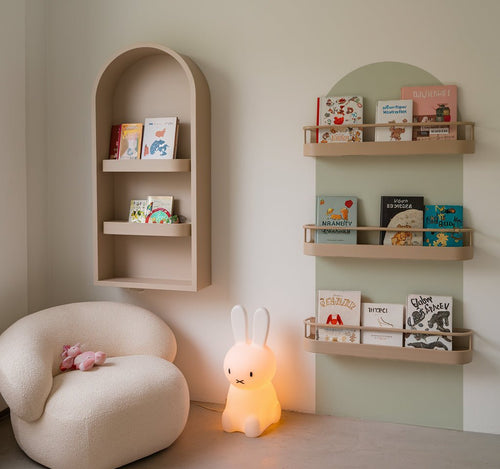

Compare Scandi palette options for UK parents?
Compare Scandi palette options for UK parents? Start with the room itself: warm neutrals can make a dim nursery feel welcoming, while cool shades create a quieter, airier mood. Pastels bring gentle colour, but work best as measured accents in a compact space.
Key Takeaways
- Warm neutrals are a smart pick for nurseries that get little natural light, as they make the space feel cosy and inviting.
- Cool Scandi shades suit parents who want a calm, airy atmosphere, especially in a bright or spacious room.
- Pastels add soft colour without overwhelming a small nursery, so use them sparingly as accents rather than covering every wall.
- Removable wall stickers let you test a palette before committing, since you can peel them away when you fancy a change.
- Look at your room's light and size first, then choose the palette direction that complements what you already have.
You can try the look without painting. We make removable wall stickers in a premium vinyl and fabric mix, so you can add personality to a neutral base and change the arrangement as your child grows. Check your wall’s condition and your tenancy rules before applying any product.
How we chose Scandi palette options for UK nurseries
Warm, cool and pastel Scandi palettes can all suit a nursery. The right direction depends on natural light, room size and the atmosphere you want, rather than a fixed set of rules. Comparing them side by side helps you see which shades fit your home and how much colour you want to introduce.
What makes a colour palette Scandinavian?
Scandi colours commonly begin with soft white, grey and beige, then add a restrained accent such as muted green, dusty blue or blush. Natural wood and simple textiles can bring warmth without filling the room with competing shades. The result can feel calm and lived-in, whether you prefer a warm, cool or softly coloured scheme.
Our selection criteria: light, room size, flexibility and everyday use
We compared each option for its potential in a nursery, its gender-neutral appeal, how it might work in a small room and the ease of trying the look without repainting. We also considered everyday flexibility: children’s interests change, and a nursery may later become a bedroom or play space.
Light affects how a shade appears, so a colour that looks soft on a sample can feel different on a full wall. We include removable stickers as a non-permanent way to add a feature or accent, not as a promise of suitability for every surface or rental agreement.
Five Scandi nursery palette picks, ranked for UK parents

These five picks compare flexible decoration with familiar paint colours that can act as palette anchors. The paint names are examples for planning a colour scheme, not endorsements or claims about suitability for a nursery. Before choosing, consider the wall finish, daylight and how the shades look in your own room.
1. Nursery Stickers removable wall stickers: flexible accents for a neutral base
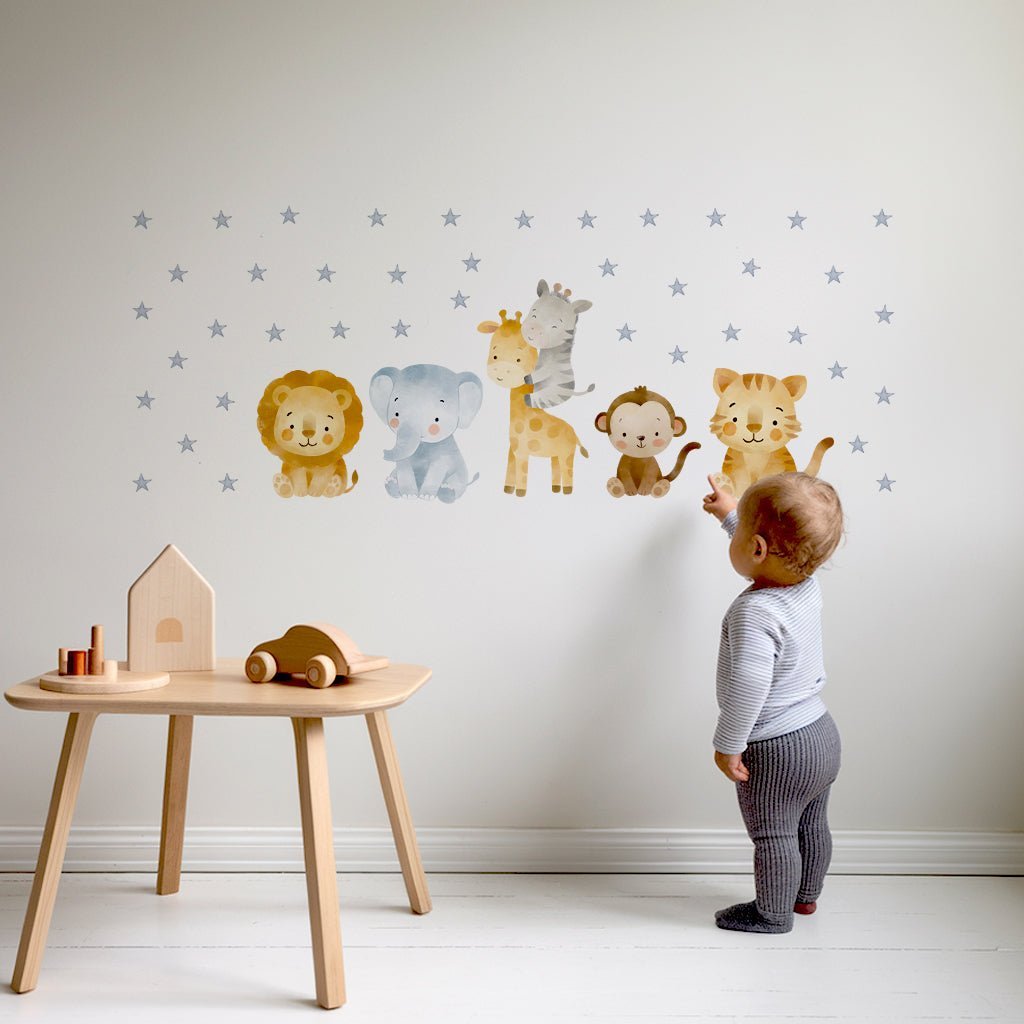
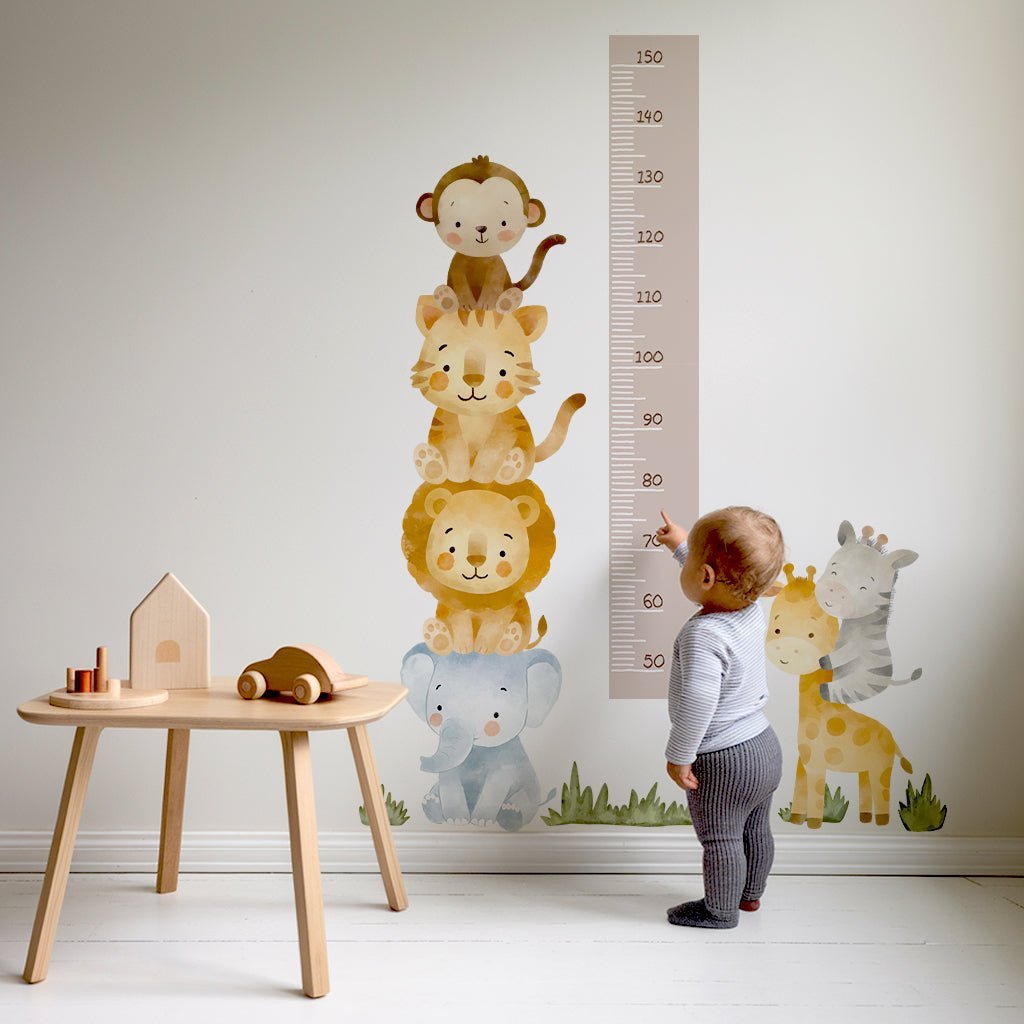
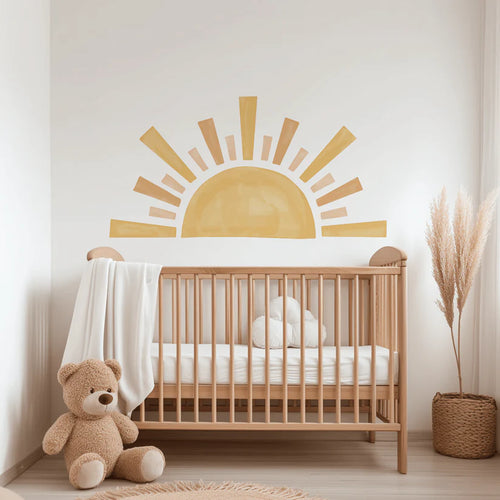
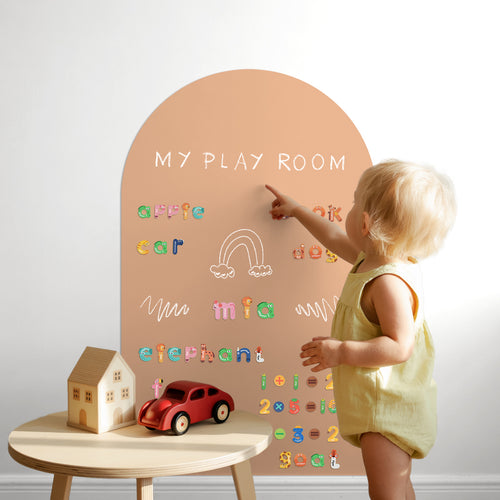
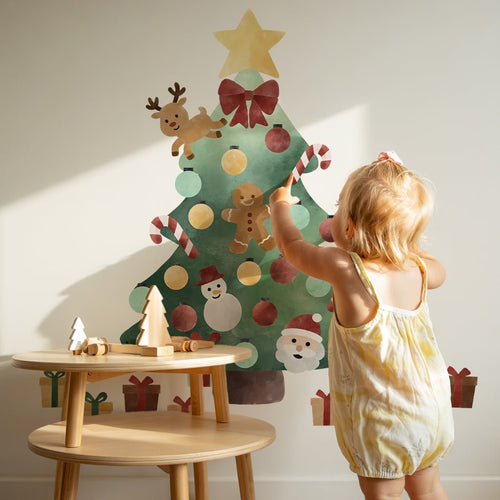
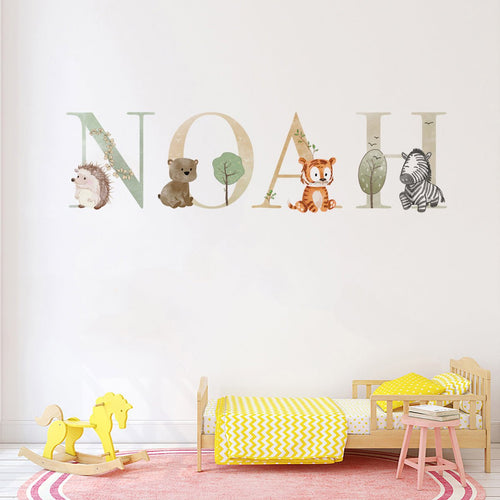
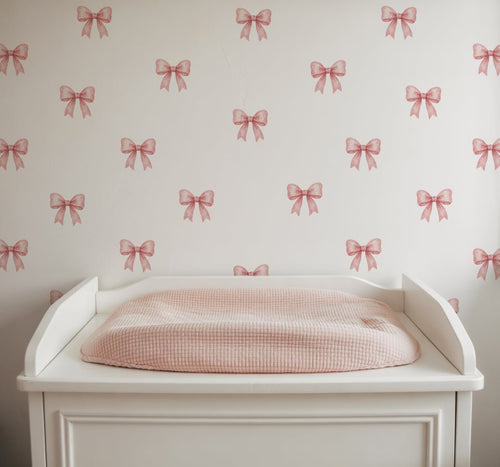
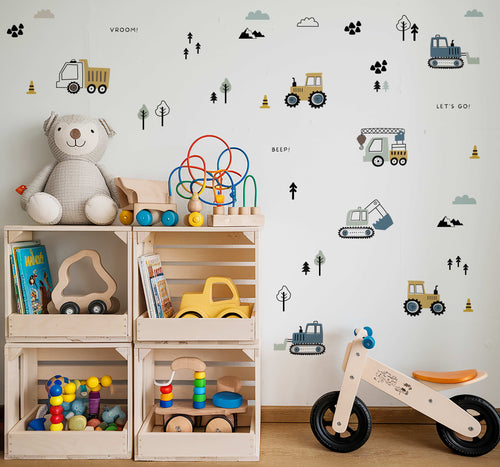
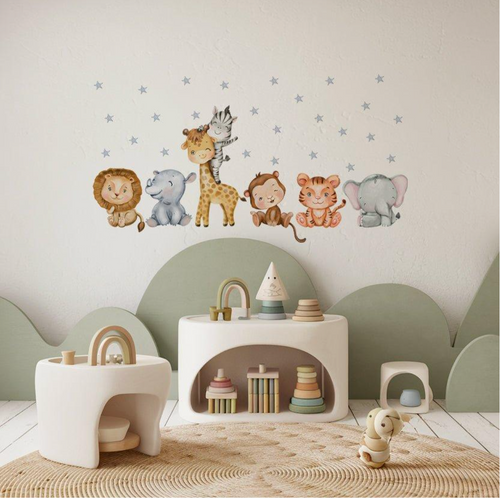
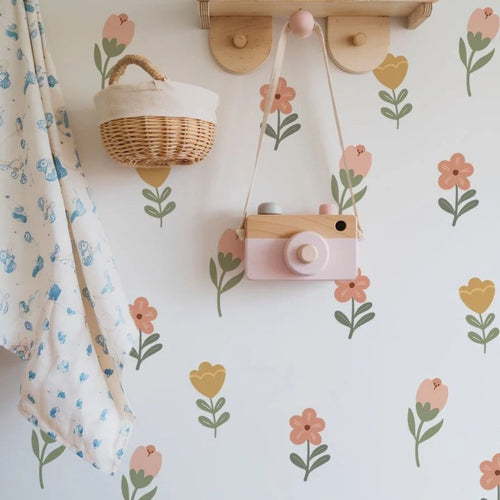
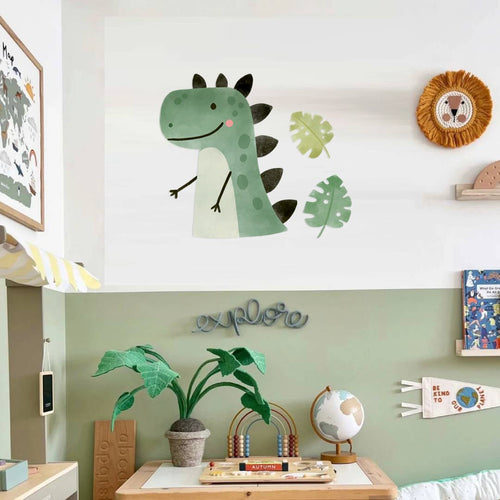
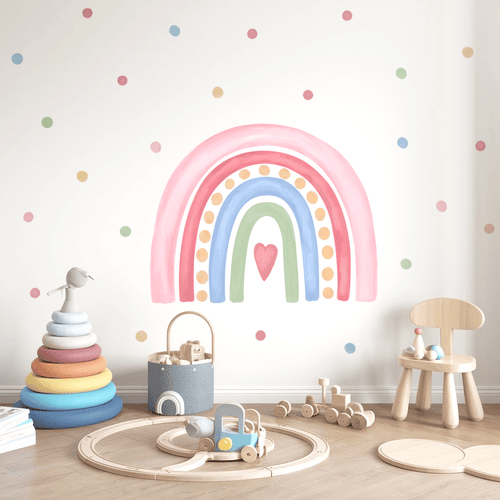
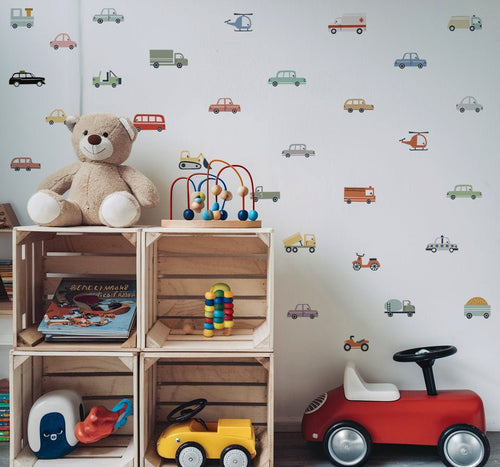
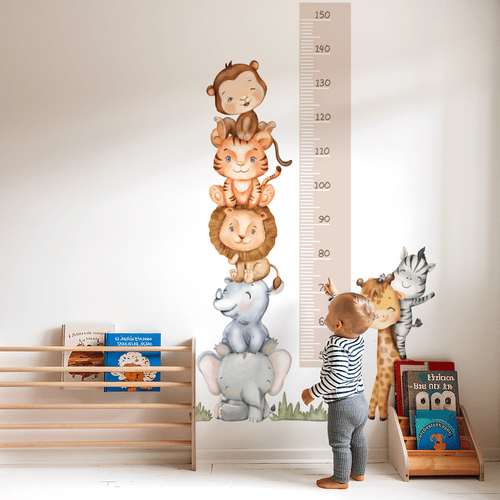
Best for: Parents who want to personalise an existing neutral wall without committing to a painted feature. Our animal, rainbow and shape designs add a considered accent, and the removable format makes it easier to refresh the room as tastes shift. Follow the product instructions and check that your wall is suitable before application.
2. Farrow & Ball School House White: a soft white starting point
Best for: A light base that can sit alongside wood, soft grey or small touches of colour. A quiet white gives you room to change bedding and accessories over time. Paint is a more lasting choice than removable decoration, so renters should check their agreement before making changes.
3. Dulux Natural Hessian: a warm beige option
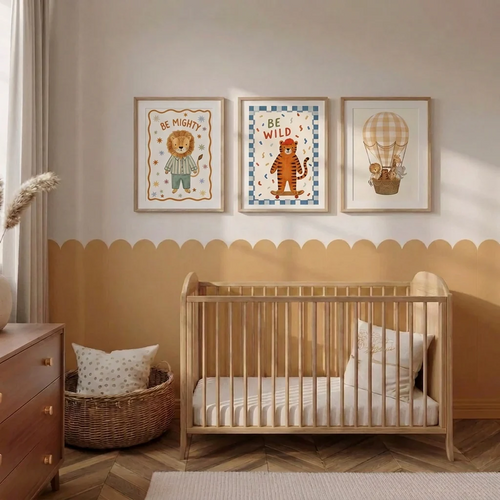
Best for: A nursery where you want a warmer neutral than white. Beige can feel welcoming in a north-facing room or one with limited daylight, while still pairing easily with cream, natural wood and muted green. Check a sample in the room first, as surrounding light can shift the way a shade reads.
4. Little Greene French Grey: a muted grey choice
Best for: Parents drawn to a cool, understated base. Muted grey can give a nursery an airy, settled feel and work well with white fabrics or gentle blue accents. In a room with little daylight, cool shades may feel chilly, so balance them with warm wood or textiles.
5. Farrow & Ball Pink Ground: a gentle pastel accent
Best for: A soft wash of colour for a nursery that needs a little warmth. Blush can work with cream, pale wood and restrained green, though a large area of pastel may feel more dominant in a small room. Try it as an accent if you want the scheme to stay subtle.
| Pick | Palette type | Pros | Cons | Best use case | Renter-friendly approach |
|---|---|---|---|---|---|
| Nursery Stickers removable wall stickers | Flexible accents on a neutral base | Adds colour and character; easy to refresh | Wall suitability and tenancy conditions need checking | Changing themes or adding a focal detail | Check the surface, instructions and agreement first |
| Farrow & Ball School House White | Soft white | Pairs with many accent colours | Painting may not suit a rental | A light, adaptable base | Use existing white walls as the starting point |
| Dulux Natural Hessian | Warm beige | Can bring warmth to a neutral scheme | Appearance varies with light and surroundings | A cosy-feeling low-light room | Add beige through furnishings or removable accents |
| Little Greene French Grey | Muted cool grey | Works with white and soft blue | May feel chilly in limited daylight | A restrained, cool-toned scheme | Try grey textiles or suitable removable details |
| Farrow & Ball Pink Ground | Gentle pastel | Adds softness and a subtle colour note | Can dominate if used broadly in a small room | A gentle accent or pastel-led scheme | Bring in blush through accessories or removable accents |
Warm shades often feel welcoming in a dim room; cool shades can feel airy, yet less cosy when daylight is limited. Pastels add softness, though a small space may call for a lighter touch. Compare samples or accessories in the actual room, since daylight, wall condition and personal preference all affect the finished look.
How to use Scandi colours without painting
You can build a Scandi nursery scheme around the walls and furnishings you already have. Keep the largest area calm, bring in a second colour through practical pieces such as bedding or a rug, then add a smaller accent with removable wall stickers. This approach gives you room to create a personal look without repainting, and makes it easier to change details as your child grows.
A step-by-step sticker plan for a rental nursery
Start by looking at the wall colour, cot, curtains and storage. Choose one neutral already present as your base, rather than trying to match every item. Next, pick a supporting shade for a blanket, lampshade or storage baskets. Finish with one focused detail, such as a small group of animal or rainbow stickers, instead of covering every available wall.
- Choose a clear, uncluttered area and decide where the focal detail should sit.
- Check the wall surface and read the product instructions before application.
- Arrange the pieces before fixing them, so you can adjust spacing and placement.
- Apply them as directed, then step back and check the balance with the room’s other colours.
For a warm look, try beige with sage and cream. For a cooler scheme, combine grey with muted blue and white. Soft white, blush and natural wood make a gentle alternative. Our removable stickers are made from a premium vinyl and fabric mix and are designed to remove cleanly, but results can depend on wall condition, finish and application.
Choose a 60:30:10 colour balance
The 60:30:10 approach is a loose planning guide: use one main colour across roughly 60% of the scheme, a secondary shade for about 30%, and reserve the final 10% for accents. In a nursery, the main colour might come from the walls and larger furniture, the secondary from bedding and a rug, and the accent from a few decorative details.
Treat the ratio as a prompt, not a measuring exercise. A mostly white room with pale wood may need only a small touch of sage, while a beige base can take muted green across several soft furnishings. If the accent begins to dominate, remove or rearrange a few pieces until the room feels comfortable to you.
Check the wall and your tenancy rules first
Before applying any decoration, check that the wall is clean, dry and in suitable condition, then follow the product’s guidance. Textured, freshly painted or damaged surfaces may behave differently from a smooth, sound wall. If you are unsure, seek advice from your landlord or letting agent and ask whether removable wall decoration is permitted.
- Read the product instructions and check any surface guidance.
- Review your tenancy agreement or ask your landlord or letting agent.
- Consider the wall finish and condition before choosing a placement.
- Do not assume a removable product is suitable for every wall or rental home.
Match your palette to the nursery, bedroom or living room
Choose colours in context, not just from a screen or a sample card. The room’s daylight, existing furniture and wall finish all affect how a shade appears. In a nursery, begin with a palette that feels restful to you, then consider whether it will still work if the room becomes a child’s bedroom or play space. Testing a few colours at different times of day can help you make that decision.
Small nursery with limited daylight
For a compact or dim room, try a light base and keep stronger colours to controlled accents. This can help the scheme feel visually settled, though colour alone cannot change the room’s size. Compare a soft white, pale beige or light grey in the actual space, checking how each looks in morning and afternoon light. Add warmth through wood or fabric if a cool shade feels stark.
Gender-neutral nursery that can grow with your child
Soft green, muted blue, warm beige and gentle grey can all work in a nursery without relying on rigid colour rules. Pair one of these shades with cream or natural wood, then keep character details easy to swap. A calm foundation lets you change a wall accent, cushions or bedding as your child’s interests shift, without needing to redesign the whole room.
Children’s bedroom and shared living spaces
In a child’s bedroom, let practical pieces carry some of the colour: a duvet, book ledge or toy basket can bring in a favourite shade while keeping walls adaptable. For a shared living room, echo the same palette more quietly through a cushion, woven basket or framed print. Repeating one or two colours between rooms can create a considered connection without making them feel identical.
Natural materials, textures and UK daylight
Wood, cotton, wool and woven materials add texture and warmth without introducing a crowd of extra colours. A pale wooden cot, cotton bedding and a wool blanket can soften a cool grey or make a white scheme feel less bare. Since daylight varies from room to room, view fabrics and colour samples in place before deciding which combination feels right.
Before settling on a scheme, use this quick check: how much room do you have, and when does natural light reach it? Are you renting, and have you checked the rules and wall suitability? Finally, do you want the look to adapt as your child grows? Your answers can help you choose between a warm, cool or pastel direction without treating any one palette as the only right choice.
Scandi nursery palette FAQs

There is no single Scandi palette that suits every nursery. Begin with the room’s daylight, the colours already in place and the atmosphere you want, then choose a scheme that feels comfortable to live with.
Which Scandi palette works best for a small nursery?
A light base in soft white, pale grey or gentle beige is a useful starting point for a compact room. Add colour through a few smaller details rather than covering every surface in a strong shade. The room’s window, aspect and surrounding colours all affect how the palette looks, so view samples or fabrics in place at different times of day.
How can I use Scandi colours without painting?
Use existing wall colours as your base, then introduce Scandi shades through bedding, a rug, storage or soft furnishings. Removable wall stickers offer another flexible way to add a decorative accent. Check the product instructions, wall condition and surface suitability before applying them. If you rent, review your tenancy terms or ask your landlord or letting agent whether wall decoration is permitted.
What are good gender-neutral Scandi colours?
Warm neutrals, soft greens, muted blues and gentle greys can all form a gender-neutral nursery scheme. You can pair them with cream, white or natural wood, then add personal details through pictures, toys or changeable accessories. These are possibilities, not rules: choose shades that suit your home and that you enjoy seeing every day.
How do I choose between warm and cool palettes?
Warm beige and creamy neutrals may feel welcoming in a room with limited daylight. Cool grey or muted blue can create a quieter mood, though they may feel less cosy in a dim space. Look at your room’s natural light and existing furniture, then decide whether you prefer a snug or airy feel. A small accent lets you try a direction before adding more colour.
Frequently Asked Questions
What exactly is a Scandi colour palette?
A Scandi colour palette starts with soft whites, greys and beiges, then adds one restrained accent such as muted green, dusty blue or blush. Natural wood and simple textiles bring warmth without competing shades, giving the room a calm, lived-in feel.
Which Scandi palette works best for a small nursery?
Cool whites and soft greys often suit a small nursery best because they create an airier, quieter mood. Pastels bring gentle colour but work best as measured accents, since a large area of blush or mint can feel dominant in a compact space.
How do I choose between warm and cool Scandi palettes?
Look at the natural light in your room first. Warm shades like beige can make a dim or north-facing nursery feel welcoming, while cool greys create an airy feel that may seem chilly where daylight is limited. Test samples in the actual room, as light changes how a shade reads.
How can I use Scandi colours without painting?
Keep the largest area calm with your existing walls, bring in a second colour through bedding or a rug, then add a smaller accent with removable wall stickers. Our premium vinyl and fabric stickers let you add personality to a neutral base and rearrange as your child grows.
What are the best Scandi colours for a gender-neutral nursery?
Soft whites, muted greys, warm beiges and gentle accents like dusty blue, muted green or blush all work beautifully for a gender-neutral nursery. These shades pair easily with natural wood and simple textiles, and you can swap accents as tastes change.
Are wall stickers a good option for rented nurseries?
Yes, removable wall stickers are one of the easiest ways to decorate a rental nursery without losing your deposit. Ours are made from a premium vinyl and fabric mix, though we always recommend checking your wall's condition and your tenancy agreement before applying any product.
Do Scandi colours look different on a full wall than on a sample?
Yes, light affects how a shade appears, so a colour that looks soft on a small sample can feel quite different covering a whole wall. We suggest comparing samples or accessories in your actual room, since daylight, wall condition and personal preference all shape the finished look.