



cute tiger cubs
Why We Can't Resist Those Adorable Tiger Cubs!
Cute tiger cubs are irresistible. Oversized paws. Wide, curious eyes. Fluffy striped coats. Born blind and weighing less than 1.5 kg, they grow from helpless little bundles into powerful big cats -- all while playing, pouncing, and melting hearts along the way.
The 'Aww' Factor: What Makes Tiger Cubs So Utterly Cute?
Pictures of tiger cubs stop you mid-scroll every time. There's actually science behind it: their large foreheads, round eyes, and small noses trigger the same nurturing instinct in us that human babies do. Throw in those oversized paws they haven't grown into yet, and you don't stand a chance.
Tiger cubs are born with their iconic stripes already in place. No two tigers share the same stripe pattern, making every cub uniquely its own from day one.
From Fluffball to Force of Nature: A Tiger Cub's Journey
Newborn cubs are completely dependent on their mother, eyes sealed shut for the first two weeks. By three months, those tiny milk teeth give way to proper canines. By six months, they're attempting to stalk anything that moves. Watching a cute baby tiger go from wobbly fluffball to confident predator is one of nature's most remarkable transformations.
The Power of Play: Why Tiger Cubs Are Nature's Little Entertainers
Play isn't just fun for tiger cubs -- it's their school. Every pounce, tumble, and mock ambush of a sibling sharpens the reflexes they'll rely on as adults. Litters of two to four cubs spend their first year wrestling, chasing, and generally causing chaos around their mother. If you've ever watched a toddler tear through a living room, you'll recognise the energy immediately.
Meet the Feline Family: A Peek at Different Tiger Cub Types

The Majestic Bengal Cub: Fierce Beauty in Miniature
Bengal tiger cubs are the most numerous wild tiger cubs on the planet, found across India, Bangladesh, and Nepal. Their deep orange coats and bold black stripes are the image most of us picture when we think of cute tiger cubs. Bengal cubs are also among the largest at birth, growing quickly into the powerfully built adults their subspecies is known for.
The Elusive Sumatran Cub: Small but Mighty
Sumatran tiger cubs are the smallest of all, born to the only surviving tiger subspecies native to an Indonesian island. Their stripes sit closer together than those of Bengal cubs, giving them a distinctly darker coat. With fewer than 400 Sumatran tigers remaining in the wild, every cub born represents something genuinely precious.
The Snow-White Wonder: A Look at White Tiger Cubs
White tiger cubs aren't a separate subspecies. Their colouring comes from a rare genetic mutation, most commonly seen in Bengal tigers. Those ice-blue eyes and cream-coloured coats make white tiger cub images some of the most searched pictures of tiger cubs online. In the wild, this colouring makes camouflage nearly impossible -- which is why white tigers are exceptionally rare outside captivity.
Beyond the Stripes: Other Tiger Subspecies and Their Young
The Amur tiger, native to Russia's Far East, produces cubs with paler, thicker coats suited to brutal winters. The Malayan tiger, recognised as a distinct subspecies in 2004, raises cubs in the dense rainforests of the Malay Peninsula. Each subspecies reflects its environment, and their cubs carry those adaptations from birth.
Of the nine tiger subspecies that once existed, only six remain today. Every cub born to a wild tiger population is a conservation milestone worth celebrating.
More Than Just Stripes: The Heartwarming World of Tiger Motherhood
A Mother's Devotion: How Tigresses Nurture Their Cubs
A tigress raises her cubs entirely alone -- no support from the male, no shared duties. She nurses them for three to six months, keeps the den spotlessly clean, and rarely leaves their side during those first vulnerable weeks. The bond between a mother tiger and cub is extraordinary. Solo parenting taken to its absolute extreme.
Lessons in the Wild: Teaching Cubs to Hunt and Survive
From around six months, the tigress starts bringing prey back to the den for cubs to investigate. By their first birthday, she takes them on hunts -- letting them observe before attempting kills themselves. Cubs typically stay with their mother for two to three years, learning every skill they need before striking out on their own.
The Fierce Protector: A Mother's Love and Defence
"A tigress defending her cubs will confront threats far larger than herself without hesitation. It's arguably the most fearless display of parental love found anywhere in nature."
Tigresses will move their cubs to a new den if they sense danger, carrying each one individually by the scruff of the neck. Any parent who's ever instinctively placed themselves between their child and something frightening will understand that impulse completely.
Tiger Cubs as Symbols: Strength, Playfulness, and Growing Up
The Spirit of the Tiger: Symbolism Across Cultures
In Chinese culture, the tiger symbolises courage, power, and the protection of children. Across South and Southeast Asia, tigers represent strength balanced with grace. The tiger cub meaning is something slightly different -- it speaks to potential. All that future power contained in something small, curious, and still learning. It's a rather beautiful idea.
What Tiger Cubs Can Teach Us About Play
Tiger cubs play with complete commitment. No self-consciousness, no holding back. Every game is serious practice for life. Children share that same wonderful quality, and a room that celebrates it sends a quietly lovely message about the value of curiosity and imagination.
A Touch of the Wild for Your Little One's Space
Tiger-themed rooms work brilliantly from nursery age right through to primary school years. The imagery grows with your child -- shifting from soft and cuddly to bold and adventurous as they do.
Bringing the Roar Home: Decorating with Tiger Cub Charm

Peel, Stick and Transform: Creating a Playful Nursery with Tiger Stickers
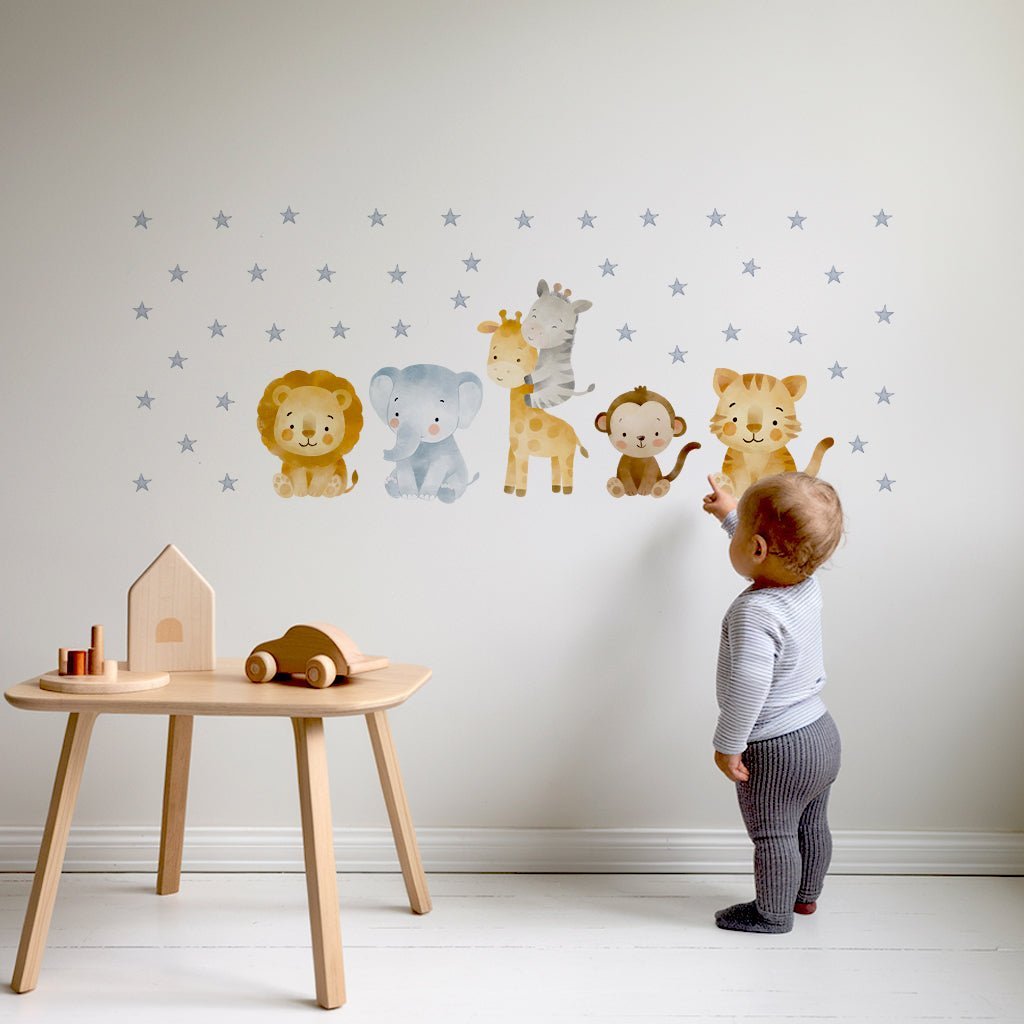
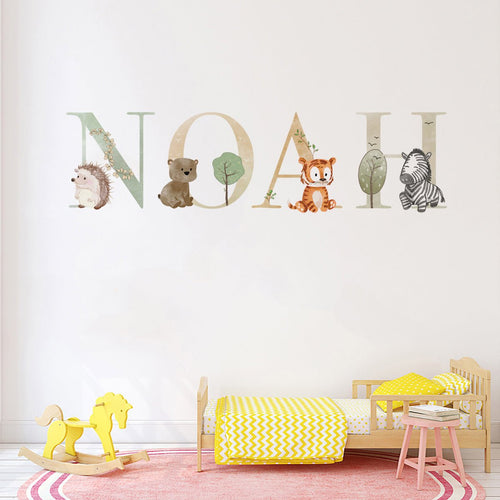
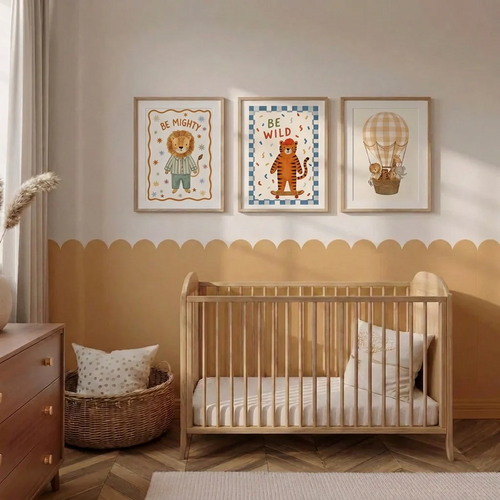
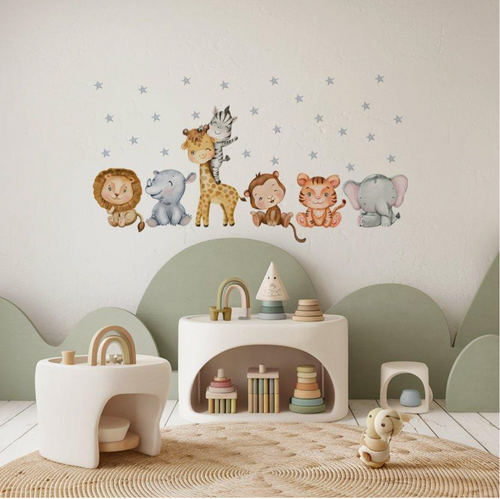
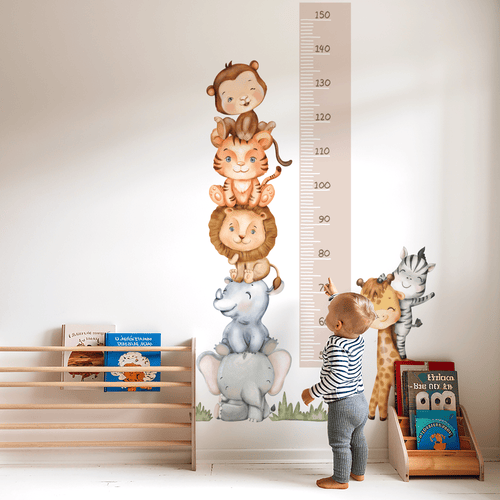
You don't need to repaint or commit to expensive wallpaper to bring cute tiger cubs into your little one's room. Our tiger wall stickers go up in minutes and peel off cleanly when tastes change -- zero residue, zero stress. They look as striking as a painted mural without any of the effort. For coordinating designs, our jungle animal nursery wall stickers pair beautifully with a tiger theme.
From Nursery to Playroom: Ideas for Every Age
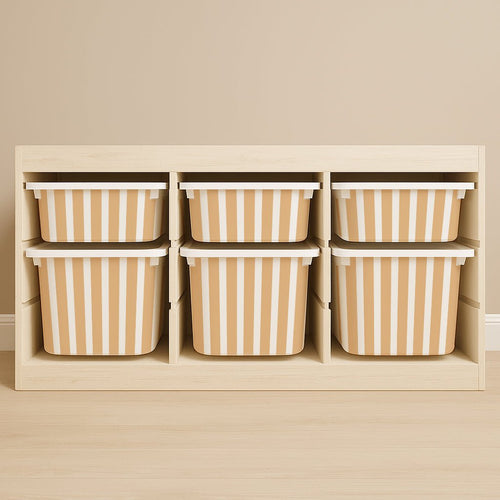
For babies, a single large tiger cub above the cot creates a soft, characterful focal point. For toddlers, a jungle scene across one wall gives their imagination somewhere to roam. Older children often love a bolder, more graphic tiger design. Whatever stage your child is at, you can swap the design to match -- often for under £50. Our Check Stickers for Ikea Trofast Drawers are also great for keeping a play space looking neat and coordinated.
Our Favourite Tiger Cub Designs (and Why We Love Them!)
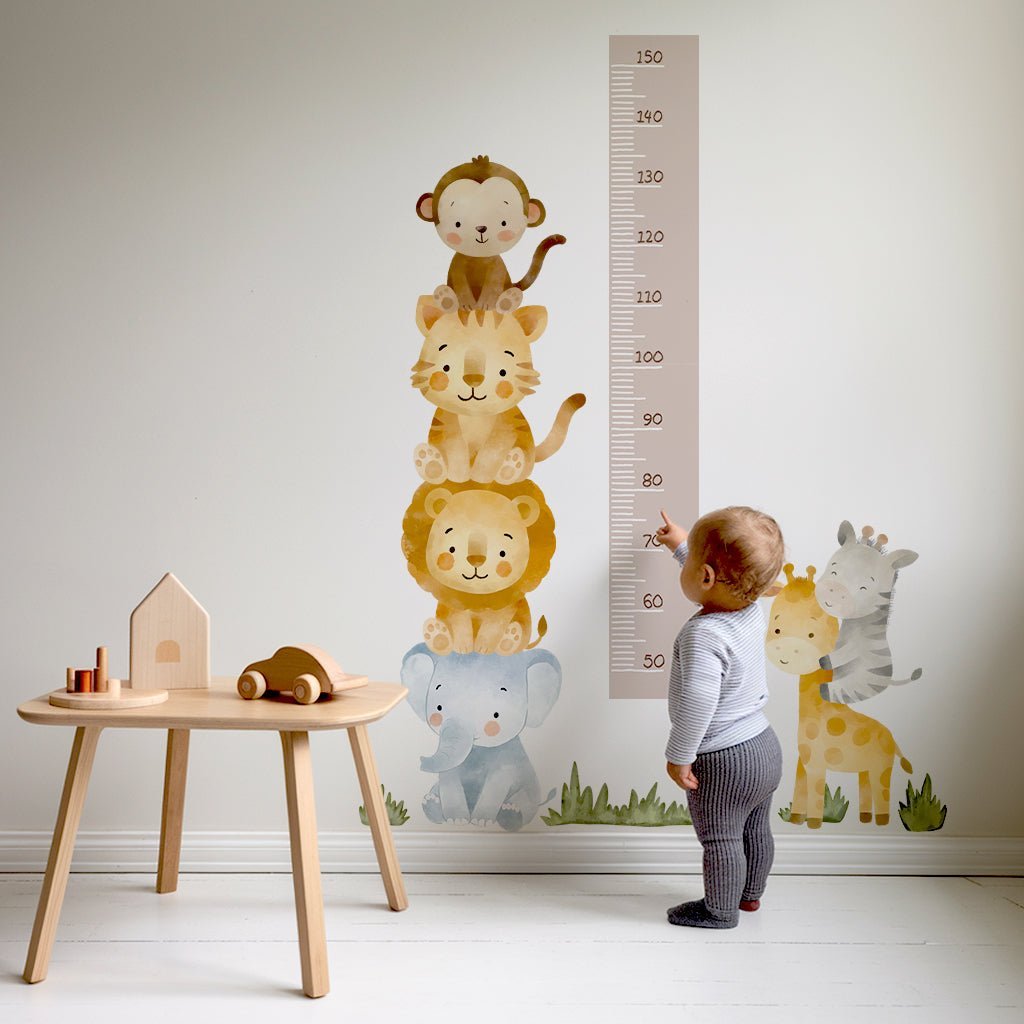
From wide-eyed cartoon-style tiger cub images to beautifully illustrated realistic cubs, our collection covers every look. Whether your little one loves a cute tiger cub drawing style or something closer to a wildlife photograph, there's a design that'll make their room feel completely their own. Pair tiger wall stickers with our Large Safari Tower of Friends Animal Wall Sticker for a playroom full of wild character.
Obsessions change fast. A tiger phase today might give way to unicorns or rockets by next birthday. Because our stickers peel off without a trace, you're never stuck with a look your child has outgrown. Swap freely, spend wisely, and enjoy every chapter.
Frequently Asked Questions
Why are tiger cubs so cute?
Oh, those adorable tiger cubs! Their oversized paws, wide curious eyes, and fluffy striped coats are simply irresistible. Science even suggests their features, like large foreheads and round eyes, trigger the same nurturing response in us as human babies do. It's truly impossible to look away from their charm!
Are baby tigers friendly?
While incredibly cute, baby tigers are wild animals growing into powerful predators. Their playful pounces and tumbles are actually practice for the hunting skills they'll need as adults. A mother tigress is also fiercely protective, teaching her cubs everything they need to survive in the wild.
How big is a 2-year-old tiger cub?
By two years old, a tiger cub is still with its mother, learning the complex skills needed for independent life. They've grown significantly from their tiny birth weight of less than 1.5 kg, actively participating in hunts and developing into confident, powerful young tigers. They are well on their way to becoming the majestic adults we admire.
What are tiger cubs like when they are first born?
When tiger cubs are first born, they are truly tiny and vulnerable. They weigh less than 1.5 kg and are born blind, with their eyes sealed shut for about two weeks. They are completely dependent on their devoted mother for everything during these precious early weeks.
How do tiger cubs learn important skills for adulthood?
Tiger cubs learn through the power of play, which acts as their very first school! Every pounce, tumble, and mock ambush of a sibling helps sharpen the reflexes they'll rely on as grown-up tigers. Their mother also teaches them by bringing prey to the den and eventually taking them on real hunts to observe and practice.
Do all tiger cubs look the same?
Not at all, every tiger cub is uniquely its own, with no two sharing the same stripe pattern from day one! There are also different subspecies, like the Bengal cubs with their bold orange and black stripes, or the smaller Sumatran cubs with their darker, closely spaced stripes. You can even find rare white tiger cubs, known for their stunning ice-blue eyes and cream coats.