



Key Takeaways
- Wall decals are removable vinyl or fabric stickers that can be applied directly to walls without causing damage or requiring paint.
- Decals offer a quick and flexible way to decorate children's bedrooms, allowing easy updates as kids' interests change.
- Using decals eliminates the mess and time commitment associated with traditional painting or wallpapering.
- Decals can be repositioned or swapped without leaving residue, making them ideal for evolving bedroom themes.
- Real-life examples show that decals enable parents to transform room themes rapidly to match their children's preferences.
Table of Contents
- Why Decals for Bedroom Walls are Changing the Way We Decorate
- Understanding Decals for Bedroom Walls: Materials, Types, and Key Features
- Choosing the Right Decals for Your Bedroom Walls: Materials, Mood, and Family Needs
- Bedroom Decal Design Ideas and Top Themes (For Every Age & Personality)
- Practical How-To: Applying Decals to Bedroom Walls (Step-by-Step Visual Guide)
- Solutions & Support: Troubleshooting Common Decal Problems
- Advanced Techniques: Layering, Zoning, and Creating Feature Walls With Decals
- Maintaining, Cleaning, and Swapping Out Your Bedroom Decals
- Real-Life Inspirations: Bedroom-Makeover Stories and Parental Tips
Why Decals for Bedroom Walls are Changing the Way We Decorate
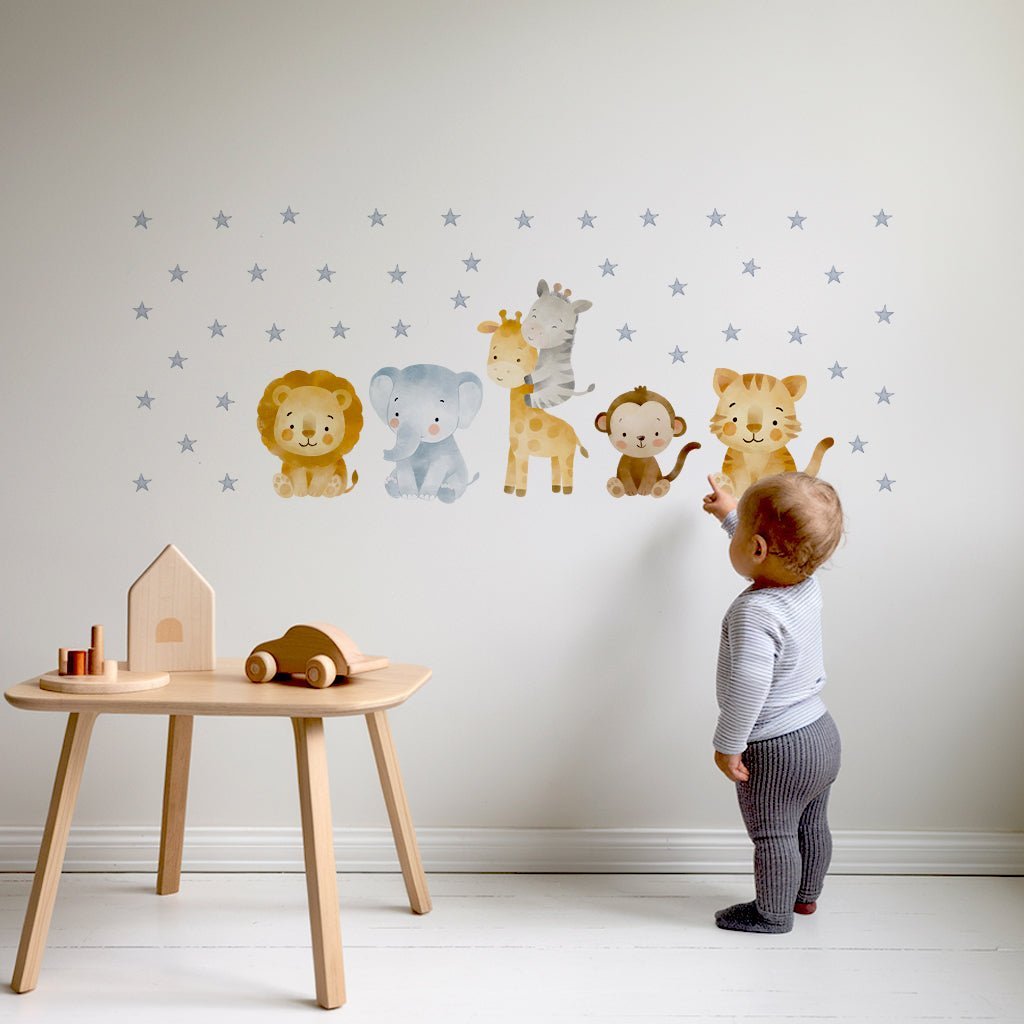
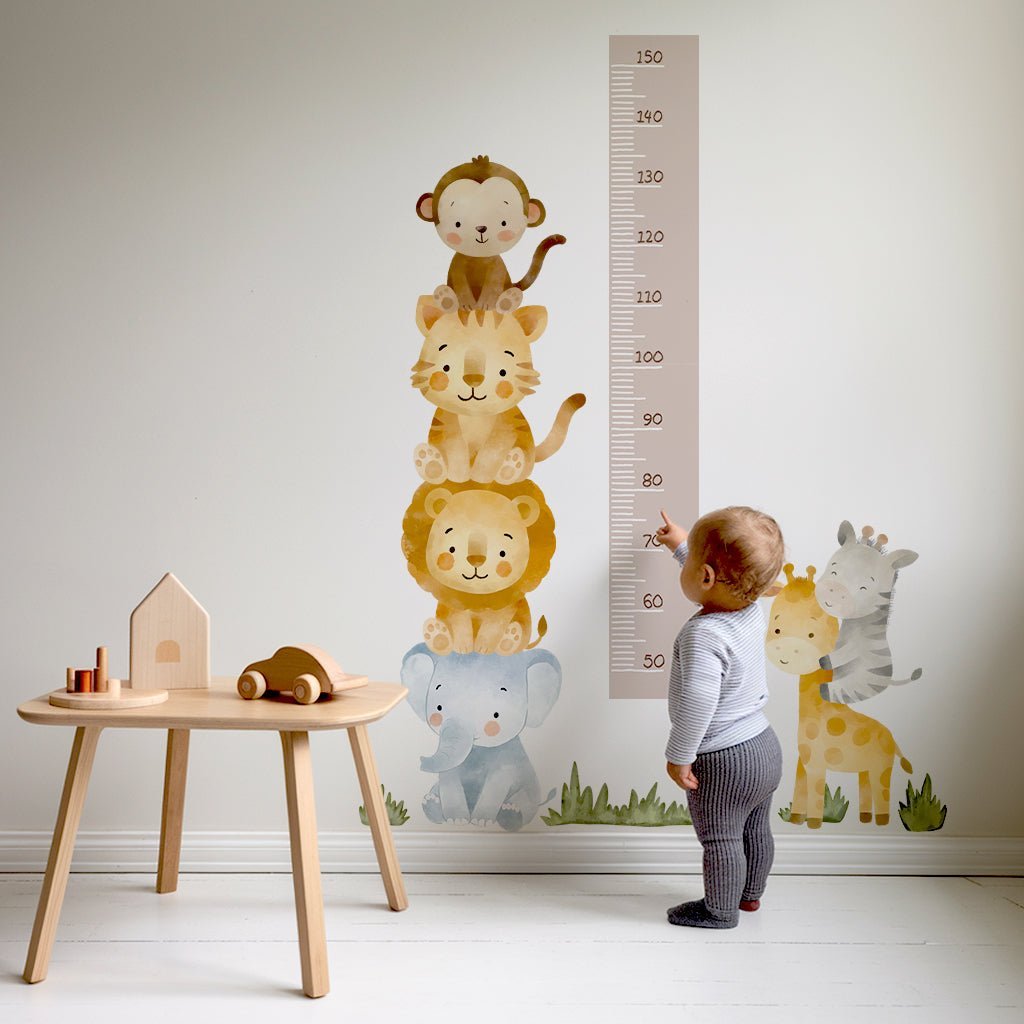
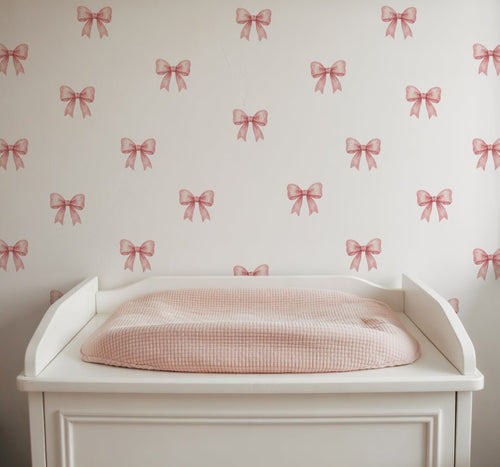
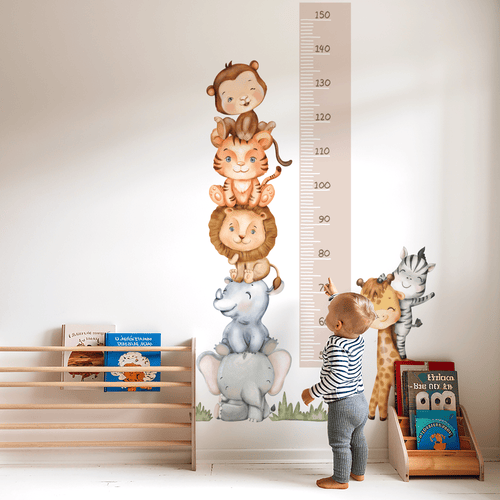
Wall decals are revolutionising the way families approach bedroom décor. Instead of committing to permanent paint or wallpaper, parents can now use removable vinyl or fabric stickers that can be applied directly to walls without causing damage or requiring paint. This flexibility is especially valuable for growing children whose interests and tastes change rapidly.
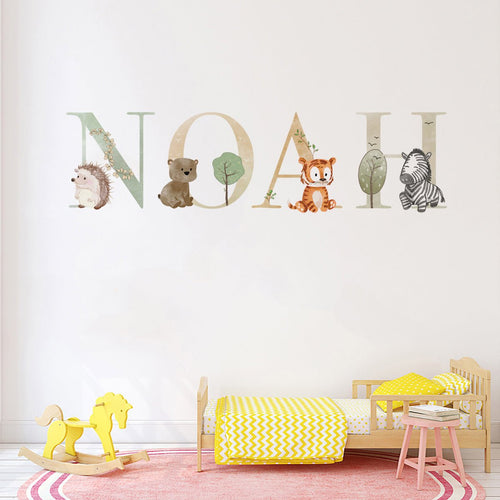
Decals offer a quick and flexible way to decorate children's bedrooms, allowing easy updates as kids' interests change. For example, alphabet-themed designs like the ABC Animal Friends Alphabet Wall Stickers can serve as both decoration and an educational tool, making them a smart choice for evolving spaces.
Using decals eliminates the mess and time commitment associated with traditional painting or wallpapering. If you're looking for more inspiration on how to use decals for bedroom walls, you might enjoy this guide on transforming your bedroom with stylish wall stickers.
Understanding Decals for Bedroom Walls: Materials, Types, and Key Features
 nursery with pastel decor, textured surfaces, wooden toys, cot, and minimalist shelves.">
The world of wall decals extends far beyond basic paper stickers. Understanding materials helps you choose options that'll withstand sticky fingers, humid mornings, and the test of time whilst remaining completely removable.
| Material | Durability | Texture | Best For | Typical Lifespan |
|---|---|---|---|---|
| Premium Vinyl | Excellent | Smooth, wipeable | High-traffic areas, bathrooms | 3-5 years |
| Fabric Blend | Very Good | Soft, matte finish | Cosy spaces, reading nooks | 2-4 years |
| Paper-Based | Good | Flat, lightweight | Temporary themes, budget options | 6-18 months |
| Canvas Effect | Excellent | Textured, artistic | Statement walls, older children | 4-6 years |
Size options typically range from small accent pieces (15cm x 15cm) to full wall murals (200cm x 150cm), with most families finding sweet spots in medium sets covering 60-100cm of wall space. At Nursery Stickers, we design our collections as coordinated sets, allowing you to create cohesive looks or mix elements as your child's personality develops.
The key differentiator lies in removability technology. Quality decals use micro-suction adhesives that bond temporarily with painted surfaces without penetrating the paint layer. This means they'll stick firmly through daily life, surviving central heating, humidity changes, and the occasional football, but lift away cleanly when removed at the correct angle. Our materials are rigorously tested on various UK paint types, from matt emulsion to silk finishes, ensuring compatibility with most home surfaces.
Surface compatibility extends beyond paint type. Properly formulated decals work on wallpapered walls (test a small area first), smooth textured surfaces, and even furniture pieces like wardrobes or headboards. They won't adhere well to heavily textured walls, freshly painted surfaces (wait 2-3 weeks), or surfaces treated with stain-resistant coatings.
Choosing the Right Decals for Your Bedroom Walls: Materials, Mood, and Family Needs
Material choice affects everything from application ease to long-term satisfaction. Beyond aesthetics, consider your family's specific circumstances and the room's practical requirements.
Room mood influences your material selection significantly. Calming spaces benefit from fabric-blend decals in muted tones, their soft texture absorbs light rather than reflecting it, creating gentler visual impact perfect for bedtime routines. Energising playrooms thrive with glossy vinyl decals in vibrant colours that can handle enthusiastic play and frequent cleaning. Soothing nurseries often work best with a combination: fabric clouds or trees for softness, with vinyl accent pieces that can withstand the inevitable spills and sticky fingers.
Practical Checkpoints Before Choosing:
- Wall preparation: Smooth, clean, dry
Bedroom Decal Design Ideas and Top Themes (For Every Age & Personality)
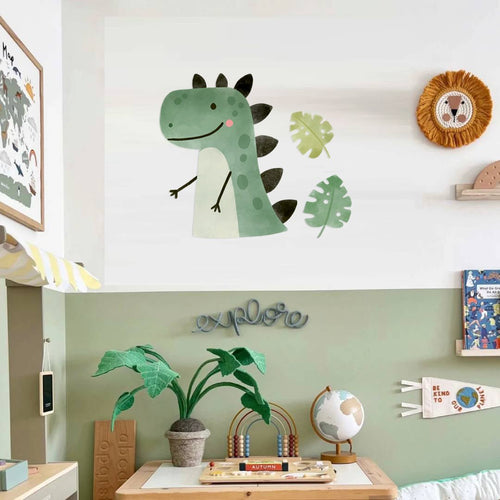
The best bedroom themes grow with your child rather than boxing them into a single age bracket. Woodland animals work beautifully from birth through primary school, start with gentle deer and rabbits at eye level for babies, then add adventure elements like tree branches and forest paths as they develop storytelling skills. Space themes offer similar longevity, beginning with simple moons and stars for newborns and expanding to rockets and planets for aspiring astronauts.
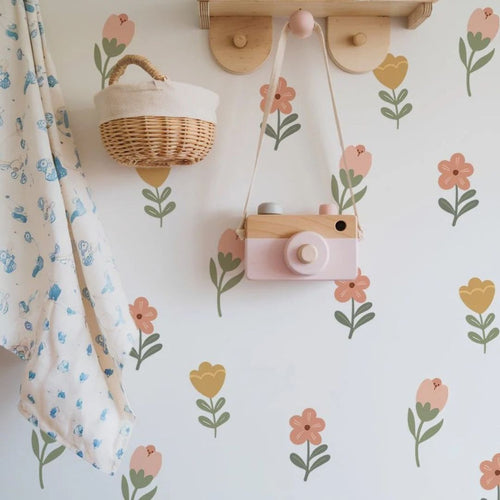
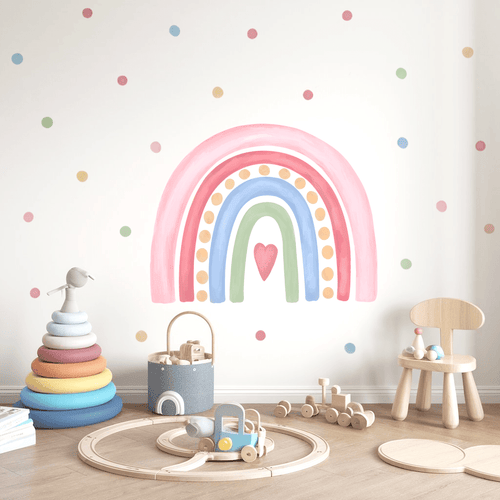
Rainbow and botanical themes provide timeless appeal that adapts to changing tastes. Position rainbow arcs above reading nooks to create magical story corners, or use individual colour strips to zone different areas, soft pastels for the sleep area, brighter shades near play spaces. Botanical designs like gentle leaves or flowering branches bring nature indoors whilst remaining sophisticated enough for tweens who've outgrown "babyish" motifs. For more inspiration on rainbow designs, check out how to transform your space with rainbow wall stickers.
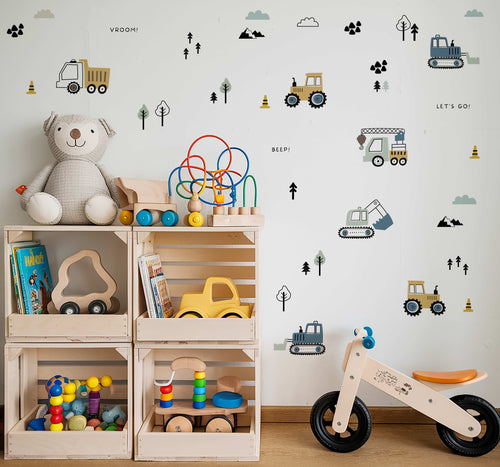
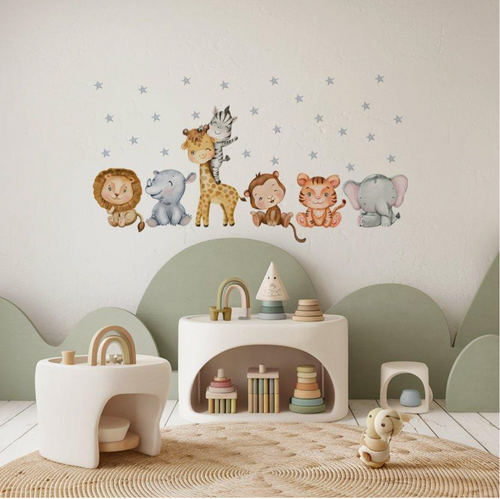
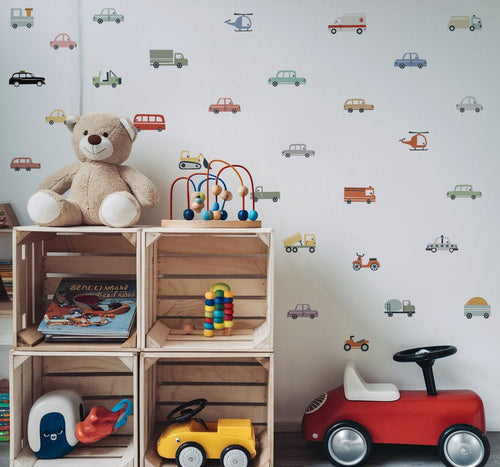
Vehicle enthusiasts and animal lovers benefit from modular approaches. Rather than overwhelming walls with busy patterns, choose three to five key pieces that can be repositioned as interests evolve. A construction site might transform into a farm scene simply by swapping diggers for tractors. Safari animals can migrate from jungle backgrounds to arctic scenes with seasonal decal changes.
Parent insight: "We started with gentle elephants when James was six months old. Now at four, he's added adventure elements like jungle vines and explorer tents using the same animal base, it's grown into his perfect adventure bedroom without starting from scratch." - Sarah, mum of one
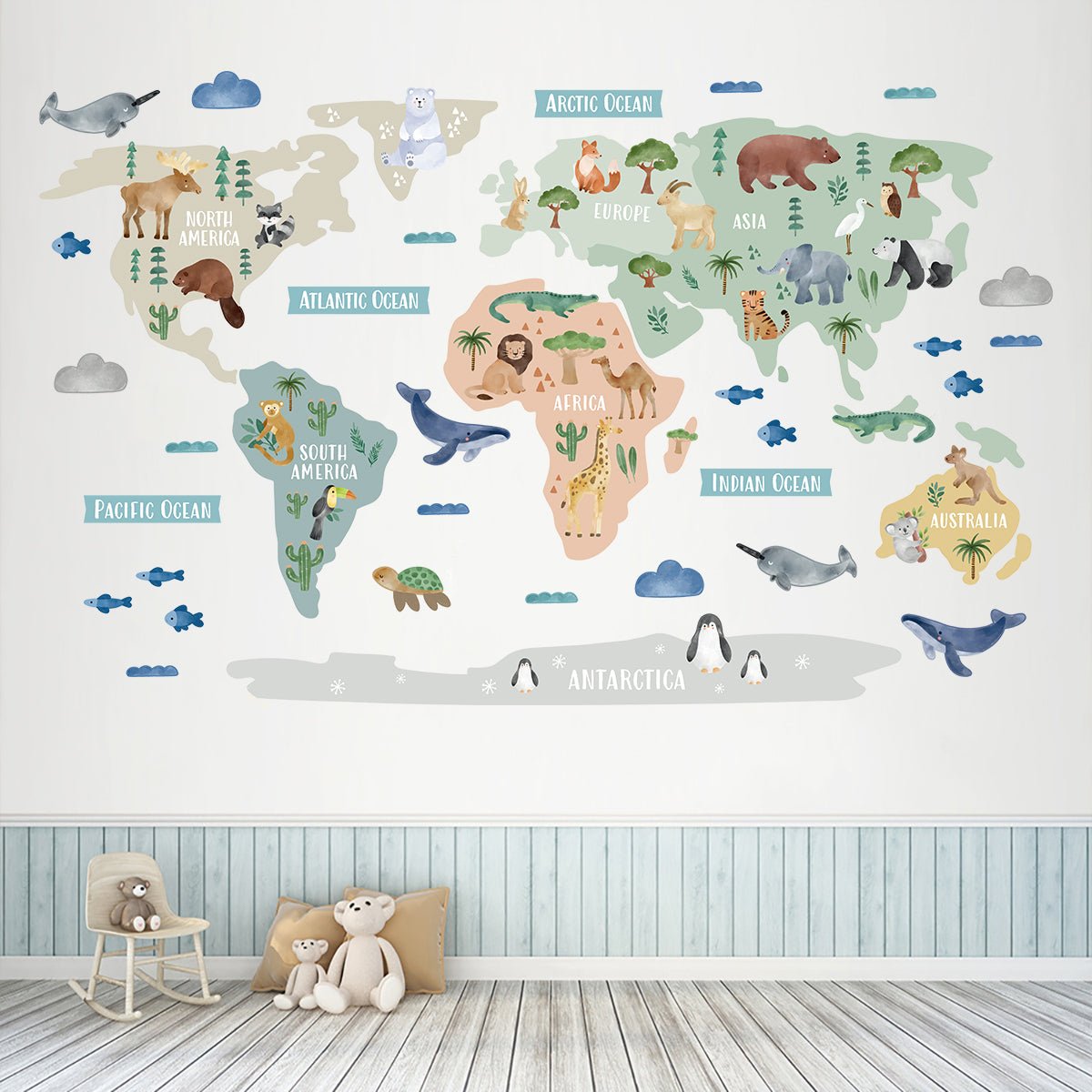
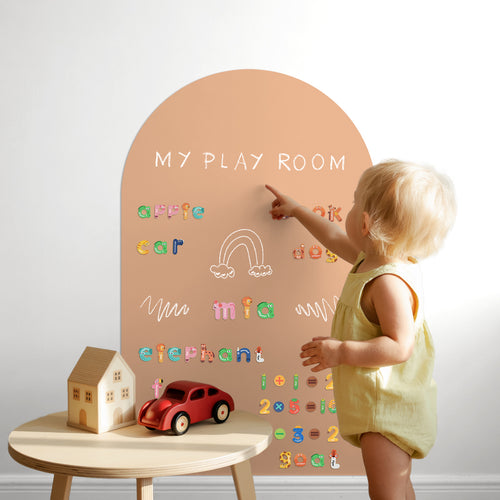
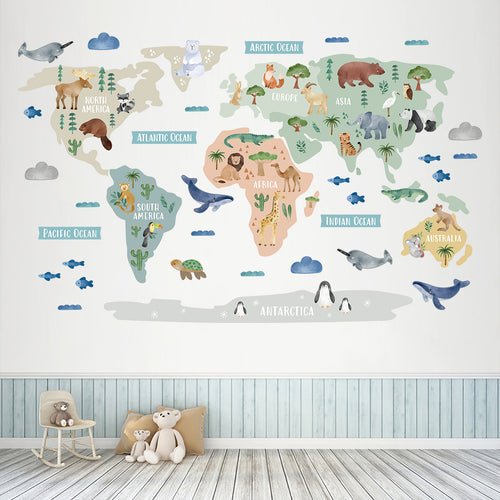
Educational themes deserve special mention for their dual purpose. Alphabet letters, number sequences, and world maps serve as both decoration and learning tools. Position alphabet decals at your child's eye level to encourage letter recognition during daily activities. These designs typically offer the longest lifespan of any theme, remaining relevant from toddlerhood through early school years.
Practical How-To: Applying Decals to Bedroom Walls (Step-by-Step Visual Guide)

Timing your decal application makes all the difference between a smooth process and a frustrating struggle. Choose moments when children are occupied or sleeping, most parents find the post-bath, pre-bedtime window ideal. Avoid humid conditions like immediately after showers, as moisture affects adhesion. Clean your wall surface with a slightly damp cloth and allow it to dry completely before starting.
The application process itself takes under three minutes per decal with proper preparation. Peel away a small section of backing paper rather than removing it entirely, this gives you control over placement without the decal folding onto itself. Position your decal where you want it, then smooth from the centre outward using a clean credit card or your hand. If you're not happy with the position, gently lift and reposition within the first few minutes. For more tips and troubleshooting, see our article on decals for walls.
Textured walls require slight modifications to standard technique. Use a hairdryer on low heat to warm both the wall surface and the decal for about 10 seconds, this makes the adhesive more pliable. Press firmly along edges and raised texture areas, working in small sections. The extra attention ensures long-lasting adhesion without damaging your wall's texture when you eventually remove the decal.
Real-world tip: Rachel, a renter, keeps a "decal diary" photographing each placement before removal. When she moved flats, she recreated her daughter's favourite bedroom layout in the new space within an hour, no guesswork needed.
Solutions & Support: Troubleshooting Common Decal Problems
Peeling corners typically indicate insufficient initial pressure or wall surface issues. Warm the affected area with a hairdryer for 10 seconds, then press firmly for another 10 seconds. If corners continue lifting, check for dust or moisture beneath, clean the area and reapply. For persistent problems, the wall surface may be too textured or have an unsuitable finish for decals. In these cases, try a different wall or consult the decal manufacturer for advice.
Advanced Techniques: Layering, Zoning, and Creating Feature Walls With Decals
Transform ordinary bedroom walls into thoughtfully designed spaces using professional layering techniques that work brilliantly with decals for bedroom walls. These methods help you create distinct zones and visual interest without permanent commitment.
Pattern Drenching for Maximum Impact
Cover substantial wall areas with cohesive motifs to create immersive environments. Apply woodland animals at varying heights across one wall, or scatter rainbow elements from floor to ceiling for a dreamy effect. This technique works particularly well behind beds as statement headboards.
Mark your layout with removable painter's tape before applying decals. This prevents wonky placement and helps visualise the final result, especially useful when little ones are "helping" with decorating decisions.
Creating Functional Zones
Use decals to define specific areas within bedrooms. Place calming cloud decals above the sleep zone, energising animal stickers near the play corner, and educational alphabet letters by the reading nook. This visual separation helps children understand different spaces serve different purposes. For more creative ideas, you might enjoy reading about 10 creative ways to use nursery stickers for a magical room makeover.
| Theme | Sleep Zone | Play Area | Reading Corner |
|---|---|---|---|
| Woodland | Sleepy owls, moon | Active squirrels, trees | Wise owl with books |
| Space | Gentle stars, planets | Rockets, astronauts | Solar system chart |
| Ocean | Peaceful whales | Playful dolphins | Seahorses, coral |
Layering Techniques for Visual Depth
Combine different sized decals to create dimensional scenes. Place larger background elements first, trees, clouds, or buildings, then add smaller foreground details like animals, vehicles, or characters. This creates storytelling opportunities and keeps designs engaging as children grow.
Layer geometric shapes to create faux-panelling effects or architectural details. Rectangular decals can simulate wainscoting, while curved elements create archway illusions, perfect for renters wanting sophisticated looks without structural changes.
Maintaining, Cleaning, and Swapping Out Your Bedroom Decals

Proper maintenance keeps your decals for bedroom walls looking fresh and extends their lifespan. Regular care takes minutes but preserves the investment for years. For further reading on the science and safety of removable wall decals, see this informative overview on removable wall decals.
Simple Cleaning Protocol
Wipe decals monthly with a barely damp microfibre cloth, working from centre outward to prevent edge lifting. Avoid harsh chemicals, abrasive cleaners, or excessive moisture. For sticky fingerprints, use diluted washing-up liquid on the cloth, never spray directly onto decals.
Clean around decals during regular dusting. Gentle vacuum brush attachments work well for removing dust from textured surfaces without disturbing adhesive edges.
Effortless Seasonal Updates
Swap seasonal accents in under five minutes. Remove snowflake decals by starting at one corner, pulling at a low angle parallel to the wall. Store removed decals on their original backing sheets or wax paper for reuse next winter.
Storage Tip: Keep removed decals flat in a folder between seasons. Label with room and date for easy organisation. Premium removable decals maintain their stickiness for multiple applications when stored properly.
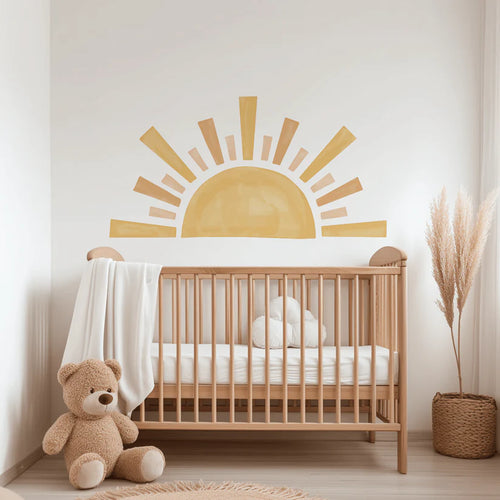
Replace winter themes with spring flowers, summer suns, or autumn leaves. This keeps rooms feeling current without major redecoration, particularly valuable for Theme Lover Theo whose interests shift with the seasons.
Professional Removal Methods
Remove decals when ready for new designs by warming slightly with a hairdryer on low setting. This softens adhesive for easier, cleaner removal. Peel slowly at a 45-degree angle, supporting the decal to prevent tearing.
For stubborn residue, rub gently with a pencil eraser or use diluted washing-up liquid. Quality removable decals should leave no residue when removed properly, test removal technique on a small corner first. For more on creating healthy and safe children's environments, visit this CDC resource on children's environments.
Real-Life Inspirations: Bedroom-Makeover Stories and Parental Tips
These authentic transformation stories demonstrate how different families have successfully used decals for bedroom walls to create personalised, evolving spaces.
Paige's Nursery-to-Toddler Evolution
First-time mum Paige started with gentle cloud and star decals for her newborn's nursery. "I applied them during nap time, took less than ten minutes and instantly made the room feel magical," she shares. Eighteen months later, she layered in colourful animal decals as her daughter became mobile and curious.
Key insight: Paige discovered staggering application between naps prevented overwhelm. She'd plan layouts during feeding times, then execute quickly during sleep windows.
Rachel's Rental Bedroom Revolution
Rachel, a renter, transformed her daughter's bedroom using removable decals that could be taken down without a trace when it was time to move. She documented each layout with photos, making it easy to recreate her daughter's favourite scenes in their new home. "It felt like we brought a piece of our old home with us, no paint, no stress, just peel and stick," Rachel says.
Frequently Asked Questions
What materials are commonly used for bedroom wall decals, and how do their durability and textures differ?
Bedroom wall decals are typically made from premium vinyl or fabric materials. Vinyl decals are smooth, wipeable, and highly durable, making them ideal for high-traffic areas and easy cleaning. Fabric decals offer a softer texture and are also durable, with the added benefit of being lightweight and less reflective, perfect for creating cosy, tactile spaces.
How do wall decals compare to traditional painting or wallpapering in terms of application and maintenance?
Wall decals are much quicker and less messy to apply than paint or wallpaper, requiring no drying time or special tools. They offer a flexible, low-commitment way to decorate, and maintenance is simple, just wipe clean if needed. Unlike paint or wallpaper, decals can be updated or swapped out easily without the hassle of repainting or stripping.
Can wall decals be repositioned or removed without damaging the walls or leaving residue?
Yes, high-quality wall decals are designed to be fully removable and repositionable without damaging walls or leaving any sticky residue. This makes them perfect for rental homes or growing children’s rooms where tastes change frequently, allowing you to refresh the space as often as you like with zero stress.
What are some creative ways to use decals to create evolving bedroom themes that grow with a child's changing interests?
You can layer decals to build interactive scenes that evolve over time, like adding animals to a jungle theme or stars to a space design as your child’s interests grow. Using alphabet or number decals can combine learning with decoration, and swapping out key elements, like vehicles or rainbows, lets you refresh the room quickly without a full makeover. This flexibility keeps the room feeling fresh and personal at every stage.