









dinosaur chart
The Complete Dinosaur Chart Guide: Educational Fun for Little Palaeontologists
A dinosaur chart combines learning with visual excitement, featuring prehistoric creatures organised by era, diet or size. The best charts showcase accurate illustrations, clear labels and age-appropriate facts that ignite curiosity about ancient worlds whilst brightening up any room.
Why Dinosaur Charts Captivate Young Minds
Something magical happens when children discover dinosaurs. These ancient giants represent adventure, mystery and discovery rolled into one topic. A well-designed dinosaur chart turns natural curiosity into learning opportunities, introducing concepts like extinction, evolution and geological time.
Children adore the dramatic names, impressive sizes and varied characteristics. From towering Brachiosaurus to fierce Tyrannosaurus rex, each species tells a story that encourages questions.
What Makes an Effective Dinosaur Chart?
The most helpful dinosaur charts balance scientific accuracy with visual appeal. Look for clear, colourful illustrations showing realistic proportions. Quality options include pronunciation guides for tricky scientific names, making it easier for little ones to share knowledge confidently.
Educational value comes from organised information about habitats, diets and time periods. Charts grouping dinosaurs by characteristics help children spot patterns whilst building classification skills.
Beyond Popular Favourites: Discovering Variety
Everyone knows T. rex and Triceratops, but the prehistoric world holds countless surprises. Lesser-known species like Carnotaurus, with its horned skull, or Therizinosaurus, sporting massive plant-gathering claws, offer fresh excitement.
Variety prevents boredom and demonstrates incredible diversity in prehistoric life. Unusual species spark conversations about adaptation and survival strategies.
Understanding Prehistoric Eras and Dinosaur Diets

The Three Prehistoric Periods Explained
Understanding geological time helps children grasp dinosaur history. The Triassic period (252-201 million years ago) saw first dinosaurs emerge alongside early mammals. The Jurassic period (201-145 million years ago) brought classic long-necked sauropods and armoured stegosaurs.
The Cretaceous period (145-66 million years ago) featured the most diverse dinosaur communities, including famous predators and flowering plants that transformed ecosystems.
Plant-Eaters, Meat-Eaters and Mixed Diets
Dietary classifications reveal amazing adaptations. Plant-eaters developed specialised teeth for grinding tough vegetation, whilst meat-eaters possessed sharp, serrated teeth for slicing flesh. Some species, like Oviraptor, likely enjoyed varied diets including eggs, small animals and plants.
Reading Skull Clues
Skull shape often indicates diet: broad, flat skulls typically belonged to herbivores, whilst narrow skulls with forward-facing eyes belonged to predators. This connection helps children understand how form follows function in nature.
Choosing the Right Dinosaur Chart for Their Space
Modern Alternatives to Paper Posters
Traditional paper posters tear easily and fade in sunny rooms. Today's wall decoration options offer durability and flexibility that busy families need.
Dinosaur Wall Sticker Charts: A Simple Solution
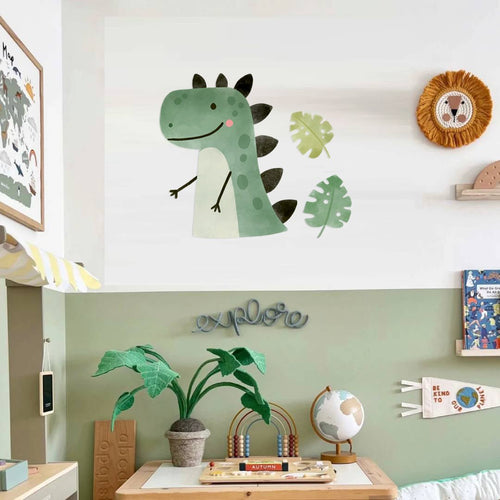
Our Dinosaur Height Chart Nursery Wall Stickers combine educational content with practical height tracking. These removable stickers feature accurate dinosaur illustrations alongside measurement markings.
Installation takes minutes without tools or mess. Removal leaves no residue. The design works as both educational reference and growth tracker.
Perfect for Rental Homes
Renting doesn't mean sacrificing personalisation. Removable wall stickers create themed spaces without permanent alterations. Landlords prefer changes that don't damage walls, and these decorative elements meet that requirement whilst giving children ownership of their space.
Adapting to Changing Interests
Children's passions shift quickly. One week they love gentle herbivores; next week, fierce predators dominate. Removable stickers let you refresh looks without repainting.
When fascination moves from prehistoric creatures to space exploration, you can swap themes easily. This flexibility saves money and reduces waste.
Amazing Dinosaur Facts and Recent Discoveries
Surprising Prehistoric Revelations
Many dinosaurs had feathers, not just scales. A fact that challenges older portrayals. Some species, like Borealopelta, may have had reddish-brown camouflage colouring, revealed through fossil analysis. The smallest known dinosaur, Microraptor, measured about 60 centimetres long and could glide using four wings.
What Fossils Tell Us
Dinosaur fossils preserve more than bones. Scientists have discovered fossilised skin, eggs, footprints and stomach contents, providing clues about behaviour, movement patterns and social structures.
Mastering Scientific Pronunciation
Scientific names follow Greek and Latin roots, making pronunciation predictable once you understand patterns. Parasaurolophus breaks down as "para" (beside), "saurus" (lizard) and "lophus" (crest). Teaching children these word roots builds vocabulary beyond palaeontology.
Children often master complex pronunciations faster than adults. Encourage them to teach others correct pronunciation of favourite species names.
Movies Versus Reality
Popular films prioritise drama over accuracy, creating misconceptions. Real Velociraptors stood about 50 centimetres tall, were feathered, and relied on agility rather than brute force. Dilophosaurus didn't spit venom or have neck frills as shown in cinema.
Exploring these differences helps children build critical thinking skills whilst maintaining wonder about prehistoric life.
Your Dinosaur Chart Selection Guide

Clear, Readable Design Essentials
Choose charts with legible fonts and well-proportioned illustrations children can distinguish from across the room. Accurate scale cues help children understand size relationships between species.
Trustworthy Scientific Content
Scientific accuracy matters, but presentation should stay accessible. Seek charts informed by current palaeontology research and written without heavy jargon.
Interactive Learning Activities
Transform static displays into engaging tools with simple activities. Try scavenger hunts, pronunciation challenges or size-comparison games using your chart as reference.
Our Approach at Nursery Stickers
I started Nursery Stickers because decorating should feel easy, not like a weekend project. Our designs look lovely, apply quickly and remove cleanly, so children's spaces can evolve with their interests.
Maximising Your Dinosaur Chart's Educational Impact
Daily Learning Opportunities
Turn your dinosaur chart into a mini learning centre with simple routines. Try morning identification games ("Find a herbivore!") or bedtime chats about habitats. Use charts as visual references for storytelling, blending imagination with facts.
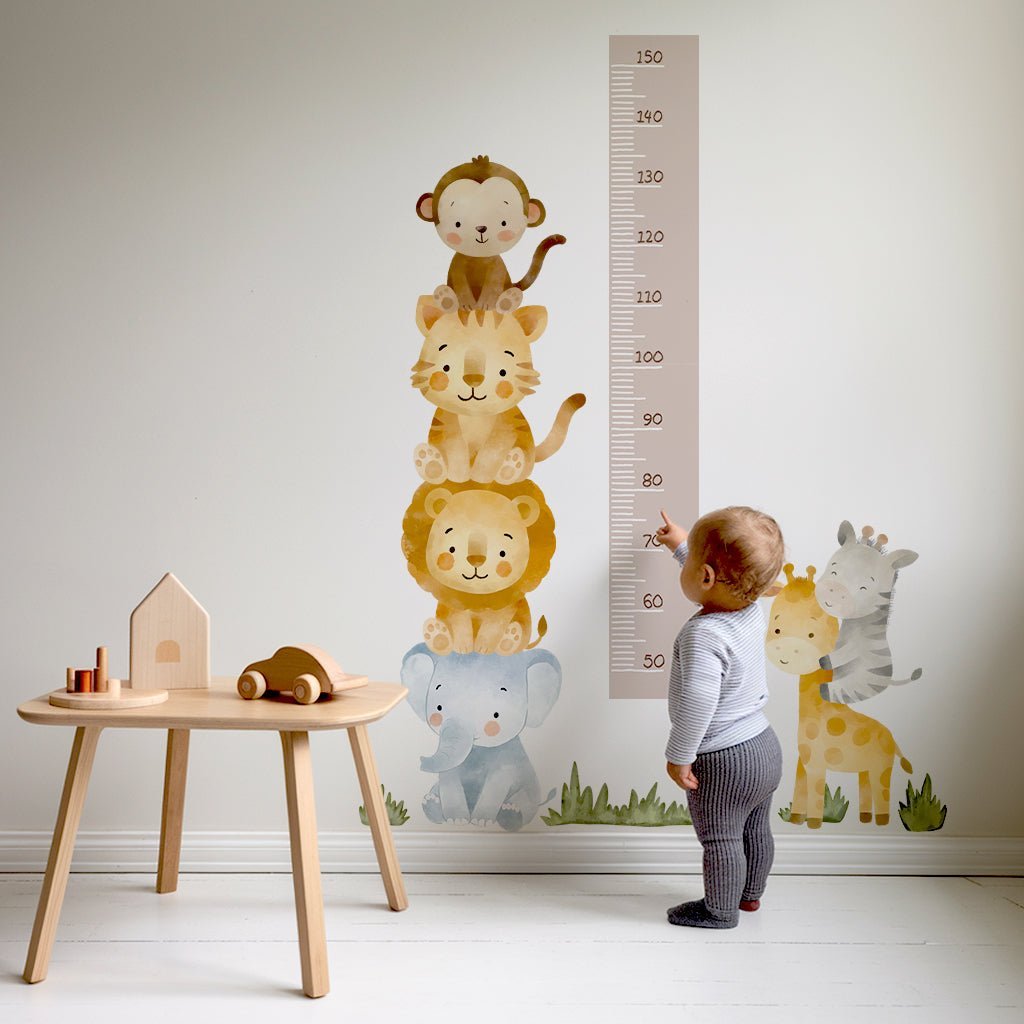
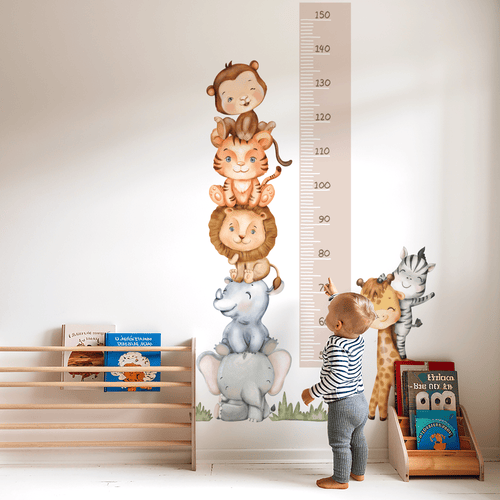
If your display includes height markings, compare children's growth with dinosaurs pictured. This personal connection makes information more memorable.
Extending Learning Through Seasons
Dinosaur interests branch into related topics year-round. Summer museum visits and nature walks can hunt for "fossil-like" rock shapes. Autumn leaf collections spark chats about ancient plants. Winter stories explore climate and habitats.
Making these connections keeps charts from becoming background décor. For variety-loving children, explore our Animal Wall Stickers Collection to complement prehistoric interests with modern wildlife.
Evolving With Their Maturity
As children mature, dinosaur learning shifts from name recognition to bigger concepts like ecosystems, adaptation and extinction. Clear, well-labelled charts support this progression without requiring frequent updates.
Learning Stages
Younger children focus on names and distinctive features, whilst older children ask about fossil formation, evolutionary relationships and comparative anatomy. Good visual references support both stages.
Practical Considerations for Modern Families
Flexibility for Busy Households
Many families need decorating options that suit moves, changing interests and rental restrictions. Traditional posters have short lifespans, and murals feel like major commitments when tastes change rapidly.
Educational Décor as Investment
Educational wall décor serves double duty as learning aid and design feature. A dinosaur chart with clear names and accurate visuals keeps delivering value as children revisit it for reading practice, vocabulary building or imaginative play.
Space-conscious families benefit from items that both look good and get regular use. Our Height Chart Wall Stickers Collection offers various educational themes combining measurement tracking with learning opportunities.
Future-Proof Design Choices
Adaptable décor reduces long-term costs and eliminates redecorating stress. Removable options let you experiment with themes and colours without worry about damage or repainting.
This approach particularly benefits families planning moves, room shares or quick refreshes as children grow.
Making the Right Choice for Your Family

Quality Indicators
Prioritise charts with accurate illustrations, clear labels, and information levels matching your child's age. Avoid overly cartoonish designs if learning is your goal, but keep readability and enjoyment central.
For removable options, seek product descriptions confirming easy application and clean removal, especially important in rental homes.
Boosting Engagement
Position dinosaur charts at your child's eye level to invite interaction. Pair with library books and museum visits that reinforce wall displays.
Maintain engagement with small routines: weekly "new dinosaur" discoveries, pronunciation practice, or quick herbivore versus carnivore discussions. Children enjoying interactive learning might also appreciate ABC Animal Friends Alphabet Wall Stickers to combine letter recognition with animal knowledge.
Our Complete Solution
For décor supporting everyday learning, our Dinosaur Height Chart Nursery Wall Stickers combine dinosaur illustrations with height tracking in one piece. Designed specifically for children's spaces and families wanting changeable looks without traditional decorating mess.
The removable design suits renters and anyone wanting flexibility as interests evolve.
Frequently Asked Questions
What age group benefits most from dinosaur charts?
Dinosaur charts work brilliantly for children aged 3-10, though the fascination often starts earlier. Little ones love the dramatic names and impressive sizes, while older children can grasp more complex concepts like geological time periods and extinction. The key is choosing age-appropriate information that matches their developmental stage.
How do dinosaur charts help with learning beyond just memorizing names?
These charts introduce children to scientific thinking through classification, time periods, and cause-and-effect relationships. They naturally encourage questions about adaptation, survival, and the natural world. Children also develop pattern recognition skills when they start grouping dinosaurs by diet, size, or era.
What's the difference between Triassic, Jurassic, and Cretaceous periods on dinosaur charts?
The Triassic period (252-201 million years ago) saw the first dinosaurs emerge alongside early mammals. The Jurassic period (201-145 million years ago) brought us the classic long-necked sauropods and armored stegosaurs. The Cretaceous period (145-66 million years ago) featured the most diverse dinosaur communities, including famous predators like T. rex.
Why do some dinosaur charts focus on lesser-known species instead of just T. rex and Triceratops?
Including variety prevents boredom and shows the incredible diversity of prehistoric life. Species like Carnotaurus with its horned skull or plant-eating Therizinosaurus with massive claws offer fresh excitement. This approach helps children understand that the dinosaur world extends far beyond the most famous names.
How can parents choose between traditional posters and modern wall sticker charts?
Traditional paper posters tear easily and fade quickly, especially in sunny rooms. Modern removable wall stickers offer durability and flexibility that busy families appreciate. They're particularly helpful when children's interests change rapidly or when families move frequently.
What should parents look for in a quality educational dinosaur chart?
The best charts balance scientific accuracy with visual appeal through clear, colorful illustrations showing realistic proportions. Look for pronunciation guides for scientific names and organized information about habitats, diets, and time periods. Charts that group dinosaurs by characteristics help children understand patterns in nature while building classification skills.