


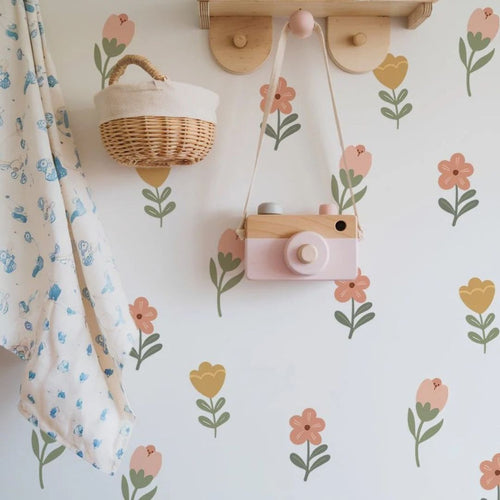
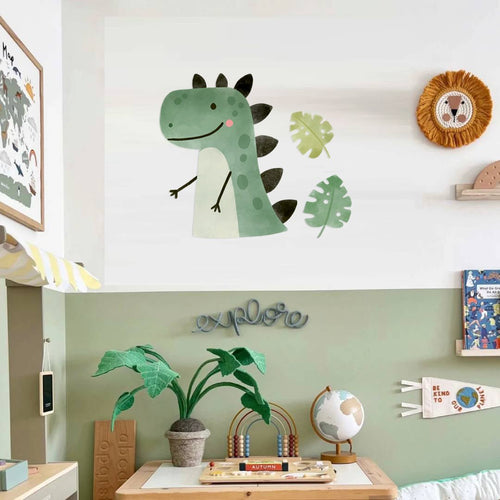
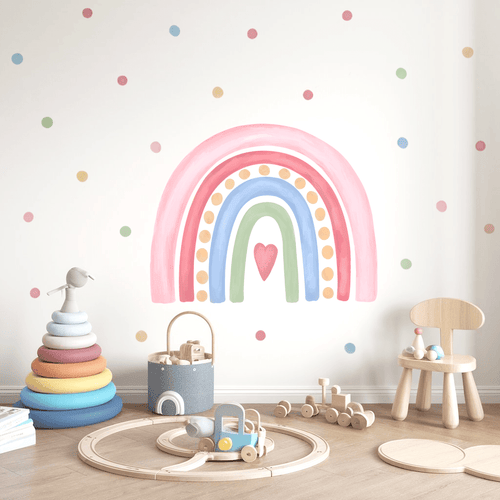
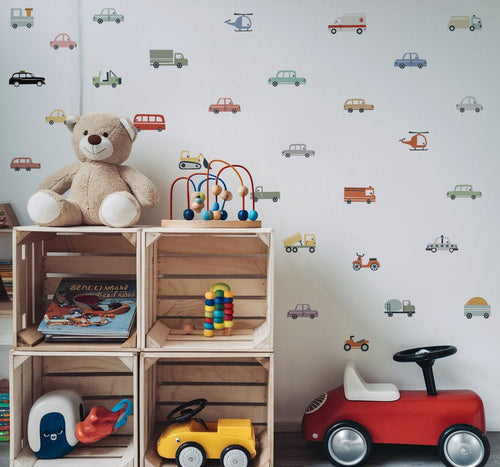
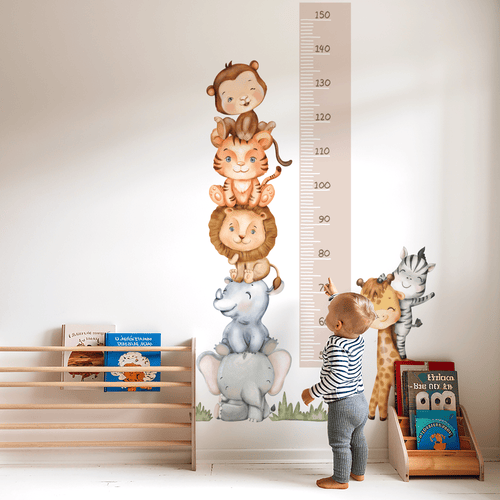
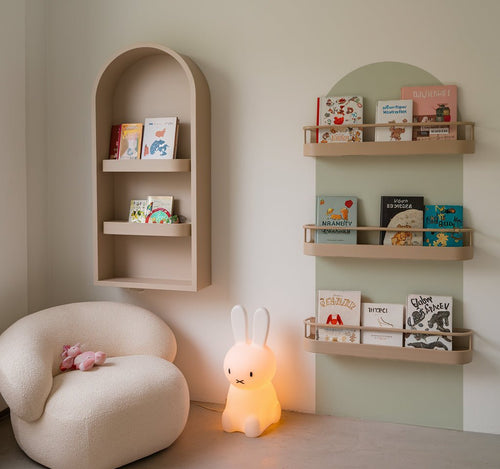

Welcome, lovely parents! Olivia here, founder of Nursery Stickers. As a mum myself, I know how much joy comes from creating a special space for our little ones. But let’s be honest, decorating can sometimes feel like a minefield, especially when you’re juggling sleep schedules and endless to-do lists. You want beautiful, engaging designs that spark imagination, but you also worry about what’s *actually* in the decorations you bring into your home, particularly for tiny, sensitive lungs. That’s why I’m so passionate about helping you make informed choices. Today, we’re diving deep into an important topic: the materials behind those adorable animal wall stickers. Let’s compare fabric animal wall stickers to PVC ones for kids, so you can decorate with complete peace of mind.
Why the Material of Your Animal Wall Stickers Matters for Your Child's Room
When you're choosing decorations for your child's room, it's easy to get swept up in the cuteness factor. A friendly giraffe here, a playful elephant there. But as parents, we also have a responsibility to consider the environment our children play and sleep in. The materials used in décor can have a significant impact on indoor air quality and your child's well-being. Cheaply made decorations, often found in less reputable stores, might be tempting for their low price point, but they can harbour hidden nasties.
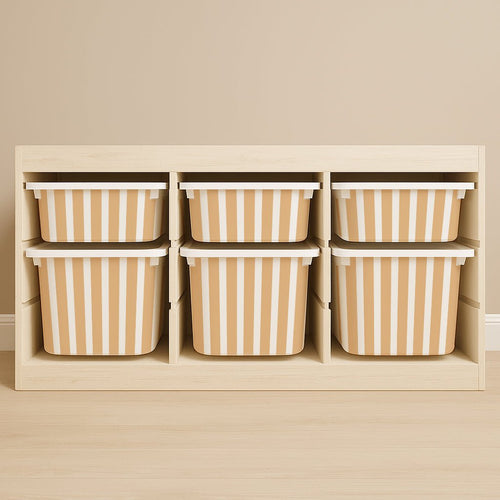
This is where understanding the difference between materials like fabric and PVC becomes essential. It’s not just about aesthetics; it’s about safety, health, and creating a truly nurturing space. For example, PVC (polyvinyl chloride) is a common plastic that, while versatile, can be a source of concern due to the chemicals involved in its production and potential for off-gassing. On the other hand, fabric-based stickers offer a more natural and often safer alternative, aligning perfectly with the desire to create a healthy haven for your little ones. We believe in empowering you with knowledge so you can make the best choices for your family, whether you're decorating a nursery, a toddler's room, or even personalising storage solutions like our Check Stickers For Ikea Trofast Drawers.
Did You Know?
PVC production is resource-intensive, requiring significant amounts of water and materials. According to LeafScore, producing just one kilogram of PVC can consume 680 litres of water and generate 11.6 kg of air pollution.
A quick look at how fabric and PVC differ
At their core, fabric and PVC animal stickers offer different experiences and implications for your child’s room. PVC stickers are typically made from a plastic vinyl material. While they can be durable and offer a glossy finish, their production and composition can raise questions about chemical content. Concerns often revolve around phthalates, which are plasticisers used to make PVC more flexible, and volatile organic compounds (VOCs) like vinyl chloride, a known carcinogen, which can be released into the air over time. This off-gassing can be particularly worrying in enclosed spaces like a child’s bedroom. Fabric stickers, on the other hand, are usually crafted from a textile-based material, often with a mild adhesive. They tend to have a softer, more matte appearance, giving them a lovely, premium feel. The emphasis with fabric stickers is typically on safety and ease of use. They are often designed to be non-toxic, PVC-free, and printed with eco-friendly inks. This makes them a naturally appealing choice for parents seeking healthier décor options. For a beautiful selection of these, explore our premium fabric stickers.
Fabric vs. PVC Animal Stickers: The Full Head-to-Head Comparison
Choosing the right material for your child's animal wall stickers is more than just a style decision; it's about safety, longevity, and practicality. Let's break down how fabric and PVC stickers stack up against each other across key areas that matter most to families. We'll look at everything from potential health implications to how easily they can be applied and removed, especially in rental homes.
Safety first: Phthalates, VOCs, and off-gassing explained without the jargon
When we compare fabric animal wall stickers to PVC ones for kids, safety is paramount. PVC stickers can sometimes contain phthalates, which are chemicals used to soften plastics, and these can be released into the air. The production of PVC also involves vinyl chloride, a VOC that is a known health hazard. While many manufacturers now produce PVC-free or phthalate-free vinyl, the inherent nature of PVC means it's always wise to check the specific product's credentials. Fabric stickers, conversely, are typically made from a more natural material and are often explicitly marketed as PVC-free and printed with non-toxic, eco-solvent inks. This makes them a naturally appealing choice for parents concerned about indoor air quality and minimising exposure to potentially harmful chemicals in their child's immediate environment.
Durability and long-lasting stick
Both fabric and PVC stickers can offer good durability, but they achieve it differently. PVC stickers, being a type of plastic, can be quite resilient against moisture and general wear and tear. They often have a strong adhesive that ensures they stay put once applied. However, this strong adhesion can sometimes be a double-edged sword when it comes to removal. Fabric stickers, while perhaps appearing more delicate, are surprisingly durable and designed to last. Their fabric construction means they don't tend to crease or tear easily during application. The adhesive on quality fabric stickers is designed to be strong enough for a secure hold but also gentle on walls, ensuring longevity without compromising the surface underneath.
Removability and wall damage (especially for renters)
This is a critical point for many families, particularly those renting their homes or who enjoy changing their child’s room décor frequently. PVC stickers, especially older or lower-quality ones, can sometimes leave behind stubborn sticky residue or, worse, peel away paint and wallpaper when removed. The strong adhesive, combined with the plastic's nature, can make removal a messy and potentially costly affair. Fabric stickers, however, are generally designed with removability in mind. They use a special adhesive that allows them to be peeled off cleanly without damaging painted walls or wallpaper. This 'peel, stick, and transform' ease is a huge benefit, meaning you can update your child's room without worrying about permanent marks or lost rental deposits.
Reusability and repositioning
The flexibility to change your mind or move house is a major advantage of modern wall décor. High-quality fabric animal stickers excel here. They are typically designed to be repositionable, meaning you can peel them off the wall and reapply them multiple times without losing their stickiness. This is fantastic for experimenting with different layouts or if you accidentally place a sticker slightly off. PVC stickers can sometimes be repositioned, but it's often a riskier process. The adhesive may degrade with each move, or the sticker itself might stretch or tear, making them less ideal for frequent changes or for families who like to experiment with styling.
Cost per square foot and value over time
When comparing fabric animal wall stickers to PVC ones for kids, the initial cost can vary. Sometimes, PVC stickers might appear cheaper upfront. However, it’s important to consider the overall value and longevity. If PVC stickers leave residue or damage walls, the cost of repainting or repairing can quickly outweigh any initial savings. Furthermore, if PVC stickers aren't easily repositionable or reusable, you might find yourself buying new sets more often as your child's tastes change or as you move. Fabric stickers, with their durability, clean removability, and reusability, often represent better long-term value. You can use them, move them, and reuse them, making them a more sustainable and cost-effective choice over time for creating dynamic, personalised spaces, from nursery walls to furniture hacks.
Fabric Animal Stickers - Pros
- Generally safer, often PVC-free and printed with non-toxic inks
- Excellent removability without wall damage
- Highly repositionable and reusable
- Soft, premium matte finish
- Better long-term value due to reusability and avoiding repair costs
PVC Animal Stickers - Cons
- Potential for phthalates and VOCs, depending on manufacturing
- Risk of leaving residue or damaging walls upon removal
- Often less reusable or repositionable without degradation
- Can have a more plastic, glossy appearance
- May require wall repairs if removed carelessly
Is There a Health Risk From PVC Animal Stickers in Nurseries? What the Science Says

When you compare fabric animal wall stickers to PVC ones for kids, the health implications are one of the most important factors to weigh. PVC, or polyvinyl chloride, is a plastic that often requires plasticisers to make it flexible. These plasticisers can include phthalates, which are known endocrine disruptors. Additionally, the production of PVC releases vinyl chloride, a volatile organic compound classified as a carcinogen. The concern is that these chemicals can off-gas from the sticker into the air of your child's room. For babies and toddlers, who spend hours sleeping and playing on the floor, prolonged exposure to even low levels of these substances is a genuine worry. Research from LeafScore indicates that phthalates can constitute up to 30-40% of a PVC decal's weight, and that infants already have adult levels of vinyl chloride in their bodies at birth. This makes the choice of materials in nursery décor not just aesthetic, but deeply connected to long-term health.
Why phthalates and VOCs are especially concerning for babies and toddlers
Babies and toddlers are more vulnerable to indoor pollutants than adults because their bodies are rapidly developing. Their respiratory systems are still maturing, and they breathe more air relative to their body weight. Off-gassing from PVC stickers can contribute to indoor air pollution, which has been linked to increased risks of asthma and allergies in children. The UK Health Security Agency advises reducing exposure to VOCs in the home, especially in rooms where children sleep. Phthalates, in particular, can interfere with hormone systems, potentially affecting growth and development. This is why many parents actively seek out stickers that are explicitly non-toxic, PVC-free, and printed with eco-solvent inks. Fabric stickers, by their very composition, sidestep these concerns entirely, offering a naturally safer alternative without the need for plasticisers or harsh chemicals. Choosing a fabric option allows you to create a beautiful animal-themed room without introducing these hidden risks.
What 'PVC-free' really means. And what it doesn’t tell you
When you see a product labelled 'PVC-free', it means the sticker does not contain polyvinyl chloride. That is a good first step, because it reduces the risk of phthalates and vinyl chloride off-gassing. However, 'PVC-free' alone does not guarantee that a sticker is completely safe. The sticker may still be made from other plastics that could contain different chemicals, such as bisphenol A or other synthetic additives. The term can also be used for vinyl products that are formulated without the specific polymer PVC but still contain similar plasticisers. This is why it pays to look beyond the single claim and seek out more specific certifications. For instance, checking that stickers are free from phthalates, lead, and heavy metals is more meaningful. Some products carry EN71 certification, which is a strict safety standard for children's toys in the UK and Europe, indicating they have been tested for chemical migration. The most transparent brands, like those we trust at Nursery Stickers, will detail exactly which inks and adhesives they use, and they will proudly share their certifications. For peace of mind, fabric stickers with eco-solvent inks and EN71 compliance represent a genuinely safe choice.
UK safety certifications to look for on wall stickers
- EN71 (European Standard for Toy Safety): Tests for migration of harmful elements like lead, cadmium, and phthalates. Ensure the sticker brand mentions compliance.
- Phthalate-free: Explicitly states the product does not contain phthalates. This is not automatically true for all PVC-free stickers.
- Non-toxic / Eco-solvent inks: Indicates that the printing process uses safer inks with low VOCs. Fabric stickers often use these.
- ASTM D4236 (US standard for art materials): While not UK-specific, it confirms that materials are safe for children when used as intended.
When you compare fabric animal wall stickers to PVC ones for kids, always check for these labels. They give you real, verifiable assurance beyond marketing hype.
Common parent questions about sticker toxicity
Are fabric animal wall stickers safer than PVC ones for a nursery?
Yes, generally. Fabric stickers are made from a textile material and do not require plasticisers like phthalates. They are often printed with non-toxic, eco-solvent inks, making them a healthier choice for a nursery where air quality matters. PVC stickers can off-gas VOCs and contain phthalates, so fabric is the safer option for babies and toddlers.
Do PVC stickers off-gas harmful chemicals?
Some PVC stickers can off-gas volatile organic compounds, including vinyl chloride and phthalates, especially when new or exposed to heat. The level of off-gassing depends on the specific formulation, but it is a recognised concern. Fabric stickers do not off-gas in the same way, which is why they are preferred for children's rooms.
Which type is more durable and long-lasting?
Both can be durable, but fabric stickers often hold up better over time because they don't yellow, crack, or become brittle like some PVC stickers. Fabric stickers are also repositionable and reusable, adding to their lifespan. They can last through multiple room changes and even be moved from one home to another.
Can fabric stickers be repositioned and reused?
Absolutely. One of the best features of high-quality fabric stickers is that they can be peeled off and reapplied multiple times without losing their adhesive. This makes them perfect for trying out different layouts or updating a room as your child grows. PVC stickers are often less forgiving; repositioning them can cause stretching or adhesive failure.
Do PVC stickers damage walls when removed?
Low-quality PVC stickers can leave adhesive residue or remove paint when pulled off. This is a major headache for renters or anyone who doesn't want to repaint. Fabric stickers are designed to remove cleanly without residue or damage, making them a worry-free choice for any wall.
Which Animal Stickers Are Best for Your Child's Room? A Simple Buyer's Flow
Choosing the right wall décor for your little one's space can feel like a big decision, but it doesn't have to be complicated! We know that every family's situation is unique. You might be decorating a nursery from scratch, looking to refresh a toddler's room, or perhaps you're renting and need a solution that won't cause any trouble with your landlord. When you compare fabric animal wall stickers to PVC ones for kids, understanding your personal circumstances is the first step to making the perfect choice. Let's walk through a simple guide to help you decide which material best suits your needs, ensuring a happy, healthy, and beautiful room for your child.
Ask yourself: rental or own? baby or toddler?
Your living situation and your child's age play a huge role in selecting wall stickers. If you're renting a flat, protecting the walls is paramount. You'll want decorations that peel off cleanly without leaving residue or damaging paintwork. For babies and very young children, health and safety are the top priorities. This means looking for materials free from harmful chemicals and VOCs. As children grow, their interests change rapidly, so flexibility in décor becomes a key consideration. A sticker that can be easily removed and reapplied means you won't be stuck with outdated themes or the expense of redecorating every few months. Think about how long you envision the stickers staying up and what your primary concerns are. Be it wall safety, air quality, or simply the joy of easy updates.
When fabric animal stickers win
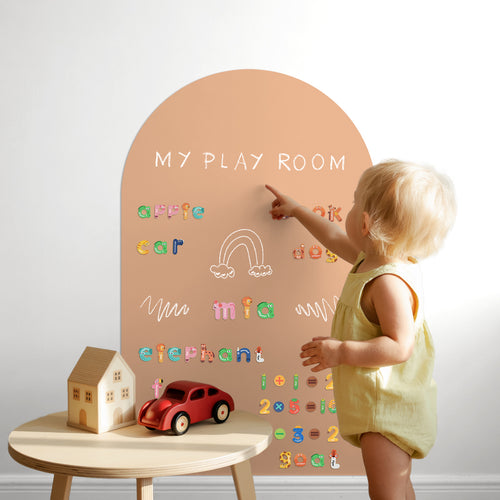
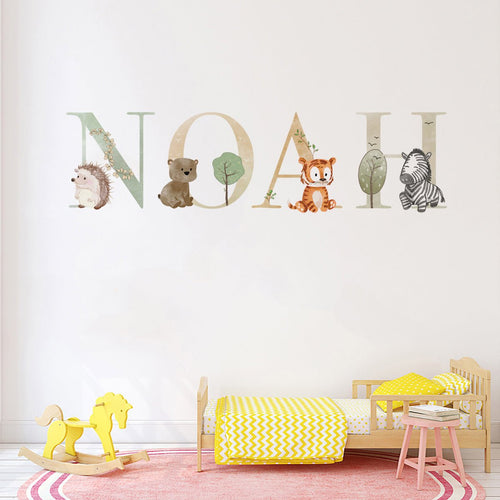
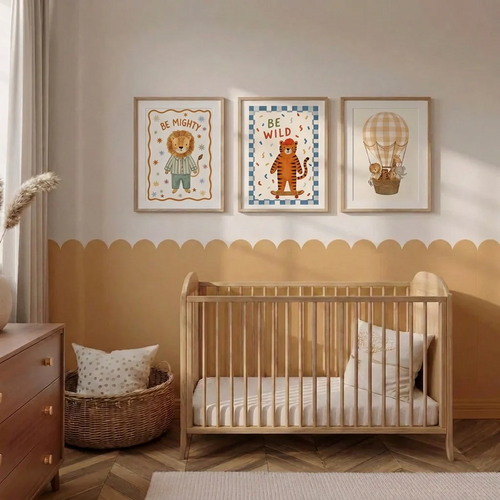
Fabric animal stickers are often the champions for families prioritising safety, flexibility, and ease of use. Their naturally softer texture and matte finish give a premium look that feels warm and inviting, perfect for a nursery or child's bedroom. Because they are typically PVC-free and printed with non-toxic inks, they are an excellent choice for creating a healthy environment for sensitive little ones. Their superior removability means they are ideal for rental properties or for parents who love to refresh their child's room as their interests evolve. For example, if your little one is currently captivated by woodland creatures but might switch to dinosaurs next year, fabric stickers make that transition effortless. If you're looking for inspiration, consider these popular choices:
- Whimsical Woodland Friends: Perfect for a calm, nature-inspired nursery. Explore our woodland animals collection.
- Friendly Farm Animals: Brings a playful, educational vibe to a toddler's room.
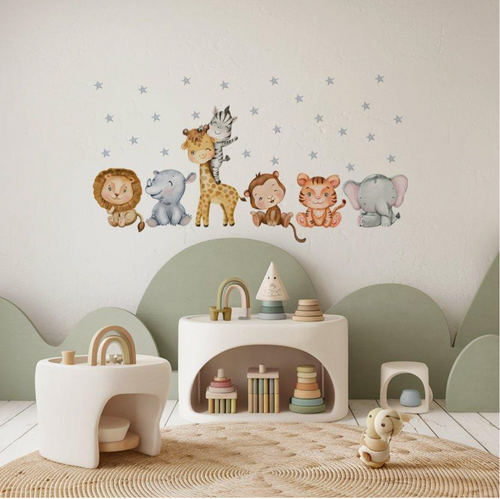
- Magical Safari Adventures: Inspires imagination with lions, elephants, and more. Discover our safari adventures range.
When PVC might still be OK (and what to watch for)
While fabric stickers generally offer more benefits for children's rooms, PVC stickers can still be an option if budget is a very tight constraint or if you have specific design needs only met by vinyl. If you do opt for PVC, it's absolutely essential to do your homework. Look for brands that explicitly state their stickers are phthalate-free and made with low-VOC or eco-solvent inks. Some higher-quality PVC stickers might offer good durability and a glossy finish that some prefer. However, you must be extra cautious during removal. Always test a small, inconspicuous area first, and be prepared for the possibility of residue or minor wall damage, especially if the stickers have been up for a long time. For parents who don't plan on removing or repositioning the stickers frequently and are confident about the specific product's safety credentials, PVC might be considered, but the inherent advantages of fabric often make it the superior choice for nurseries and children's spaces.
Your Quick Decorating Decision Guide
-
Are you renting or concerned about wall damage?
✅ Choose Fabric Stickers (Designed for clean removal) -
Is your child a baby or toddler with sensitive lungs?
✅ Choose Fabric Stickers (Generally PVC-free, non-toxic inks) -
Do you like to change your child's room theme often?
✅ Choose Fabric Stickers (Highly repositionable & reusable) -
Is budget the absolute primary concern, and you don't plan to move stickers?
❓ Consider PVC (with caution & thorough checks for safety claims) -
Do you want a premium, soft, matte finish?
✅ Choose Fabric Stickers
Our Top Picks for Magical Spaces!
At Nursery Stickers, we adore helping you create rooms that spark joy. While we champion fabric for its safety and flexibility, we also know how much fun themed décor can be! If you're looking for inspiration, consider these popular choices:
- Whimsical Woodland Friends: Perfect for a calm, nature-inspired nursery.
- Friendly Farm Animals: Brings a playful, educational vibe to a toddler's room.
- Magical Safari Adventures: Inspires imagination with lions, elephants, and more.
All our stickers are designed with parents in mind. Easy to apply, safe for walls, and a delight for little eyes!
Real Mums Share Their Experience: Fabric vs. PVC Animal Stickers
There's nothing quite like hearing from fellow parents who have been there and done that when it comes to decorating. We've gathered insights from mums across the UK who have chosen between fabric and PVC animal stickers for their children's rooms. Their real-world experiences highlight the practical differences and help paint a clearer picture of which material might be best for your family's needs. From the initial application to long-term satisfaction, their feedback offers invaluable advice beyond just product specs.
What parents are saying on Reddit and Amazon
"I tried PVC stickers first for my son's room," shares Sarah from Manchester. "They looked okay, but when I tried to reposition a giraffe, it stretched and tore. Plus, I was always a bit worried about the smell. Switched to fabric stickers for my daughter's room, and it was night and day! They went on so smoothly, looked like painted art, and came off perfectly when we moved house last month. No damage at all!" Another parent, Emily, commented on an online forum, "For my rental flat, fabric was the only way to go. I was terrified of losing my deposit, but the fabric animal stickers peeled off my daughter’s feature wall like a dream, leaving the paint untouched. Worth every penny." Conversely, some reviews for PVC stickers mention good adhesion but often come with caveats about potential residue or a 'plastic' smell, especially when new. The consensus leans heavily towards fabric for ease of use, wall safety, and a more premium aesthetic, especially when comparing fabric animal wall stickers to PVC ones for kids.
A quick application and removal guide for fabric stickers
One of the most celebrated aspects of fabric animal stickers is their simplicity. Applying them is often a one-person job that takes mere minutes, making it perfect for busy parents. Start by ensuring your wall is clean, dry, and smooth. Gently peel the sticker from its backing sheet, holding it by the edges. Carefully position it on the wall. The beauty of fabric is that you can lift and reposition it if you're not happy with the placement. Once you're satisfied, smooth it down from the centre outwards with your hand or a soft cloth to ensure good adhesion. To remove them, simply start at a corner and gently peel the sticker downwards or sideways. You’ll find they come away cleanly, leaving your wall pristine. This ease of use is why many parents, especially those with young children or living in rented accommodation, find fabric stickers like our IKEA Trofast range to be a game-changer for decorating.
Peel, Stick & Transform: Applying Fabric Stickers in Minutes
- Preparation is Key: Ensure your wall surface is clean, dry, and free from dust or grease. A smooth finish works best.
- Plan Your Placement: Hold the sticker against the wall to visualise where you want it. Take your time!
- Gentle Peel: Carefully peel the sticker away from its backing paper. Avoid touching the adhesive side too much.
- Position & Re-position: Place the sticker onto the wall. If it's not quite right, gently lift an edge and reposition. Fabric stickers are forgiving!
- Smooth & Secure: Once in place, smooth the sticker down from the centre outwards using your hand or a soft cloth to eliminate any air bubbles and ensure a secure hold.
- Admire Your Work: Step back and enjoy your beautifully transformed space!
Removal Tip: To remove, gently lift a corner and peel slowly downwards or sideways. The sticker should come away cleanly without residue or damage.