



kids world map
Unfolding a World of Wonder: Why a Kids' World Map is More Than Just Decor
A kids world map turns any nursery or playroom into a launching pad for adventure. These aren't just pretty pictures to fill empty wall space. They're conversation starters, imagination boosters, and the beginning of a lifelong love affair with our amazing planet.
Your Child's Brain on Geography
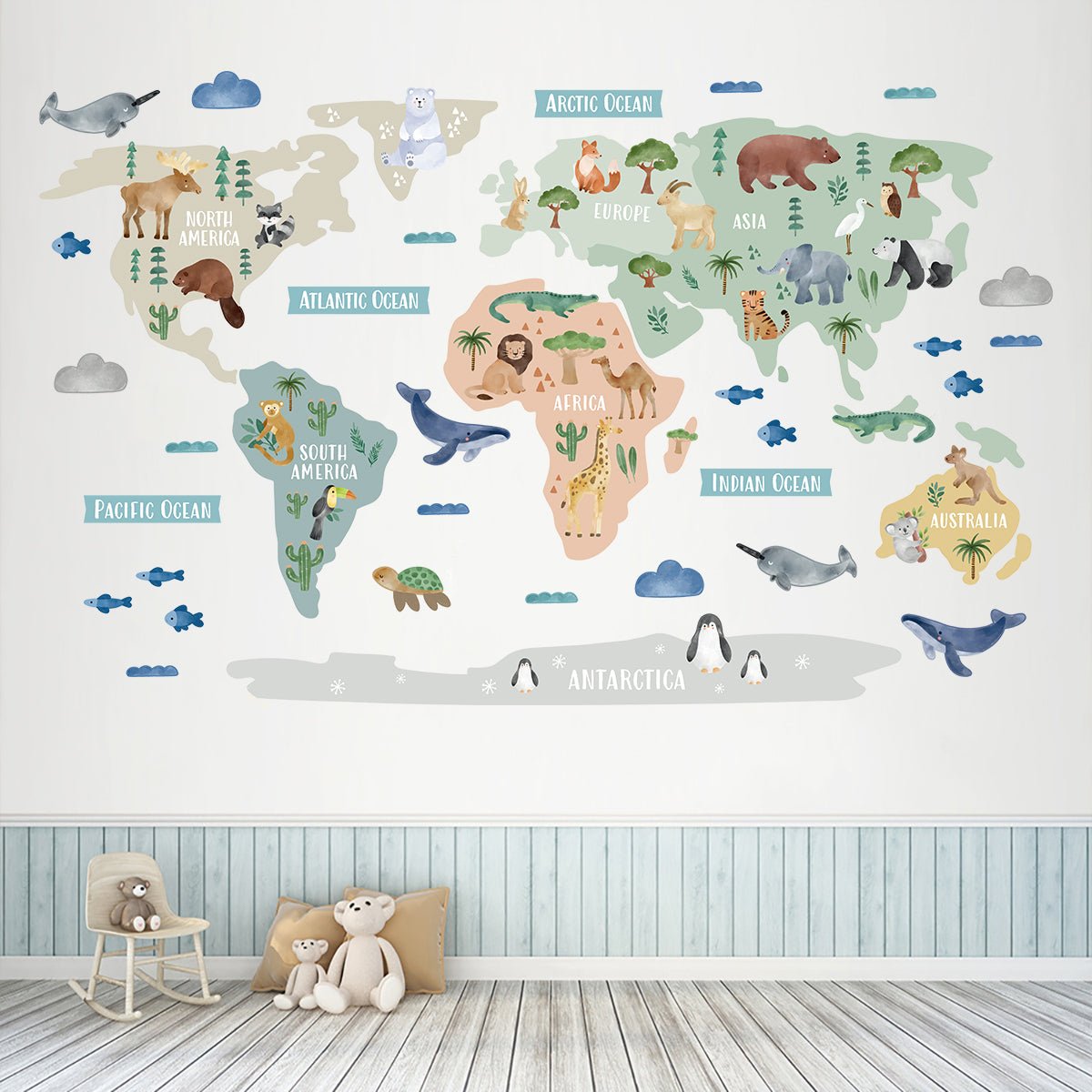
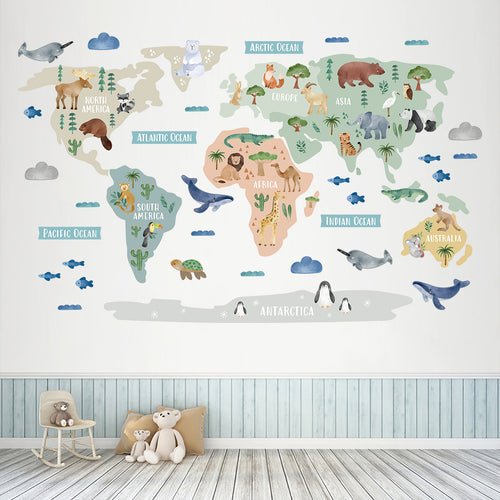
Little brains are geography sponges. When your toddler spots those colourful continents every day, they're quietly building spatial awareness without even trying. The visual patterns boost creative thinking, whilst all those different shapes and colours keep developing minds engaged. Our Animal World Map Nursery Wall Sticker makes this learning feel like pure play. Exactly how it should be.
The Question Factory
Maps are question magnets. "Where do elephants live?" leads to Africa chat. "What's that blue bit?" opens up ocean discussions. Before you know it, your child's noticing differences in food, people, and traditions around them. Simple finger-pointing becomes bonding time. Pure magic, really.
Parent Insight: "My three-year-old now asks where his favourite animals come from every time we read together. The map has become our go-to reference for bedtime stories!" Sarah, mum of two from Manchester
Building Little Global Citizens
Early exposure to world geography grows empathy. Children start understanding that people live differently across our planet, which naturally encourages acceptance. When they see how vast and diverse Earth is, appreciating different perspectives becomes second nature.
Making Geography Gorgeous
Who says educational has to be boring? The best kids world map designs mix accurate geography with eye-catching visuals that grab attention. Bright colours, friendly animals, and clear labels turn learning into daily discoveries. The Animal World Map Nursery Wall Sticker - Blush does exactly this. Accurate continents paired with charming wildlife that children adore.
Choosing Your Child's Perfect Planet Explorer: A Guide for Every Age

Not every map suits every child. The right kids world map grows with your little one's developing interests, shifting from simple eye candy to a proper learning tool. Here's what works at each stage.
Tiny Travellers (0-3 Years): Big, Bold & Beautiful
Babies and toddlers love high-contrast colours and simple shapes. Go for designs with large, clearly defined continents in bright blues, greens, and yellows. Animal characters work brilliantly. They're familiar friends introducing big geographical ideas. Skip anything cluttered with tiny text. Developing eyes need clear, simple visuals.
Curious Explorers (4-7 Years): Stories Waiting to Happen
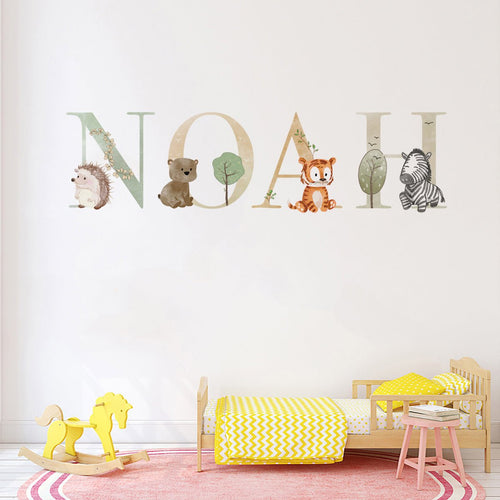
Pre-schoolers crave interaction and storytelling. Maps featuring animals in their natural habitats spark amazing conversations about polar bears versus lions. Simple country names become readable, and patterns like island shapes start making sense. This age group treats maps like picture books they can explore endlessly, much like the ABC Animal Friends Alphabet Wall Stickers that blend learning with visual joy.
Budding Geographers (8+ Years): Accuracy Appreciated
Older children spot when something looks wrong. They notice dodgy country borders and missing capitals. These future geographers love maps showing physical features. Deserts, forests, mountains. Alongside political boundaries. They're ready for designs that support school projects and homework.
| Age Group | Best Features | What to Avoid |
|---|---|---|
| 0-3 Years | Bold colours, large animals, simple shapes | Tiny text, complex details, muted colours |
| 4-7 Years | Animal habitats, readable country names, interactive elements | Political complexity, overwhelming information |
| 8+ Years | Accurate borders, physical features, detailed information | Overly simplified designs, cartoon-only styling |
Why Stickers Win Every Time
Posters need frames and pins. Wall stickers? Just peel and stick. Position them at your child's eye level. Move them when needed. Remove them when interests change. The application becomes part of the fun. Children love helping place continents and watching their wall transform in minutes.
Dodging the Duds: Spotting Quality Maps That Actually Teach
Not all children's maps are created equal. Some prioritise pretty over precise, whilst others sacrifice visual appeal for dry accuracy. Finding that sweet spot between decoration and education starts with knowing what to check.
When Your Eight-Year-Old Becomes a Geography Critic
Children notice more than we think. When your child spots that Australia looks like a circle instead of its distinctive shape, or questions why Greenland appears bigger than Africa, their trust wobbles. Quality maps keep geography recognisable whilst looking friendly. Check that continent shapes match reality and sizes make sense, even in stylised designs.
Distinctive Shapes Matter More Than You'd Think
Many decorative maps butcher country borders or misplace nations entirely. Italy should look like a boot, not a blob. The UK's island shape should be clear. Japan's archipelago should be recognisable. These distinctive silhouettes become memory anchors for geographical facts later on.
The Great Greenland Problem
Traditional map projections make polar regions look massive compared with equatorial countries. Child-friendly maps can fix this with better projections or visual cues about real-world scale. Look for designs showing Africa's true size. Avoid making European countries look disproportionately huge.
Accuracy Checklist: Does Australia look recognisable? Are island nations clearly separated from mainlands? Do tropical countries look appropriately sized compared with polar regions? Can you identify major peninsulas and distinctive coastlines?
Celebrating Global Diversity
The best kids world map designs celebrate our planet's diversity thoughtfully. Animals match their habitats. Penguins in Antarctica, not the Arctic. Cultural elements reflect real traditions rather than outdated stereotypes. This care helps children learn about difference with curiosity and respect.
From Blank Wall to Adventure Base in Under an Hour
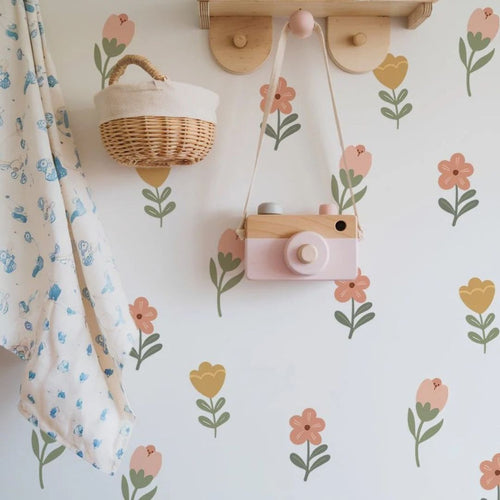
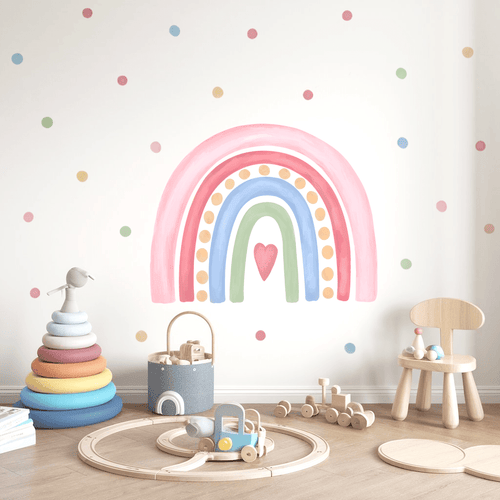
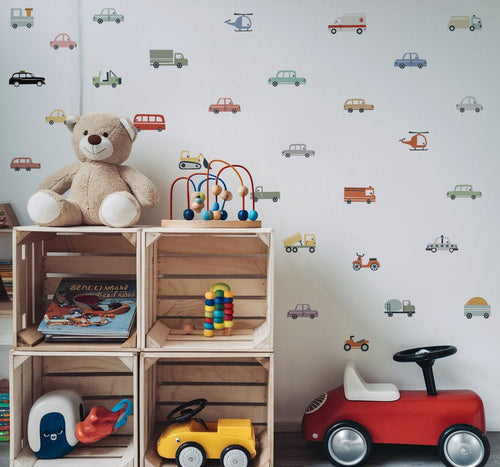
Wall stickers have revolutionised nursery decorating. No frames, no wallpaper commitment, no landlord panic. Just peel, stick, and watch the magic happen.
Renting? No Problem.
Rental living doesn't mean accepting magnolia forever. Removable stickers apply smoothly to most painted surfaces and peel away cleanly when you move. No nail holes. No sticky residue. No deposit deductions. Create a child-friendly space without tenancy nightmares.
Today Dinosaurs, Tomorrow Space
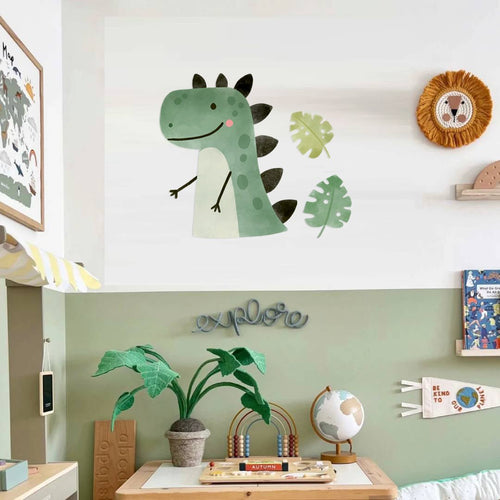
Childhood obsessions change faster than British weather. Instead of living with outdated décor or weekend redecorating projects, just peel away the old and apply something new. A complete refresh takes under an hour. Perfect for busy parents wanting current, relevant décor. Consider pairing your world map with complementary designs like Dinosaur World Map Nursery Wall Sticker for themed learning adventures.
Making Maps Part of the Furniture
A well-chosen map becomes your room's star whilst fitting your existing colours. Place it near the reading corner for bedtime story inspiration. Position it by the play area for exploration during quiet time. Think of it as functional art supporting play and learning.
Think Outside the Wall
Why stop at walls? Apply sections to toy boxes or bookcase backs. Create a travel-themed reading nook by positioning the map at child height for finger tracing during story time. Some parents use individual continents as temporary decorations for geography parties or school projects. Get creative!
Frequently Asked Questions
What age is best for introducing a kids world map?
You can introduce a kids world map from birth onwards, with different benefits at each stage. For babies and toddlers (0-3 years), choose maps with bold colors and large animal characters for visual stimulation. As children grow older (4-7 years), they'll enjoy interactive elements and storytelling opportunities, while children 8+ can appreciate more detailed geographical accuracy.
How do world maps help children's development?
World maps support children's cognitive development by building spatial reasoning skills and geography knowledge naturally. They spark curiosity about different places, animals, and cultures, leading to meaningful conversations between parents and children. The visual patterns and colors also stimulate creative thinking while encouraging global awareness and empathy from an early age.
What should I look for when choosing a kids world map?
Look for maps that balance geographical accuracy with age-appropriate design elements. Check that continent shapes are recognizable and relative sizes make sense, even in stylized versions. For younger children, prioritize bold colors and familiar animals, while older children benefit from accurate borders, country names, and physical features like mountains and deserts.
Are wall sticker maps better than traditional poster maps?
Wall sticker maps offer several advantages over traditional posters, including easy positioning at your child's eye level and simple removal when interests change. They don't require frames or permanent mounting, and children can often help with the application process. This flexibility makes them perfect for growing with your child's changing tastes and room decor.
How can I use a world map to teach my child about different cultures?
Use the map as a starting point for conversations about where different animals live, which naturally leads to discussions about the people and cultures in those regions. When reading stories or watching shows, point to relevant locations on the map to build connections. This helps children understand that people live differently across the planet and encourages acceptance of diverse perspectives.
What common mistakes should I avoid when buying a kids world map?
Avoid maps that sacrifice geographical accuracy for cute designs, as children notice when shapes look wrong. Don't choose overly complex designs for young children or overly simplified ones for older kids. Also, be wary of maps with tiny text or cluttered details that can overwhelm developing vision, and ensure the design matches your child's current developmental stage.