



Key Takeaways
- A personalised dance bag features your child's name, initials, or team logo added by printing, embroidery, or patches.
- These bags are specifically designed to accommodate dance gear such as shoes, leotards, tights, and hair accessories.
- Personalised dance bags are distinct from generic sports bags due to their tailored design for dance needs.
Table of Contents
- What Is a Personalised Dance Bag – And Why It Makes Life Easier for Dance Families
- Types of Personalised Dance Bags (And Which Style Suits Which Dancer)
- Choosing the Right Size & Capacity (No More "It Doesn't All Fit!" Moments)
- Personalisation Options: Names, Logos, Fonts, and Sparkle
- Key Features to Look For in a Personalised Dance Bag (So It Works Hard, Not You)
- Personalised Dance Bags for Different Ages and Dance Journeys
Personalised Dance Bags: The Complete Parent's Guide to Choosing, Designing, and Using Them Everyday
What Is a Personalised Dance Bag – And Why It Makes Life Easier for Dance Families
A personalised dance bag is a dance-specific bag with your child's name, initials, or team logo added through printing, embroidery, or patches. Unlike generic sports bags, these are designed around dance gear like shoes, leotards, tights, and hair accessories.
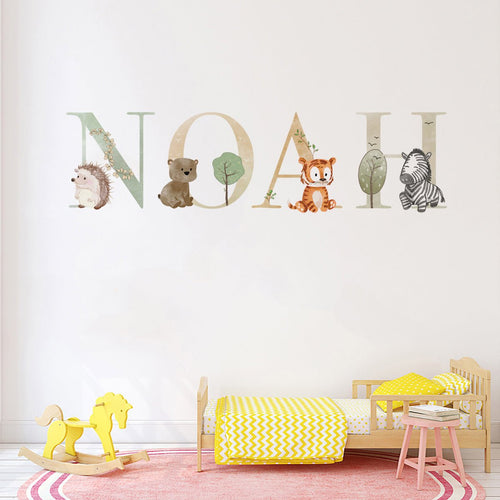
The biggest win? No more "whose bag is this?" moments in busy studios. When every child arrives with an identical black bag, personalised dance bags stand out instantly, making collection time smooth for teachers and parents alike. Lost property becomes practically non-existent when names are clearly visible. British Floral-Inspired Personalised Names Wall Stickers can also be used to label dance gear or accessories, adding a unique touch that helps with identification.
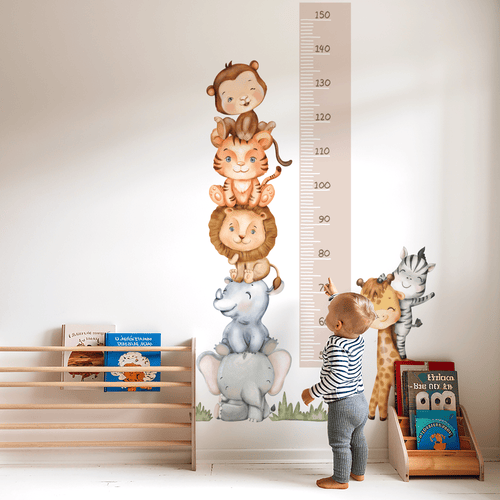
These bags encourage independence too. Four-year-old Paige used to grab the wrong bag every week until she got one with her name in sparkly pink letters – now she spots it immediately and packs it herself. The special, motivating feeling matters enormously for shy or first-time dancers who need that extra confidence boost. For a playful option, Cartoon Animal Personalised Names Wall Stickers are perfect for decorating or personalising dance bag tags and accessories.
First dance classes (ages 3–5) are perfect timing, when children are learning routines and responsibility. Moving up levels – starting pointe, joining teams, or taking exams – marks another ideal moment. Competitions and recitals demand extra space for costumes, make-up, and snacks, making organisation crucial. Rainbow Garden Personalised Names Nursery Wall Stickers are another creative way to add a splash of colour and personality to your child's dance bag or locker area.
For gifting, birthdays and Christmas are obvious choices, but "well done" gifts after successful exams or performances feel equally special. Unlike room decorating that requires wall space and planning, a personalised bag delivers instant personalisation without any home impact – perfect for rental-friendly families.
Quick Snapshot: Is a Personalised Dance Bag Right for Your Child?
Yes, if they:
- Attend weekly classes with multiple items to carry
- Constantly misplace belongings in group settings
- Love particular themes like ballet, hip hop, or space
- Feel motivated by having "special" personal items
Maybe not yet, if they:
- Only attending trial lessons or irregular classes
- Still sharing most gear with siblings
- Prefer completely plain, undecorated items
For hesitant starters, try a small personalised shoe bag or accessory pouch first – less commitment, but still builds that sense of ownership.
Types of Personalised Dance Bags (And Which Style Suits Which Dancer)

Overview of Main Bag Types
There's no "one perfect" style for personalised dance bags – success depends on your child's age, gear volume, and travel needs. The main categories are duffle bags, backpacks, totes, rolling cases, garment bags, and specialist shoe bags, each serving different dance journeys.
Duffle bags, backpacks, and totes are among the most popular choices for children. If you're interested in more ideas for customising your child's gear, you might enjoy this article on personalised backpack options and creative tips.
Duffle & Barrel Dance Bags
Typical children's duffles measure 40–50cm long with 20–25cm diameter, offering 20–30L capacity. They excel for dancers bringing multiple shoes (ballet, tap, jazz combinations) and weekend competitions requiring costumes plus warm-ups. Essential features include ventilated shoe pockets, full-length zips for quick access, and adjustable shoulder straps with 2–3cm increment settings.
Personalisation works beautifully on barrel ends or side panels, creating maximum visibility when bags are stacked. The cylindrical shape means names remain visible from multiple angles.
Backpacks and Mini Backpacks
Mini versions (10–12L) suit preschool and early primary ages, while standard 18–22L backpacks work for older dancers cycling or walking to class. The hands-free advantage with padded, adjustable straps makes them ideal for daily classes with 1–2 shoe pairs, leotard, and water bottle.
Front pockets or top flaps provide perfect personalisation placement, ensuring names stay visible even when bags are worn. The structured shape maintains professional appearance while offering practical organisation.
Totes and Drawstring Bags
Lightweight options shine for beginner dancers with minimal kit or as overflow bags for costumes and warm layers. Flat totes (35 x 40cm) and drawstring bags (40 x 45cm) fold completely flat when empty, making storage simple. They're budget-friendly and machine-washable, though they lack compartments – pair them with small internal pouches for organisation. Safari Alphabet Personalised Names Nursery Wall Stickers are a fun way to label these bags or add a touch of personality to your dancer's accessories.
Rolling Dance Bags and Competition Cases
Wheeled bags become essential for competitions with 2+ costumes and full hair/make-up kits, or travel events requiring 10+ minute walks between car and venue. Choose models under 3kg empty weight with telescopic handles adjustable for your child's height. Large side panels offer excellent space for names, team logos, and dance style identification.
Garment Bags & Shoe Bags (The Unsung Heroes)
Standard 90–110cm garment bags prevent costume crushing and are perfect for adding names plus dance style identification (e.g. "Lily – Tap"). These bags keep costumes wrinkle-free during transport and make quick changes between dances much smoother.
Separate shoe bags or pointe shoe bags serve multiple purposes beyond simple storage. They keep rosin, ribbons, and shoes together whilst managing odour through mesh or breathable fabric construction. For dancers juggling multiple styles, colour-coded shoe bags prevent the frantic search for tap shoes when ballet slippers are already on.
A practical starter combination includes one main bag, one dedicated shoe bag, and one small zip pouch for hair accessories and emergency items like safety pins.
| Type | Best For | Typical Capacity | Ages | Key Advantages |
|---|---|---|---|---|
| Mini Backpack | Weekly classes, one dance style | 10-12L | 3-6 years | Hands-free, lightweight, builds independence |
| Standard Duffle | Multiple shoes, weekend competitions | 20-30L | 6-12 years | Separate shoe compartment, full-zip access |
| Rolling Case | All-day events, heavy costume loads | 40L+ | 10+ years | Reduces shoulder strain, professional appearance |
| Drawstring Tote | Beginners, overflow storage | 8-15L | All ages | Foldable, budget-friendly, easy washing |
Choosing the Right Size & Capacity (No More "It Doesn't All Fit!" Moments)
The frustration of cramming dance gear into an undersized bag disappears when you match capacity to actual needs. Start by laying out everything your dancer brings to a typical class on the bed and taking a photo for future reference.
A standard weekly class requires space for one to three pairs of shoes, leotard, tights, spare top, small towel, 500-750ml water bottle, snack box, and a hair kit containing brush, bobbles, grips, and hair net. Plasters and any personal items complete the essentials list. For more ideas on keeping your child's belongings organised, check out this guide to personalised lunch bags and how they can complement your dance bag routine.
Matching Gear to Capacity With Simple Numbers
Mini bags of 11-12L suit toddlers and preschoolers doing one dance style with minimal equipment. Medium capacity of 18-22L accommodates weekly mixed dance classes requiring two to three pairs of shoes plus standard gear. Large bags of 30-40L serve competitive dancers carrying multiple costumes, warm-ups, and extended day supplies.
Test capacity at home by packing gear into a standard reusable shopping bag. If items overflow, you likely need 18L or larger. Aim for a bag that sits two-thirds full when packed for ordinary classes, leaving space for show week extras and unexpected items.
Fit for Your Child's Height and Comfort
Bag dimensions should complement your child's physical size to prevent strain and encourage independent carrying. The bag height or length should never exceed half your child's height for comfortable transport.
For backpacks, properly adjusted straps position the bag's bottom at or just above hip level. Duffle bags carried by handles should sit 5-10cm above ground level when held naturally. These measurements ensure your dancer can move freely without the bag dragging or pulling them off balance.
When to Size Up (and When Not To)
Clear signs indicate when current storage falls short: shoes becoming squashed and misshapen, regular need for overflow carrier bags, or visible struggle fitting standard weekly items. However, avoid over-sizing for children under seven, as heavy bags strain developing shoulders and discourage independent carrying.
When upgrading, retain the smaller bag as a dedicated shoe or accessory carrier rather than discarding it. This creates an organised system where each item has its designated space, making packing and unpacking significantly faster. For more creative ways to label and organise, Letter Wall Stickers Collection offers a variety of options to personalise dance accessories and storage solutions.
Personalisation Options: Names, Logos, Fonts, and Sparkle
The personalisation method you choose affects both appearance and durability of your personalised dance bags. Printed options using screen print, digital, or heat transfer offer smooth finishes with wider colour ranges, making them ideal for logos and full-colour artwork. Embroidered personalisation creates textured, hard-wearing results perfect for monograms and names that need to withstand frequent handling.
DIY patches and iron-on additions provide flexibility for families wanting to update designs as interests change. These removable options work brilliantly as weekend projects whilst allowing future modifications without replacing the entire bag. Personalised Name Wall Decal Stickers are a fantastic way to add or update names on bags, lockers, or dance gear for a fresh look anytime.
Choosing Fonts and Lettering That Are Easy to Read
Medium-thick fonts ensure names remain readable from 2-3 metres away in busy studio environments. Avoid overly decorative scripts for long names, reserving ornate styles for initials combined with surnames instead. Team orders benefit from consistent font choices and sizing for polished group photos and professional appearance.
Font weight should contrast effectively with bag colour - white or metallic lettering shows clearly on navy backgrounds, whilst black or navy text stands out on light pink or pale colours. Preview tools help simulate the view from across the studio, so zoom out during design to check visibility.
Names, Initials, or Nicknames? (Safety & Style)
Full names provide easier identification at large studios and competitions, helping teachers and parents quickly return misplaced items. However, initials offer added privacy when children walk to and from classes independently, addressing safety concerns many parents share about displaying complete names publicly.
A practical compromise involves using first initial plus full surname, or placing the first name on an inside label whilst displaying initials externally. For younger children travelling alone, many parents prefer initials-only approaches for enhanced security without sacrificing the personalisation benefits.
Colours, Icons, and Dance Styles
Ballet-focused designs typically feature soft pinks, lilacs, and silhouettes of dancers or pointe shoes. Tap and jazz styles embrace bold colours, stars, and music notes, whilst hip hop preferences lean toward graffiti-style text and neon accents.
Future-proof designs by choosing neutral bag colours like navy, black, or grey paired with colourful name treatments that can be updated as tastes evolve. Place favourite characters or style-specific elements on removable keyrings or patches rather than permanent prints, allowing easy updates without replacing the entire bag.
Adding Studio Logos and Team Names
Studios typically position logos on centre front or side panels with individual names beneath. Minimum logo sizes of 6-8cm width ensure clarity and professional appearance in group settings and photographs.
Parents ordering individually to match studio bags should request exact logo files and colour codes from their dance school. This ensures consistency across team orders and prevents mismatched appearances during performances and competitions. For more on the history and function of dance bags, see this external resource.
Key Features to Look For in a Personalised Dance Bag (So It Works Hard, Not You)

Material choice significantly impacts daily usability and maintenance requirements. Polyester and nylon options offer lightweight construction with water-resistant properties, allowing quick cleanup with damp cloths in under two minutes. Canvas provides more structure and tactile appeal but requires spot cleaning and overnight air-drying after washing.
Eco-friendly alternatives using recycled polyester or organic cotton canvas need slightly gentler care but appeal to environmentally conscious families. Darker base colours prove practical for dancers who frequently sit on studio floors or pavements.
Waterproof and Water-Resistant Details
Water-resistant treatments on fabric surfaces handle typical UK drizzle during car-to-studio dashes, whilst fully waterproof construction with sealed seams offers complete protection but adds weight and cost. Most dance families find water-resistant sufficient for regular use.
Look for lined pockets designed for water bottles and wipe-clean interiors that prevent moisture damage to costumes and shoes. These features prove invaluable during outdoor events and extended competition days.
Pockets, Compartments, and Organisers
Effective organisation requires at least three distinct compartments: main section for clothing, separate shoe area, and small zipped pocket for tiny items like hair grips and tickets. Bags with single large compartments benefit from added zip pouches or small organiser bags.
Optimal 22L Backpack Layout: Bottom section for shoes in drawstring bag, middle area for rolled clothing, top compartment for snacks and water bottles for quick access during breaks.
Comfort: Straps, Handles, and Weight
Padded straps measuring 4-5cm wide distribute weight effectively across shoulders, preventing discomfort during longer carries. Empty bag weight should remain under 800g for backpacks and duffles to avoid strain on developing shoulders.
When straps cause discomfort, clip-on strap pads provide additional cushioning, or wearing the strap across the body rather than on one shoulder redistributes pressure more evenly.
Closures and Hardware
Zip closures prove superior for competitions and public transport, offering security and weather protection that drawstrings and flaps cannot match. Zip pulls should measure 2-3cm long for easy handling by small hands, even when wearing gloves.
Metal hardware typically outlasts plastic alternatives but adds weight to the overall bag. Consider your dancer's age and strength when choosing between durability and lightweight construction. For additional tips on customising and identifying your child's belongings, see this helpful article on personalised stickers.
Personalised Dance Bags for Different Ages and Dance Journeys
Age-appropriate sizing and features ensure personalised dance bags support rather than hinder your dancer's development and independence. Matching bag characteristics to developmental stages creates positive experiences that encourage responsibility and organisation skills. For more on the educational benefits of personalisation, see this government overview of personalised learning.
Toddlers & Preschool Dancers (Ages 3–5)
Mini backpacks or small totes of 10-12L capacity suit the minimal requirements of early dance classes. Simple packing includes one pair of shoes, snacks, and spare tights without overwhelming tiny shoulders.
Bold first names or initials paired with recognisable icons like stars, rainbows, or ballet slippers create designs these young dancers can identify independently. The bag often doubles as nursery or pre-school storage on non-dance days, maximising utility.
Primary School Dancers (Ages 6–11)
Multiple dance styles require medium backpacks or duffles of 18-22L with dedicated shoe compartments for the two to three pairs typically needed. This age group benefits from involvement in colour and font selection, building ownership and responsibility for their equipment.
Designs can incorporate more sophisticated elements whilst maintaining child-friendly appeal. Consider their growing independence and preference for personal style when choosing colours, motifs, and personalisation details. Encourage your child to help pack and organise their bag, fostering confidence and responsibility as they progress through their dance journey.
Frequently Asked Questions
What are the main benefits of using a personalised dance bag compared to a generic sports bag?
Personalised dance bags are designed specifically for dance gear like shoes, leotards, and hair accessories, making organisation easier. Adding your child's name or team logo helps prevent mix-ups and lost items, especially in busy studios where many bags look alike.
How do I choose the right size and style of personalised dance bag for my child's specific dance needs?
Consider your child's age and the amount of gear they need to carry, smaller bags suit beginners with just a few items, while larger bags with extra compartments work well for dancers in exams or competitions. Look for styles that include separate shoe pockets or mesh sections to keep things tidy.
What personalisation options are available for dance bags, and how can they help with identifying my child's belongings?
Personalisation can include printed or embroidered names, initials, team logos, and even fun fonts or sparkly details. These make your child's bag easy to spot at dance class, helping them feel proud and independent while reducing lost property.
At what stages in a child's dance journey is it most beneficial to invest in a personalised dance bag?
Personalised bags are great from the very first classes when children start learning responsibility, and especially as they progress to exams, teams, or competitions that require more gear. They also make thoughtful gifts for milestones like performances or exam successes.