



Key Takeaways
- Personalised spaces with names create meaningful and imaginative environments for children.
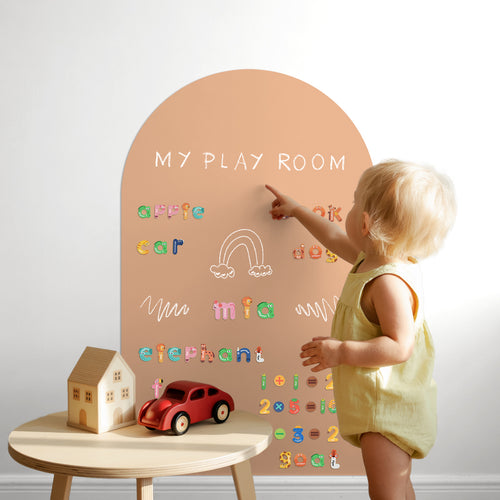
- Labelled areas like "Emma's Art Studio" help children feel a sense of ownership and pride.
- Using place names in a child's room can bring stories, history, and creativity to life.
- Transforming blank walls into named spaces encourages children’s growth and exploration.
- Place names can range from playful labels like "Dragon's Den" to educational elements like family root maps.
Table of Contents
- What Is a Place Name? (And Why Every Space Needs One)
- From World Maps to Walls, The Origins and Stories Behind Place Names
- The Art & Science of Place Naming (Toponymy Explained Simply)
- Place with Name in the Home, How to Personalise Your Child's Room (With Zero Stress)
- Place Names Beyond the Nursery, Exploring History, Heritage, and the World
- Place with Name, Problems, Solutions & Practical Tips
Place with Name, How Personalised Spaces Tell Stories (and Grow with Your Child)
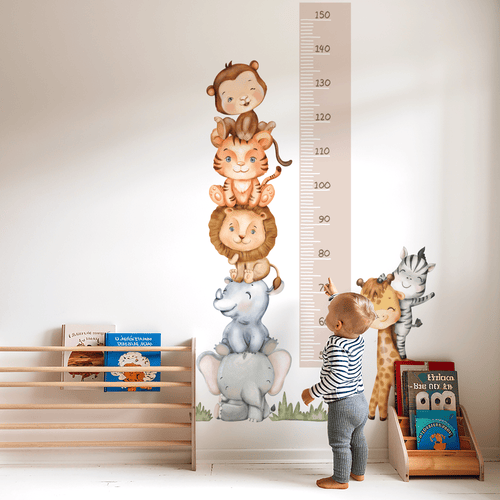
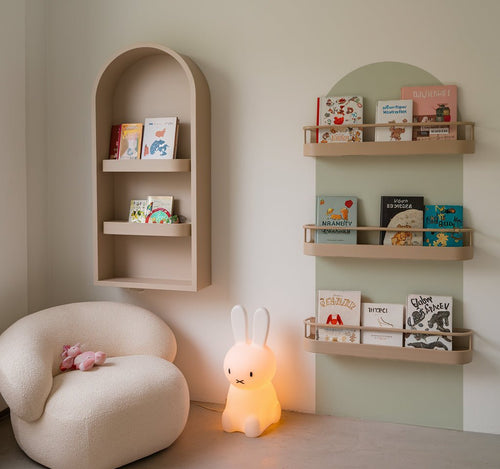
There's something magical about seeing a child's face light up when they spot their name on their bedroom door or discover a corner labelled "Emma's Art Studio." As the founder of Nursery Stickers, I've watched countless families transform blank walls into personal worlds where every place with name becomes a story waiting to unfold. Whether you're creating "Dragon's Den" above a toy chest or tracing family roots on a world map, place names bring meaning, history, and boundless imagination to life.
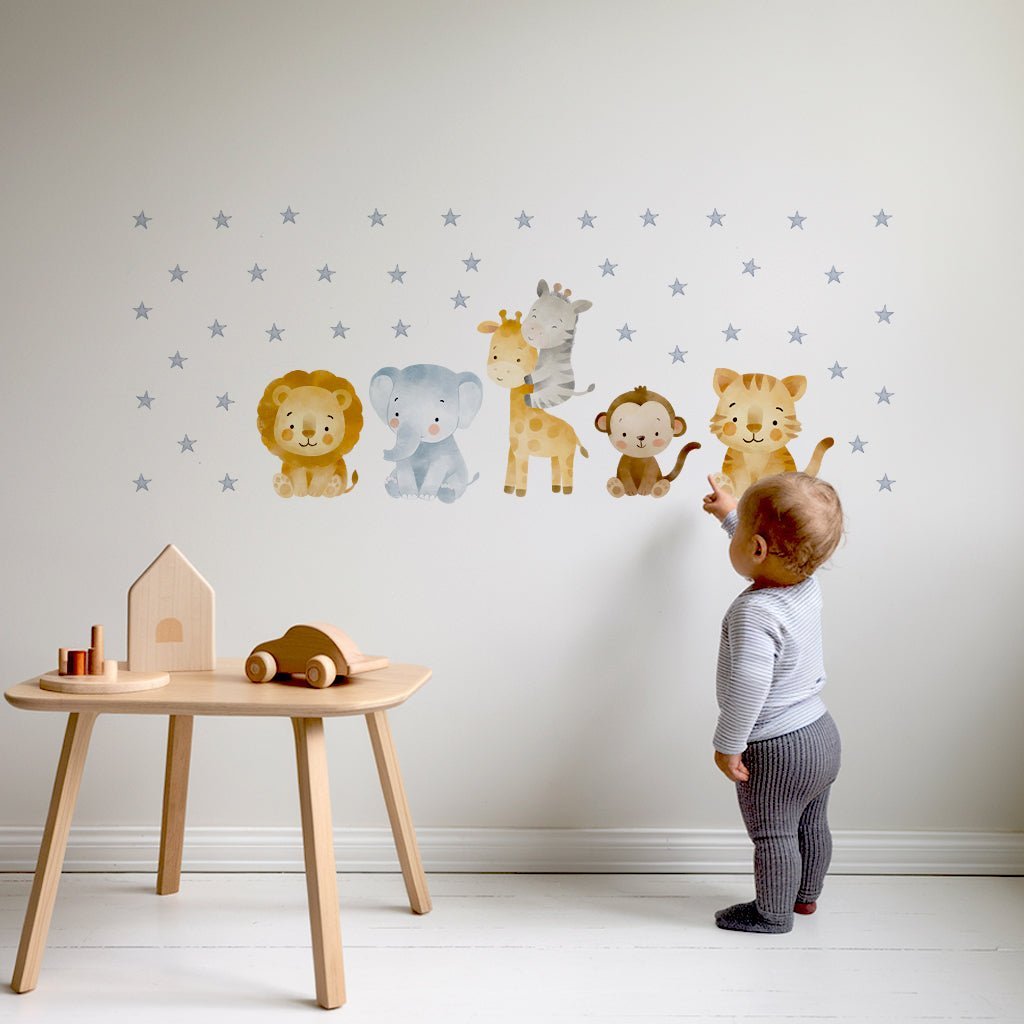
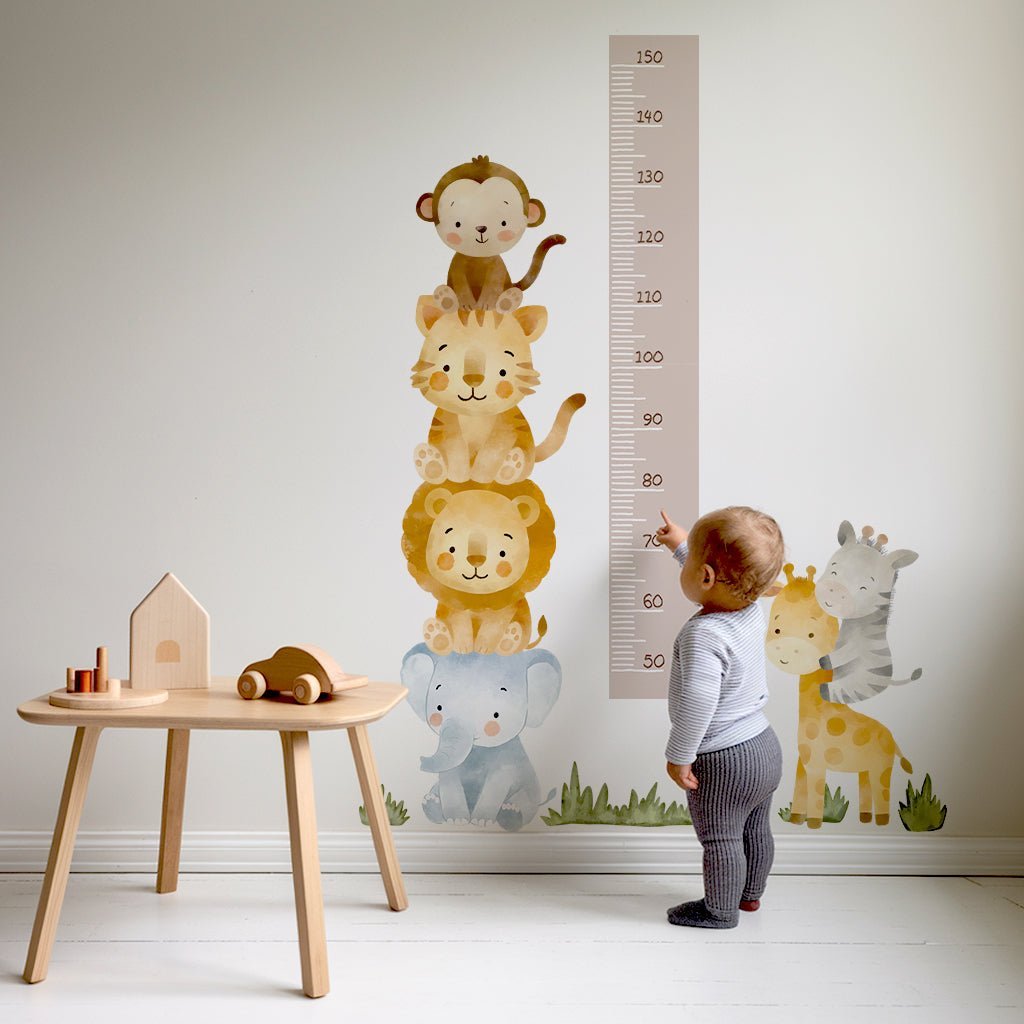
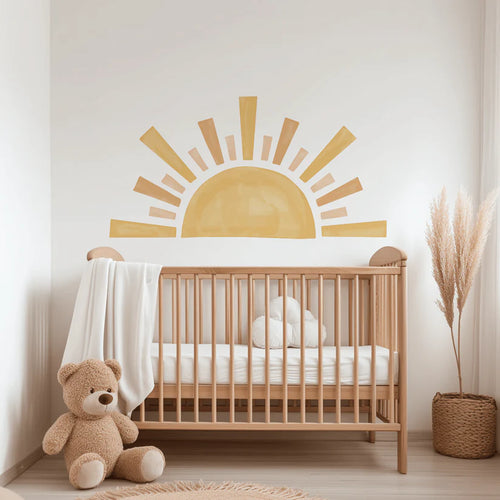
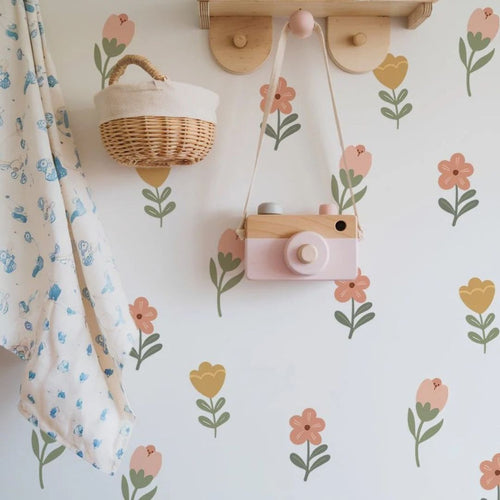
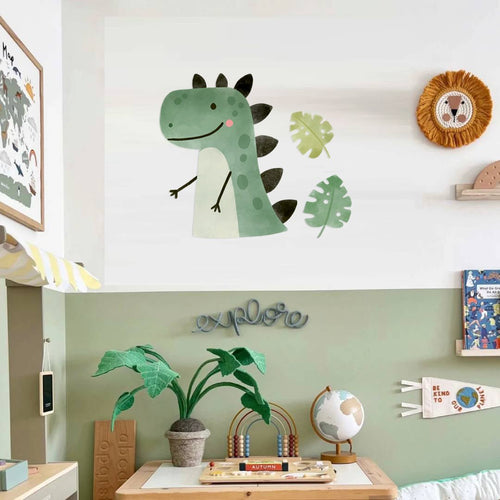
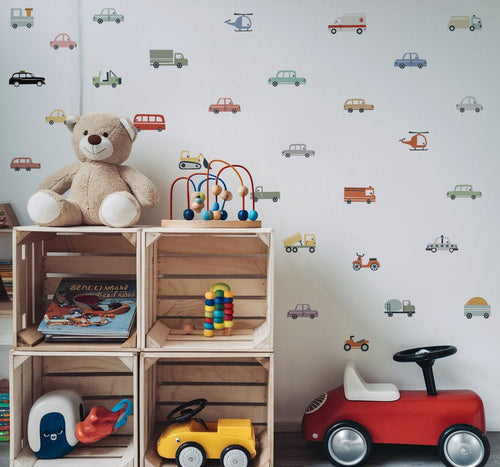
For families looking to create these magical environments, nursery wall stickers are a simple and effective way to personalise any space. Beyond the nursery, place names shape how we navigate everything from street corners to story books. They're the bridge between geography lessons and bedtime tales, between family heritage and future adventures. We'll explore what makes a place name powerful, why it matters for your child's development, and practical ways to weave meaningful names throughout your home, all without the stress, mess, or permanence of traditional decorating.
If you're interested in even more creative options, personalised name wall stickers can help you design unique zones that grow with your child’s interests.
What Is a Place Name? (And Why Every Space Needs One)
The Basics, Place Names Defined
A place name is simply a word that identifies any location, from Mount Everest to the corner of your child's room you've christened "Teddy Bear Tea Party." Geographers call them toponyms, but for families, they're the labels that transform anonymous spaces into treasured territories. Think "Mia's Music Wall" where instruments hang, or "Safari Corner" complete with animal stickers and adventure books.
| Type | Real-World Example | Child's Room Example |
|---|---|---|
| Natural Features | River Thames | Rainbow Valley (reading area) |
| Built Environments | London Bridge | Castle Keep (play fortress) |
| Personal Names | Victoria Park | Grandad's Workshop (craft table) |
Why Names Matter (For Kids & Grown-ups)
Names help us remember, organise, and develop emotional connections to spaces. When four-year-old Jake calls his bedroom corner "Dinosaur Discovery Zone," he's not just labelling, he's claiming ownership and creating a mental map that makes tidying up feel like an adventure. Research shows that personalised environments boost children's sense of belonging and encourage independent play.
One parent shared how naming her daughter's playroom "Creativity Central" transformed cleanup time from a battle into a game: "She started saying 'I need to organise Creativity Central' instead of 'I don't want to clean up.' The name made it feel like her special responsibility."
Place Names in Everyday Life
Place names aren't confined to atlases, they're everywhere your child looks. Schools have named classrooms ("Year 3 Blue"), hospitals organise by wards ("Children's Wing"), and playgrounds feature zones ("Adventure Trail," "Quiet Garden"). At home, place names appear on toy storage bins, wall stickers, and those hand-drawn signs your little artist tapes to their door. Every named space becomes easier to navigate, remember, and care about.
From World Maps to Walls, The Origins and Stories Behind Place Names

What's in a Name? (History & Meaning)
Place names typically spring from natural features (Bear Lake had bears), important people (Victoria named after Queen Victoria), significant events (Battle Creek), or simple descriptions (Greenfield was green and flat). Understanding these patterns helps children become detectives of their own environment, why is your street called Oak Avenue? Are there oak trees, or were there once?
Turn this into exploration: during your next neighbourhood walk, encourage your child to guess how local places got their names. Then research together, you might discover that Rosemary Lane was named after herbs that grew wild there, inspiring a garden-themed corner in their bedroom.
Place Names Around the Globe
Every culture brings unique naming traditions that can inspire fresh decorating themes. Tokyo means "eastern capital" in Japanese, while many Indigenous place names describe the land's natural features in vivid detail. Alaska's Denali means "the tall one" in the local Koyukon language, perfect inspiration for a mountain adventure theme.
| Place Name | Origin | Meaning | Room Theme Inspiration |
|---|---|---|---|
| Sahara | Arabic | "Desert" | Sandy Adventure Zone |
| Mississippi | Ojibwe | "Great River" | Flowing Water Wall |
| Edinburgh | Old English | "Edwin's Fort" | Castle Kingdom |
How Place Names Change (And Why That Matters)
| Region | Place Name | Original Meaning | Theme Inspiration |
|---|---|---|---|
| Japan | Tokyo | Eastern Capital | Sunrise Adventure Corner |
| Alaska (Koyukon) | Denali | The Tall One | Mountain Explorer Base |
| Wales | Llanfairpwll... | Church by the White Hazels | Fairy Tale Reading Nook |
Places get renamed for cultural shifts, historical corrections, or simply because residents prefer something new. What was once called "Industrial Estate" might become "Riverside Gardens" after redevelopment. This natural evolution mirrors how children's interests change, last year's "Princess Palace" might transform into "Science Laboratory" as your little one discovers chemistry sets.
This is precisely why removable wall stickers make perfect sense for growing families. Unlike painted murals that require redecorating, premium vinyl stickers let you honour your child's changing passions without stress, mess, or major expense.
For more inspiration on how to update a room as interests change, you might enjoy reading about how to transform your bedroom with stylish wall stickers.
The Art & Science of Place Naming (Toponymy Explained Simply)
What Is Toponymy?
Toponymy is the study of place names, their origins, meanings, and how they evolve over time. While it might sound academic, toponymy appears everywhere in children's lives: in story books where characters visit "Hundred Acre Wood," in school geography lessons about capital cities, and when you help your child create "Dragon's Lair" above their bed using colourful wall stickers.
Simple & Composite Names
Place names come in two main types: simple (one element) and composite (multiple elements combined). Simple names like "London" or "Paris" stand alone, while composite names like "Rainbow Valley" or "Teddy Bear Reading Nook" paint detailed pictures. Composite names work brilliantly in children's spaces because they tell complete stories and spark imagination.
| Type | Real-World Example | Nursery Example | Why It Works |
|---|---|---|---|
| Simple | Dover | Luna's Corner | Easy to remember and say |
| Composite | Crystal Lake | Starlight Story Cave | Creates vivid mental images |
Place Name Classifications (From Rivers to Bedrooms!)
Toponymists classify place names into categories: natural features (rivers, mountains), built environments (bridges, towns), commemorative names (honouring people), and descriptive names (what the place looks like). In children's rooms, these same patterns create magical spaces, "Pirate Cove" for a toy chest corner, "Artist's Studio" for the craft table, or "Stargazer's Observatory" for a window seat.
Try this activity: invite your child to walk through their room and invent names for different zones. They might discover that their bookshelf becomes "Adventure Library" and their dress-up box transforms into "Character Collection Central." Every named space becomes more special and easier to organise.
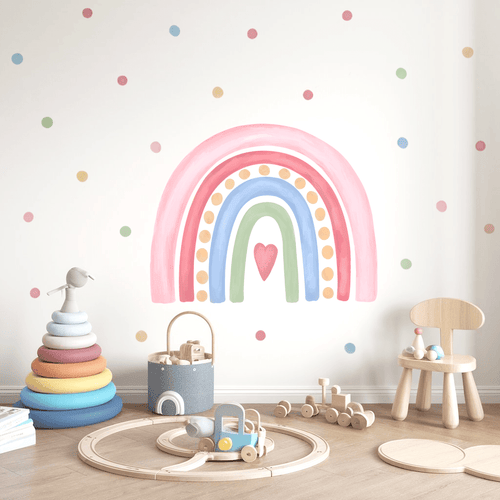
For more creative ideas, check out how you can transform your space with rainbow wall stickers for playful, themed zones.
Place with Name in the Home, How to Personalise Your Child's Room (With Zero Stress)
Why Personalisation Makes a Difference
Personalised spaces boost children's sense of belonging, encourage independent play, and support identity development. When eight-year-old Mia sees "Mia's Music Wall" decorated with removable note stickers, she feels ownership and pride. Research in environmental psychology shows that personalised environments increase motivation and emotional attachment to spaces, making children more likely to care for and organise their belongings.
Quick, Creative Ways to Add a Place Name to a Room
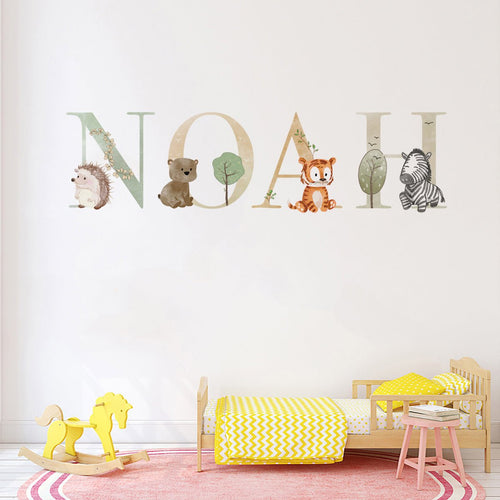
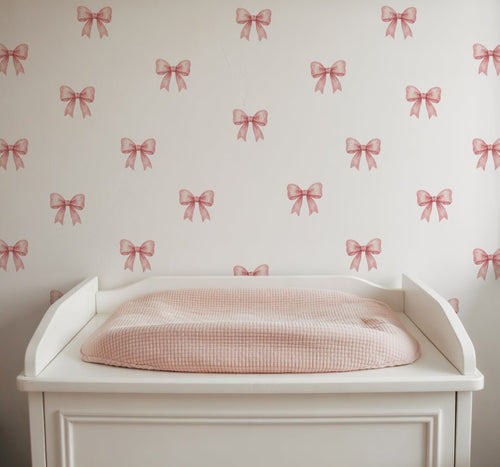
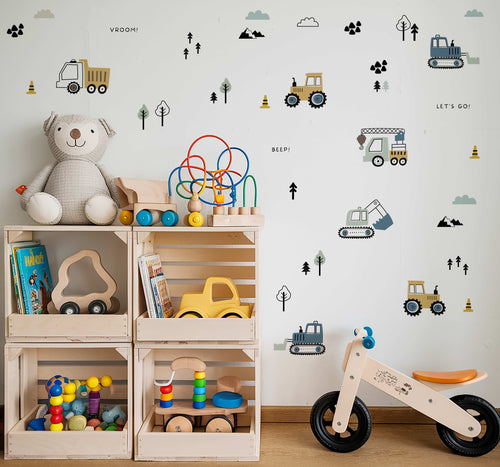
Premium removable wall stickers offer the fastest, cleanest solution. Print your child's name alongside themed designs, "Oliver's Ocean Adventure" with sea creatures, or "Sophie's Space Station" with rockets and stars. Our vinyl and fabric materials apply in under three minutes and remove without residue, perfect for rental homes or evolving tastes.
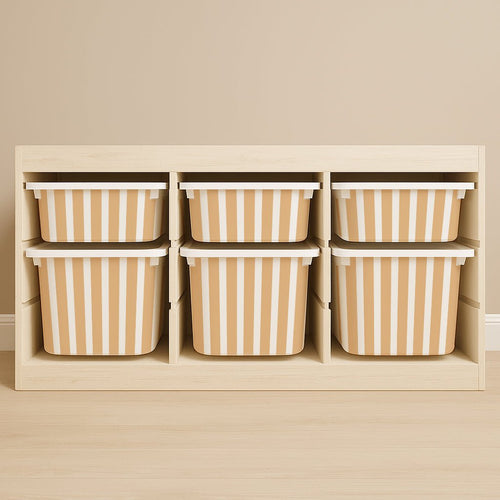
DIY sign-making provides hands-on creativity using cardboard, fabric, or small chalkboards. Children can decorate their own signs and change them seasonally. Themed storage labels work brilliantly for "Dino World" toy bins or "Art Supplies HQ" drawers, using clear fonts large enough for emerging readers.
| Method | Time to Apply | Mess Level | Approximate Cost | Flexibility |
|---|---|---|---|---|
| Removable Wall Stickers | Under 3 minutes | Zero mess | £15-35 | Change instantly |
| DIY Signs | 30-60 minutes | Craft supplies | £5-15 | Seasonal updates |
| Storage Labels | 10-15 minutes | Minimal | £3-10 | Easy swaps |
Theme-Lover's Guide: From Safari Zones to Reading Coves
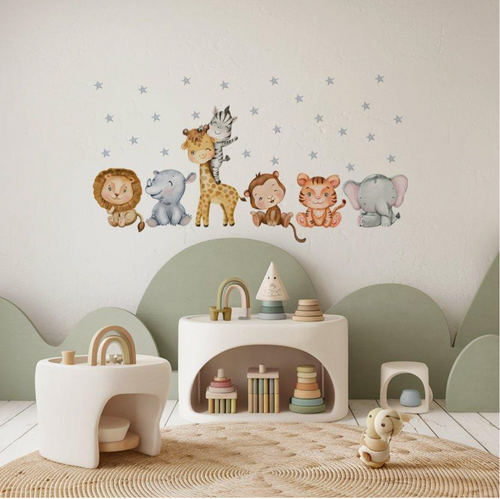
Olivia's Ocean came to life when four-year-old Olivia became obsessed with marine documentaries. Her mum created an underwater world using whale and dolphin stickers alongside "Olivia's Ocean Adventure" lettering above her bed. The removable design meant easy updates when Olivia discovered jellyfish three months later.
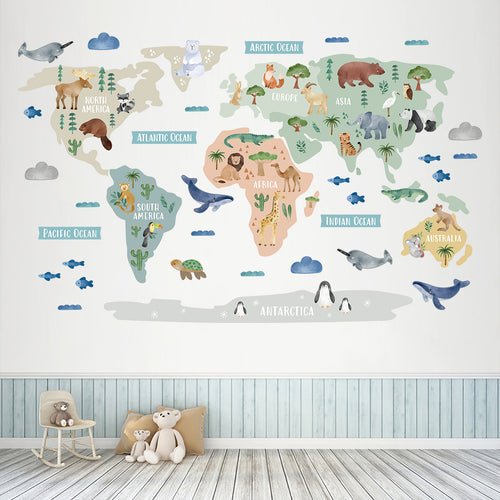
Eli's Explorer Corner transformed a reading nook with vintage map stickers, compass designs, and adventure-themed lettering. The space encouraged Eli's love of atlases while providing a cosy spot for bedtime stories about faraway places.
Quick-Answer: How do I choose a theme and name?
Step 1: Ask your child about their current favourite thing (animals, vehicles, colours, characters)
Step 2: Combine their interest with their name or a descriptive word: "Maya's Magical Forest" or "Rocket Ship Reading Zone"
Adapting as They Grow
Children's interests shift rapidly, dinosaurs give way to space exploration, princesses transform into scientists. Premium vinyl and fabric stickers remove cleanly without damaging paint or leaving sticky residue, making transitions effortless. Simply peel off "Dragon Castle" and apply "Chemistry Lab" stickers in the same afternoon.
Budget-conscious families can layer themes strategically. Keep neutral base colours and swap accent stickers seasonally. A £20 sticker set can completely refresh a room's personality, compared to £200+ for repainting and new accessories.
For more tips on labelling and personalising spaces, you might also enjoy our guide to name labeller ideas for kids’ rooms and belongings.
Place Names Beyond the Nursery, Exploring History, Heritage, and the World

Place Names in Family Stories & Genealogy
Recording where your family lived creates meaningful connections across generations. Use genealogy software like RootsMagic or simple family journals to track "place with name" details, not just cities, but specific neighbourhoods, farms, or even house names. Children love discovering they share a hometown with great-grandparents or learning why families moved between countries.
Remember that historic place names often differ from modern ones. What's now called "Birmingham" might appear as "Birminghamshire" in old records, while family stories might reference local nicknames that never appeared on official maps.
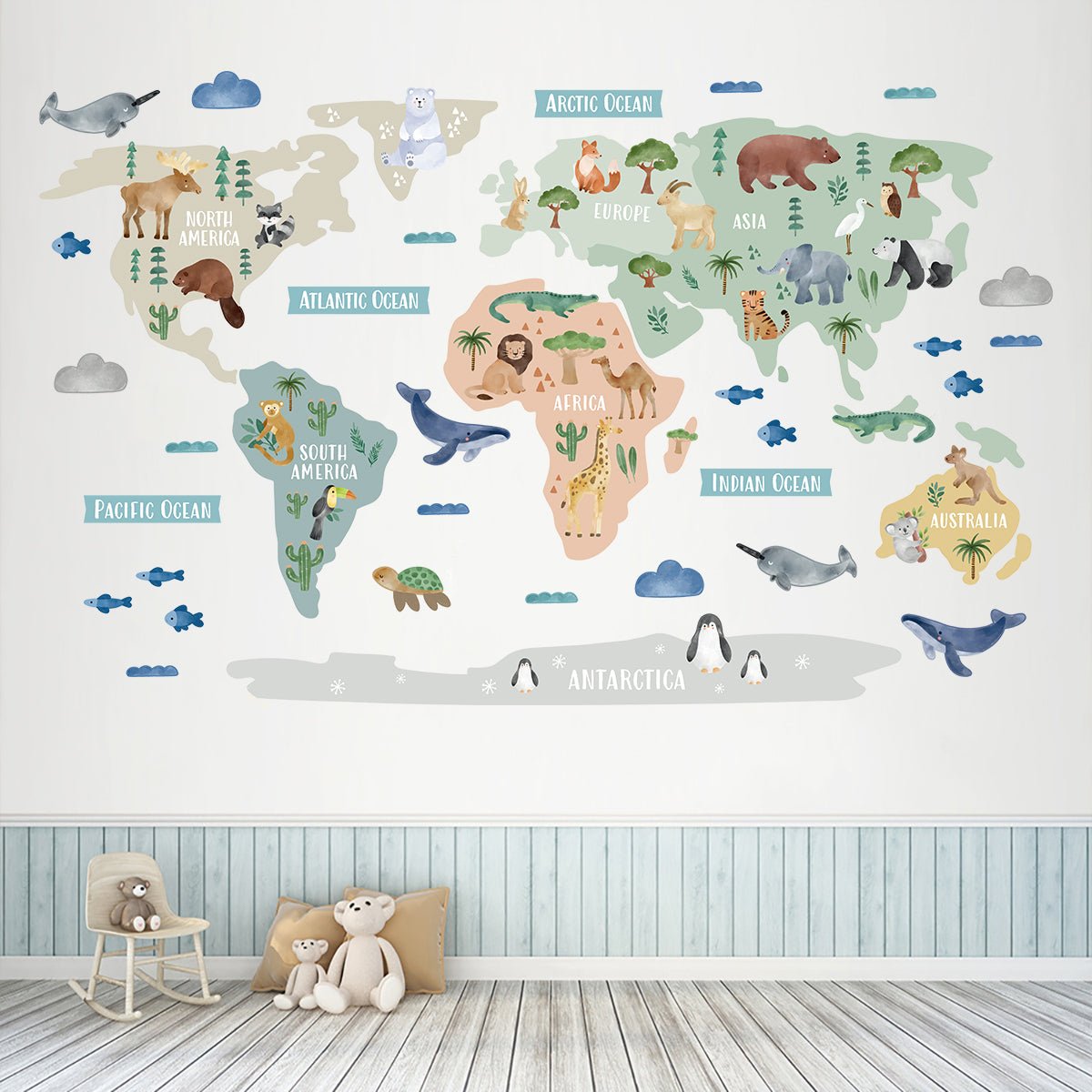
For families interested in creative ways to decorate with history and heritage, transform your space with jungle wall stickers for a playful nod to family roots or world adventures.
Indigenous & Historic Names, Respecting and Learning from Every Story
Indigenous place names carry profound cultural knowledge about landscapes, seasons, and traditional ways of life. The Dena'ina people of Alaska named places like "Dgheyay Kaq'" (mouse point) based on natural features and animal habitats, creating a living map of ecological relationships.
| Indigenous Name | Meaning | Modern Location | What It Teaches |
|---|---|---|---|
| Dgheyay Kaq' | Mouse Point | Alaska | Wildlife observation |
| Cymru | Land of Compatriots | Wales | Community identity |
| Aotearoa | Land of Long White Cloud | New Zealand | Natural phenomena |
Explore local Indigenous place names with your child using online resources or museum websites. This activity builds respect for different cultures while expanding geographical knowledge.
When Places Have More Than One Name
Many locations carry multiple names reflecting different languages, historical periods, or local preferences. Mumbai was Bombay, Istanbul was Constantinople, and your local park might have both an official name and a neighbourhood nickname like "Duck Pond Park."
Explain these changes to children as natural evolution, places grow and change just like people do. Use this concept when updating room themes: "Safari Corner" can become "Space Station" while keeping happy memories of both phases.
Place Names on Maps & In Everyday Navigation
Digital maps prioritise current official names, while historical maps preserve older versions. Show your child how to find your street on both Google Maps and historical OS maps, they'll spot fascinating differences in neighbourhood names and boundaries.
Practice navigation skills by having your child direct you home using street names, or create treasure hunts using room zone names: "Find the hidden toy in Pirate Cove, then sail to Reading Harbour for your next clue."
For further reading on the science behind personalised environments and their impact on children, see this research on environmental psychology and child development.
Place with Name, Problems, Solutions & Practical Tips
While creating a place with name can be fun and rewarding, some families worry about permanence, cost, or how to adapt as children grow. The good news is that modern solutions like nursery wall stickers and removable labels make it easy to update any space with minimal effort or expense.
If you’re interested in the latest research on how naming and personalisation affect memory and spatial awareness, check out this scientific study on place names and cognitive development.
Frequently Asked Questions
What are place names and how do they help personalise a child's space?
Place names are labels that identify specific areas, turning ordinary spots into special places like "Ella's Reading Nook" or "Pirate's Cove." They personalise a child's space by making it feel unique and meaningful, helping children connect with their environment in a fun and imaginative way.
How can naming areas in a child's room encourage creativity and a sense of ownership?
Naming areas gives children a sense of pride and belonging, making them feel responsible for their own little worlds. It sparks creativity by inviting them to imagine stories and adventures linked to those spaces, like a "Dragon's Den" or "Art Studio," which can evolve as their interests change.
What are some practical and stress-free ways to incorporate place names into home decor?
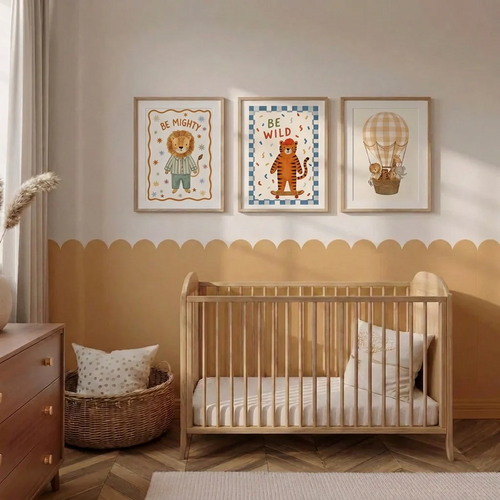
Using removable wall stickers with personalised names is an easy, mess-free way to label spaces without commitment. You can also add playful signs or framed prints that can be swapped out as your child grows, making it simple to refresh the room whenever you like.
Why is it important for children to have personalised spaces with meaningful names?
Personalised spaces with meaningful names help children feel valued and understood, supporting their emotional growth. These named areas encourage exploration and learning by turning everyday corners into imaginative zones that reflect their personality and heritage.