



Key Takeaways
- Transforming a cluttered corner into a playroom can be done quickly and easily.
- Smart playroom decor involves clever, removable touches that ignite imagination without major renovations.
- Premium vinyl and fabric stickers can be applied in minutes and removed without residue.
- Refreshing the playroom decor is simple as your child's interests evolve.
- Guidance is provided from planning to adding finishing touches for an ideal play space.
Table of Contents
- Why Playroom Decor Matters – Sparking Joy and Creativity from Day One
- Designing Your Playroom Layout – Zones That Make Play Flow
- Choosing Playroom Colours and Walls – Bright, Bold, and Removable
- Furniture and Storage Essentials – Durable, Multi-Use Picks
- Flooring, Lighting, and Sensory Touches – Comfort Meets Fun
- Safety First – Childproofing Without Sacrificing Style
- Montessori vs Traditional Playroom – Which Fits Your Family?
- Keeping It Fresh – Adapting as Your Child Grows
- Budget-Friendly Playroom Decor Ideas – Maximum Impact for £50 or Less
- Common Playroom Decor Mistakes – What to Avoid for Lasting Success
- Seasonal Playroom Updates – Fresh Looks Year-Round
- Future-Proofing Your Playroom Design – Planning for Growth
- Final Recommendations – Your Path to Playroom Success
Playroom Decor That Grows With Your Child (Easy Tips)
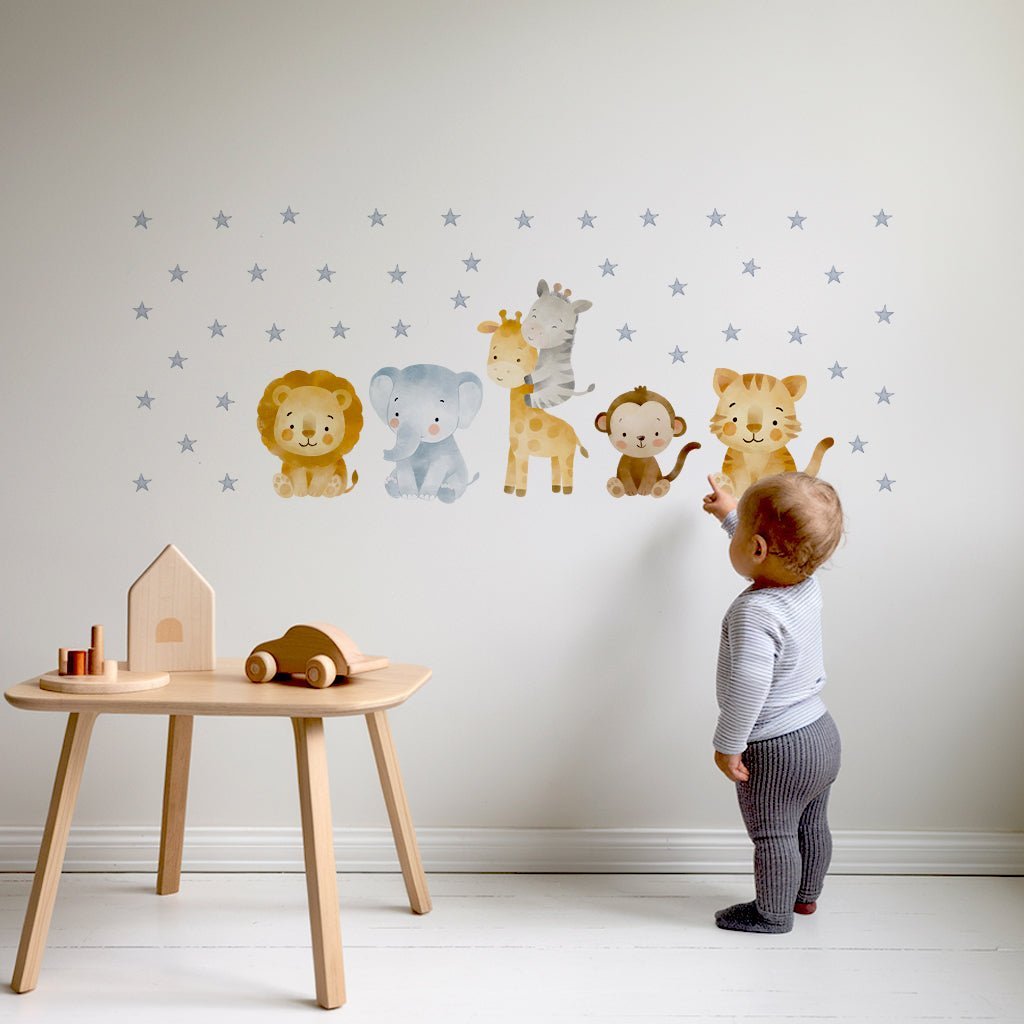
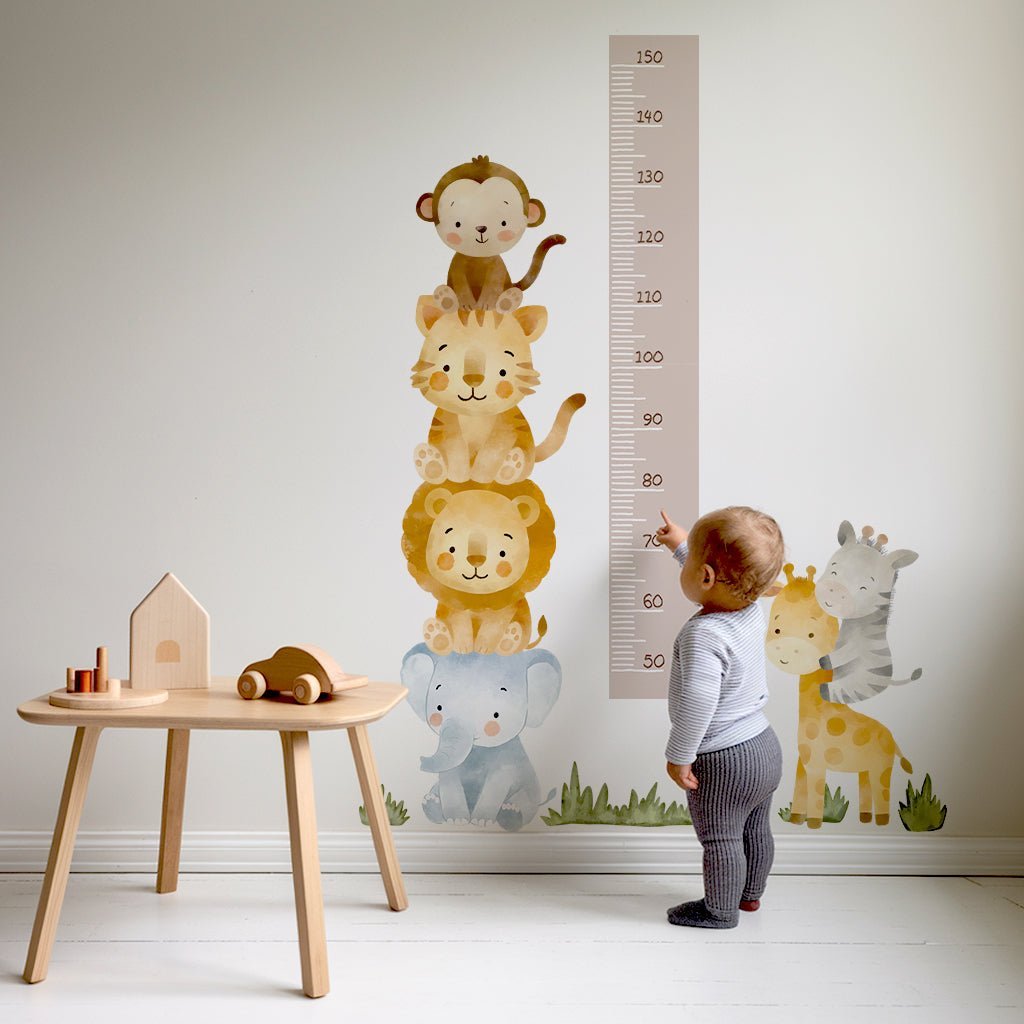
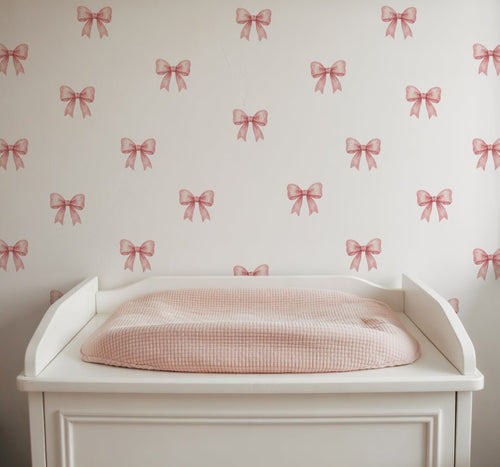
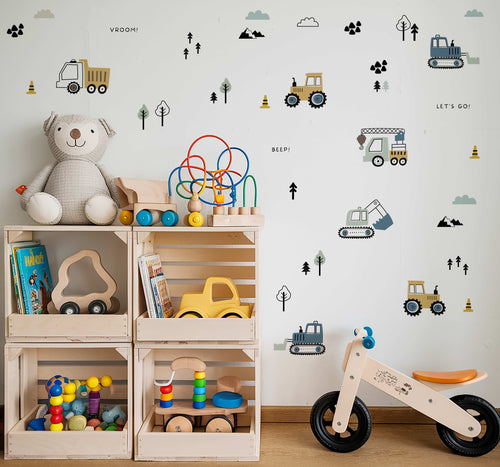
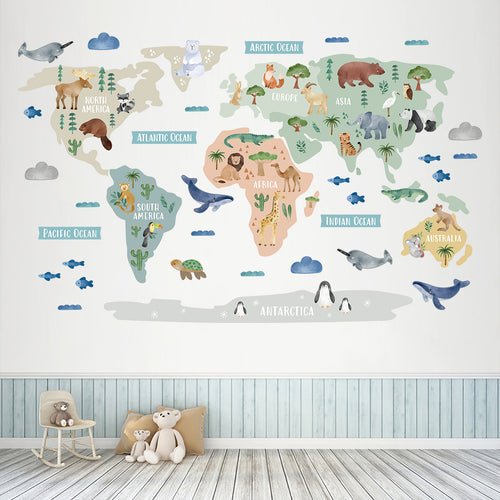
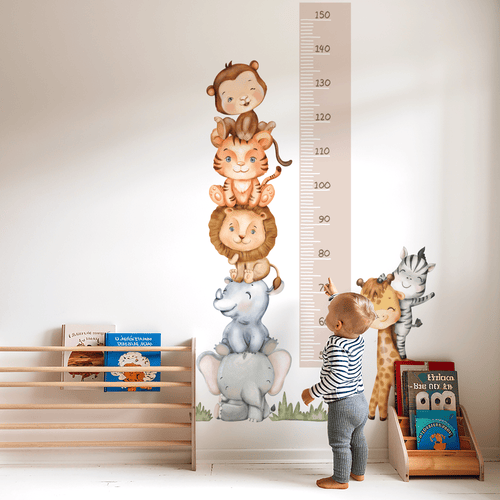
Picture this: transforming that cluttered corner into a magical adventure zone in under an hour. Smart playroom decor doesn't require a complete room overhaul, just clever, removable touches that spark your child's imagination without the commitment. Our premium vinyl and fabric stickers apply in 3 minutes and remove residue-free, making it simple to refresh the space as often as their interests change. We'll guide you from initial planning to perfecting those finishing touches that make all the difference.
If you're looking for more inspiration on how to create a stylish and functional playroom, you might enjoy reading 10 stylish baby room decor ideas for additional tips and creative solutions.
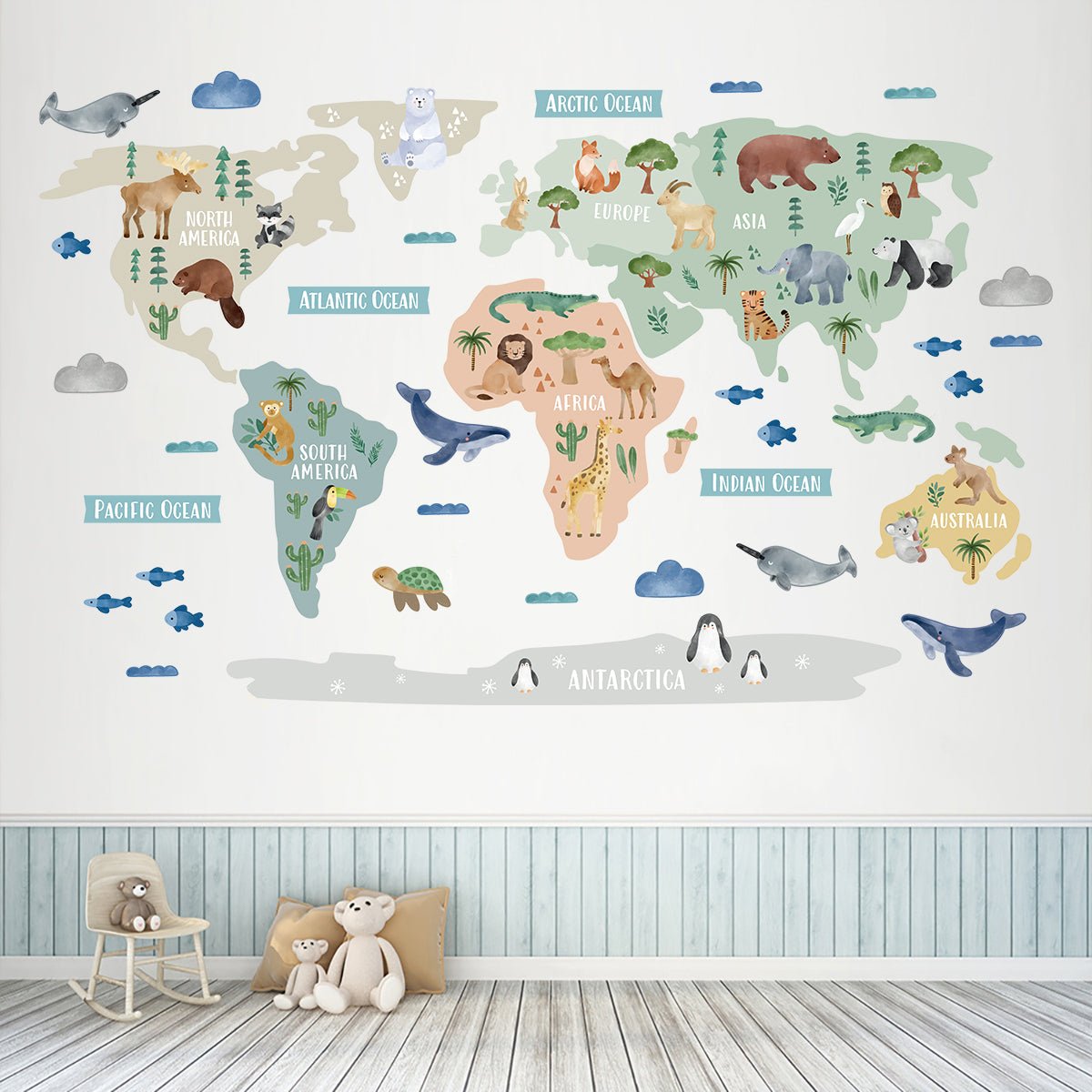
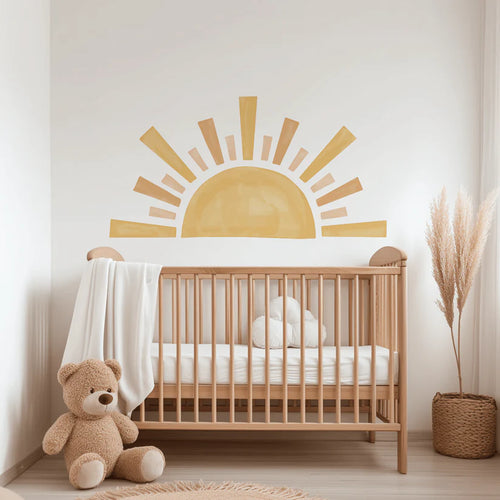
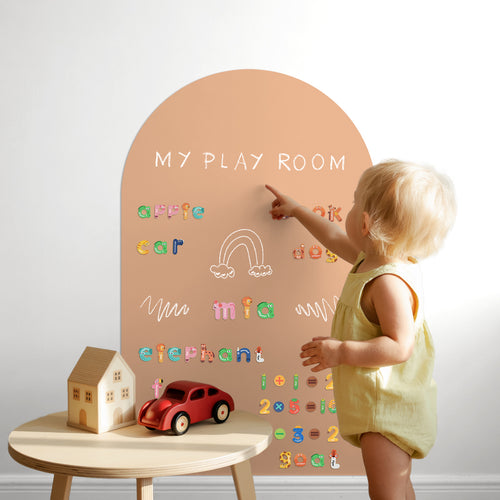
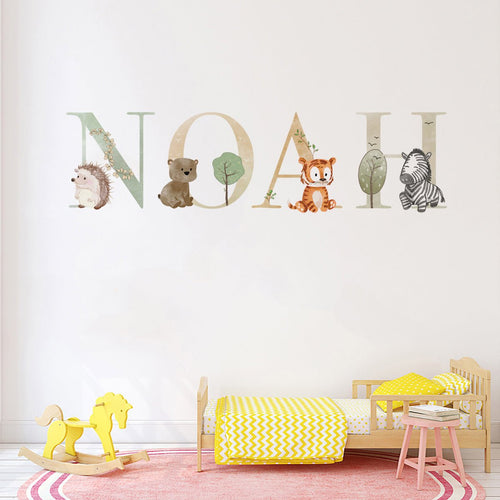
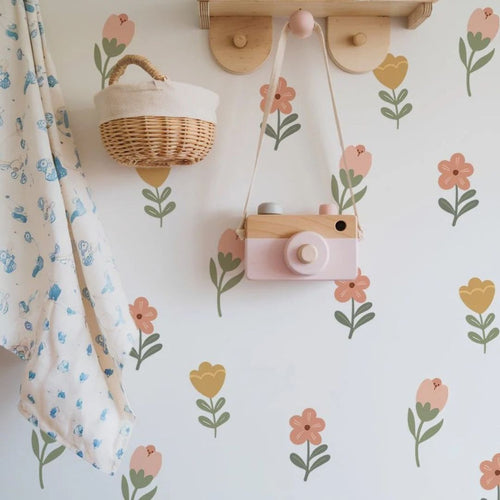
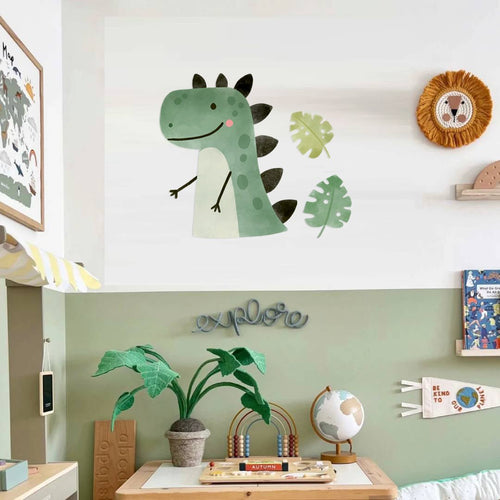
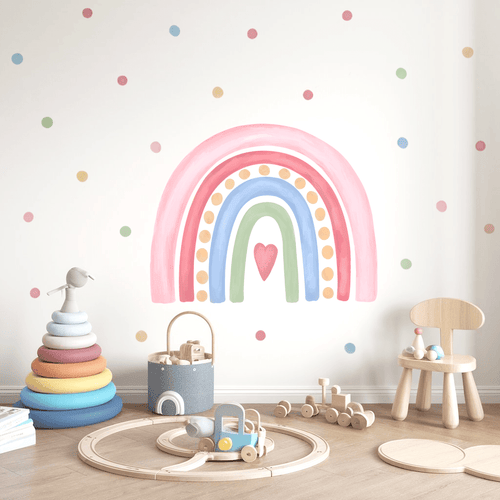
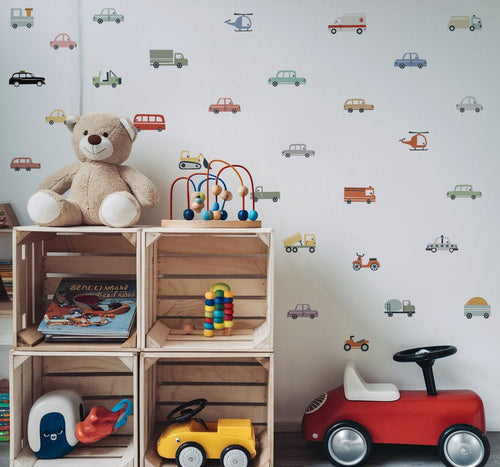
The fastest playroom refresh? Peel-and-stick wall stickers featuring your child's current obsession, whether that's dinosaurs, rainbows, or rockets. Swap themes in minutes for £15-£30, creating instant excitement without paint or permanent changes.
Why Playroom Decor Matters – Sparking Joy and Creativity from Day One
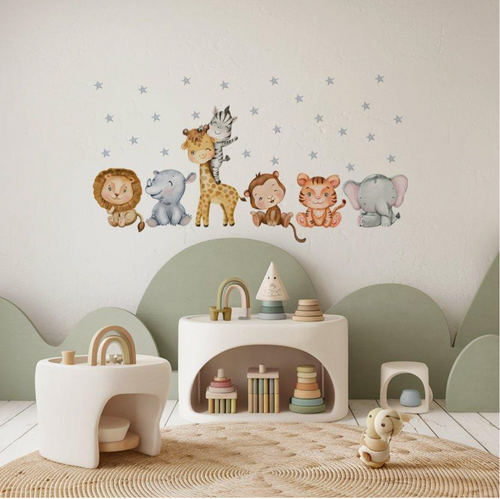
Bright, engaging playroom decor does more than look pretty, it actively boosts imaginative play. Montessori principles show that visually stimulating patterns and colours help children develop spatial awareness and creative thinking. When your 3-year-old sees safari animals on the wall, they're not just decorations, they become characters in elaborate stories and games.
The magic lies in flexibility. Today's obsession with farm animals transforms into next month's fascination with outer space, and your decor should adapt just as quickly. Rather than committing to expensive painted murals, removable elements let you honour every phase without breaking the budget. Start by measuring your space (rooms under 10m² work best with vertical wall focus), chat with your child about current favourites, and budget around £50 for stickers plus a coordinating rug, far more economical than a £200 paint job that's outdated within months.
Designing Your Playroom Layout – Zones That Make Play Flow

Successful playrooms work in zones, distinct areas for active play, quiet reading, and storage that reduce chaos by 30% according to parent feedback. Even a compact 3x3m rental flat can accommodate all three zones with thoughtful planning. The key is creating visual boundaries that children instinctively understand and respect.
Creating Dedicated Play Zones
Your active zone needs just a soft rug (60x90cm works perfectly) and open floor space for building, dancing, or imaginative play. Position this away from breakables and ensure good sight lines from your usual spot. The quiet nook requires only a bean bag and low shelf, both assemble in 10 minutes and create an instant retreat for books or puzzles.
Playroom Layout for Small Spaces
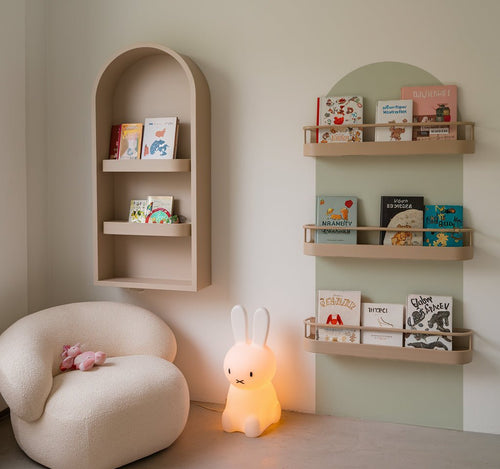
Maximise vertical space with wall-mounted shelves at 80cm height, perfect for your child to reach independently while keeping floor space clear. Before purchasing anything, tape out zones using painter's tape to test the flow. Walk through typical play scenarios to ensure the layout supports rather than hinders natural movement patterns.
Choosing Playroom Colours and Walls – Bright, Bold, and Removable
Colour psychology isn't just theory, it's practical magic in playroom decor. Bright hues energise creativity and play, while neutral bases provide versatility for theme changes. Let your child lead palette choices: if they're obsessed with dinosaurs, sage green creates the perfect prehistoric backdrop that works equally well for future jungle adventures.
Wall decor offers the biggest visual impact, and stickers trump paint for flexibility. No fumes, no drying time, no commitment beyond the current phase. Clean your wall surface, apply stickers from top to bottom, and smooth with a credit card for professional results in 3 minutes. When interests shift from safari to rainbows, removal takes just 5 minutes with zero wall damage.
Test your palette before committing: print A4 colour swatches and tape them to walls for 24 hours, observing how they look in different light conditions. Warm neutrals like mushroom or soft cream provide the perfect backdrop for any sticker theme while maintaining sophistication that won't embarrass you during playdates.
Furniture and Storage Essentials – Durable, Multi-Use Picks
Modular furniture adapts as your child grows, making it infinitely more valuable than fixed pieces. Choose child-height tables (50cm works from toddler to age 8) and easy-clean surfaces that wipe down in 30 seconds after craft sessions. Investment pieces should serve multiple functions, today's toy storage becomes tomorrow's sports equipment organiser.
Best Playroom Storage Solutions
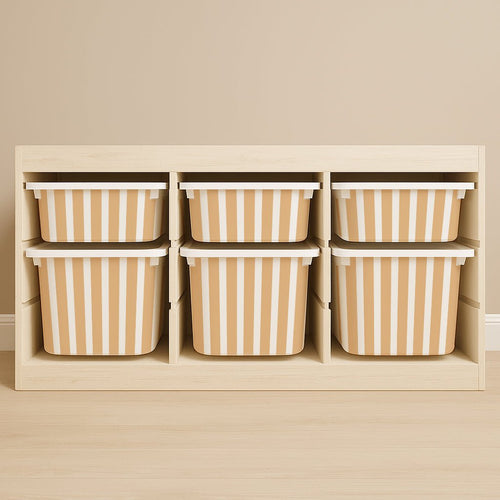
Open baskets (20L capacity, around £10 each) enable quick toy sorting that children can manage independently. The "10-minute toy sort" rule keeps only 20 current favourites accessible, reducing overwhelm and decision fatigue. Multi-functional ottomans with 40L hidden storage provide seating, storage, and surface space while maintaining clean lines.
Small spaces benefit from wall cubbies that anchor securely in 15 minutes using proper wall anchors. Position storage at your child's eye level to encourage independence, they're far more likely to tidy up when they can easily see and reach everything they need.
| Storage Type | Cost | Durability | Flexibility |
|---|---|---|---|
| Modular Cubes | £40-60 | High | Reconfigurable, moves easily |
| Open Baskets | £10-15 | Medium | Portable, easy for children |
| Wall Cubbies | £20-30 | High | Space-saving, adjustable height |
| Feature | Modular Furniture | Fixed Furniture |
|---|---|---|
| Adaptability | Reconfigures as child grows | Single-purpose design |
| Cost (5 years) | £200-400 initial investment | £400-800 (multiple replacements) |
| Setup Time | 15-30 minutes assembly | 2-4 hours professional install |
| Flexibility | Moves between rooms easily | Permanent placement |
Flooring, Lighting, and Sensory Touches – Comfort Meets Fun

Sensory elements transform ordinary playroom decor into developmental tools that support learning through touch, sight, and movement. Soft textures provide calming spaces for overwhelmed moments, while strategic lighting sets the mood for different activities, bright for energetic play, dimmed for quiet time. These seemingly small touches create significant impact on how children interact with their space.
Flooring choice affects both comfort and practicality. Rugs offer warmth and sound absorption but require more maintenance, while foam mats provide superior grip and spill resistance, crucial for active play. LED strip lights along shelves (£12, fully dimmable) create magical ambience without harsh overhead glare. Our fabric stickers add textural variety that children love exploring, and they peel away cleanly when seasonal changes call for fresh sensory experiences.
Safety First – Childproofing Without Sacrificing Style
Proper anchoring prevents 90% of furniture tip-over incidents, making it non-negotiable regardless of your design aesthetic. Even rental properties can achieve complete safety using no-drill brackets and adhesive anchors that remove cleanly. Every piece of furniture over 75cm height requires securing, no exceptions, even for seemingly stable bookcases.
Install furniture anchor kits (£5, 20-minute installation) directly into wall studs for maximum security. Foam edge covers cut to 5cm lengths protect sharp corners without screaming "baby-proofed." Choose wipeable stickers and rugs that handle spills with simple cleaning, test with pea-sized cleaner spots before committing to larger pieces. Safety standards require anchoring for all children's furniture, but smart product choices make protection invisible.
Montessori vs Traditional Playroom – Which Fits Your Family?
Montessori playrooms prioritise child independence through low-height furniture and accessible storage, enabling children to reach 90% of their toys without adult help. Traditional setups often feature higher storage and more adult-controlled elements, focusing on visual appeal over functionality. Both approaches work beautifully with removable playroom decor, the key lies in understanding your family's daily rhythms.
Montessori principles favour fewer, higher-quality toys displayed on low shelves, while traditional playrooms might embrace more abundant, varied collections in closed storage. Cost-wise, Montessori often requires larger upfront investment in child-sized furniture, but traditional setups may need more frequent updates as children outgrow adult-height arrangements.
Consider a hybrid approach: install stickers at your child's eye level regardless of furniture style, creating visual interest they can appreciate independently. This flexibility lets you maintain your preferred organisational system while honouring child-centred design principles that support natural development and confidence-building through environmental mastery.
| Approach | Setup Time | Child Independence | Sticker Integration |
|---|---|---|---|
| Montessori | 2-3 hours initial | High (90% self-access) | Low placement, educational themes |
| Traditional | 1-2 hours setup | Medium (adult assistance) | Decorative focus, any height |
| Hybrid | 1.5 hours average | High with guided zones | Multi-level placement options |
Keeping It Fresh – Adapting as Your Child Grows

Annual decor audits keep playroom decor relevant and exciting without overwhelming your budget or schedule. Remove half the current stickers cleanly (no residue, no wall damage), then add fresh themes that reflect evolving interests. Rebecca refreshes her daughter's room completely in one hour each birthday, safari animals become space adventures become fairy gardens, all with the same neutral wall base.
Implement the "one in, one out" rule for both toys and decorative elements to prevent accumulation overwhelm. When new stickers arrive, involve your child in choosing which current pieces to retire, creating anticipation for change rather than attachment anxiety. This rotation system maintains novelty while teaching valuable lessons about adaptation and letting go of outgrown phases.
Your playroom decor should evolve as beautifully as your child does, start with removable stickers today for endless possibilities tomorrow. Shop our rainbow or animal collections now
If you're interested in more ways to personalise your child's space, take a look at the ultimate guide to nursery decor for comprehensive advice and inspiration.
Budget-Friendly Playroom Decor Ideas – Maximum Impact for £50 or Less
Transform your child's space without breaking the bank. Smart playroom decor choices deliver dramatic results for under £50 – often in a single afternoon. Start with high-impact, low-cost elements that create instant wow factor.
Wall stickers offer the biggest bang for your buck. A £25 dinosaur collection covers 3 square metres, whilst equivalent painted murals cost £200+ and take days. Add a colourful rug (£15-30) and storage baskets (£8 each) for a complete refresh that rivals expensive renovations.
Quick Win Formula
£25 themed stickers + £20 washable rug + £10 LED string lights = professional-looking playroom in 2 hours
DIY Wall Art That Changes With Trends
Create gallery walls using removable elements. Mix fabric stickers with your child's artwork in matching frames (£3 each from discount stores). When dinosaur phase ends, swap stickers for space themes whilst keeping frames – instant refresh for under £20.
Layer different textures: smooth vinyl stickers alongside fabric cloud decals create depth without permanent commitment. This approach costs 70% less than custom wallpaper and adapts instantly to new obsessions.
Common Playroom Decor Mistakes – What to Avoid for Lasting Success
Even well-intentioned parents make costly decorating errors. Learning from common pitfalls saves time, money, and frustration whilst creating spaces children actually use and love.
Over-Stimulating Colour Schemes
Bright rainbow walls might seem fun, but overwhelming colours can overstimulate rather than inspire play. Children concentrate better in spaces with 2-3 main colours plus neutral backgrounds. Use colourful stickers as accents against calm wall tones – easier to change and gentler on developing minds.
Ignoring Child Height and Accessibility
Decorating at adult eye level defeats the purpose. Place visual elements at 60-90cm height where children actually look. Wall stickers work perfectly here – repositionable until you find the sweet spot that delights your child, not just visiting adults.
Storage placed too high creates dependence and mess. Keep daily toys within easy reach, using lower wall decals to define these accessible zones clearly.
Seasonal Playroom Updates – Fresh Looks Year-Round

Seasonal refreshes keep playroom decor exciting without major overhauls. Strategic updates maintain novelty whilst respecting your budget and time constraints.
Spring brings garden themes – flower and butterfly stickers replace winter snowflakes in minutes. Summer calls for beach scenes, autumn for woodland creatures. This rotation prevents boredom and teaches children about natural cycles through their environment.
| Season | Theme Ideas | Key Colours | Swap Time |
|---|---|---|---|
| Spring | Garden animals, flowers | Fresh greens, soft pinks | 15 minutes |
| Summer | Ocean life, sunshine | Blues, bright yellows | 10 minutes |
| Autumn | Woodland, harvest | Warm oranges, browns | 12 minutes |
| Winter | Arctic animals, stars | Cool blues, silvers | 15 minutes |
Keep removed stickers in labeled storage boxes – next year's decorations cost nothing and children enjoy rediscovering "new" favourites. For more creative ideas on decorating bedrooms, check out best girls wall stickers for decorating bedrooms.
Future-Proofing Your Playroom Design – Planning for Growth
Smart playroom decor anticipates your child's development. Design foundations that adapt seamlessly from toddler chaos to tween study sessions without starting from scratch.
Invest in neutral furniture and flooring, then layer personality through changeable elements. A simple white bookshelf works equally well displaying baby books or teen novels – but the surrounding wall decor tells the real story of who lives there.
Technology Integration Considerations
Modern playrooms must accommodate screens without sacrificing imagination. Plan cable management and charging stations early – removable stickers can disguise cord runs whilst creating themed tech corners that don't dominate the space.
As children grow, their relationship with technology evolves. Flexible decor solutions let you adapt zones from tablet-free toddler spaces to homework-friendly tween environments with minimal disruption. For further reading on the importance of playroom design and its impact on creativity, visit this Parenting.com guide to playroom design ideas.
Final Recommendations – Your Path to Playroom Success
Creating magical playroom decor doesn't require design expertise or unlimited budgets – just thoughtful choices that prioritise flexibility and joy. Start with removable wall stickers as your foundation, then build personality through adaptable accessories.
For expert advice on how to keep your playroom both safe and stylish, you may also want to consult the NHS guide to safety in the home.
Frequently Asked Questions
How can I quickly and easily transform a cluttered corner into a functional playroom without major renovations?
Start by clearing the space and defining zones for different activities like reading, building, or pretend play. Use removable wall stickers to add fun themes instantly, and choose lightweight, multi-use furniture that’s easy to move. This way, you create a playful, organised area without any heavy lifting or permanent changes.
What are the benefits of using removable vinyl and fabric stickers in playroom decor?
Removable vinyl and fabric stickers apply in minutes and peel away cleanly without leaving residue, making them perfect for changing tastes. They bring vibrant colours and playful designs that spark imagination, and because they’re non-permanent, you can refresh the room as often as your child’s interests evolve, no mess, no fuss.
How should I design playroom zones to encourage different types of play and reduce clutter?
Create clear zones for activities like creative arts, quiet reading, and active play to help your child focus and enjoy each type of play. Use storage solutions like baskets or shelves within each zone to keep toys tidy and easy to find, which reduces clutter and makes tidying up part of the fun.
What budget-friendly ideas can help me refresh my child's playroom decor as their interests change?
Swap out wall stickers featuring your child’s current favourite themes for £15-£30 to instantly update the room. Add colourful cushions, rugs, or themed storage bins that can be reused or repurposed. These small, affordable changes keep the space feeling fresh and exciting without breaking the bank.