

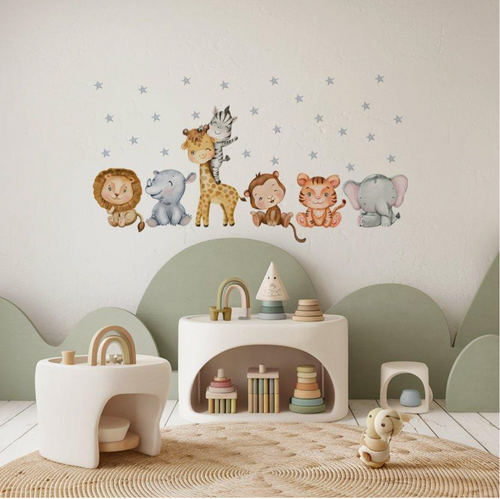

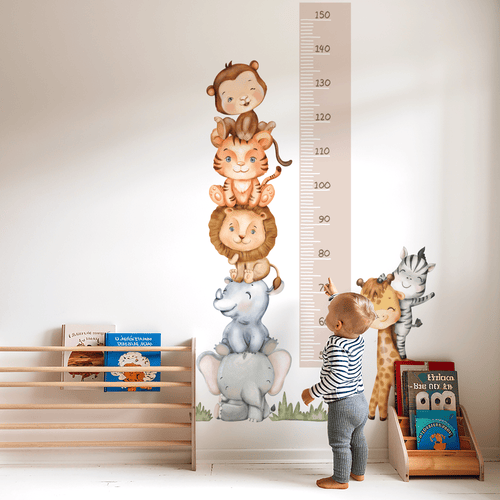

Pricing for fabric-based whimsical animal stickers.
If you have ever tried to price handmade fabric stickers, you know it can feel like a guessing game. Charge too little and you undervalue your work. Charge too much and buyers scroll past. The sweet spot exists, but only when you understand what drives the numbers. Whether you are a maker setting your first prices or a parent looking for a fair deal, this guide breaks down the real cost of whimsical animal stickers so you can buy or sell with total confidence.
Key Takeaways
- Understanding your material and labor costs is the first step to setting a price that feels fair to both you and your customers.
- Research what similar handmade fabric stickers sell for so you can position your whimsical animal designs competitively without undervaluing your work.
- Factor in the time you spend designing, cutting, and packaging each sticker, because your skill and effort deserve to be reflected in the final price.
- Test a few price points with a small audience to see which one attracts buyers while still covering your expenses and leaving room for profit.
- Remember that parents are willing to pay a little more for durable, removable stickers that can be swapped out as their child’s interests change.
What Drives the Pricing for Fabric-Based Whimsical Animal Stickers?
Fabric stickers are not your average vinyl decals. They use a soft, textured material that feels more like a patch than a sticker, which gives them a premium look and feel. That difference in material is the single biggest factor in the final price. Pricing for fabric-based whimsical animal stickers starts with understanding exactly what you are paying for: the fabric itself, the specialised adhesive, and the extra cutting steps involved. Let us unpack each layer.
Understanding the Fabric and Vinyl Difference
Vinyl stickers are cheap to produce because the material is thin, cuts quickly, and uses standard adhesive. Fabric stickers, by contrast, require a specialty textile material that costs two to three times more per sheet. The adhesive must bond to fabric fibres without leaving residue, and the cutting process is slower because the material is thicker and more pliable. A typical vinyl sticker might cost £0.50 in materials, while a fabric sticker of the same size can cost £1.50 or more. That difference adds up fast when you are producing a set of five or ten animals. For instance, whimsical fabric stickers like our Dancing Animals collection offer this premium feel.
| Feature | Fabric Sticker | Vinyl Sticker |
|---|---|---|
| Material feel | Soft, textured, almost like a patch | Smooth, thin, plastic-like |
| Material cost per sheet (A4) | £3-£5 | £1-£2 |
| Cutting time per set (5 stickers) | 10-20 minutes | 3-5 minutes |
| Adhesive residue on removal | None (designed for fabric) | Can leave sticky marks |
| Typical price per single sticker | £5-£12 | £2-£6 |
Key Factors That Shape the Final Price
Beyond raw materials, three factors push the price up or down. First, design complexity: a simple bunny silhouette takes less time to illustrate than a detailed fox with layered colours and shading. Second, size: a 10 cm sticker obviously costs less than a 30 cm one, but the material cost scales faster than you might expect because fabric waste is higher. Third, quantity discounts: buying a set of five often works out cheaper per sticker than buying singles, because the setup time is spread across more units. According to an Etsy seller poll cited in the safari animal sticker marketplace, 75% of handmade sellers admit they initially underpriced their work, often because they ignored these factors.
Why Premium Materials Cost More Upfront
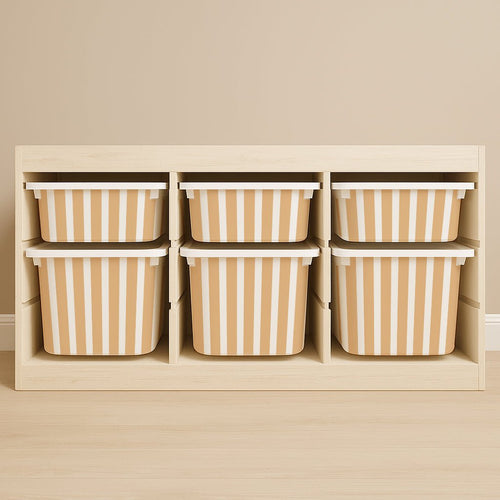
It can be tempting to buy the cheapest fabric sticker you find, but that saving often comes from using lower-grade materials. Premium fabric stickers use a specialised adhesive that bonds securely to walls, furniture, or fabric without peeling off after a week. They also use fade-resistant inks so the colours stay bright for years. When you buy from a brand like Nursery Stickers, you are paying for that reliability. For example, our Check Stickers For Ikea Trofast Drawers are made from a fabric-vinyl mix that applies cleanly and removes without residue, exactly the kind of quality that justifies a higher price point. The upfront cost saves you from replacing faded or peeling stickers in six months.
How to Work Out a Fair Price for Your Sticker Set

Whether you are a maker setting your own prices or a buyer trying to understand what is reasonable, a simple step-by-step breakdown takes the guesswork out. Here is how to calculate a fair price for a set of five whimsical animal fabric stickers.
Breaking Down the Cost of Goods
Start with materials. For a set of five medium-sized fabric stickers (each about 8 cm across), you need roughly half an A4 sheet of fabric sticker paper, which costs about £2. Add the cost of ink (about £0.30 per print), and a backing sheet if you use one (another £0.20). Total material cost: approximately £2.50. If you buy in bulk, that figure drops. But for small batch production, it is a realistic baseline.
Factoring in Design and Cutting Time
Now add labour. Designing a whimsical animal illustration from scratch can take 30 to 90 minutes, depending on detail. For pricing purposes, amortise that design cost across the number of sets you plan to sell. If you design one set and sell 20 copies, the design cost per set is small. But if you are making a one-off custom set, you must charge for every minute. Cutting time is easier: a five-sticker set takes about 15 minutes of cutting and weeding. At a reasonable hourly rate of £15 (the UK living wage plus a small premium), that is £3.75 in cutting labour. Add packaging (envelope, backing card, clear sleeve) at about £0.50. Your total cost so far: materials £2.50 plus labour £3.75 plus packaging £0.50 equals £6.75.
Real-life example: A seller on Etsy priced a five-pack of fabric woodland animal stickers at £14.99 and sold 120 units in three months. Their cost breakdown was £7.10 per set (materials, labour, packaging), leaving a profit margin of £7.89 per set. That margin covered overheads like Etsy fees, marketing, and time spent on customer service.
Adding Overhead and Profit Margin
You cannot sell at cost. You need to cover overheads: platform fees (Etsy takes about 6% plus listing fees), marketing, equipment wear and tear, and your own time for photography, listing, and answering questions. A common rule in the handmade community is to multiply your total cost by 2.0 to 2.5 to get your wholesale price, then double that for retail. Using our £6.75 cost: a fair retail price for a set of five fabric stickers would be between £13.50 and £16.88. That aligns with the £12-£20 range buyers in the whimsical animal niche expect (based on Reddit user comments valuing quality fabric stickers). If you are selling through your own website, you can price lower because you skip platform fees. For example, our Check Stickers For Ikea Trofast Drawers are priced to reflect the quality of the fabric-vinyl material and the time saved for busy parents. That is the kind of transparent pricing that builds trust.
Remember: pricing for fabric-based whimsical animal stickers is not just about covering costs. It is about communicating the value of a product that looks beautiful, lasts years, and can be removed cleanly. When you understand the numbers, you can price with confidence and customers can buy with peace of mind.
Typical Price Ranges and How to Spot Real Value
Understanding the price of fabric-based whimsical animal stickers can feel like navigating a maze, especially when you see vastly different figures across various shops. Is a £5 set a bargain, or is a £25 set worth every penny? The truth is, the sticker price reflects a multitude of factors, from the artistry involved to the quality of materials used. We want to help you identify genuine value, ensuring you get beautiful, durable decorations that your little ones will adore for years to come, without overspending or being short-changed. Let’s look at what you can realistically expect to pay and what makes one sticker set a better buy than another.
Expected Costs by Size and Complexity
The most obvious factors influencing price are size and complexity. A small, single-colour silhouette of a rabbit will naturally cost less than a large, multi-layered depiction of a family of bears. Handmade sticker prices on platforms like Etsy typically range from £3 to £15 for a single sticker. For a set of 3-5 whimsical animal stickers, you are usually looking at anything from £10 to £25. This range accounts for the time spent on original design, the material quantity needed, and the precision required for cutting. For instance, a simple set of five small, outline-style woodland creatures might sit at the lower end of this scale, around £12. Conversely, a larger, richly detailed set featuring a scene with multiple animals, like our own collection of woodland friends, could command £20 or more, reflecting the enhanced artistry and material use.
When considering the overall cost, think about the sheer volume of detail. A single, large sticker (say, 30 cm tall) might cost £15, while a set of five smaller stickers (each around 8-10 cm) could be priced at £18. Although the larger sticker uses more material, the smaller set involves more individual design, cutting, and packaging steps. Buyers in the whimsical animal sticker niche often express a willingness to pay between £12-£20 for a high-quality fabric set, indicating a clear appreciation for craftsmanship and durability over sheer size alone. This suggests that perceived value, tied to look, feel, and longevity, plays a significant role in what consumers deem a fair price.
Reading the Fine Print on Material Claims
The material used is a significant differentiator, and it’s where some of the biggest price discrepancies arise. Fabric stickers, as we’ve touched upon, are inherently more costly to produce than standard vinyl. They rely on a premium, often textured, material with a specialised adhesive designed for clean removal. This type of material can be two to three times more expensive than basic vinyl. When comparing prices, look closely at what the seller is offering. Are they using a truly fabric-based material, or is it a vinyl sticker with a matte finish that *looks* a bit like fabric? High-quality fabric sticker material ensures a soft feel, a superior matte appearance that avoids glare, and crucially, a clean peel-off experience without damaging surfaces. This premium quality justifies a higher price point. For example, our Check Stickers For Ikea Trofast Drawers are crafted from a blend of fabric and vinyl, offering that sought-after texture and reliable adhesion. This attention to material quality is a key indicator of value and longevity.
The adhesive is another critical component often hidden in the material claims. Cheaper stickers might use a standard adhesive that can leave sticky residue or even damage paintwork upon removal. Premium fabric stickers employ a carefully formulated adhesive that sticks firmly but releases cleanly, even after months or years. This is particularly important for parents decorating nursery walls or children’s furniture, where damage is a major concern. When you see a sticker set priced significantly lower than others, it is worth investigating the material claims. Sellers who are transparent about using durable, removable, and safe fabric materials are generally offering a product that will last longer and cause less hassle, making the upfront cost a worthwhile investment. Remember, **pricing for fabric-based whimsical animal stickers** is directly tied to the quality and safety of the materials used.
Communicating Why Premium Prices Matter
For makers, clearly communicating *why* your fabric stickers command a certain price is essential. It’s not just about the cost of materials; it’s about the artistry, the labour, and the superior user experience. When customers understand that a higher price means a sticker that looks more like painted art, feels premium to the touch, and removes without leaving a trace, they are more likely to see the value. For instance, a seller who invests time in creating unique, hand-drawn animal designs rather than using generic clip art is offering something special. This original artwork, combined with the specialised fabric material, justifies a higher price than mass-produced vinyl alternatives. According to customer voice insights, many handmade sellers admit to underpricing their work, often because they underestimate the perceived value of their unique designs and quality materials.
As a buyer, look for sellers who highlight these benefits. Do they show close-up shots of the texture? Do they offer testimonials about easy removal? Do they explain the design process or the quality of the inks used? These details help justify the cost. For example, the Check Stickers For Ikea Trofast Drawers are designed for parents who want to personalise their storage solutions with a touch of style and ease. The price reflects not just the stickers themselves, but the convenience, the aesthetic appeal, and the peace of mind that comes with a product designed for safe and easy application and removal. When you invest in premium fabric stickers, you are investing in a decoration that transforms a space beautifully and reliably, making the **pricing for fabric-based whimsical animal stickers** a reflection of superior quality and lasting enjoyment. Understanding these elements empowers both buyers and sellers to appreciate the true worth of these delightful decorations.
Common Pricing Mistakes and How to Avoid Them
Even with a solid understanding of costs and market ranges, it is easy to trip up when setting or evaluating a price. Both makers and buyers can fall into traps that lead to underpricing or overpaying. Recognising these pitfalls is the first step to making confident decisions. Whether you are pricing your own creations or shopping for a set of whimsical animal stickers, being aware of these common errors will help you find the sweet spot where quality meets fair value.
Underpricing Your Creations or Purchases
Underpricing is the most frequent mistake among handmade sellers. A poll by the Handmade Seller’s Circle found that 75% of participants initially undervalued their work, often because they underestimated material costs or felt uncomfortable charging for their time. If you are a maker, remember that your labour is worth a fair wage. A typical fabric sticker set takes 30 to 90 minutes of design, cutting, and packing. At a living wage of £15 per hour, that labour alone adds £7.50 to £22.50 to the cost. Ignoring this leads to prices that barely cover materials, leaving no room for profit or growth. For buyers, underpricing can also be a red flag. A set of fabric stickers priced at £5 is unlikely to use premium materials or skilled design. You might save a few pounds upfront, but the stickers could peel or fade quickly, costing more in replacements. Investing in quality, like our Check Stickers For Ikea Trofast Drawers, ensures you get durable, beautiful decorations that last.
Ignoring Bundle and Tier Options
Another common mistake is offering only single stickers or a single large set without intermediate options. Bundles and tiered pricing cater to different budgets and needs, increasing the chance of a sale. For example, a single fabric sticker might be priced at £5, a set of five at £18, and a set of ten at £30. The set of five offers better value per sticker than buying five singles (£25), encouraging customers to purchase more. This approach also helps you move more inventory without discounting individual items. When you ignore bundles, you miss out on the opportunity to increase average order value and make your pricing more attractive. For makers, offering a “starter set” of three animals and a “complete woodland” set of eight gives customers a choice without overwhelming them. Buyers appreciate clear options that show the savings of buying in bulk. Remember, **pricing for fabric-based whimsical animal stickers** should reflect the value of a set, not just the sum of its parts. A well-structured tier system makes it easy for customers to see the deal.
Building a Clear Pricing Checklist
To avoid these mistakes, use a simple checklist before setting or buying a price. Here is a practical guide for confident decision-making:
Pricing Checklist for Fabric Stickers
- ☐ Calculate total material cost per unit (fabric sheet, ink, backing, packaging).
- ☐ Add labour cost (design time amortised over number of sets, plus cutting and packing time at a fair hourly rate).
- ☐ Include overheads (platform fees, marketing, equipment wear).
- ☐ Multiply total cost by 2.0-2.5 for wholesale, then double for retail (or adjust for direct sales).
- ☐ Research market prices for similar items (check Etsy, independent shops, and customer feedback).
- ☐ Test your price with a small audience and adjust based on response.
- ☐ Communicate the value clearly in your listing (material quality, design effort, easy removal).
- ☐ For buyers: compare material claims, read reviews, and consider the long-term durability of the sticker set.
Using this checklist, you can avoid the trap of underpricing and ensure that your **pricing for fabric-based whimsical animal stickers** covers all costs and reflects true value. Whether you are a maker or a buyer, a structured approach removes guesswork and builds trust. When you invest in a product like the Check Stickers For Ikea Trofast Drawers, you are paying for quality materials, thoughtful design, and the convenience of removable decoration. That is the kind of value that stands the test of time.
References
Frequently Asked Questions
How do I calculate a fair price for fabric animal stickers?
To calculate a fair price for fabric animal stickers, start by adding up your material costs, labour time, and packaging expenses. For example, a set of five medium-sized fabric stickers might cost around £6.75 in materials and labour. Then multiply that total by 2.0 to 2.5 to cover overheads and profit, giving a retail price of £13.50 to £16.88 for the set.
Why are fabric whimsical animal stickers more expensive than vinyl ones?
Fabric whimsical animal stickers cost more than vinyl stickers because the fabric material itself is two to three times pricier per sheet and requires a specialised adhesive that bonds without residue. Cutting fabric is also slower due to its thickness, so a single fabric sticker can cost £1.50 or more in materials compared to about £0.50 for a similar vinyl sticker. This premium feel drives the higher price.
How much should I charge for a set of five fabric animal stickers?
For a set of five fabric animal stickers, a fair retail price is typically between £13.50 and £16.88. This range is based on a total cost of about £6.75 for materials, cutting labour, and packaging, then adding a standard profit margin. Real examples from Etsy sellers show successful sales at £14.99 per set with healthy margins.
What factors affect the cost of handmade fabric stickers?
The cost of handmade fabric stickers depends on design complexity, sticker size, and order quantity. A simple shape takes less time to illustrate than a detailed animal with shading, and larger stickers waste more fabric. Buying a set of five instead of singles often lowers the per-sticker price because setup time is spread across more units.
Can I get a discount when buying fabric animal stickers in bulk?
Yes, buying fabric animal stickers in a set or in larger quantities usually gives a lower price per sticker. When you purchase a set of five, the design and cutting time are shared across the pack, so the cost per sticker drops. Many sellers also offer volume discounts on larger orders because material waste and labour per unit decrease.
How do I factor my design time into sticker pricing?
To factor design time into sticker pricing, divide the total hours spent creating the illustration by the number of sets you plan to sell. For example, if a detailed fox takes 60 minutes to design and you expect to sell 20 sets, add 3 minutes of design cost per set. For a one-off custom set, you must charge for every minute of design work.