



Why Removable Twirling Kitten Decals Work So Well in Nurseries
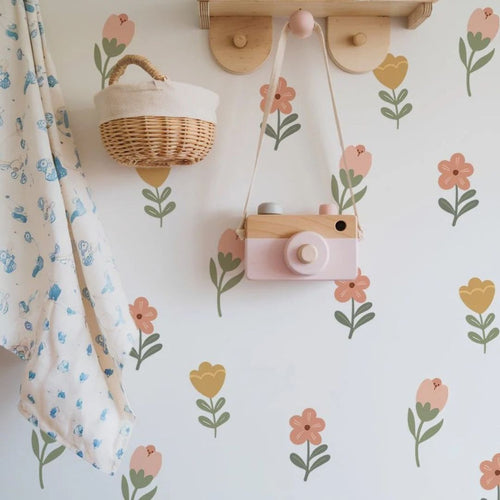
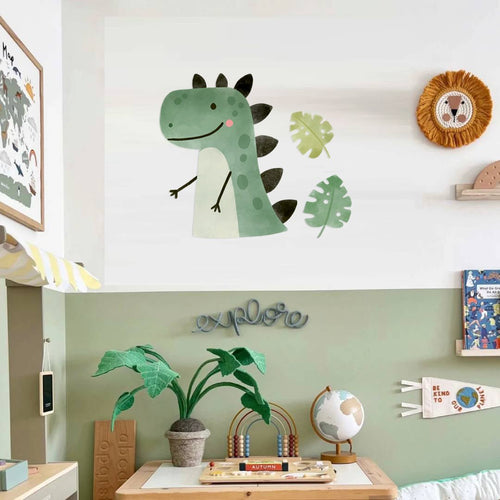
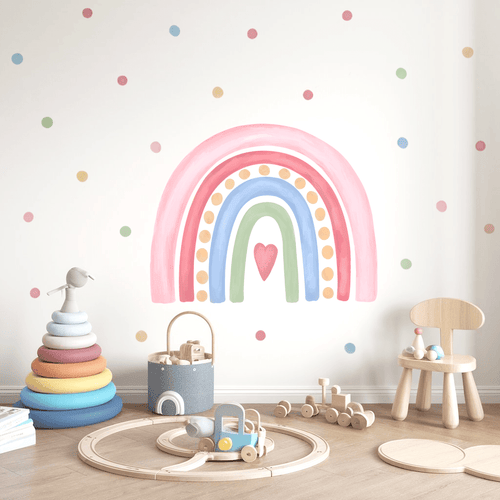
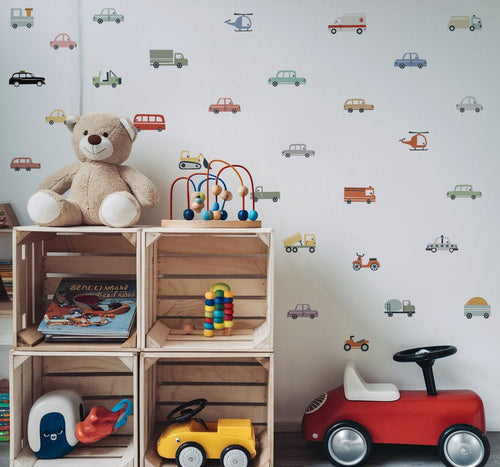
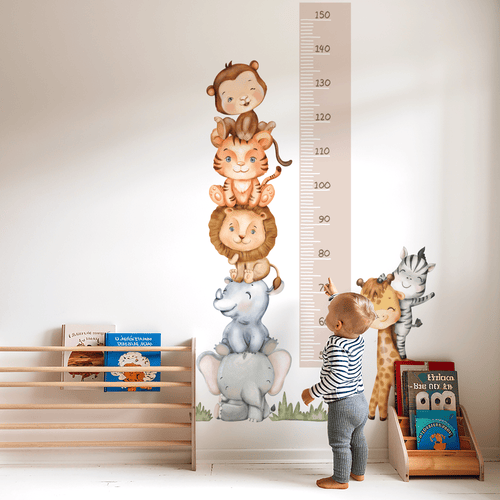
Removable twirling kitten decals are a simple way to make a nursery feel playful without committing to paint, wallpaper, or a full room redesign. They add movement, softness, and personality to the wall, which is especially useful in a baby room where the mood should feel calm but not flat. A kitten theme also works across many nursery styles: modern, cottage, pastel, whimsical, minimalist, or storybook-inspired.
The biggest advantage is flexibility. Babies become toddlers, cribs become beds, and the room’s layout changes faster than most parents expect. Removable decals let you refresh the space without damaging the wall or starting a weekend project. If you move the crib, add shelves, change the rug, or shift from a newborn nursery to a toddler room, the design can adapt with you.
Twirling kitten decals are especially useful because they create a sense of motion. Instead of one static wall sticker, the kittens can look like they are playing, floating, tumbling, or chasing each other across the room. That makes the design feel more intentional and less like a single sticker placed in the middle of a blank wall.
Best Places to Use Twirling Kitten Wall Decals
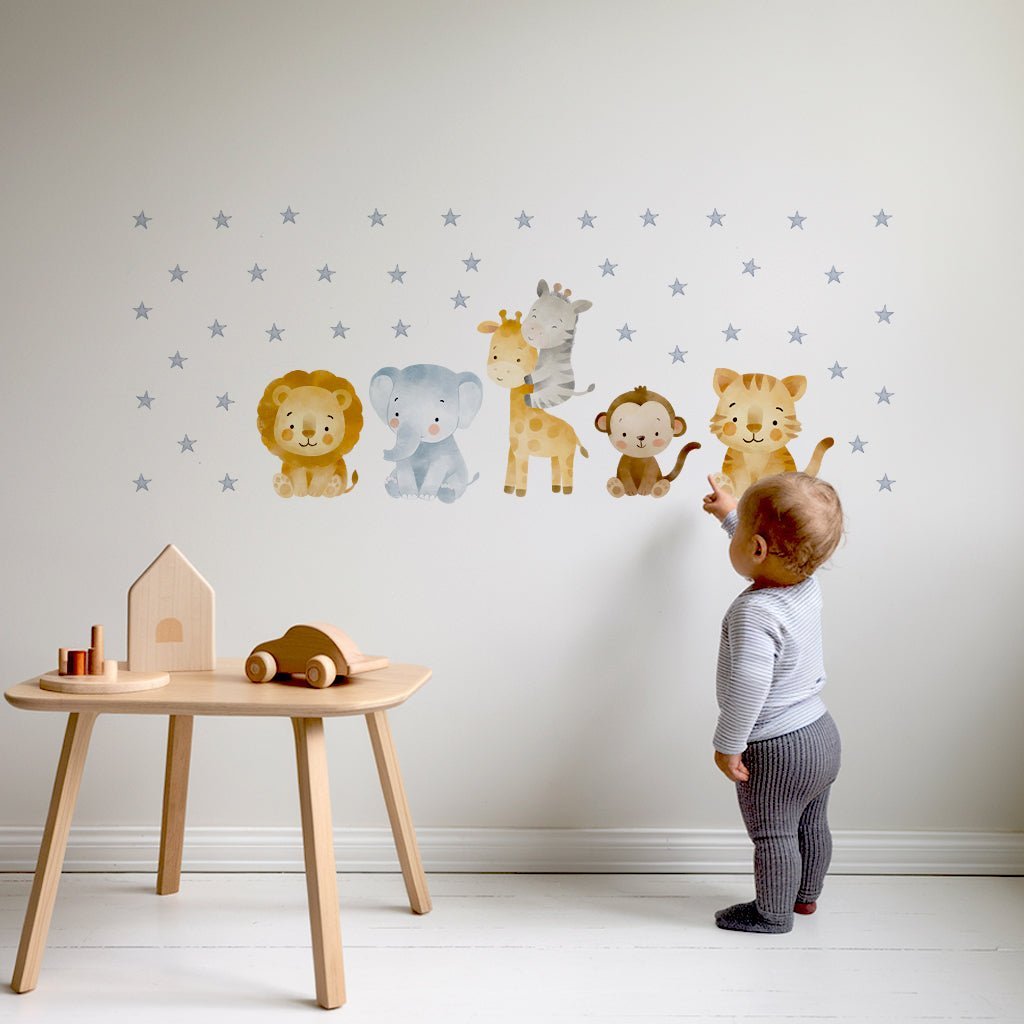
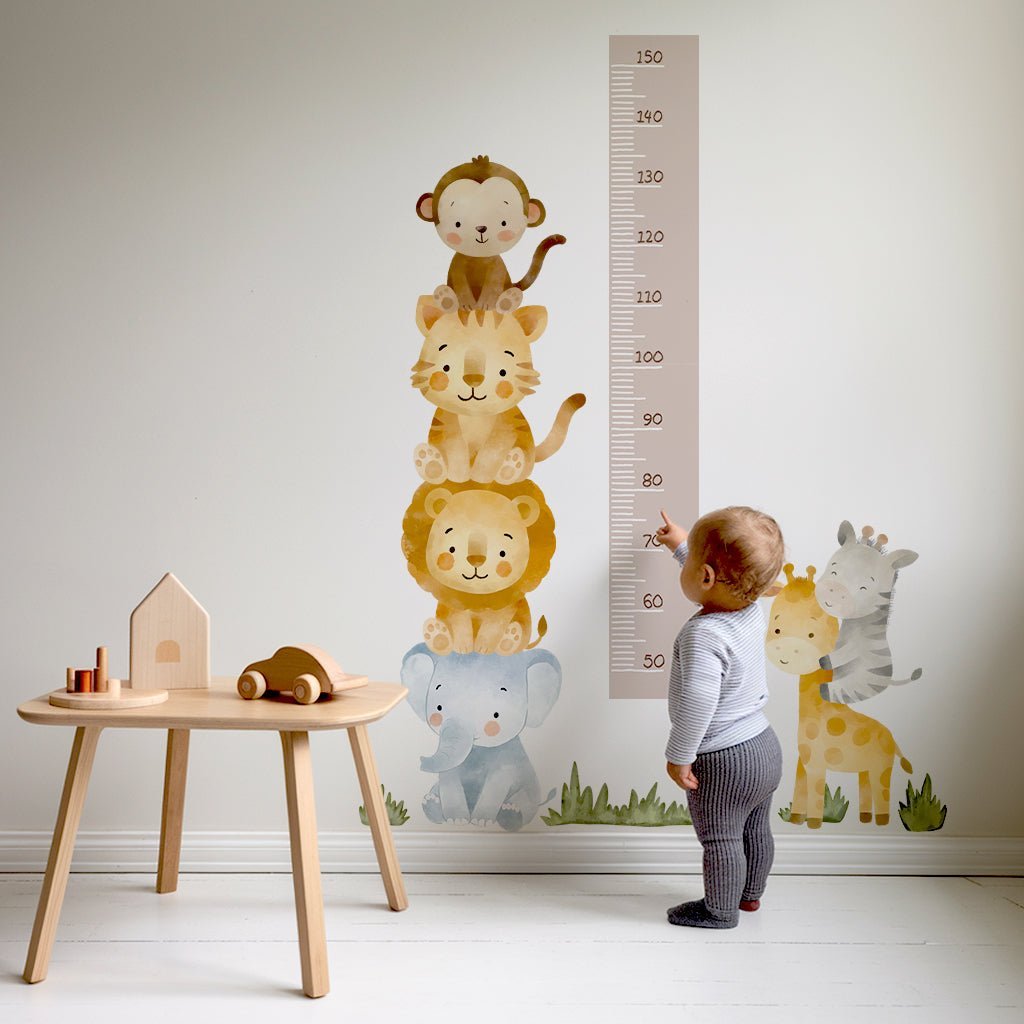
The best placement depends on what you want the nursery wall to do. If you want a focal point, use the decals above a crib, dresser, or reading nook. If you want a softer all-over effect, spread the kittens across a larger wall with plenty of white space between them. If you want the room to feel taller, arrange the decals upward in a gentle arc, as if the kittens are twirling through the air.
Above the Crib
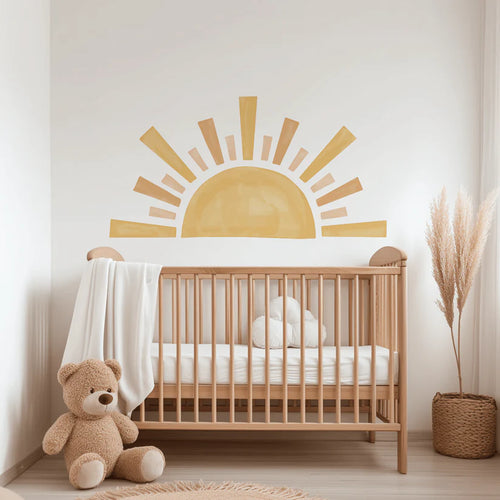
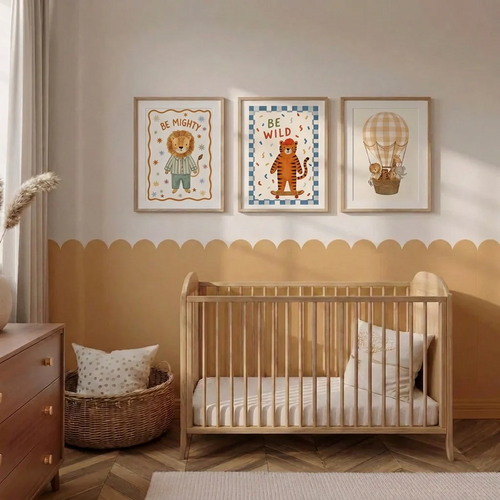
The crib wall is the classic nursery focal point. Keep the design balanced and soothing. Place the largest or most expressive kitten slightly off-center, then use smaller decals around it to create movement. Avoid crowding the wall directly over the crib. A little open space helps the design feel calmer and more polished.
Near a Reading Corner
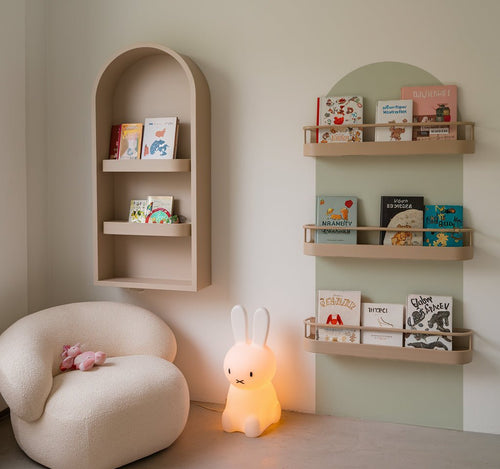
A reading nook is a natural home for whimsical decals. Twirling kittens can make the corner feel like part of a story, especially when paired with a small bookshelf, soft chair, canopy, or floor cushion. This is a good option if you want the wall decor to grow with the child beyond the crib stage.
Over a Dresser or Changing Table
Decals above a dresser can help anchor the furniture visually. Use a simple cluster rather than a full-wall layout. The goal is to add charm without making the changing area feel busy. If the dresser already has framed art, a lamp, baskets, or toys, keep the decal arrangement lighter.
On a Closet Door or Small Wall
Small walls are perfect for decals because they often look unfinished with framed art. A few twirling kittens can make a narrow wall, closet door, or corner feel designed instead of forgotten. This is also a lower-commitment placement if you are testing a theme before decorating the whole room.
How to Choose the Right Kitten Decal Set
Not all removable decals are equal. A good nursery decal should look soft, apply cleanly, stay in place, and remove without tearing paint when used as directed. The artwork matters, but so does the material. In a nursery, the finish should feel gentle rather than shiny or harsh. Matte decals usually blend into the wall better and look more like hand-painted art.
Check the Size
Before buying, measure the wall area you want to decorate. Product photos can make decals look larger or smaller than they are. Use painter’s tape to mark the rough size on the wall so you can see how the layout will feel from the doorway. For a crib wall, you may want a wider arrangement. For a small accent, a compact set may be enough.
Look for a Removable, Wall-Safe Material
Nursery decals should be removable and repositionable during application. That does not mean they should be moved constantly, but it helps if you need to adjust spacing while installing. Follow the seller’s wall prep instructions carefully. Fresh paint often needs time to cure before decals are applied, and textured walls may not hold decals as well as smooth walls.
Match the Color Palette
Twirling kitten decals can be sweet without being overly bright. Soft neutrals, blush, cream, warm gray, sage, and muted pastels work well in calming nurseries. If the room already has a lot of pattern, choose simpler decals. If the room is mostly neutral, decals with a little color can become the playful accent.
Consider the Room’s Future
A nursery theme should be adorable now and still pleasant later. Kitten decals are a good choice because they can feel baby-friendly without being too babyish. They can transition into a toddler room, playroom, or reading corner with only small changes to bedding and accessories.
Step-by-Step: How to Apply Removable Nursery Decals
Start with a clean, dry wall. Dust, oils, and moisture can prevent decals from adhering properly. Wipe the wall gently and let it dry completely. If the wall was recently painted, wait the amount of time recommended by the paint and decal instructions before applying anything.
- Plan the layout first. Lay the decals on the floor or tape paper templates to the wall. This helps you see spacing before you peel anything.
- Start with the main decal. Place the largest kitten or central design first, then build the motion around it.
- Work slowly from one side to the other. Smooth each decal from the center outward to reduce bubbles.
- Step back often. View the wall from the doorway and from the crib or chair area. Nursery decor should look good from normal room angles, not just up close.
- Save small accents for last. Stars, dots, yarn balls, paws, or tiny kittens can fill awkward gaps after the main layout is set.
If a decal bubbles, gently lift the edge and smooth it again if the material allows. Do not rush. A careful installation makes the finished wall look custom rather than temporary.
Design Ideas for Twirling Kitten Nursery Walls
For a soft storybook look, arrange the kittens as if they are floating around a moon, shelf, or framed quote. Add warm lighting, cream textiles, and a plush rug to keep the room cozy. For a modern nursery, use fewer decals with more space between them and pair them with simple furniture and neutral bedding. For a playful toddler-friendly room, let the kittens trail from a reading corner toward a toy shelf or closet door.
You can also use decals to connect separate parts of the room. A kitten near the crib, another near the dresser, and a few small accents near the book nook can make the whole room feel cohesive. The trick is repetition without clutter. Keep the same visual rhythm and leave enough wall space for the room to breathe.
If you are decorating a rental, decals are one of the easiest ways to make the room feel personal. They create a finished nursery look without nails, wallpaper paste, or permanent changes. Just confirm the wall surface is suitable and remove the decals slowly when it is time for a change.
Safety and Practical Tips for Nursery Wall Decals
Wall decals are decor, not toys. Place them on the wall, not on crib rails, furniture surfaces a baby can reach, or areas where small lifted edges could be pulled. Keep the wall around the crib calm and secure. If any decal begins to peel, remove or replace it rather than leaving a loose edge.
Think about cleaning, too. Nurseries collect dust, humidifier mist, and everyday fingerprints. Choose a placement that can be gently wiped around without catching every edge. Avoid placing decals too close to vents, humidifiers, or windows with heavy condensation, because moisture and airflow can shorten their life.
Good removable decals should make nursery decorating easier. With thoughtful placement and basic care, twirling kitten decals can add charm for years and still come down when the room is ready for its next stage.
Final Recommendation
Top removable twirling kitten decals are best for parents who want a sweet, flexible nursery theme without permanent installation. Use them above a crib for a focal wall, near a reading nook for a storybook feeling, or across a small wall that needs personality. Choose a wall-safe removable material, measure before applying, and keep the layout airy so the room stays peaceful.
The result is a nursery that feels warm, imaginative, and easy to update. That is exactly what good nursery decor should do: make the room feel special now while leaving room for the child, and the space, to grow.
How Many Decals Do You Need?
The right number depends on the size of the wall and the look you want. A small cluster can be enough above a dresser or beside a bookshelf. A crib wall usually needs a wider layout so the design does not look lonely. For a full accent wall, choose a set with several kitten poses and smaller supporting accents so you can create flow without repeating the same shape too many times.
As a rule, start lighter than you think. You can always add more decals, but an overcrowded nursery wall can feel busy. Babies and toddlers already bring color, toys, books, blankets, and movement into the room. The decal layout should support the room, not compete with everything in it.
Pairing Kitten Decals with Other Nursery Decor
Twirling kitten decals pair well with soft bedding, cloud shelves, moon-and-star accents, wicker baskets, boucle chairs, and warm wood furniture. If the decals are playful, keep the surrounding pieces simple. If the furniture is very minimal, the decals can carry more of the personality. This balance keeps the nursery from feeling themed in a heavy way.
Textiles are the easiest place to echo the decal colors. A blush crib sheet, cream rug, sage curtain, or warm gray changing pad cover can make the wall art feel connected to the rest of the room. You do not need every item to match. Two or three repeated colors are enough to make the space feel intentional.
For framed art, choose pieces that support the kitten theme without duplicating it exactly. A small moon print, alphabet art, or a gentle quote can sit near the decals while still letting the kittens be the main visual moment. Avoid too many competing animals or characters unless you are building a broader woodland or storybook room.
Removal Tips When It Is Time to Redecorate
When you are ready to remove the decals, go slowly. Start at one edge and peel back at a low angle instead of pulling straight out from the wall. If the decal resists, pause and warm it slightly with your hand or follow the product instructions. The goal is to protect the paint and remove the design cleanly.
Do not rush removal right before moving furniture or repainting. Give yourself time to work carefully, especially on older paint or walls that have had humidity changes. If you plan to reuse decals, place them on their original backing if available. Many removable decals are designed for clean removal, but not all are meant for repeated long-term reapplication.
This flexibility is the reason removable decals are so useful in a nursery. The room can shift from newborn calm to toddler imagination without wasteful, expensive changes. A decal set can create the first version of the room and then step aside when the next version is ready.
Frequently Asked Questions
Are removable kitten decals safe for nursery walls?
Removable nursery decals are generally wall decor, not toys. Apply them to clean wall surfaces and keep them out of reach of babies or toddlers who may pick at loose edges.
Will removable decals damage paint?
Quality removable decals are designed to come off cleanly when used as directed, but results depend on paint condition, wall texture, humidity, and how long the decals have been installed.
Can decals be used on textured walls?
Smooth walls usually work best. Light texture may work with some decal materials, but heavy texture can reduce adhesion and make edges lift faster.
How do I make a decal layout look professional?
Plan the arrangement before peeling, use the largest decals first, vary spacing slightly, and leave open wall space. A little asymmetry often looks more natural than a perfectly even grid.
References
Quick Buying Checklist
Before you choose a twirling kitten decal set, confirm the wall size, the decal dimensions, the finish, and the removal instructions. Check whether the set includes enough small accent pieces to make the layout feel complete. Look at customer photos when available, because they show scale better than product mockups. If the room has fresh paint, wait before installation. If the wall is textured, test with a small decal first.
The best set should feel easy to place, gentle in color, and flexible enough to work in more than one arrangement. That way, you can create a nursery wall that looks thoughtful now and still makes sense as the room changes.