

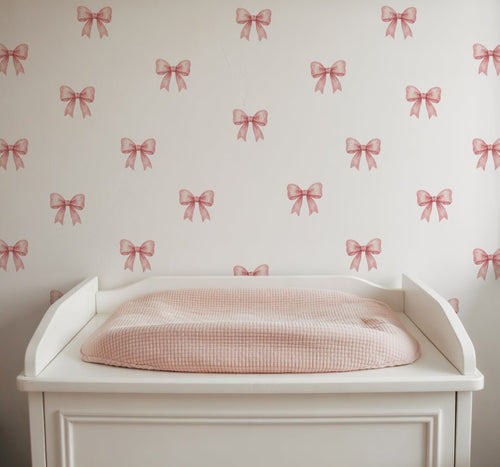
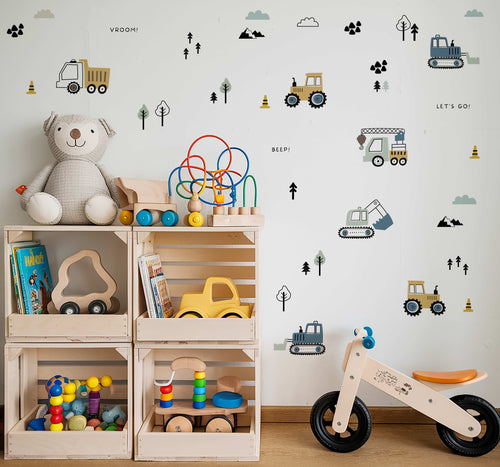
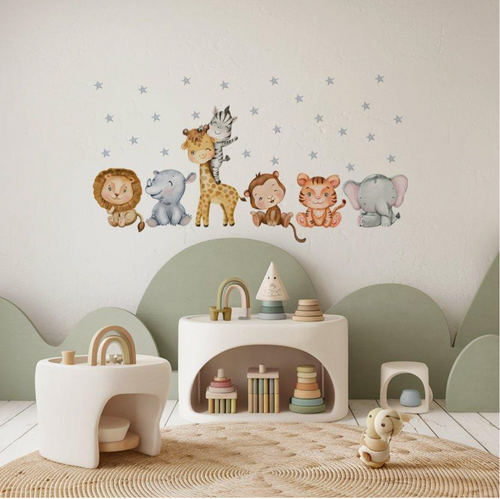
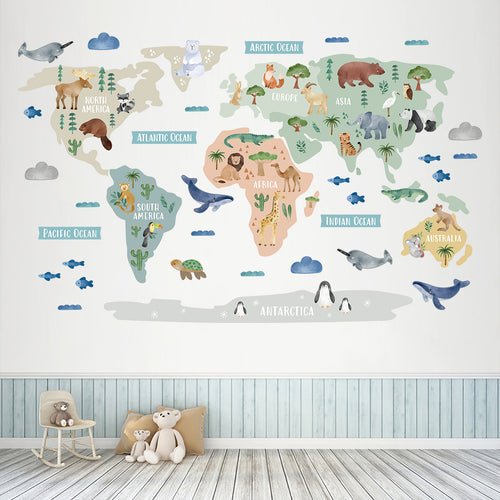

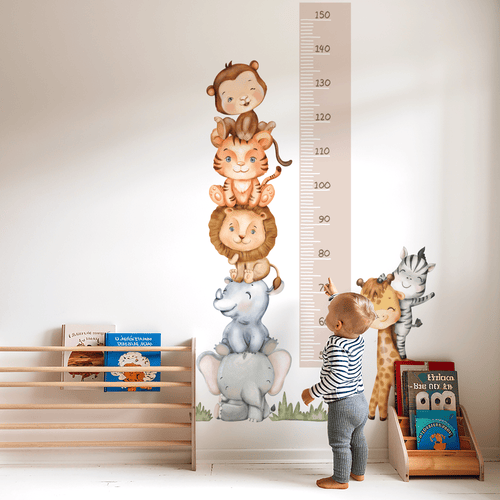
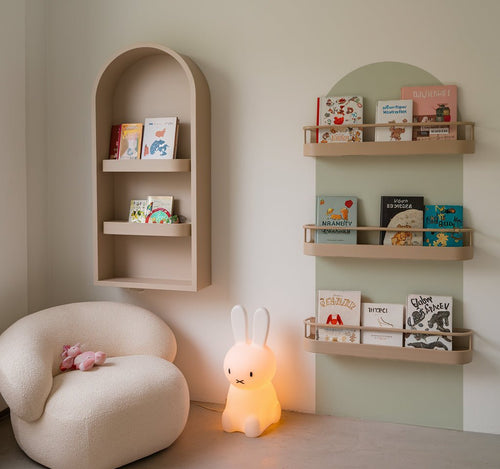

Top non-phthalate wall stickers for UK children's bedrooms.
Choosing wall decor for a baby’s room means considering materials, application and removal, not only appearance. The top non-phthalate wall stickers for UK children's bedrooms. should suit real British walls without leaving lining paper worse than before.
Key Takeaways
- Phthalate-free wall stickers avoid plastic softeners that raise health concerns for babies and young children, giving parents genuine peace of mind.
- The safest products carry independent safety certifications, so always check labels and product descriptions before buying.
- Quality stickers sit smoothly on painted plaster and lining paper, then peel away cleanly when your child is ready for a new theme.
- Removable designs make it easy to refresh a bedroom as tastes change, with no repainting or wall repairs needed.
- Reading reviews from other UK parents helps you find stickers that hold up well on typical British walls.
We looked at phthalate-free and PVC-free options, removable fabric decals, independent safety information and practical questions: can the sticker move if it lands wonky, will it suit matt emulsion, and can the design grow with your child?
Non-Phthalate Wall Stickers: Why Material Safety Matters for Your Child's Bedroom
What are phthalates and why are they used in PVC wall stickers?
Phthalates are plasticising chemicals added to some PVC products to make them softer and more flexible. In conventional flexible PVC wall decals, plasticisers can account for around 30 to 40 per cent of the total weight, according to the research brief for this article. That does not mean every PVC sticker contains the same ingredients, but it gives parents a reason to check the material specification instead of relying on a cheerful design or the words “child-friendly”.
The hidden health risks of off-gassing in nurseries and bedrooms
Off-gassing is the release of airborne chemicals from some new materials. It may be noticeable as a “new plastic” smell, although odour alone cannot show whether a product is safe or unsafe. Infants inhale up to twice the volume of air relative to their body weight compared with adults, according to the supplied research findings. Good ventilation, low-emission materials and careful product selection are sensible steps for a sleeping space.
This matters for babies who spend long periods in one room, children with respiratory sensitivities and families trying to improve indoor air quality. A decal is only one part of the room, alongside paint, flooring, furniture and soft furnishings, but a clearly specified sticker reduces uncertainty.
Non-toxic alternatives: fabric decals, paper-based stickers, and water-based adhesives
Fabric wall decals can feel softer, lighter and easier to reposition than many traditional vinyl products. Paper-based stickers may suit a short-term project, though moisture resistance and removal behaviour vary. Water-based adhesives may also be useful, but the wording should be supported by a clear materials statement rather than treated as a complete safety certificate.
Look for phthalate-free and PVC-free wording, low-odour application, care guidance and testing information. If a listing only says “non-toxic” without naming the material or relevant standard, contact the maker before buying.
How We Selected the Best Non-Phthalate Wall Stickers for UK Homes

Safety criteria: phthalate-free, PVC-free, REACH compliance
Our first filter was material transparency. We looked for explicit phthalate-free information, PVC-free construction where stated, and evidence that the maker understands UK REACH requirements. REACH is the UK framework governing the registration, evaluation and restriction of chemicals. It does not promise identical emissions from every sticker, so we also considered odour, adhesive information, care instructions and third-party testing such as OEKO-TEX or GREENGUARD Gold where supplied.
The top non-phthalate wall stickers for UK children's bedrooms. should provide enough information for a calm decision. Vague phrases, missing material details and unverified safety badges are reasons to pause.
UK-specific considerations: lining paper, matt emulsion, and old plaster
British homes may have fresh matt emulsion, older gloss paint, lining paper, lime plaster, chalky walls and repaired areas. These surfaces do not respond identically to adhesive. We favoured brands offering preparation guidance and removable formats, while recognising that no sticker can guarantee zero wall impact on every surface.
Fresh emulsion needs time to cure. The supplied research specifies two to three weeks before decals are applied, helping paint harden and reducing peeling. A small test area remains wise, particularly on delicate wallpaper or powdery plaster.
Design and longevity: repositionable, removable, and age-flexible themes
Parents should not need perfect measuring skills to decorate. Repositionable adhesive provides breathing space during application, while clean removal makes it easier to change a theme when a toddler swaps woodland animals for rockets. We considered scale, colour, arrangement and whether designs work above a cot, beside a bookcase or across a playroom wall.
- Clear material and safety information
- Suitability guidance for painted and papered walls
- Removable or repositionable application where stated
- Designs with more than one stage of childhood appeal
- Useful instructions that reduce sticker anxiety
The Top Non-Phthalate Wall Stickers for UK Children's Bedrooms
The top non-phthalate wall stickers for UK children's bedrooms. are not necessarily the loudest or cheapest designs. Strong choices balance material information, gentle application, style and family life. The four options below suit different decorating needs, so check material notes before ordering.
| Brand or range | Best suited to | Material or safety point to check | Decorating strength |
|---|---|---|---|
| Nursery Stickers | Parents wanting an easy, flexible room refresh | Review the product-specific material details | Removable styling with a warm, family-friendly feel |
| Made of Sundays | Minimalist and gender-neutral bedrooms | Fabric decal specifications and care guidance | Soft, pared-back designs |
| One Trick Pony, formerly Koko Kids | Eco-conscious buyers seeking certification information | GREENGUARD certification details for the chosen product | Playful designs with an environmental focus |
| Paperlust Non-Vinyl Range | Custom artwork and personalised decoration | Confirm the exact non-vinyl material and adhesive | Flexible visual personalisation |
1. Nursery Stickers: Best for UK Safety Standards and Worry-Free Application
Best for: Families wanting a friendly refresh without committing to paint, wallpaper or a permanent theme.
Nursery Stickers presents decoration as joyful, affordable and possible without a full weekend of DIY. Removable designs create a focal point above a cot, reading nook or chest of drawers, then allow the mood to change as a child grows. The flexible approach suits renters and anyone nervous about making the first peel.
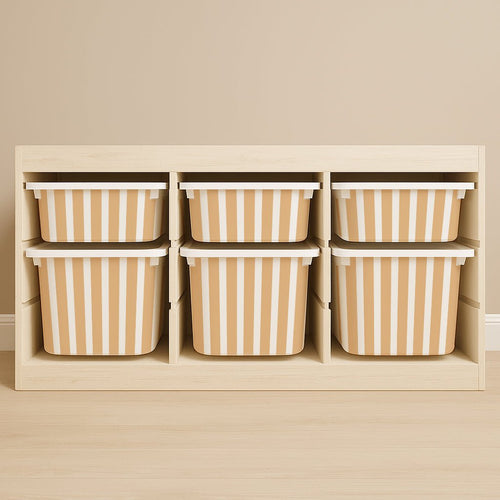
Its range includes furniture accessories such as Check Stickers For Ikea Trofast Drawers. These check pattern stickers are designed for the front-facing units of Ikea Trofast drawer storage and personalise drawer fronts, not walls. The product is categorised under children's wall stickers and Ikea hack furniture stickers, with product images showing application on white Ikea Trofast drawer fronts.
Why it earns the top spot: Its focus is approachable decorating, removable styling and parent confidence. For a considered makeover without a precious feel, it is a strong starting point. Check the exact material information for the chosen design before purchase.
2. Made of Sundays: Premium Fabric Decals with Minimalist, Gender-Neutral Designs
Best for: A calm nursery with simple shapes, muted colours and designs that suit different ages.
Made of Sundays suits parents who prefer an edited look rather than a busy themed wall. Fabric decals can bring a soft printed finish, while minimalist designs work with natural wood, neutral bedding and open shelving. They can remain suitable when a nursery becomes a toddler bedroom or shared play space.
Pros
- Clean, understated designs
- Strong choice for gender-neutral styling
- Fabric decal format suits a softer room scheme
Cons
- Premium styling may not suit a very bold theme
- Check the selected product’s wall and material guidance before application
3. One Trick Pony, formerly Koko Kids: Eco-Friendly and GREENGUARD Certified
Best for: Parents wanting playful decor and placing particular value on third-party indoor air quality certification.
One Trick Pony suits families seeking a more environmentally aware choice, with GREENGUARD certification associated with its product offering. Certification details can vary by range, so check the individual listing and current certificate information. The designs add personality to bedrooms and playrooms without requiring a painted mural or fixed wallpaper pattern.
Pros
- Certification-led appeal for safety-conscious households
- Playful designs for nurseries and playrooms
- Suitable for families considering environmental impact
Cons
- Certification and material details should be checked for the exact design
- Some patterns may feel too characterful for a minimalist room
4. Paperlust Non-Vinyl Range: Customisable, but Choose the Right Material
Best for: Families wanting a personalised look and willing to spend extra time checking the specification.
Paperlust’s non-vinyl range may suit a child’s name, a chosen illustration or a coordinated colour scheme. “Non-vinyl” does not automatically prove that a sticker is phthalate-free. Ask about the exact substrate, inks, adhesive and removal guidance for the selected product.
Pros
- Personalisation can make a room feel truly yours
- Non-vinyl options may suit buyers avoiding standard PVC
- Good choice for a coordinated interior scheme
Cons
- Material choices may differ across products
- Custom designs need careful checking for wall suitability and removal
For a simple decorating project, Check Stickers For Ikea Trofast Drawers can coordinate storage with wall decals. They are decorative stickers for Ikea furniture accessories, designed for the front-facing Trofast drawer units.
How to Apply and Remove Non-Toxic Wall Stickers on Tricky UK Walls
Preparation helps when a bedroom has lining paper, old plaster or a recently painted wall. Check the surface, gather a soft cloth and decide where the design should sit before opening the packet.
Prep your walls: curing time for fresh paint and how to test lining paper
Fresh emulsion should cure for two to three weeks before applying a decal, according to the supplied research findings. Paint may feel dry before hardening fully, and adhesive applied too soon can encourage lifting or paint transfer. The wall should be clean, dry and free from dust, grease and loose flakes. Avoid damp patches, powdery chalky plaster and flaking wallpaper.
On lining paper, test a discreet spot behind furniture. Press a small piece down, leave it for several hours, then lift one corner slowly. If fibres rise, the surface feels loose or paint comes away, stop and choose another method. Use the same test on older matt emulsion and patched plaster.
- Wait two to three weeks after fresh emulsion has been painted.
- Dust and wipe the wall with a lightly damp cloth, then let it dry completely.
- Check for loose lining paper, flaking paint and powdery plaster.
- Test a small section in a hidden area before applying the full design.
Applying without bubbles and repositioning like a pro
Start with the largest or most central shape. Peel back a small section of backing, smooth the exposed area with your fingertips and work across the sticker gradually. A clean, dry hand is usually better than a sharp tool. Step back to check spacing from the cot, shelves and skirting board.
If the first position is wonky, lift the sticker gently from one edge and reposition it while the adhesive allows movement. Press the full design firmly only when the arrangement feels right. This also helps when coordinating wall decor with Check Stickers For Ikea Trofast Drawers, which are decorative stickers for the front-facing units of Ikea Trofast drawer storage, not wall decals.
Removal techniques that protect paint and plaster, even on rental walls
Warm the sticker gently with your hand, begin at a corner and pull slowly back over itself, keeping the motion low and close to the wall. If resistance appears, warm the area again. Do not use solvents, scouring pads or a wallpaper scraper, which can mark emulsion and damage lining paper.
Frequently Asked Questions About Non-Phthalate Wall Stickers

Are all non-PVC wall stickers automatically phthalate-free?
No. “PVC-free” describes the absence of polyvinyl chloride, while “phthalate-free” refers to a separate group of plasticisers. A product can meet one description without meeting the other. Look for both statements, plus substrate, adhesive and testing information. If a listing only says “non-toxic” or “eco-friendly”, contact the manufacturer before buying.
Can I use non-phthalate decals on freshly painted walls?
Wait until paint has fully cured, not merely dried to the touch. The supplied research recommends two to three weeks after fresh emulsion. Surface type also matters: test a hidden area, particularly with matt paint, lining paper or older plaster. A clean, dry and sound surface gives the adhesive the best chance of performing well.
Will these stickers work on textured wallpaper or brick walls?
Smooth painted walls usually provide the most reliable finish. Heavy texture, deep wallpaper patterning and exposed brick can prevent full contact, causing lifting or creases. Check the maker’s surface guidance and test a discreet patch. For unusual walls, removable decor on a smooth board or furniture accessory, such as Check Stickers For Ikea Trofast Drawers, may be a calmer choice.
With clear material details and a small surface test, non-phthalate decor becomes less daunting. Preparation helps protect walls while keeping the room ready for its next chapter.
Frequently Asked Questions
What are the best wall decals for a kids' room?
The best wall decals for a kids' room are those with clear material information, suitable wall guidance and straightforward removal instructions. For a UK bedroom, look for explicit phthalate-free and PVC-free wording where available, low-odour application details and advice for surfaces such as matt emulsion, lining paper and older plaster.
What are some good wall stickers for a kids' room?
Good wall stickers for a kids' room combine transparent product details with designs that can suit changing interests. Fabric decals, paper-based stickers and other clearly specified options may work well, provided the maker explains application, care, wall compatibility and removal rather than relying only on broad terms such as “child-friendly” or “non-toxic”.
Which wall sticker is best for a bedroom?
The best wall sticker for a bedroom is one that matches the wall surface, provides clear material information and can be removed according to the maker’s instructions. Fresh emulsion should be allowed to cure before application, while delicate wallpaper, powdery plaster and unusual paint finishes deserve a small test area first.
What are the disadvantages of using wall stickers?
The disadvantages of using wall stickers include possible difficulty with unsuitable surfaces, uncertain removal results and limited information from vague product listings. Textured walls, delicate wallpaper and uncured paint can present problems, so check preparation guidance, test a discreet area and ask the manufacturer about materials, adhesive and removal before buying.
What is the difference between a wall decal and a wall sticker?
A wall decal and a wall sticker are usually terms for decorative designs applied to a wall, with no universal technical difference between them. “Decal” often suggests a design transferred or applied as one piece, while “sticker” is broader, so the useful details are the stated material, adhesive guidance, wall suitability and removal instructions.
How can parents choose non-phthalate wall stickers for a UK children’s bedroom?
Parents can choose non-phthalate wall stickers for a UK children’s bedroom by checking for explicit phthalate-free wording, clear material details and relevant UK chemical compliance information. Product pages should also explain wall preparation, odour, care and removal, helping families compare options without treating an unverified safety label as proof.
Can wall stickers be used on matt emulsion in a child’s bedroom?
Wall stickers can be used on matt emulsion when the paint is fully cured and the maker confirms surface suitability. Fresh emulsion may need two to three weeks before application, and a small test area is sensible because paint quality, age and wall condition vary between UK homes.