


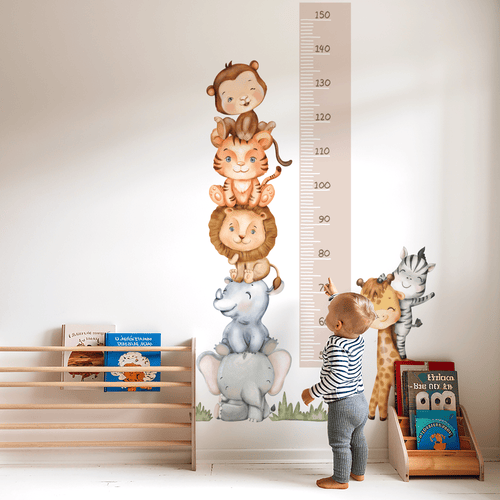
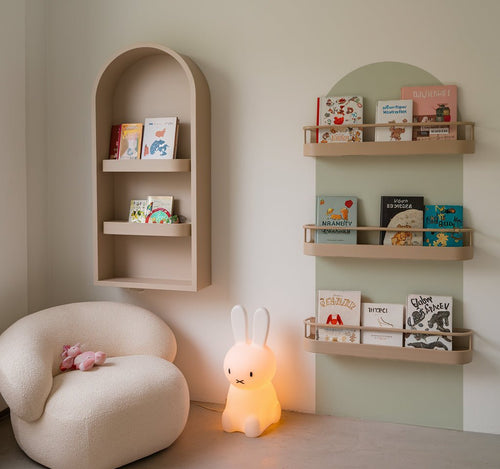

Top phthalate-free wall art for baby bedrooms.
Top phthalate-free wall art for baby bedrooms can give you a starting point for a nursery that feels personal and calm. Check what a product is made from and what its maker can verify rather than relying on a reassuring label alone.
Key Takeaways
- Always check the material composition of nursery wall art instead of trusting a label that simply claims to be safe.
- Look for manufacturers who can provide documented proof that their products are free from phthalates.
- Choosing phthalate-free decor helps you create a calm, personalized baby bedroom without compromising your child's health.
- Removable wall stickers offer a flexible option for parents who want to update the nursery as their child's tastes change.
As a mum, I know it’s easy to get caught between choosing a sweet design and worrying about what belongs in your baby’s room. These checks can make the choice clearer without turning decorating into a source of stress.
What Are Phthalates, and Why Should Nursery Walls Be Free of Them?
Phthalates explained in plain English
Phthalates are a group of chemicals used to make some plastics more flexible. The US Environmental Protection Agency explains that they can be used as plasticisers, including in certain PVC products. For wall decor, a PVC decal’s material information may not tell you whether phthalates were used.
The US Centers for Disease Control and Prevention and the National Institutes of Health describe links between some phthalate exposures and hormonal or developmental concerns in children. This is a reason to make informed choices, not to panic: a single decorative choice does not tell you what exposure your baby will have.
Why babies and toddlers are more exposed
Babies spend much of their time indoors, and little ones explore their surroundings with their hands and mouths. Wall art is not usually handled like a toy, but a sticker that peels or hangs within reach may be touched. Placement, product condition and clear material details all matter.
The US Consumer Product Safety Improvement Act restricts certain phthalates in children’s toys. Wall art may not fall under the same rules, so don’t assume a nursery design has been checked to toy standards. Ask the maker for product-specific information if the listing is unclear.
Yes, phthalate-free wall decals exist. Look for a clear statement about the finished product, its material and inks, and ask the manufacturer for supporting details if those aren’t published. “Phthalate-free” and “PVC-free” are different claims, so check each separately.
The Mama & Baby Elephant Wall Sticker is a removable decal featuring an illustration of a mama elephant with her baby, designed to make a nursery feel magical. It is available from nurserystickers.co. No phthalate-free claim or safety certification is provided for this item, so contact the seller for material details before buying if that assurance is essential to you. The Mama & Baby Elephant Wall Sticker is a wall decoration, not a toy.
How We Evaluated: Our Criteria for Safe, Stylish Nursery Wall Art

For this guide, we focus on details you can verify before choosing wall art: material and ink disclosures, the scope of any safety label, visual suitability and how the item fits your room. A pretty photograph or broad “eco” phrase is not proof of a particular chemical claim.
Before ordering, read the product page, look for evidence that applies to the finished item, and contact the maker if anything is vague. Keep the reply with your order details so you can refer to the exact product information.
Materials and inks: PVC-free, phthalate-free and low-VOC
Check whether the listing names the wall art’s material and explains its phthalate status. PVC-free means the product does not use PVC; it does not automatically confirm that every component or ink is phthalate-free. Low-VOC refers to lower emissions of certain volatile organic compounds, a separate consideration from phthalates.
Ask whether the statement covers the printed design, adhesive and finished product, not only the base material. If the seller cannot provide clear information, choose a product with more complete disclosure or wait for an answer.
Safety certifications and labels to trust
GREENGUARD Gold relates to chemical emissions, OEKO-TEX labels apply to specified textile products, and EN71 is a European toy-safety standard. These labels have different scopes; none is blanket proof that wall art is phthalate-free. Check which product and components were assessed, and verify certificate details with the seller.
Design, developmental value and easy removal
Choose a picture you enjoy, then consider where it will sit and whether it will stay out of your baby’s reach. Research indicates that babies prefer high-contrast images, which can be created with many colours and materials; this doesn’t mean the whole room needs bold patterns. A small design can feel cheerful without crowding the space.
Check the maker’s instructions for wall type, application and removal. Removable does not guarantee residue-free results on every surface, so a discreet test can help. Keep the cot area clear of loose decor and follow the manufacturer’s guidance for safe placement.
A quick nursery wall-art checklist
- Find product-specific statements about PVC and phthalates.
- Check what a certification covers, rather than relying on its name alone.
- Ask about materials, inks and adhesive if the details are missing.
- Review placement, wall compatibility and removal instructions.
- Keep wall decor securely fixed and beyond your baby’s reach.
Top Phthalate-Free Wall Art Picks for Baby Bedrooms
Top phthalate-free wall art for baby bedrooms can mean decals, prints, wooden shapes or a handmade piece. Each has practical trade-offs, and a product category alone cannot confirm its chemical content. Check the finished item’s material information and ask the maker about phthalates if the listing is unclear.
Our standout is the Nursery Stickers wall-sticker collection for parents who want a large, changeable feature without committing to a painted mural. The featured Mama & Baby Elephant Wall Sticker shows a mama elephant with her baby and is designed to bring a magical feel to a nursery. It is an adhesive, removable decal available from nurserystickers.co. No phthalate-free claim or safety certification is listed for this item, so ask the seller for material details if that assurance is essential.
| Option | What to check | A good fit if you want | Trade-off |
|---|---|---|---|
| Nursery Stickers wall stickers | Product-specific material and phthalate information | A removable, illustrated feature | Check the wall surface and seller’s material details |
| Fabric nursery decals | Fabric, inks, adhesive and any chemical disclosures | A softer-looking decal style | Material claims can vary between studios |
| GREENGUARD Gold canvas prints | Certificate scope, print materials and hanging method | Framed or canvas artwork | Emission certification does not itself confirm phthalate status |
| FSC-certified wooden letters and shapes | Wood sourcing, paints, finishes and fixings | A tactile, natural-looking accent | Requires secure fitting and careful placement |
| DIY paper art | Paper, paints, adhesives and protective covering | A personal project on a modest budget | Materials need checking individually |
1. Nursery Stickers: removable wall stickers with an illustrated feature
Best for: Parents who want a nursery focal point that can be changed without painting a mural. The Mama & Baby Elephant Wall Sticker features a mama elephant with her baby, and its large size suits use as wall decoration. Its removable format offers a simple way to add a character-led design.
The Mama & Baby Elephant Wall Sticker is part of the nursery wall stickers collection and is designed to transform a baby’s nursery into a magical space. Before ordering, ask the seller for product-specific information about materials and phthalates; no such claim or certification is listed here.
Why it stands out: It brings an illustrated focal point to the wall without requiring you to paint a mural. Choose a spot that suits your room and make the design part of a personal nursery scheme.
2. Fabric nursery decals from eco-conscious UK studios
Best for: Families drawn to a fabric-style finish or designs from a small UK studio. These decals offer a different look from conventional vinyl stickers, with motifs ranging from gentle nature scenes to playful shapes. “Eco-conscious” is not a chemical specification, so check the product listing rather than treating the phrase as proof of phthalate-free materials.
Pros
- A wide choice of independent designs and colour palettes.
- Fabric-style options may suit parents seeking an alternative surface finish.
Cons
- Material and adhesive disclosures differ between makers.
- Ask whether any phthalate statement covers the finished decal and its inks.
3. GREENGUARD Gold certified canvas prints
Best for: Parents who prefer a print rather than a wall-applied decal. A canvas picture can bring colour and a chosen theme to the nursery, while GREENGUARD Gold certification relates to chemical emissions. Check that the certificate applies to the exact print you plan to buy, including relevant components.
That certification does not establish that a canvas is phthalate-free. Ask about the print, inks, frame and hanging fittings, and confirm whether the maker has separate information about phthalates. Consider where the picture will hang and how securely it is fixed.
4. FSC-certified wooden letters and shapes
Best for: A personalised name or simple wooden accent. FSC certification concerns responsible forest sourcing, not the chemical content of paints, varnishes or adhesives. Ask what finish has been used and whether the maker can provide product-specific phthalate information.
Wooden letters can add a warm, tactile note, but they usually need a secure fixing and a suitable place on the wall. Check the hanging method, keep the piece beyond your baby’s reach, and don’t assume a natural-looking material is free from every chemical of concern.
5. DIY phthalate-free wall art ideas for budget-savvy parents
Best for: Parents who enjoy making something personal and want to choose each component. Paper shapes, a simple painted canvas or a hand-drawn print can bring a custom touch without commissioning a mural. Babies can enjoy high-contrast images; safe, age-appropriate art materials can create that effect without filling every wall.
DIY does not remove the need to check materials. Read labels for paints, adhesives and protective coatings, and ask the manufacturer when ingredient or phthalate information is unclear. Let finished pieces dry fully as directed, then display them securely and out of reach. A few thoughtful shapes can feel special without making the project complicated.
Designing a Nursery That's Safe and Supports Your Baby's Development
A baby’s room can be calm and interesting at the same time. You don’t need to cover every wall with pictures or choose a perfect colour scheme. Think about what your baby can see from the cot, changing area and floor, then add wall art where it feels considered rather than crowded.
How much visual stimulation does a baby actually need?
Babies notice faces, shapes and contrasts, but a nursery doesn’t need bold patterns on every surface. Research indicates that babies prefer high-contrast images. A focused picture against a quieter wall can offer something engaging to look at, while leaving the rest of the room restful for naps and cuddles.
As your baby grows, their interests and attention will change. Choose a design you enjoy seeing and leave room to adjust the display later. Wall art can add personality without turning the nursery into a busy backdrop.
Placement tips: cot-safe zones and layout ideas
Before sticking anything up, stand where you’ll usually sit or feed your baby and look at the wall from that viewpoint. A feature beside the cot may be visible during quiet moments, but keep the cot area clear of loose items and follow safe-sleep advice. Place wall decorations securely, beyond your baby’s reach as they become more mobile.
Try paper templates cut to the approximate size of your planned design. Hold them against the wall, check the view from the doorway and furniture, then mark your preferred position lightly. You can adjust spacing before anything is applied.
Mixing safety with your style (no design snobbery here)
Safe choices don’t have to look plain, and a personal nursery doesn’t require a hand-painted mural. The Mama & Baby Elephant Wall Sticker features an illustration of a mama elephant with her baby, creating a character-led focal point. It is a removable adhesive decal designed for nursery decor. Ask the seller for product-specific material details if you need confirmation about phthalates.
Let your own taste guide the finishing touches. You might pair a gentle illustration with plain bedding or use a favourite colour in a small accent. The Mama & Baby Elephant Wall Sticker is part of the nursery wall stickers collection and is available from nurserystickers.co.
Installation, Removal and Safe Disposal: Practical Advice for Nursery Decor

Even a well-chosen design needs careful fitting. Read the maker’s instructions, check that the wall is suitable, and give yourself time to position the artwork. Removable does not guarantee the same result on every paint finish, so follow the product guidance.
Applying and removing wall art without residue or damaged paint
- Check the product instructions and confirm that your wall surface is suitable.
- Clean the area as directed and allow it to dry fully.
- Plan the position before applying the design, then smooth it into place as instructed.
- For removal, follow the maker’s method and peel slowly rather than pulling sharply.
If you rent or have delicate paint, test a small, discreet area first when the instructions allow. Stop if the finish lifts, and contact the seller for advice instead of forcing the sticker away.
When and how to dispose of old nursery decor responsibly
When decor is no longer wanted, check whether its materials or packaging can be recycled through your local council. Adhesive stickers and mixed-material items may not belong in household recycling, so consult local guidance. Keep removed pieces away from children until you can dispose of them safely.
Are wall decals safe for nurseries, and how can you check?
Wall decals can be used in a nursery when securely applied, kept out of reach and chosen with clear product information. To check phthalate status, look for a specific statement covering the finished wall art, and ask the maker if the listing does not provide one. A nursery label alone is not proof of a particular material claim.
Frequently Asked Questions
What does phthalate-free mean and why is it important for baby rooms?
Phthalate-free means a product has been made without phthalates, a group of chemicals used to soften some plastics, including certain PVC items. Because babies spend long hours indoors and explore with their hands and mouths, many parents prefer nursery decor with clear phthalate information so they can make informed choices without worry.
How can I tell if wall art is phthalate-free?
Check the product listing for a clear statement about the finished item, including its material and inks. Phthalate-free and PVC-free are different claims, so check each separately. If the details are vague, contact the maker directly and keep their reply with your order details for reference.
Are wall decals safe for nurseries?
Wall decals can be a lovely choice for nurseries, but safety depends on the individual product rather than the category. Ask the maker about material, inks and adhesive, check what any certification actually covers, and place decor securely out of your baby's reach.
Do phthalate-free wall decals actually exist?
Yes, phthalate-free wall decals do exist. Look for a clear statement about the finished product, its material and its inks, and ask the manufacturer for supporting details if those are not published. A reassuring label alone is not proof, so product-specific information matters most.
What safety certifications should I look for on nursery wall art?
Labels like GREENGUARD Gold, OEKO-TEX and EN71 each cover different things, from chemical emissions to textiles or toy safety. None is blanket proof that wall art is phthalate-free, so check which product and components were assessed and verify the details with the seller before ordering.
Where should I place wall art in a baby's room?
Choose a spot your baby can enjoy from the cot but where the decor stays safely out of reach, since little ones explore with their hands and mouths. Keep the cot area clear of loose decor, check the wall type suits the product, and follow the maker's application and removal instructions.