

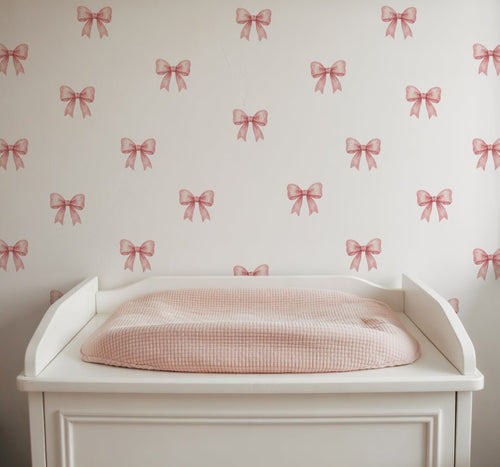
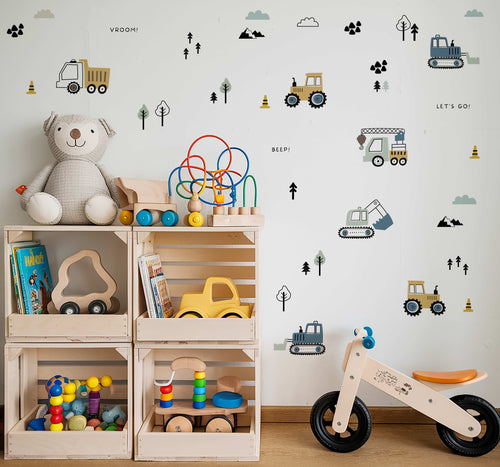
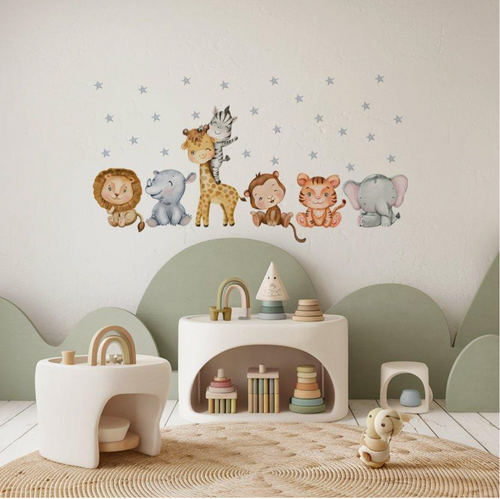
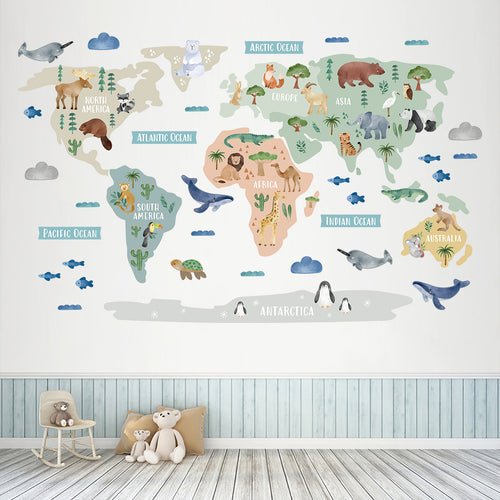

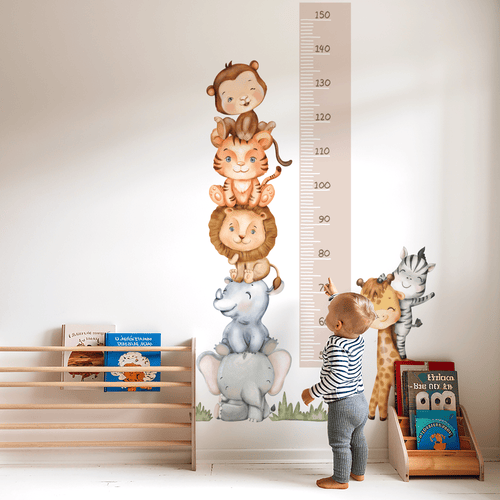

Cost of low-VOC wall stickers for nurseries.
The Cost of low-VOC wall stickers for nurseries. usually falls between £15 and £25 for a small pack, £30 and £60 for a medium set, and £70 to £150 or more for a large mural. The price depends on the design’s size and detail, the material, the adhesive and the information provided about emissions. Here’s how to judge whether a price makes sense before you choose a look for your baby’s room.
Key Takeaways
- Small packs of nursery wall stickers typically start around £15, while large mural designs can climb past £150 depending on size and detail.
- The material quality, adhesive type, and level of emissions information all influence what you should expect to pay.
- A higher price often reflects better transparency about the sticker's safety credentials, so it pays to check the details before buying.
- Knowing how these price brackets work helps you judge whether a design offers genuine value for your baby's room.
As a mum, I know it’s lovely to picture a finished nursery, but less lovely to face a checkout total full of surprises. We make decorating more playful and practical, so I’ll also explain which safety details are worth checking before you peel and stick.
For UK shoppers, use these price bands as a starting point, rather than a promise that every pack in a tier offers the same coverage or material. Small designs suit a cot corner or a few accents. Medium sets can create a more noticeable feature, while larger multi-piece murals cover more wall and often include coordinated elements. Check the dimensions and number of pieces, not just the product photo: a styled room image can make a small pack look much larger than it is.
Price Bands at a Glance: Small Packs to Large Murals
| Size tier | Typical UK price | Often suits | Check before buying |
|---|---|---|---|
| Small pack | £15-£25 | Small wall accents or a cot corner | Sticker count and individual dimensions |
| Medium set | £30-£60 | A themed grouping or modest feature area | Total coverage and layout flexibility |
| Large mural | £70-£150+ | A larger focal wall or multi-piece scene | Full measurements, material and adhesive details |
What Counts as a Fair Price in the UK?
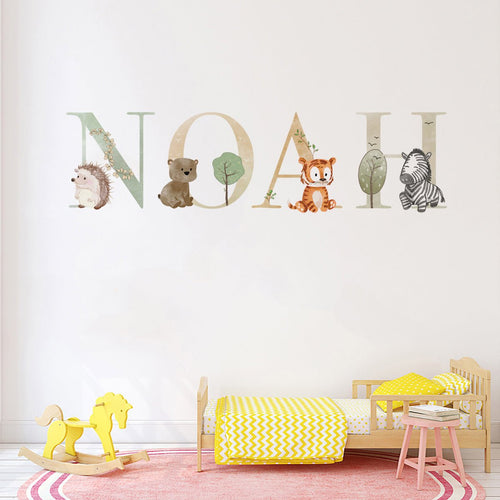
A fair price is one you can connect to clear product details: stated measurements, a defined material, print information and a plain explanation of any low-VOC claim. The ABC Animal Friends Alphabet Wall Stickers depict animals associated with letters of the alphabet and are made from regular vinyl. They are listed under nursery wall stickers and decals, designed for a baby’s nursery. The listing currently shows the product as sold out or unavailable, so it is an example of a design and price presentation, not a UK low-VOC price benchmark.
Why Low-VOC Stickers Cost More (and What You're Actually Paying For)

Low-VOC or PVC-free stickers can cost more because materials and production choices differ from conventional decals. A price premium may reflect a fabric substrate, water-based inks, a low-tack adhesive or testing and documentation that supports a specific emissions claim. Those words are not interchangeable: “PVC-free” describes the substrate, while “low-VOC” refers to volatile organic compounds. Ask what the claim covers, including the printed surface and adhesive, rather than relying on a reassuring label alone.
What 'Low-VOC' Means on a Sticker Label, and When to Be Sceptical
VOCs are chemicals that can evaporate into indoor air. “Low-VOC” does not, by itself, tell you which substances were assessed, the testing method or the threshold used. Look for a named material and an explanation of the claim, ideally with supporting test or certification details that apply to the finished sticker. If a listing offers only broad terms such as “safe” or “non-toxic” without explaining them, contact the seller before ordering. A clear answer should distinguish the face material, inks and adhesive.
PVC, Phthalates and Off-Gassing Explained Simply
Some PVC products contain phthalates to make the plastic more flexible. LeafScore reports that phthalates can make up 30-40% of the weight of a PVC decal and may leach in warm, humid conditions. LeafScore also notes that conventional PVC decals can off-gas VOCs for weeks or months after application. That does not establish the emissions behaviour of every sticker, so check the precise material and ask about ventilation guidance. A PVC-free claim alone does not describe every part of a product.
Fabric vs Vinyl: How Material and Inks Drive the Price
Fabric and vinyl are different substrates, and neither label alone confirms the finished sticker’s emissions profile. Fabric decals may use particular adhesives and printing methods; vinyl decals vary by formulation. PhotoTex-type fabric decal materials are certified low-VOC and free of glycol-ether and formaldehyde in the adhesive, according to the research provided. Treat that as information about the named material type, not a guarantee for every fabric sticker. Ask whether water-based inks, PVC-free construction or low-tack adhesive applies to the exact design you’re considering.
| Detail | What to ask |
|---|---|
| Substrate | Is it fabric, PVC-free material or vinyl? |
| Ink | Does the maker specify water-based inks? |
| Adhesive | Is its composition or emissions information available? |
| Testing | Does documentation cover the finished sticker? |
Safety Claims and Certifications Worth Paying For
Before paying extra, check that any certification or test report names the material or finished product it covers. Confirm whether the assessment includes the adhesive and print, and whether the seller can explain the claim in everyday language. Also check application instructions, recommended ventilation and suitability for your wall surface. We design, print and test our own stickers, and know how useful specific material information is when you’re preparing a room for a newborn. The ABC Animal Friends Alphabet Wall Stickers are regular vinyl, so don’t treat that listing as a low-VOC or certified option.
Nursery Budget Tiers: What £25, £50, £100 and £200+ Buys You
Your budget determines how much of the room you can decorate, but coverage depends on the number and size of the stickers, not just the price. Measure the wall area and decide whether you want a few playful details or a large focal scene. Then check the pack dimensions and piece count before checkout. A carefully placed group of smaller decals can make a cot corner feel finished without covering the whole wall.
£25-£50: Accent Packs and Feature Corners
This range can suit a small theme around a cot, reading chair or changing area. Look for a compact pack of stars, clouds or woodland animals, then plan a simple layout with space between each piece. You might add matching shapes above a bookcase rather than trying to fill an entire wall. If you’re considering the ABC Animal Friends Alphabet Wall Stickers, note that the listing depicts animals associated with letters of the alphabet and is designed for a baby’s nursery. It is made of regular vinyl and is currently sold out or unavailable, so it is not a low-VOC recommendation.
£50-£100: A Full Feature Wall
With more to spend, you can build a fuller scene across a modest feature area. Pair a larger central design with smaller coordinating details, such as a moon and stars around a sleepy animal theme, or leafy shapes alongside forest creatures. Check whether the set is sized for your wall or simply photographed across a large space. A plan on paper helps you see whether the pieces will reach the edges you have in mind, and whether you need one set or two.
£100-£200+: Murals, Coordinated Sets and Ceiling Touches
This budget can cover a larger multi-piece mural or a coordinated scheme across more than one wall. You could create a safari scene behind the cot, then carry a few matching shapes towards a reading nook. Ceiling details may also be possible, but check that the product instructions allow application to that surface and that you can reach it safely. The listing has at least one customer review and belongs to the Animal Wall Stickers Collection, but remains unavailable.
Hidden Costs to Check Before Checkout
Delivery can change the final total, especially if it is calculated separately. Check whether the price includes tax, whether the pack comes with application instructions or a positioning tool, and whether you need anything extra to prepare the wall. Ask about replacement pieces if a decal is damaged during application, since those may carry a separate charge. A low sticker price can be less attractive if the pack covers only a small area or needs several add-ons.
Stickers vs Paint vs Wallpaper vs Art: The Real Cost Comparison
The best option depends on the size of the area, the finish you want and whether you can make permanent changes. A small set of decals may cost less than decorating a whole wall, while paint or wallpaper can make more sense for broad coverage. Wall art gives you a focal point without changing the wall finish. Compare the full project, including preparation and tools, rather than the headline price alone.
Cost-per-Square-Metre Compared
Price per square metre is useful only when you know how much wall the design covers. Sticker packs may leave gaps by design, while wallpaper and paint cover a continuous surface. Framed art covers little wall area but can provide a distinct focal point. The table offers a planning comparison rather than fixed prices: costs vary with room size, product choice, wall condition and whether you already own the necessary supplies.
| Option | Typical spend pattern | Time and mess | Wall and rental considerations |
|---|---|---|---|
| Wall stickers | Small packs may suit accents; large scenes cost more | Usually a smaller project, with little decorating mess | Check removal guidance and test on an inconspicuous area |
| Paint | Paint and preparation supplies; more for multiple coats | Needs preparation, drying time and clean-up | Changes the wall finish; landlord permission may be needed |
| Wallpaper | Rolls, paste and tools; pattern matching can affect waste | Can take longer and create more mess | Removal may need effort and could affect the wall surface |
| Wall art | One piece or a group, plus hanging hardware if required | Quick to arrange, with possible drilling | Can leave holes; use approved hanging methods in rentals |
Effort, Mess and Rental-Safety Trade-offs
Paint and wallpaper can give a consistent finish, but both call for more preparation than arranging a few decorative pieces. Art is easy to reposition, though hanging may involve nails or hooks. Stickers can suit a smaller accent, but never assume a decal will come away cleanly from every paint finish. Check the maker’s surface guidance, follow application instructions and test a discreet patch first, particularly in a rented flat.
Where to Spend and Where to Save in a Nursery
Spend where clear material information and suitable instructions matter to you, then save by keeping the design focused. One well-planned feature area can feel complete without decorating every wall. Measure first, choose a pack that matches the space and check delivery charges before committing. If you rent, ask your landlord about painting or wallpaper before buying supplies. For stickers, confirm the wall finish is suitable and follow the product’s removal guidance, so a budget-friendly refresh does not become an unexpected repair bill.
Reusability Maths: How Removable Stickers Get Cheaper Every Year
A removable sticker set can offer better value if its maker says it can be repositioned and you can use it again in another room or home. The saving depends on the product’s instructions, the condition of the wall and careful storage, so don’t assume every decal is reusable. Check the product details before buying, then consider whether the design could move to a playroom, a sibling’s room or your next home. That longer view helps you weigh the initial price against how long you expect to enjoy the decoration.
Price-per-Use Across Siblings, Rooms and House Moves
Here’s a simple example using an illustrative £60 sticker set. If you use it in one room for three years, the cost works out at £20 per year. If the maker’s guidance allows you to move it to a second room and use it for another three years, the same purchase works out at £10 per year across six years. This is a planning exercise, not a promise of a particular product’s lifespan. The ABC Animal Friends Alphabet Wall Stickers are regular vinyl and are currently sold out or unavailable, so don’t count on that design as a reusable option. Check reuse instructions for any sticker you choose.
How to Apply and Remove Decals Without Damaging Walls
Preparation can help protect both the finish and your deposit. Follow the maker’s directions first, since wall surfaces and adhesives differ. Let fresh paint cure for the period specified by the paint and sticker makers, and test a small, discreet area before arranging a whole design. When removal time comes, work slowly and follow the product’s guidance rather than pulling sharply. If you rent, check your tenancy agreement and ask your landlord when unsure. The ABC Animal Friends Alphabet Wall Stickers depict animals associated with letters of the alphabet, but their listing does not establish that they can be reused or removed cleanly.
Airing New Stickers Before Baby Arrives: A Simple Step-by-Step
If you’re concerned about odour or emissions, plan ahead and follow the manufacturer’s ventilation advice. LeafScore reports that conventional PVC decals can off-gas VOCs for weeks or months after application. That finding concerns conventional PVC decals and should not be treated as a timeline for every material. For a calmer setup:
- Check the sticker’s substrate, adhesive information and any ventilation instructions.
- Apply it in a well-ventilated room, following the maker’s directions.
- Air the room before your baby sleeps there, and follow any specific waiting guidance provided.
- If an unusual or strong odour persists, contact the seller and seek advice before placing the cot nearby.
Giving yourself time before the due date can make decorating feel less rushed, while leaving room to ask questions about a specific product.
Frequently Asked Questions
How much do low-VOC wall stickers for a nursery cost in the UK?
Low-VOC wall stickers for nurseries typically cost between £15 and £25 for a small pack, £30 to £60 for a medium set, and £70 to £150 or more for a large mural. Price depends on the design's size and detail, the material, the adhesive and the emissions information provided.
Why are low-VOC or PVC-free stickers more expensive than ordinary vinyl decals?
Low-VOC and PVC-free stickers often cost more because the materials and production methods differ from conventional decals. A higher price may reflect a fabric substrate, water-based inks, a low-tack adhesive, or testing and documentation that supports a specific emissions claim.
What is a realistic budget for decorating a nursery with low-VOC stickers?
A realistic nursery budget starts around £25 for a few small accents, roughly £50 for a themed grouping, and £100 or more for a larger focal wall. Coverage depends on the number and size of the stickers rather than the price alone, so measure your wall and check pack dimensions before checkout.
Are cheap nursery wall stickers safe for babies?
Price alone doesn't tell you whether a sticker is suitable for a baby's room. Look for a named material, a clear explanation of any low-VOC claim, and ideally supporting test or certification details that cover the finished sticker, including the printed surface and adhesive.
Do low-VOC wall stickers off-gas, and for how long?
Conventional PVC decals can off-gas VOCs for weeks or months after application, according to LeafScore, though this doesn't apply to every sticker. Low-VOC options are designed to minimise this, so ask the seller what the claim covers and follow any ventilation guidance provided.
What does 'low-VOC' actually mean on a sticker label?
Low-VOC means the product is claimed to release reduced levels of volatile organic compounds, which are chemicals that can evaporate into indoor air. The label alone doesn't tell you which substances were assessed or the threshold used, so ask the seller for specifics covering the face material, inks and adhesive.
What questions should I ask a seller before buying nursery wall stickers?
Ask about the substrate, whether water-based inks were used, what information is available on the adhesive, and whether any testing covers the finished sticker rather than just the material. A clear, plain-English answer should distinguish each of these elements before you order.